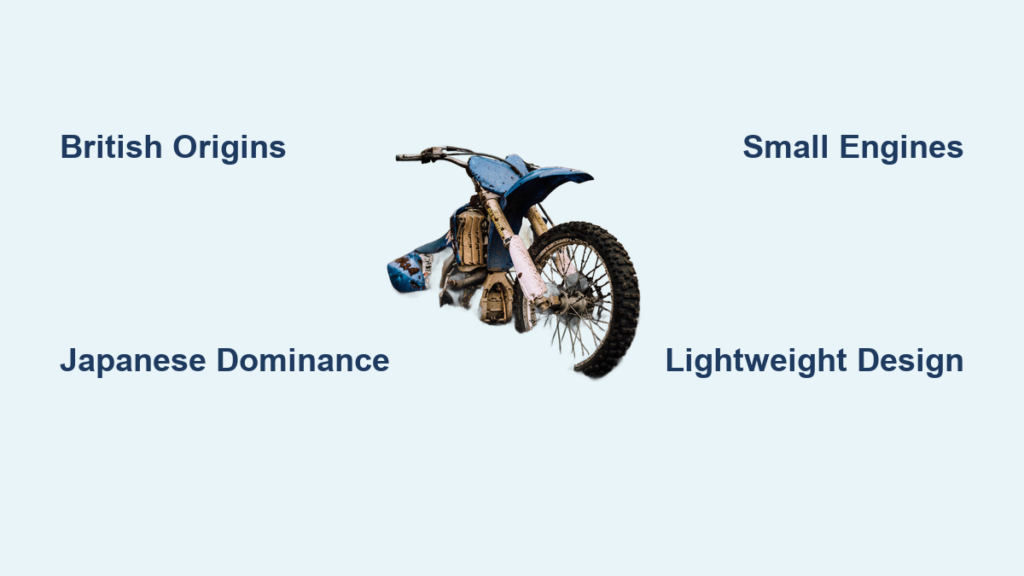
Nothing compares to the adrenaline rush of powering a dirt bike over rugged terrain, but few riders understand the fascinating engineering and history behind these specialized machines. Dirt bikes blend British heritage with Japanese precision to create lightweight, powerful off-road vehicles designed for one purpose: conquering challenging landscapes. Whether you’re a weekend warrior, aspiring racer, or parent researching youth models, knowing these fundamental dirt bike facts will transform how you appreciate and operate your machine. This guide reveals ten critical insights about dirt bike design, performance limitations, safety essentials, and the surprising physical demands of riding—information that separates casual riders from true enthusiasts who maximize their off-road experience.
British-Built BSA Models Started the Dirt Bike Revolution
The modern dirt bike’s story begins not in California or Japan, but in the British countryside where off-road motorcycle racing first emerged as an organized sport. British manufacturers, particularly the iconic BSA model, established the foundational design principles that still influence today’s dirt bikes. These early machines proved so effective that they became America’s top choice once motocross crossed the Atlantic.
How 1909 Trials Evolved into Modern Motocross
The earliest organized dirt bike racing events began in the United Kingdom during the roaring 1920s, spreading rapidly across rural landscapes and establishing competitive off-road motorcycling as a legitimate sport. This cultural phenomenon actually traces its roots to the United Kingdom’s 1909 Auto Cycle quarterly trial event, which served as the precursor to modern motocross competition formats. During this pivotal decade, dirt bike racing captured the British imagination, creating the blueprint for the global sport we know today.
The LA Coliseum Moment That Changed American Dirt Biking
While British engineers pioneered the concept, dirt biking didn’t gain mainstream American traction until a pivotal event in 1972 when the first stadium race was held at the LA Coliseum. This landmark event brought motocross into the American spotlight, transforming it from a niche hobby into a spectator sport with massive commercial potential. The stadium format made the sport accessible to urban audiences who might never visit remote trail locations, accelerating dirt biking’s popularity across the United States.
Japanese Manufacturers Took Over Dirt Bike Production in the 1970s
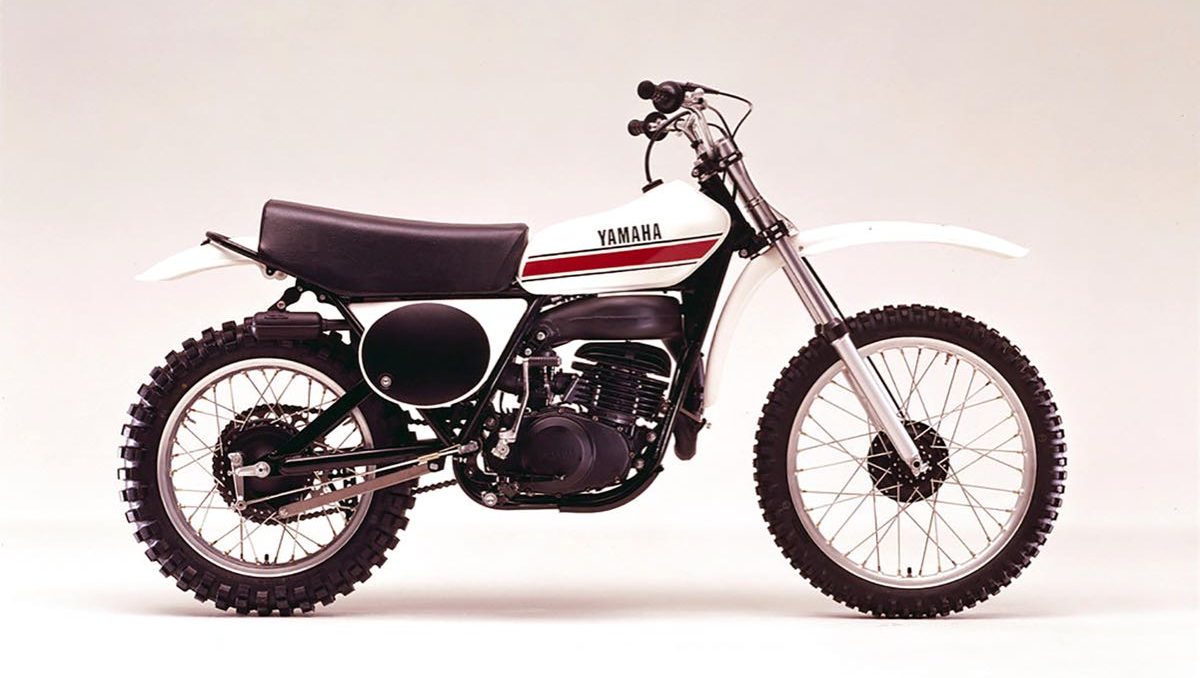
The dirt bike landscape underwent a dramatic shift when Japanese manufacturers entered the market, fundamentally changing production standards and performance expectations. Starting in the 1970s, British dominance in dirt bike manufacturing declined rapidly as Japanese companies recognized the sport’s growing potential and invested heavily in research and development.
The Big Four Japanese Dirt Bike Powerhouses
Today’s dirt bike market is dominated by four Japanese manufacturers that produce the overwhelming majority of off-road motorcycles worldwide: Yamaha, Honda, Kawasaki, and Suzuki. These companies didn’t just copy British designs—they revolutionized them by combining traditional off-road principles with advanced manufacturing techniques, reliable engineering, and aggressive innovation. Their commitment to quality control and performance optimization made professional-level machines accessible to recreational riders.
Why Japanese Dirt Bikes Outperformed British Models
Japanese manufacturers succeeded by addressing critical limitations in earlier British designs through superior metallurgy, precision engineering, and thoughtful ergonomics. Their motorcycles offered better durability in harsh conditions, more consistent performance across varied terrain, and easier maintenance procedures that appealed to amateur riders. This strategic focus on rider experience and reliability cemented Japanese brands as the industry standard for dirt bikes worldwide.
Why Dirt Bikes Use Small Engines (50cc-500cc Range)

Dirt bike engines seem surprisingly modest when compared to their street-legal counterparts, but this intentional design choice serves critical performance and safety functions. Most dirt bikes feature engine displacements ranging from 50cc in youth models to under 500cc in professional racing machines—significantly smaller than many street motorcycles.
The Physics Behind Low-Displacement Dirt Bike Engines
These smaller engines provide precisely calibrated power for off-road conditions where control matters more than raw speed. Unlike highway riding where maintaining high speeds requires substantial horsepower, dirt biking demands manageable power delivery that allows riders to navigate obstacles, maintain traction on loose surfaces, and execute precise maneuvers. The lower power output prevents wheelspin on challenging terrain while giving riders the confidence to push their limits safely.
Chainsaw Engine Comparison: Power vs. Purpose
An interesting comparison reveals that while chainsaw engines (30cc-120cc) can produce more power than the smallest dirt bike engines, this makes perfect sense when considering their different purposes. Chainsaws need maximum torque for cutting wood, while dirt bikes require balanced power delivery for maintaining control on unpredictable surfaces. This intentional power limitation actually enhances the riding experience, allowing riders to focus on technique rather than constantly managing excessive speed.
How Dirt Bikes Stay Under 200 Pounds with Strategic Material Choices
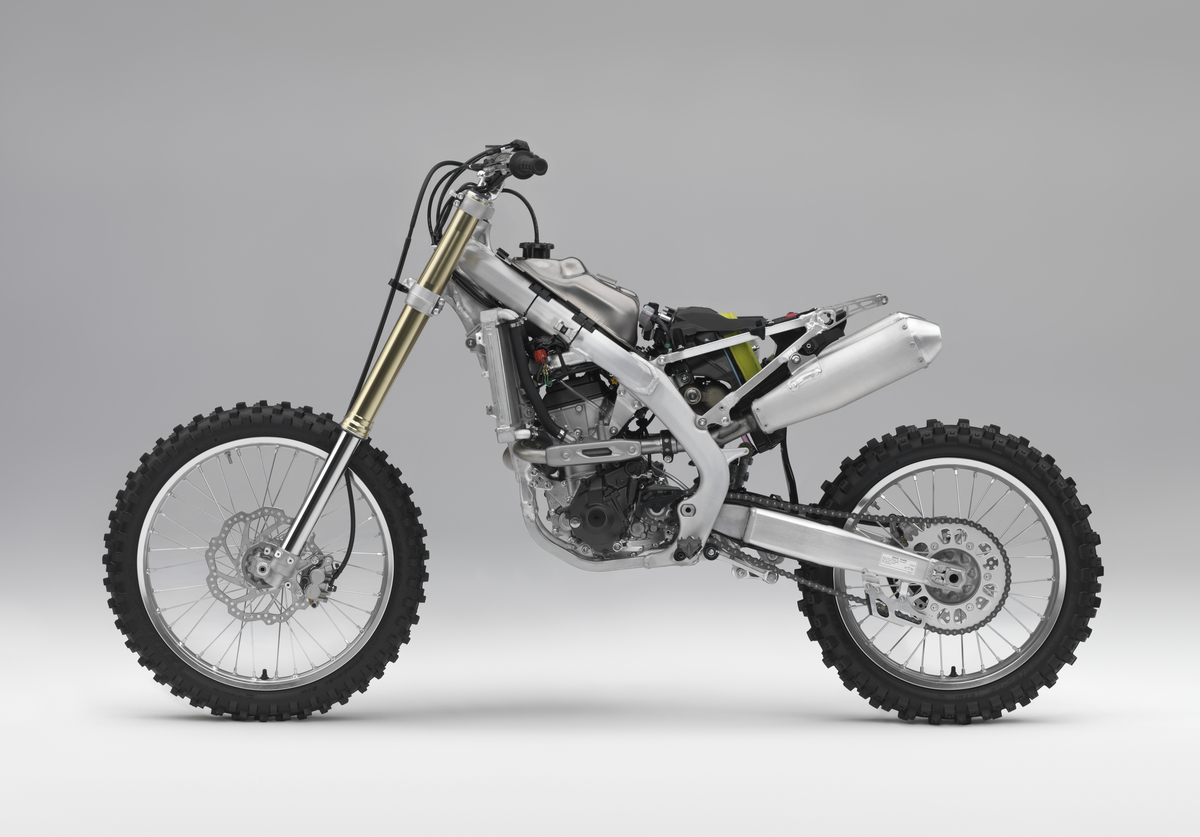
Weight is the archenemy of off-road performance, and dirt bike engineers combat this through obsessive weight reduction strategies. Most dirt bike models weigh under 200 pounds—a remarkable achievement when you consider the mechanical complexity packed into these machines. This lightweight construction enables the agility and responsiveness essential for navigating technical trail sections.
Aluminum Frames: The Backbone of Modern Dirt Bikes
The strategic use of aluminum frames represents one of the most significant weight-saving innovations in dirt bike history. Aluminum provides exceptional strength-to-weight ratio compared to traditional steel frames, reducing overall mass without compromising structural integrity. This material choice also contributes to better handling characteristics, as the reduced unsprung weight allows suspension systems to react more quickly to terrain changes.
Strategic Plastic Components for Weight Reduction
Beyond frames, dirt bikes incorporate lightweight plastics for fenders, body panels, and fuel tanks—components that would traditionally be made from heavier materials. These plastics offer surprising durability while significantly reducing weight, and their flexible nature actually provides benefits by absorbing minor impacts rather than transferring shock directly to the frame. The minimalist design philosophy extends to removing unnecessary components like lights, mirrors, and complex electronics found on street bikes, further trimming weight for optimal performance.
The Critical Role of 12-13 Inch Suspension Travel in Off-Road Performance
Dirt bikes stand noticeably taller than street motorcycles, and this distinctive profile serves a critical purpose: accommodating generous suspension travel. Most quality dirt bikes feature between 12 and 13 inches of suspension travel at both front and rear wheels—a specification that defines their capability to handle rough terrain.
How Suspension Travel Protects Riders During Jumps
This substantial suspension travel acts as a shock absorption system that protects both rider and machine during high-impact maneuvers. When landing from jumps, the suspension compresses to absorb energy that would otherwise transmit directly to the rider’s body and the bike’s frame. Professional riders regularly launch over 78 feet in the air (Ryan Capes’ record), and without this critical suspension capability, such feats would be physically impossible and extremely dangerous.
Ground Clearance Benefits for Technical Trail Riding
The elevated stance provided by long-travel suspension also delivers crucial ground clearance that allows dirt bikes to navigate over rocks, logs, and other obstacles without damaging undercarriage components. This design feature enables riders to maintain momentum through challenging sections where lower-clearance vehicles would get hung up. Additionally, the taller riding position improves visibility of upcoming terrain, giving riders more time to react to changing trail conditions.
Trail vs. Motocross vs. Enduro: Choosing Your Perfect Dirt Bike Type

Not all dirt bikes serve the same purpose—understanding the different categories prevents costly mistakes when selecting your machine. Each type features specialized engineering tailored to specific riding disciplines, terrain conditions, and rider experience levels.
Trail Bikes: The Beginner-Friendly All-Rounders
Trail dirt bikes represent the most versatile category, featuring softer suspension setups specifically tuned for wooded trails and casual riding. These machines offer forgiving handling characteristics that help new riders develop fundamental skills while still providing capable performance for experienced trail enthusiasts. The balanced power delivery and comfortable ergonomics make trail bikes ideal for recreational riding across varied terrain.
Motocross Machines: Purpose-Built Race Weapons
Motocross dirt bikes sacrifice trail comfort for pure track performance, featuring high-strung engines, race-spec suspension, and aggressive ergonomics optimized for closed-course competition. These machines deliver explosive acceleration (reaching 60 MPH in seconds) and handle the punishing demands of track jumps and whoops sections. The specialized nature of motocross bikes makes them less suitable for trail riding but essential for competitive racing.
Enduro and Dual Sport Options for Extended Adventures
Enduro bikes bridge the gap between trail capability and competition readiness, featuring headlights, taillights, and larger fuel tanks for extended rides through remote terrain. Dual sport bikes take this concept further by adding street-legal components, allowing riders to commute to trailheads on public roads before heading off-road. Electric dirt bikes represent the newest category, offering quiet operation and instant torque delivery while eliminating emissions concerns.
60 MPH in Seconds: Understanding Dirt Bike Acceleration and Record Jumps
Professional motocross riders achieve astonishing acceleration on properly designed tracks, reaching speeds up to 60 miles per hour in mere seconds despite relatively modest engine displacements. This impressive performance stems from the perfect power-to-weight ratio that characterizes modern dirt bikes.
Record-Breaking Feats That Push Human and Machine Limits
The dirt bike community has produced extraordinary accomplishments that showcase the sport’s extreme nature. Ryan Capes holds both the highest jump record (78 feet) and the furthest jump record (390 feet, 4 inches), demonstrating what’s possible when rider skill meets machine capability. These records represent the absolute edge of what current technology and human ability can achieve in the sport.
The Backflip Breakthrough That Changed Freestyle Motocross
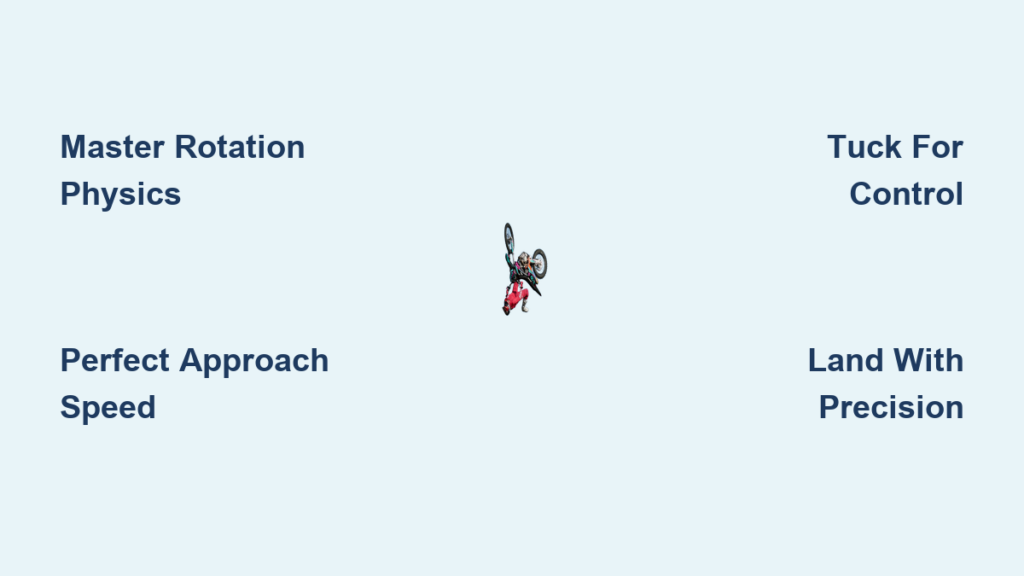
Caleb Wyatt’s 2002 achievement of landing the first dirt bike backflip marked a pivotal moment in freestyle motocross history. This groundbreaking maneuver opened the door to increasingly complex aerial tricks, transforming what was once considered impossible into standard competition fare. Modern freestyle motocross now features front flips, double backflips, and countless other maneuvers that continue to push the boundaries of the sport.
Unexpected Full-Body Workout: The Fitness Benefits of Dirt Bike Riding
Riding a dirt bike delivers an exceptional full-body workout that engages multiple muscle groups simultaneously while providing cardiovascular benefits. The physical demands of controlling an off-road motorcycle create a unique fitness experience that combines calorie burning with functional strength development.
Core Stability and Posture Improvements You Didn’t Expect
Maintaining control over rough terrain requires constant core engagement, which strengthens abdominal and back muscles while improving overall posture. Unlike stationary gym exercises, dirt bike riding challenges your body to adapt continuously to changing conditions, developing reaction time and coordination that transfer to everyday movements. Riders often report noticeable improvements in balance and body awareness after consistent riding.
Cardiovascular Conditioning Through Active Riding
The constant state of physical engagement required for dirt biking provides excellent cardiovascular conditioning. Navigating technical sections demands sustained effort that elevates heart rate and builds endurance, while the stop-and-go nature of trail riding creates an interval training effect. Many riders find they get better cardiovascular benefits from an hour of trail riding than from traditional gym sessions.
Why Standard Dirt Bikes Can’t Legally Ride on Public Roads
Most dirt bikes lack essential safety equipment required for highway operation, making them illegal to ride on public roads without significant modifications. These missing components include headlights, brake lights, rearview mirrors, and turn signals—basic equipment that street-legal motorcycles must have to ensure rider visibility and communication with other road users.
United States Street Legality Requirements by State
Dirt bike street legality varies significantly across the United States, with most states requiring specific modifications before registration for road use. Common requirements include installing DOT-approved lighting systems, updating exhaust systems to meet emissions standards, and adding necessary safety equipment. Riders must also obtain appropriate motorcycle licenses or endorsements, which typically require passing written and riding tests.
United Kingdom Legal Requirements for Road-Going Dirt Bikes
UK riders face equally stringent requirements when converting dirt bikes for street use. Necessary documentation includes a Certificate of Newness, valid MOT certificate, NOVA declaration, V5 Log Book, appropriate insurance, and a valid motorcycle license. The minimum age for obtaining a motorcycle license varies based on engine displacement, but riders typically need to be at least 16 years old for smaller machines. Private land riding offers more flexibility under specific regulations.
Non-Negotiable Safety Gear for Every Dirt Bike Rider
Proper safety equipment isn’t optional—it’s essential protection against the inherent risks of off-road riding. Every dirt bike rider, regardless of experience level, must invest in quality protective gear to minimize injury risk during inevitable crashes and falls.
The Helmet Hierarchy: From Basic to Competition Grade
A Department of Transportation (DOT) approved helmet provides the most critical protection for your most valuable asset—your brain. Helmets should fit snugly without pressure points and be replaced after any significant impact, as internal protective materials may be compromised even without visible damage. Consider upgrading to MX-specific helmets with extended chin bars and visors for maximum off-road protection.
Essential Protective Layers Beyond the Helmet
Complete safety gear includes:
– Gloves with reinforced palms and knuckle protection for grip and abrasion resistance
– Riding boots featuring high ankle support to prevent sprains and impacts
– Knee and elbow pads providing crucial joint protection during falls
– Chest protectors for torso impact absorption in more advanced setups
Beginners should prioritize professional instruction and start on appropriately sized machines that match their skill level. Riding within your limits and gradually building competence prevents many common injuries associated with overestimating abilities on powerful machines.
Dirt bikes represent a perfect marriage of British heritage and Japanese engineering innovation, creating specialized machines that deliver unparalleled off-road performance. From their surprisingly modest engine sizes to their remarkably lightweight construction under 200 pounds, every design element serves a specific purpose in conquering challenging terrain. Understanding these ten essential facts—particularly the critical role of 12-13 inches of suspension travel, the strategic material choices that enable agility, and the non-negotiable safety requirements—will transform how you approach your next ride. Whether you’re drawn to the sport for its physical fitness benefits, the thrill of speed, or the community of fellow enthusiasts, respecting these fundamental principles ensures you’ll enjoy dirt biking safely and effectively for years to come. Remember that proper safety gear isn’t optional, street legality requires significant modifications, and matching your bike type to your intended riding style makes all the difference in your overall experience.