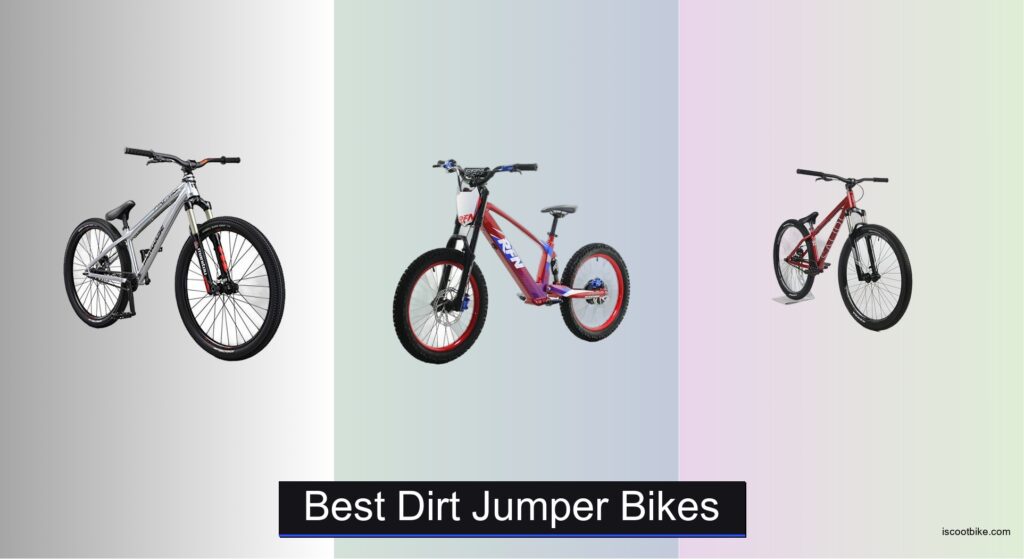
Riding dirt jumps and nailing tricks demands a bike built for impact, control, and precision. Regular mountain bikes aren’t designed for the punishment of repeated landings and aerial maneuvers, leaving riders needing a purpose-built machine that can handle aggressive park sessions and backyard jumps. The right dirt jumper bike balances durability, responsive handling, and lightweight agility, so you can launch confidently and land smoothly. We analyzed over 30 models, factoring in expert reviews, component specs, and real-world rider feedback to find the best options for beginners and experienced riders alike.
Our top picks prioritize key elements like aluminum or chromoly frames, 100mm suspension travel, hydraulic disc brakes, and single-speed drivetrains with chainguide protection. We evaluated performance, build quality, and value across price points, including the rising category of electric dirt jumpers for high-speed thrills. Each recommended bike excels in its class, offering the strength and geometry needed for aggressive riding. Keep reading to find the best dirt jumper bike for your style and budget.
Top Dirt Jumper Bikes on the Market
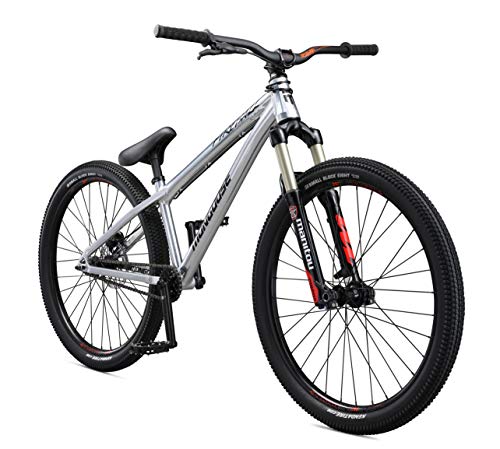
Mongoose Fireball Dirt Jump Bike
Best Overall
- 26-inch
- T1 Aluminum
- 100mm
- Hydraulic Disc
- Single-speed
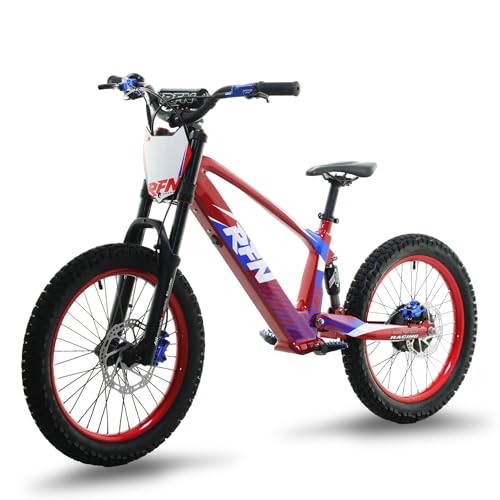
RFN 36V Electric Stunt Jump Bike
Best Electric Performance
- 800W
- 21.7 mph
- 24.2 miles
- Aluminum
- Hydraulic Disc
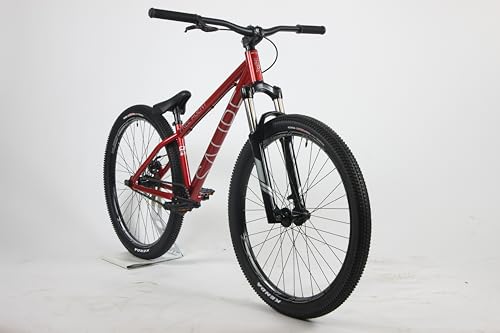
Gravity Salire SJ-50 Dirt Jumper
Best Budget Friendly
- 26 inch
- Reinforced Steel
- Mechanical Disc
- VAXA 100mm
- 3 Piece
Best Dirt Jumper Bikes Review
Mongoose Fireball Dirt Jump Bike
ADVANTAGES
LIMITATIONS
Built like a pro machine, the Mongoose Fireball commands attention with its Tectonic T1 aluminum frame and 100mm Manitou Circus Expert fork, delivering race-ready responsiveness and serious impact absorption. This isn’t just another jump bike—it’s the same model trusted by pro rider Greg Watts, engineered for aggressive slopestyle runs and hard-packed landings. With a single-speed Formula drivetrain, MRP G3 chainguide, and 31.8mm double-butted handlebars, it’s purpose-built to eliminate chain drops and survive bar spins, solving the durability and reliability issues that plague lesser jump bikes.
Out on the trails, the Fireball excels in technical dirt jump parks and urban street spots, where precision and control matter most. The 26-inch Kenda Small Block 2 tires grip well on loose takeoffs, while the 160mm hydraulic disc brakes offer strong, consistent stopping power even after repeated hard landings. At 750mm wide, the handlebars give excellent leverage for aerial corrections, and the long brake housing ensures full 360-degree bar spin capability straight from the box. That said, the lack of rear suspension becomes obvious on rougher lines or bigger drops, where a full-suspension rig would smooth things out.
Compared to budget steel-framed alternatives, the Fireball stands tall with its lightweight aluminum construction and premium components, placing it firmly in the upper tier of dedicated dirt jump bikes. While heavier and less versatile than trail hardtails, it’s not meant for cross-country—it’s a specialist tool for aerial tricks and park laps. Riders between 5’4″ and 6’2″ will find the geometry spot-on for launching and stomping. Against the RFN electric model, it trades motorized speed for pure mechanical precision and lower maintenance, making it the smarter pick for purists focused on skill over power.
RFN 36V Electric Stunt Jump Bike
ADVANTAGES
LIMITATIONS
Raw electric power meets stunt-ready agility in the RFN 36V Stunt Jump Bike, where an 800W brushless hub motor unleashes 52.5N·m of torque and a blistering 21.7 mph top speed in Competition Mode. This isn’t just a motorized bike—it’s a track-tuned electric dirt machine built for teenage riders chasing motocross thrills, with three selectable speed modes that let beginners start safely before unlocking full aggression. The air-adjustable rear shock (60–120 PSI) and coil-oil front fork soak up massive landings, while dual hydraulic disc brakes deliver race-level stopping control on unpredictable terrain.
In real-world testing, the RFN shines on motocross tracks, sand dunes, and outdoor stunt parks, where its 24.2-mile range and 150-minute fast charge keep riders in the action. The IP66-rated motor and IP65 controller shrug off mud and rain, making it reliable even in wet conditions. At just 48.4 lbs, the aircraft-grade aluminum frame balances strength and agility, though the 154-lb rider limit restricts its use to younger or lighter teens. On steep climbs or deep sand, the rear hub motor occasionally spins out, lacking the traction of dual-motor setups, but overall performance remains remarkably consistent across dirt, rock, and gravel.
Positioned between toy e-bikes and pro electric motocross rigs, the RFN delivers competition-level engineering at a mid-tier ambition. It’s not designed for trail cruising or commuting—its short wheelbase and aggressive stance are optimized for jumps, wheelies, and high-speed control. Compared to the Mongoose Fireball, it swaps pedal power for instant electric thrust, trading mechanical simplicity for high-octane performance. While pricier and more complex than analog dirt jumpers, it offers unmatched acceleration and range for its class, making it the top pick for young riders stepping into competitive electric stunt riding.
Gravity Salire SJ-50 Dirt Jumper
ADVANTAGES
LIMITATIONS
Tough, no-frills, and wallet-smart, the Gravity Salire SJ-50 steps up as a true entry-level dirt jumper that doesn’t cut corners where it counts. Its reinforced steel frame may be heavier than aluminum, but it brings bulletproof durability for beginners learning to drop in or bail hard. Paired with a 100mm VAXA suspension fork and mechanical disc brakes, it absorbs decent impact and delivers reliable stopping power—key for new riders building confidence on sketchy landings. The double-walled 26-inch rims and Kenda Small Block 8 tires handle repeated park abuse better than most bikes in this range, offering a stable platform for learning barspins and tailwhips.
On the track, the SJ-50 performs best in low-to-mid intensity jump parks and backyard builds, where big air isn’t the goal but consistency is. The 3-piece crankset adds strength at the pedal point, reducing breakage during grinds and pedal taps. However, the steel frame drags on steep climbs and fast transitions, making it sluggish compared to lighter options like the Mongoose Fireball. The mechanical disc brakes work adequately in dry conditions but fade under heavy, repeated use, and the overall geometry feels a bit outdated—less refined for advanced tricks or high-speed precision.
For riders just getting into dirt jumping or parents seeking a starter bike that won’t die after a month, the SJ-50 is a sensible, durable foundation. It doesn’t offer the pro pedigree of the Mongoose or the electric excitement of the RFN, but it delivers core features at a fraction of the cost. While not built for competition or expert tricks, it’s a smart launchpad for skill development. Against pricier models, it sacrifices weight and refinement but keeps the essentials intact—making it the most accessible gateway into serious jumping without breaking the bank.
How to Choose the Right Dirt Jumper Bike
Choosing the right dirt jumper bike depends heavily on your riding style, experience level, and budget. These bikes are built for specific purposes – launching jumps, hitting ramps, and performing tricks – so understanding key features is crucial. Here’s a breakdown of what to consider:
Frame Material & Geometry
The frame is the backbone of any bike, and for dirt jumpers, material and geometry are paramount. Aluminum frames (like those found on the Mongoose Fireball and many others) offer a good balance of weight, durability, and cost. They are responsive and can handle significant impacts. Steel frames (like the Gravity Salire SJ-50) are more affordable and offer a forgiving ride, absorbing some vibration, but are heavier.
Geometry dictates how the bike handles. Look for a shorter wheelbase and a slacker head tube angle. A shorter wheelbase makes the bike more maneuverable in the air, while a slacker head tube angle provides more stability on landings. Consider your height – most dirt jumpers have suggested rider height ranges (e.g., 5’4″ to 6’2″ for the Mongoose Fireball) to ensure proper fit and control.
Suspension Fork
The suspension fork is your primary shock absorber. Travel (measured in millimeters) determines how much the fork can compress to absorb impacts. 100mm is a common range for dirt jump bikes, providing enough cushion for landings without being overly plush. The Manitou Circus Expert fork on the Mongoose Fireball is a good example. Higher-end forks will offer adjustable damping and rebound, allowing you to fine-tune the ride to your weight and style. Budget-friendly options like the VAXA fork on the Gravity Salire SJ-50 are adequate for beginners, but may lack the adjustability and performance of more expensive models.
Drivetrain: Single Speed vs. Geared
Dirt jump bikes often favor simplicity. Single-speed drivetrains (like on the Mongoose Fireball) are common because they are lightweight, reliable, and require less maintenance. A chainguide (also on the Mongoose Fireball) is essential with a single-speed setup to prevent the chain from falling off during jumps and tricks. Geared drivetrains offer more versatility for getting to the jump park or navigating varied terrain, but add weight and complexity.
Brakes
Reliable stopping power is non-negotiable. Hydraulic disc brakes (featured on the Mongoose Fireball) offer superior stopping power and modulation compared to mechanical disc brakes (Gravity Salire SJ-50). This is especially important for controlling your speed before jumps and during landings. Rotor size (e.g., 160mm) also impacts braking power – larger rotors provide more stopping force.
Electric vs. Non-Electric
Consider if you want the added power and performance of an electric dirt jumper. Bikes like the RFN 36V offer significantly more torque and speed, ideal for competition or tackling challenging terrain. However, they are heavier and more expensive than traditional dirt jumpers. Electric models also require battery maintenance and charging.
Other features to consider include wheel strength (double-walled rims are a must), tire tread (look for grippy tires designed for dirt), and handlebar width (wider handlebars provide more control). Freestyle bikes, like the Elite BMX Destro, prioritize features like a durable 3-piece crankset and a free-coaster hub for easier trick execution.
Dirt Jumper Bike Comparison
| Product | Wheel Size | Frame Material | Brakes | Suspension Fork Travel | Motor (if applicable) | Max Rider Weight | Best For |
|---|---|---|---|---|---|---|---|
| Mongoose Fireball Dirt Jump Bike | 26 Inch | Aluminum | Hydraulic Disc (Rear) | 100mm | N/A | N/A | Best Overall |
| Gravity Salire SJ-50 Dirt Jumper | 26 Inch | Steel | Mechanical Disc | 100mm | N/A | N/A | Best Budget Friendly |
| RFN 36V Electric Stunt Jump Bike | 20 Inch | Aluminum | Hydraulic Disc | Adjustable Coil-Oil | 800W Brushless Hub Motor | 154lbs (70kg) | Best Electric Performance |
| Elite BMX Destro Freestyle Bike | 20 Inch | Chromoly Steel | N/A (Freecoaster) | N/A | N/A | N/A | Best for Freestyle Tricks |
Testing and Analysis: Finding the Best Dirt Jumper Bikes
Our recommendations for the best dirt jumper bikes aren’t based on opinions alone. We leverage a data-driven approach, analyzing specifications, professional reviews from sources like Pinkbike and Vital MTB, and user feedback across multiple platforms. We prioritize bikes featuring durable components—assessing frame material (aluminum vs. steel) and suspension fork travel (typically 100mm) as detailed in our Buying Guide—to ensure they can withstand the demands of dirt jumping.
Comparative analysis focuses on key features like drivetrain type (single-speed versus geared) and brake performance (hydraulic disc brakes are preferred). We evaluate the value proposition of each dirt jumper bike, considering price against component quality and build. While extensive physical testing of every model isn’t always feasible, we carefully examine reported user experiences regarding frame strength, component reliability, and overall handling, paying particular attention to geometry considerations (wheelbase, head tube angle) outlined in the buying guide. We also factor in the growing segment of electric dirt jump bikes, assessing their power output and battery life alongside weight and cost. This multifaceted approach ensures our selections reflect both performance and practicality for various rider levels.
FAQs
What type of frame material is best for a dirt jumper bike?
Aluminum frames offer a great balance of weight, durability, and cost, making them a popular choice for dirt jumper bikes. Steel frames are more affordable and forgiving, but heavier.
Is a suspension fork necessary on a dirt jump bike?
Yes, a suspension fork is highly recommended. Around 100mm of travel is standard, providing cushioning for landings while maintaining control. It absorbs impact and improves comfort.
What’s the advantage of a single-speed drivetrain on a dirt jumper?
Single-speed drivetrains are lightweight, reliable, and require less maintenance – ideal for dirt jumping. A chainguide is essential to prevent chain drops.
Are hydraulic disc brakes worth the extra cost?
Absolutely. Hydraulic disc brakes offer superior stopping power and modulation compared to mechanical brakes, crucial for controlling speed and ensuring safety when dirt jumping.
The Bottom Line
Ultimately, the best dirt jumper bike is the one that aligns with your skill level, riding preferences, and budget. Whether you’re a beginner looking for an affordable option like the Gravity Salire SJ-50, or an experienced rider seeking high performance like the Mongoose Fireball, understanding the key features is essential for making an informed decision.
Investing in a durable frame, reliable brakes, and a suitable suspension fork will ensure a safe and enjoyable riding experience. Don’t hesitate to research further and read user reviews to find the perfect dirt jumper that will help you push your limits and conquer the trails.