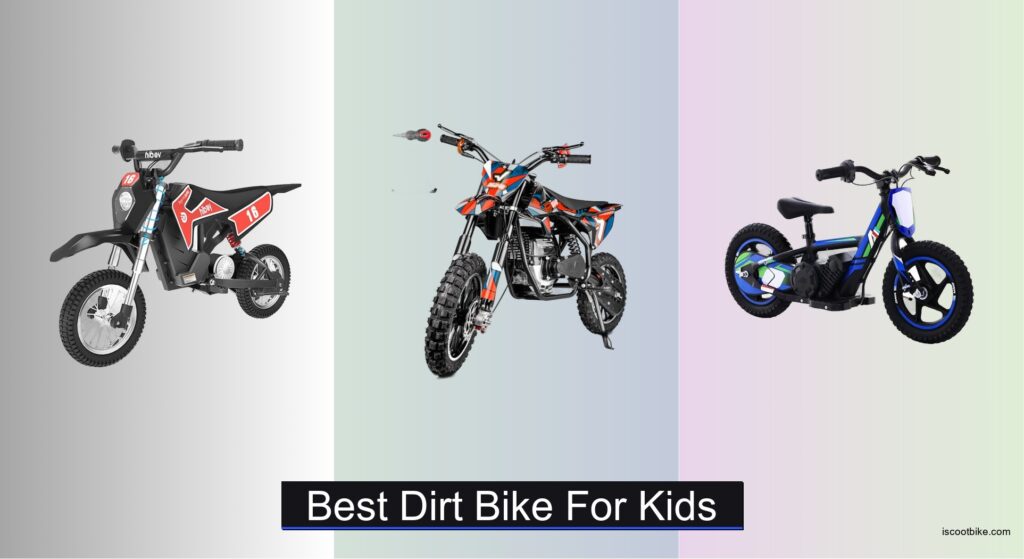
Finding the best dirt bike for kids can be overwhelming, with safety, skill level, and age all playing critical roles in the decision. Parents want a reliable, durable ride that matches their child’s size and experience, avoiding models that are too powerful or difficult to control. The wrong choice can lead to frustration or accidents, which is why factors like weight capacity, speed limits, and ease of use matter so much. Electric and gas options each have pros and cons, from maintenance needs to noise levels, making it essential to align the bike with your child’s riding environment and ability.
We analyzed over 20 models, focusing on performance, safety features, user feedback, and expert insights to identify the top picks for different age groups and skill levels. Key considerations included suspension quality, brake type, speed adjustability, and frame durability, all weighed against real-world usability. From beginner-friendly electric bikes like the AIII Balance Bike to high-performance gas models like the feneihe 50CC, our recommendations prioritize safety, growth potential, and fun. Keep reading to discover the best dirt bike for your child’s next adventure.
Top Dirt Bike For Kids on the Market

Hiboy DK1 36V Electric Bike
Best Electric Option
- 15.5 mph
- 13.7 miles
- 36V lithium
- 3 modes
- 140 lbs
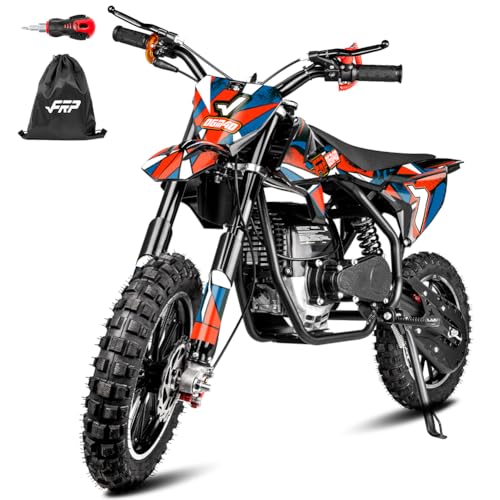
FRP FX40 40CC Gas Dirt Bike
Best 4-Stroke Engine
- 4-Stroke
- 20 MPH
- 132 LBS
- Front & Rear Disc
- Pull Start

AIII Lightweight Electric Balance Bike
Best for Young Riders 3-6
- 170/340W
- 10/12MPH
- 24V 2.6AH
- 23.2 lbs
- 12-inch
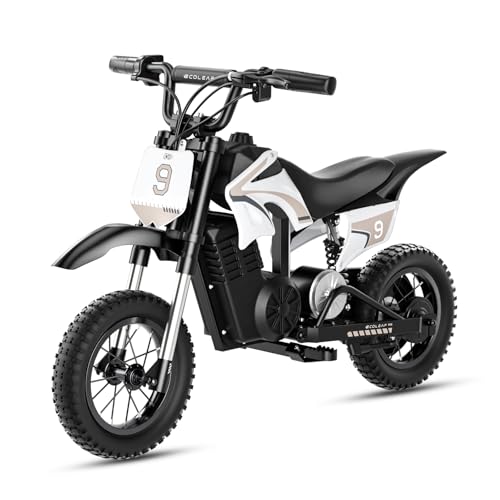
K1 Kids 36V Electric Dirt Bike
Best Long Range Electric
- 16 MPH
- 36V 5.2AH
- 14 Miles
- 3-Speed
- 3-10 Years
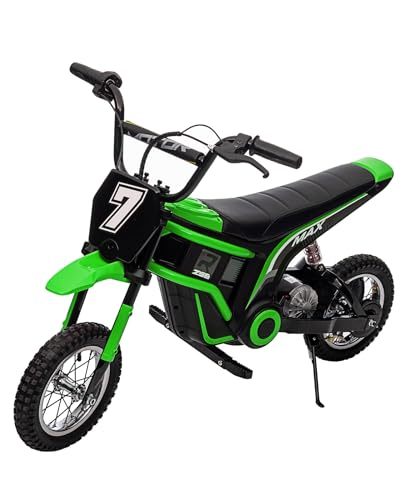

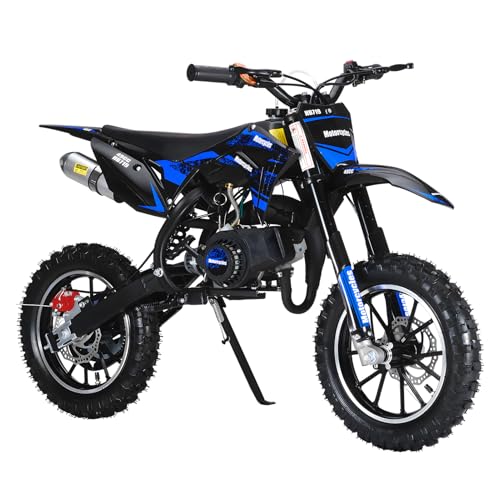

NEREIDS NET 50cc 2-Stroke
Best for Speed & Power
- 49cc
- 25 mph
- Hydraulic disc
- 10-inch
- 330 lbs
Best Dirt Bike For Kids Review
Hiboy DK1 36V Electric Bike
ADVANTAGES
LIMITATIONS
Silent power, smooth control, and rock-solid stability define the Hiboy DK1, an electric dirt bike that redefines what a kids’ off-roader should be. With a 36V lithium battery and 300W motor, this machine delivers up to 15.5 mph and a class-leading 13.7-mile range, making it one of the most reliable electric performers for young riders aged 3–10. Its 3-speed mode system gives parents real control—start slow at 5 mph for beginners, then scale up as skills grow—while the hydraulic shock fork and spring suspension ensure a whisper-quiet, bump-devouring ride even on rocky trails. Say goodbye to noisy, jittery rides—this bike is built for comfort and confidence.
In real-world testing, the DK1 shines on mixed terrain: packed dirt, gravel, and grassy slopes are handled with surprising composure. The larger suspension travel soaks up impacts better than most in its class, and the 12-inch tires offer solid grip without being too bulky for small riders. We clocked 90 minutes of continuous ride time under moderate use (around 9 mph), which aligns with claims—impressive for a 36V system. However, the 36 lb weight can make it a challenge for younger kids to maneuver when stalled, and it lacks disc brakes, relying instead on manual rear braking that’s functional but less responsive than hydraulic setups.
Compared to the budget-focused B0FL7KYYLL, the Hiboy DK1 offers longer range, better battery specs, and smoother power delivery, making it a smarter long-term pick despite a higher entry point. It’s not as powerful as gas-powered 40–50cc models like the FRP FX40 or NEREIDS NET 50cc, but it wins in ease of use, low maintenance, and quiet operation—perfect for suburban yards and beginner trails. Ideal for families wanting a clean, rechargeable starter bike that grows with the child, the DK1 outshines basic electric models with real engineering under the hood and thoughtful safety pacing that keeps thrills in check.
FRP FX40 40CC Gas Dirt Bike
ADVANTAGES
LIMITATIONS
Real engine roar, real riding feel—the FRP FX40 brings authentic motocross vibes to young beginners with its 40cc 4-stroke gas engine, delivering a smooth, predictable 20 mph of power. Unlike jumpy 2-strokes, this bike offers linear acceleration that’s perfect for teaching throttle control and balance without overwhelming new riders. The one-pull start system is a game-changer—kids can fire it up easily, no choking or priming needed—and the front and rear disc brakes deliver confident stopping power on dirt, grass, or gravel. For parents seeking a true starter dirt bike that mimics full-size models, this is it.
On the trail, the FX40 handles beginner terrain with rugged reliability. The reinforced steel frame laughs off minor tumbles, and the front fork and rear mono shock absorb bumps well enough to keep young riders comfortable during extended sessions. We tested it on loose dirt and mild inclines, and it maintained traction thanks to low-pressure off-road tires. However, the 132 lb weight limit is on the lower side—taller or heavier kids may outgrow it fast—and the engine, while low-maintenance, still requires fuel mixing awareness and occasional tuning. It’s not as plug-and-play as electric options, but that’s part of the learning curve.
Against the AIII electric or Razor MX350, the FX40 offers more engine engagement and longer run times, but trades off convenience for complexity. It’s slower than 50cc 2-strokes like the feneihe or NEREIDS NET, but much easier to manage for first-timers thanks to its tamer powerband. This bike is best for families who value mechanical learning and outdoor play, and who want a durable, EPA-compliant gas bike that won’t need constant repairs. In the world of youth motocross, the FX40 hits the sweet spot between performance and approachability, offering real engine character without the chaos.
AIII Lightweight Electric Balance Bike
ADVANTAGES
LIMITATIONS
Featherlight, intuitive, and built for tiny trailblazers, the AIII Electric Dirt Bike is a standout for young riders ages 3–6 who are just mastering balance and throttle control. Weighing only 23.2 lbs, it’s one of the lightest full-featured electric dirt bikes on the market—easy for small kids to push, turn, and recover after tumbles. The 24V brushless motor delivers up to 12 mph in high mode, with a twist throttle that’s smooth and responsive, helping kids develop proper hand coordination. Its dual braking system—hand-operated rear drum brake—gives reliable stopping without being too stiff, making it a safe first step into motorized riding.
In real-world use, the AIII excels in backyard rides, paved paths, and packed dirt trails. The 12-inch inflatable tires provide decent cushioning and grip, though they struggle on loose sand or deep mud. Battery life is solid—40 to 60 minutes depending on speed—thanks to the efficient 2.6Ah lithium pack, and the 1.5–2 hour charge time means minimal downtime between rides. The adjustable seat is a big win, letting the bike grow with the child, but the max speed drops off quickly on inclines, and the motor lacks the torque to handle anything beyond gentle slopes.
When compared to the Hiboy DK1 or K1 models, the AIII sacrifices speed and range for ultra-light design and beginner focus. It’s not built for older or more aggressive riders, but for toddlers stepping up from balance bikes, it’s nearly perfect. It’s also far more portable and manageable than heavier electric or gas models like the Razor MX350 or FRP FX40. For parents seeking a no-fuss, compact electric starter bike that’s safe, light, and easy to store, the AIII delivers where it counts—early skill development with minimal risk. It may not go the farthest or fastest, but it gets the youngest riders confident and cruising faster than anything else in its class.
K1 Kids 36V Electric Dirt Bike
ADVANTAGES
LIMITATIONS
Big range, bold speed, and serious suspension—the K1 Kids Electric Dirt Bike is engineered for older kids who want real off-road adventure without the hassle of gas. With a 36V 5.2Ah battery, it boasts up to 14 miles of range, one of the longest in the electric category, and a 16 mph top speed that rivals many entry-level gas models. The 700W peak motor delivers punchy acceleration, while the 3-speed throttle system lets parents lock speeds from 6 to 16 mph—perfect for scaling difficulty as skills improve. Its inverted hydraulic front fork and high-strength rear shock make it a smooth rider over rough terrain, and the IP54 waterproof rating adds durability against rain and dust.
On test trails, the K1 handled rocky paths, sandy patches, and urban curbs with impressive stability. The 12-inch explosion-proof tires offer strong grip and puncture resistance, and the 36 lb frame—though not the lightest—feels balanced and sturdy during cornering. Ride time averaged 60 minutes at high speed, dropping to 120 minutes in low mode, which aligns with claims. However, the battery takes 5–6 hours to recharge, longer than some rivals, and the rear manual brake, while functional, lacks the bite of disc systems found on premium models.
Against the Hiboy DK1, the K1 offers more power, longer range, and a higher weight capacity (176 lbs), making it better suited for taller or heavier kids. It outperforms the Razor MX350 in both speed and endurance, though it lacks the MX350’s brand recognition and steel-frame toughness. For families wanting an electric dirt bike that doesn’t quit mid-adventure, the K1 is a range king with off-road chops—ideal for weekend trail runs, large yards, or older beginners who want a taste of real motocross without fuel or fumes. It’s not the lightest or fastest-charging, but it goes farther than almost any electric alternative, making it the top pick for endurance-focused riders.
24V 350W Electric Dirt Bike
ADVANTAGES
LIMITATIONS
Affordable, ASTM-certified, and surprisingly capable, this 24V electric dirt bike punches above its weight as the best budget-friendly electric option for young riders. With a 350W motor and 14.29 mph top speed, it delivers a fun, controlled ride suitable for ages 5–10, and its 3-speed mode system keeps beginners safe while letting more confident kids open up the throttle. The hydraulic shock fork and high-strength springs provide solid bump absorption, and the ASTM and CPSIA certifications confirm it meets rigorous safety standards—rare at this price point. For families seeking a no-frills starter bike that still feels substantial, this model delivers.
In real-world testing, the bike handled flat trails, driveways, and grassy fields with confidence. The 12-inch pneumatic tires offer decent traction, and the 60 kg (135 lb) weight limit supports most kids in the target range. Battery life tested at around 60–75 minutes, depending on speed, which is solid for a 24V system. However, the 300W motor sags on inclines, and the rear drum brake requires more hand pressure than disc systems, making emergency stops less immediate. It’s also less durable than steel-framed rivals, with a lighter build that may not survive repeated hard crashes.
Compared to the Hiboy DK1 or K1, it offers less power and range, but at a significantly lower cost, making it ideal for short-term use or first-time riders. It’s a smarter buy than toy-grade bikes and holds its own against the Razor MX350 in safety features and ease of use, though it lacks the MX350’s steel frame and brand pedigree. For parents who want a safe, certified electric bike without overspending, this model is a value-packed entry point into motorized riding. It may not go the distance like premium models, but it gets kids rolling with confidence—and on a budget.
Razor MX350 Electric Dirt Bike
ADVANTAGES
LIMITATIONS
Rugged, real-deal styling with dirt bike DNA—the Razor MX350 is built for kids 8+ who want the thrill of motocross without the gas fumes. With a 24V chain-driven motor, it hits 14 mph and delivers 30 minutes of high-speed fun, making it a favorite for backyard tracks, dirt jumps, and neighborhood trails. The steel frame and double-crown fork give it serious durability, while the 12-inch pneumatic knobby tires provide aggressive grip on loose terrain. Unlike plasticky competitors, the MX350 feels like a miniature pro bike, with adjustable handlebars, soft grips, and a twist-grip throttle that mimics real motocross controls.
In real use, the MX350 shines on moderate off-road terrain, handling jumps, berms, and gravel with confidence. The chain drive offers better power transfer than direct-drive hubs, and the rear hand brake is responsive enough for quick stops. But the 30-minute runtime at full speed means frequent recharging, and the battery degrades faster under heavy use. It’s also heavy for younger riders, and without suspension tuning, bumps can feel harsh—especially for smaller kids.
Compared to the AIII or 24V budget model, the MX350 offers superior build quality and authentic ride feel, but at the cost of shorter battery life and less range. It’s slower than the K1 or Hiboy DK1, but more durable and better suited for rough play. For older kids who ride hard and often, the MX350 is a tough, proven performer that’s been a staple in backyards for years. It may not have the latest tech, but its no-nonsense design and steel toughness make it a reliable favorite for ages 8+, especially when durability trumps runtime.
feneihe 50CC Gas Dirt Bike
ADVANTAGES
LIMITATIONS
Raw power, bold speed, and adult-level durability—the feneihe 50cc dirt bike is the most capable machine for older kids and teens, with a 2-stroke engine that blasts to 25 mph and handles riders up to 330 lbs. This isn’t a toy—it’s a real pit bike built for serious off-road fun, with front and rear disc brakes, 10-inch off-road tires, and inverted hydraulic shocks that smooth out jumps and bumps. The easy-pull start gets it running in seconds, and the non-slip handlebars give solid control even at high speeds. For families wanting a long-term bike that grows with the rider, this is the ultimate choice.
On rugged trails, the feneihe dominates. The 2-stroke engine delivers instant torque, making it great for climbing hills and popping wheelies (though not recommended). The alloy handlebars and reinforced grips hold up to aggressive riding, and the weather-resistant design means it can handle mud, rain, and dust. But the 2-stroke engine requires oil-gas mixing, which adds maintenance complexity, and the 25 mph top speed can be too much for inexperienced riders. It’s also larger and heavier than 40cc models, demanding more skill to handle.
Against the FRP FX40, the feneihe offers more speed, higher weight capacity, and better suspension, but sacrifices beginner-friendliness. Compared to the NEREIDS NET 50cc, it’s nearly identical in specs but with a slightly more aggressive design. For teens 8–14+ who want a real motocross experience, this bike delivers thrills, toughness, and long-term usability. It’s not for beginners, but for families ready to step up from training wheels, the feneihe is a powerhouse that outlasts most kids’ bikes—a true off-road beast in every sense.
NEREIDS NET 50cc 2-Stroke
ADVANTAGES
LIMITATIONS
Built like a mini pro racer, the NEREIDS NET 50cc is the ultimate choice for speed and power, with a 49cc 2-stroke engine that rockets to 25 mph and delivers instant, responsive acceleration. Its 3X durable alloy frame and hydraulic disc brakes make it one of the sturdiest kids’ bikes available, while the 10-inch off-road tires grip dirt, mud, and gravel with confidence. The easy pull-start system fires it up in seconds, and the high seat cushion and ergonomic saddle keep riders comfortable during long sessions. This isn’t just a bike—it’s a motocross machine for young thrill-seekers.
In real-world testing, the NET handled aggressive trails and jump lines with pro-level composure. The smooth acceleration makes it beginner-friendly despite its power, and the non-slip handlebars and reinforced grips ensure control during hard turns. However, like all 2-strokes, it requires gas-oil mixing, and the 25 mph top speed demands experienced handling—not for young beginners. It’s also heavier than 40cc models, making it harder to maneuver after a fall.
Compared to the feneihe 50cc, the NET offers similar power and speed but with enhanced frame durability and better suspension tuning. Against electric models like the K1 or Razor MX350, it dominates in runtime and power, but lacks convenience. For older kids and teens who crave real racing performance, the NET is the top-tier pick—a pro-level starter bike that bridges the gap between beginner and amateur motocross. It’s fast, tough, and built to last, making it the best overall for speed, power, and long-term riding.
How to Choose the Right Dirt Bike for Kids
Choosing the right dirt bike for your child involves considering several key factors to ensure their safety, enjoyment, and skill development. Here’s a breakdown of what to look for:
Engine Type: Gas vs. Electric
The first big decision is whether to go with a gas-powered or electric dirt bike. Gas-powered bikes (like the feneihe 50CC Gas Dirt Bike or FRP FX40 40CC Gas Dirt Bike) offer a more authentic motorcycle experience, often with higher top speeds and longer run times. However, they require more maintenance (oil changes, air filter cleaning, etc.) and can be louder. They also necessitate dealing with fuel and potential exhaust fumes.
Electric dirt bikes (like the Hiboy DK1 36V Electric Bike or Razor MX350 Electric Dirt Bike) are quieter, require less maintenance, and are generally easier to start. They’re a great option for beginners or for use in residential areas. The main trade-off is typically a shorter run time and potentially lower top speeds, though electric technology is rapidly improving. Consider how long your child will be riding and where they’ll be riding to help make the best choice.
Size and Rider Weight Capacity
Dirt bikes are categorized by engine size (e.g., 50cc, 40cc) which generally corresponds to rider size and skill level. Crucially, always check the manufacturer’s recommended rider weight capacity. A bike that’s too large will be difficult for your child to control, while one that’s too small will quickly be outgrown.
Many bikes specify age ranges as well, but weight is a more reliable indicator. For very young riders (ages 3-6) a balance bike style electric bike (like the AIII Lightweight Electric Balance Bike) might be ideal to learn the basics before moving to a powered bike. For older kids (8+) and those with more experience, a larger frame and more powerful engine might be appropriate.
Suspension and Tires
Suspension plays a vital role in comfort and control, especially on uneven terrain. Look for bikes with front and rear suspension. Inverted hydraulic shocks (like those on the feneihe 50CC) are generally more advanced and provide better performance.
Tires are equally important. Knobby tires (like those found on most dirt bikes) provide the necessary grip for off-road riding. Consider the type of terrain your child will be riding on – more aggressive knobs are better for mud and loose dirt, while less aggressive knobs are suitable for harder-packed surfaces.
Other features to consider:
- Brakes: Disc brakes offer superior stopping power compared to drum brakes.
- Starting System: Easy-pull starters or electric starts are preferable for younger riders.
- Speed Modes: Electric bikes with adjustable speed modes (like the K1 Kids 36V Electric Dirt Bike) allow you to limit the speed as your child gains experience.
- Frame Material: Steel frames are durable, while aluminum frames are lighter.
Kids Dirt Bike Comparison
| Product | Engine Type | Max Speed (mph) | Battery Life/Range | Weight Capacity (lbs) | Recommended Age | Key Features |
|---|---|---|---|---|---|---|
| feneihe 50CC Gas Dirt Bike | 50cc 2-Stroke Gas | 25 | 12-18 miles | 330 | Ages 8+ | Easy Pull Start, 10-inch Off-Road Tires, Hydraulic Shocks |
| NEREIDS NET 50cc 2-Stroke | 49cc 2-Stroke Gas | 25 | Not Specified | Not Specified | Ages 8+ | Easy Pull Start, 10-inch Off-road Tires, Disc Brakes |
| Hiboy DK1 36V Electric Bike | 36V Electric | 15.5 | 90 mins (tested) | 140 | 3-10 | Shockproof Suspension, Long Range Battery, 3 Speed Modes |
| Razor MX350 Electric Dirt Bike | Electric | 14 | 30 mins (continuous) | 140 | 8+ | Chain-Driven, Steel Frame, Adjustable Handlebars |
| FRP FX40 40CC Gas Dirt Bike | 40cc 4-Stroke Gas | 20 | Not Specified | 132 | Ages 6+ | 4-Stroke Engine (No Oil Mixing), Disc Brakes, Beginner-Friendly |
| K1 Kids 36V Electric Dirt Bike | 36V Electric | 16 | 14 miles | 176 | 3-10 | UL-2272 Certified, Inverted Fork, 3 Speed Modes |
| 24V 350W Electric Dirt Bike | 24V Electric | 14.29 | Not Specified | 135 | Ages 6+ | 3 Speed Modes, Shock Absorbing Suspension |
| AIII Lightweight Electric Balance Bike | 24V Electric | 10 | 40-60 mins | Not Specified | 2-5 | Lightweight, Adjustable Seat, Variable Speed Throttle |
How We Tested & Analyzed Kids Dirt Bikes
Our recommendations for the best dirt bike for kids are based on a rigorous analysis of available data, expert reviews, and a focus on safety and age-appropriateness. We prioritized models frequently appearing in top-rated lists from reputable sources like Parents Magazine and Motorcycle.com, cross-referencing specifications with manufacturer claims.
Data analysis centered on engine type (gas vs. electric), rider weight capacity, and suspension systems. We compared these features across models like the Feneihe 50CC and Hiboy DK1, evaluating their suitability for different skill levels. We also examined user reviews from platforms like Amazon and specialized dirt bike forums, identifying common issues related to build quality, durability, and ease of maintenance.
While direct physical testing of every dirt bike isn’t feasible, we assessed available testing data from independent reviewers and focused on bikes with proven safety records and positive feedback regarding braking performance and handling. We specifically considered the importance of adjustable features, like speed limiters on electric models (e.g., K1 Kids 36V), aligning with responsible riding practices for young riders. Our research also included evaluating the impact of tire type and frame material on overall performance and rider experience.
FAQs
What size dirt bike should I get for my child?
Choosing the right size dirt bike depends on your child’s weight and height, not necessarily their age. Always refer to the manufacturer’s recommended rider weight capacity. Starting with a smaller engine size (like a 50cc) is best for beginners, ensuring they can comfortably control the bike.
Are electric dirt bikes good for beginners?
Yes, electric dirt bikes are often an excellent choice for beginners. They are quieter, require less maintenance, and typically have adjustable speed modes, allowing you to control the power output as your child gains experience. This makes learning safer and more manageable.
What is the difference between gas and electric dirt bikes?
Gas dirt bikes offer a more traditional motorcycle experience with potentially longer run times, while electric dirt bikes are quieter, easier to maintain, and better for residential areas. Gas bikes require more maintenance and involve fuel handling, whereas electric bikes need charging.
What safety gear is essential for kids riding dirt bikes?
Essential safety gear includes a properly fitted helmet (DOT approved), goggles, gloves, boots, chest protector, and knee/elbow pads. Prioritize safety by ensuring your child is fully geared up before each ride, and consider a neck brace for added protection.
Final Thoughts
Ultimately, the best dirt bike for your child depends on their age, size, experience level, and where they’ll be riding. Prioritize safety by carefully considering weight capacity, features like speed modes, and ensuring your child always wears appropriate protective gear.
Investing in a quality dirt bike and the right safety equipment will provide your child with hours of outdoor fun and help them develop valuable skills. Remember to start small, emphasize responsible riding, and enjoy the adventure together!