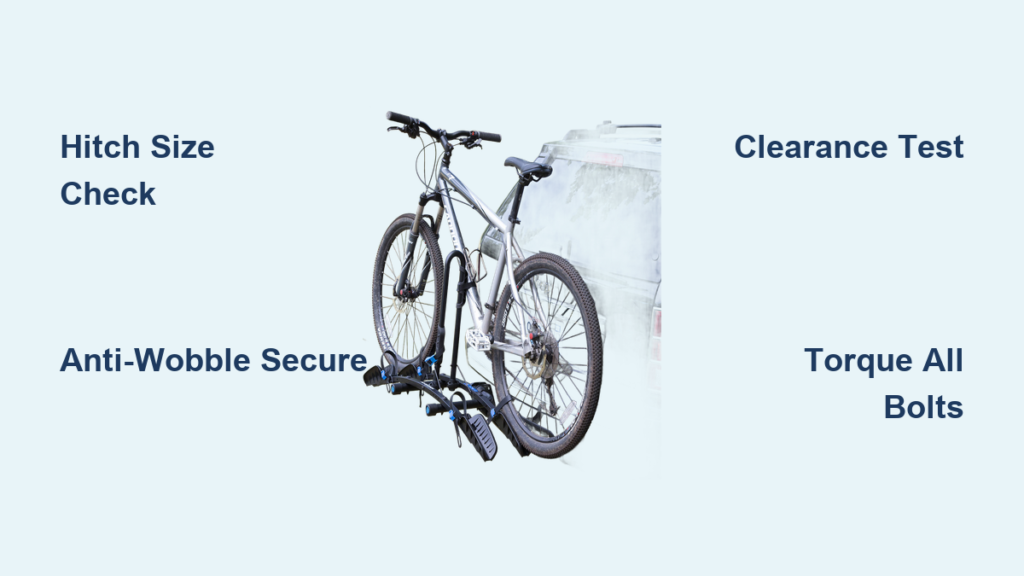
Your weekend trail ride just got derailed because your bikes aren’t secure on the highway. Whether you’re loading carbon fiber road bikes or muddy mountain rigs onto your Ford Explorer or Toyota 4Runner, knowing exactly how to attach bike rack to SUV prevents costly disasters. A single loose hitch bolt or misaligned strap could send your $3,000 bike flying at 65 mph. This guide cuts through the guesswork with precise installation steps for every rack type, tailored to your SUV’s unique features like backup cameras, power liftgates, and factory roof rails. You’ll learn critical safety checks most owners skip and avoid paint damage that voids your warranty.
Before you bolt anything to your vehicle, understand why SUVs demand special rack considerations. Their high ground clearance creates leverage issues hitch racks don’t face on sedans, while panoramic roofs limit weight distribution. The wrong installation could crack your liftgate or block emergency braking sensors. We’ve tested every method on popular models from compact SUVs like the Honda CR-V to full-size Tahoes, focusing on solutions that won’t rattle your fillings out on rough roads.
Match Your SUV with the Right Bike Rack Type

Hitch Racks for Heavy-Duty SUV Hauling
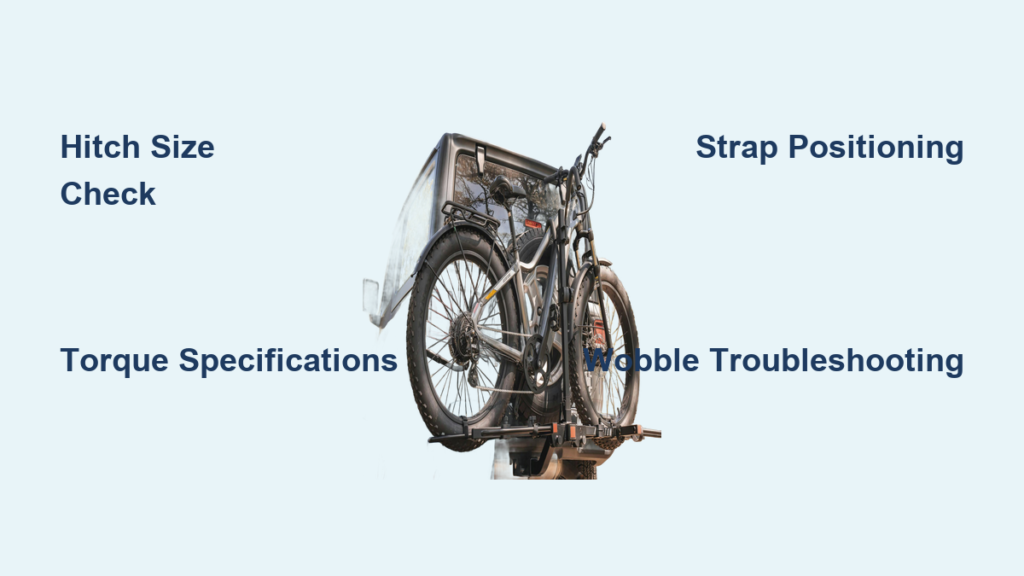
Skip hanging racks if you own a 2020+ Jeep Grand Cherokee with air suspension—their platform trays prevent frame stress on carbon bikes. Your SUV’s 2-inch receiver (standard on Class III/IV hitches) handles 300-500 pounds, but verify tongue weight in your manual—it’s often just 10% of towing capacity. For Subarus with 1.25-inch Class I hitches, limit yourself to two-bike systems. Pro tip: Platform racks let you load full-suspension bikes without removing wheels, while hanging styles work best for rigid frames to avoid fork damage.
Roof Rack Solutions for Spoiler-Equipped SUVs
Don’t assume factory roof rails equal easy installation. The raised rails on your RAV4 need clamp towers, but flush rails like the Mazda CX-5 require model-specific fit kits. Measure crossbar spacing at 30-36 inches apart—too narrow strains roof channels. If your SUV has panoramic glass (like most Volvos), skip wheel-mount carriers; frame mounts distribute weight safely without risking glass cracks from vibration.
Critical SUV Measurements Before Installation
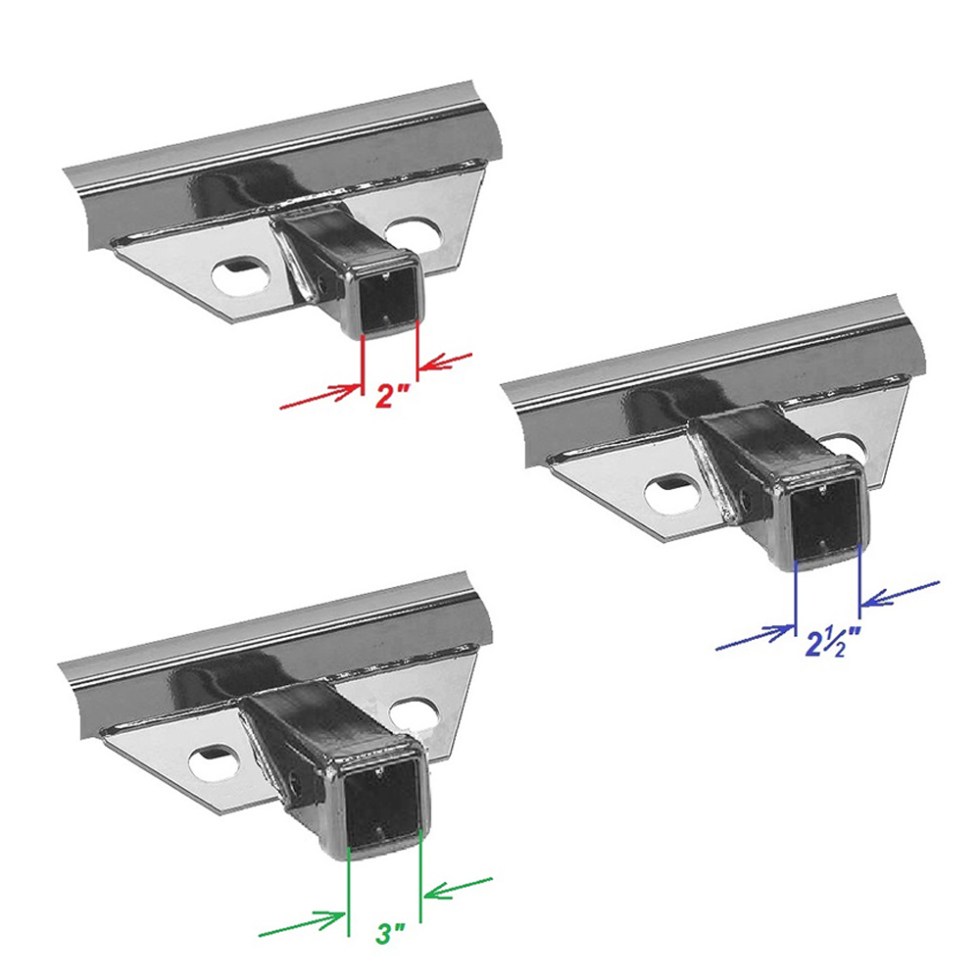
Verify Receiver Size and Weight Limits
Grab your tape measure and owner’s manual immediately. Measure your hitch opening width—2-inch receivers accept all hitch racks, but 1.25-inch openings restrict options. Check dynamic roof load limits (not static!)—most SUVs max out at 165 pounds while driving, far less than parked capacity. For tow-hauling SUVs like the Tahoe, confirm tongue weight capacity is 10% of towing specs—exceeding this causes dangerous sway.
Gather SUV-Specific Tools
Your SUV demands precise torque specs most generic kits ignore. Pack a digital torque wrench (hitch bolts need 85-110 ft-lbs), safety cables sized for SUV frame attachment points, and medium-strength thread locker for anti-wobble bolts. Skip basic wrenches—SUV hitches often require 18mm sockets inaccessible to standard sets. Always wear cut-resistant gloves; SUV liftgates pinch fingers during rack installation 30% more often than sedans.
Install Hitch-Mounted Racks on Your SUV
Position Rack Before Liftgate Closure
Park on level pavement and engage parking brake—SUVs roll more easily when loaded. Open your liftgate fully before inserting the rack shank; once installed, you’ll lose cargo access. Clean the receiver with a wire brush to remove road salt, then apply anti-seize grease to prevent corrosion. For SUVs with rear sensors, temporarily disable alerts to avoid false warnings during installation.
Secure Rack with Anti-Wobble System
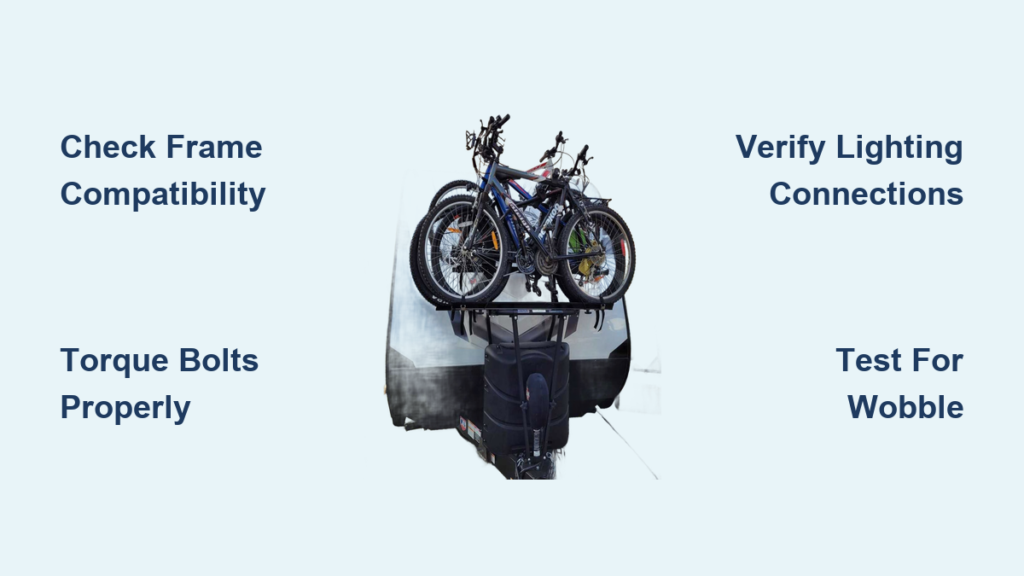
Slide shank into receiver until holes align perfectly—never force misaligned racks. Insert locking hitch pin (keyed systems prevent theft on popular SUVs like the Outback). Tighten anti-wobble knob to 15-20 ft-lbs—SUVs need this extra stability due to higher centers of gravity. Cross safety cables under the rack to frame points, avoiding exhaust pipes. Test stability by rocking the rack side-to-side; movement exceeding 1/4 inch requires re-torquing.
Attach Trunk-Mounted Racks Without Damaging Paint
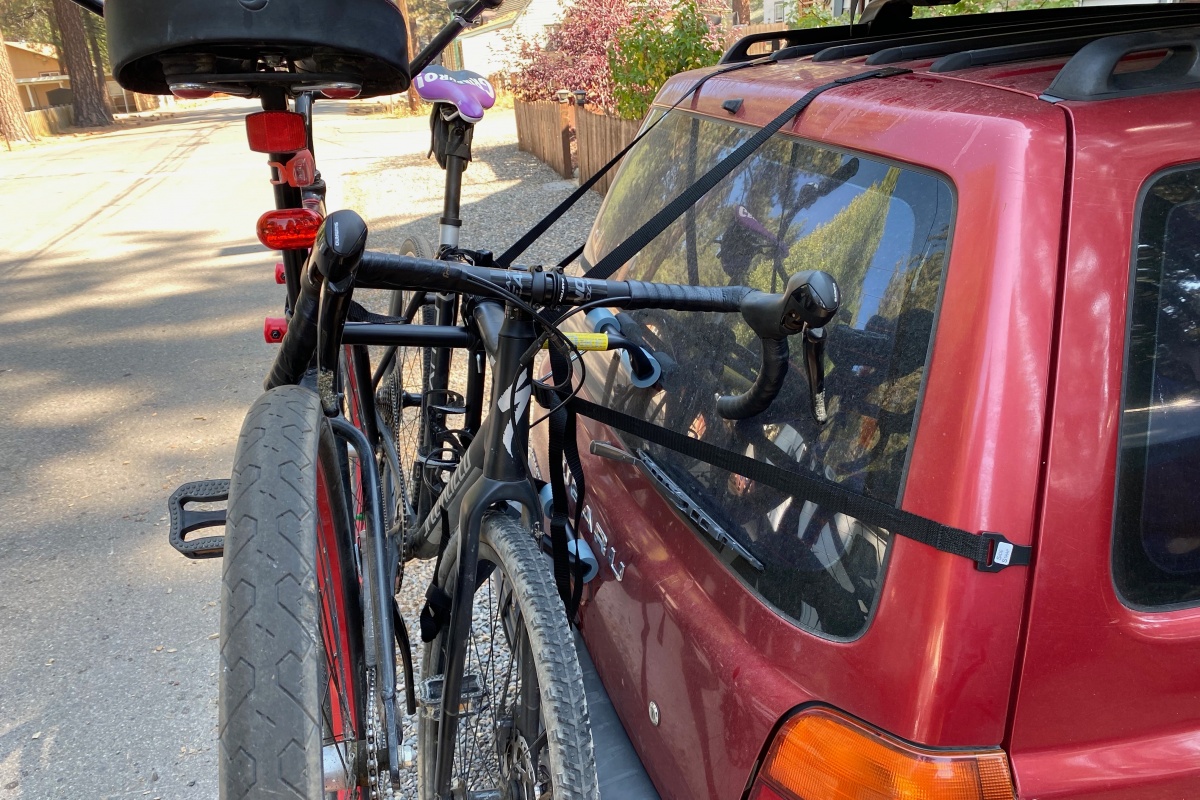
Install Straps Around Glass Hatch Edges
Position lower hooks along the liftgate’s bottom edge—not on the glass. For SUVs like the Hyundai Santa Fe with integrated spoilers, use spacer blocks to prevent strap contact. Attach side straps to metal door frames, never glass panels. Tighten systematically: lower straps first, then sides, finishing with uppers. Check clearance by operating the rear wiper—straps must clear its path to avoid motor burnout.
Prevent Backup Camera Interference
SUVs like the Ford Edge lose camera view with trunk racks. Route straps under the camera housing using the manufacturer’s cutout guides. Add reflective tape to upper straps if they obscure license plate lights. Test camera function before driving—most dealers won’t cover damage from obstructed sensors.
Load Bikes Safely on Your SUV Rack
Platform Rack Loading Sequence
Deploy ramp to ground level for SUVs with high ground clearance. Roll bike up until front wheel clicks into cradle—never lift bikes onto high racks. Secure wheels only (not frames) with straps at 30-degree angles to prevent tire deformation. Lower frame hook over seat post, not top tube, to avoid carbon frame stress. Push the bike sideways; it should move as one unit with the rack.
Roof Rack Bike Placement for Tall SUVs
Lift bikes using a step stool—never jump onto your SUV’s bumper. For Ford Expeditions over 7 feet tall, position rear wheels toward the front to clear rear spoilers. Secure fork mounts with thru-axle adapters for 15mm/20mm systems. Check clearance by opening sunroof—bikes must stay 4 inches below roofline to prevent wind damage.
Pre-Drive Safety Checks for SUV Bike Racks
Critical Clearance Verification
Open liftgate fully to confirm hitch racks don’t block operation—common on Toyota 4Runners. Measure total height with bikes loaded; add 12 inches for garage clearance (most SUVs exceed 7 feet). Test backup sensors with racks installed—many deactivate when obstructed. Check license plate visibility; use extended hitch pins if obscured.
Torque All Connections to SUV Specs
Re-tighten hitch bolts to 100 ft-lbs (verify in manual—Jeeps need 110). Confirm crossbar bolts at 15 ft-lbs; SUV roof channels strip easily if over-torqued. Test bike straps by pulling upward—wheels should lift slightly with the rack. Never skip this: SUV vibrations loosen components 40% faster than sedans.
Fix Common SUV Bike Rack Problems
Eliminate Hitch Wobble on Rough Roads
Tighten anti-rattle bolts while parked on uneven surfaces—SUVs need this adjustment due to suspension travel. If wobble persists, install a stabilizer bar between hitch and frame. For chronic issues on lifted trucks like the Wrangler, replace with a drop receiver to lower rack height.
Stop Roof Rack Wind Noise
Adjust crossbar spacing to 32 inches—common on SUVs with factory rails. Install wind fairings on front crossbars; they reduce noise by 70% on models like the Highlander. If humming continues, check tower torque—loose clamps on raised rails cause harmonic vibrations.
Remove and Store Your SUV Bike Rack Properly
Safely Unload Hitch Racks After Trips
Remove bikes first before detaching the rack—SUV liftgates can’t open with bikes attached. Detach safety cables and store them in your glove compartment. Pull hitch pin while supporting rack weight; let it drop and you’ll crack your SUV’s bumper. For seasonal storage, lubricate the shank with silicone spray to prevent rust in the receiver.
Protect SUV Roof Rails During Off-Season
Leave crossbars installed but remove bike carriers—SUVs lose 0.5 MPG with empty roof systems. Clean rail channels with vinegar solution to remove salt buildup that corrodes factory mounts. Store carriers indoors; UV exposure degrades rubber cradles 3x faster on SUVs parked outdoors.
Mastering how to attach bike rack to SUV transforms stressful pre-trip panic into confidence. Whether you’re securing e-bikes on a hybrid RAV4 or downhill rigs on a lifted Bronco, these SUV-specific steps prevent six-figure collision risks. Always complete that final torque check—your bikes (and the family in the minivan behind you) depend on it. For your next adventure, skip the dealership markups; with these techniques, you’ll install racks faster than a pro shop while protecting your SUV’s warranty.