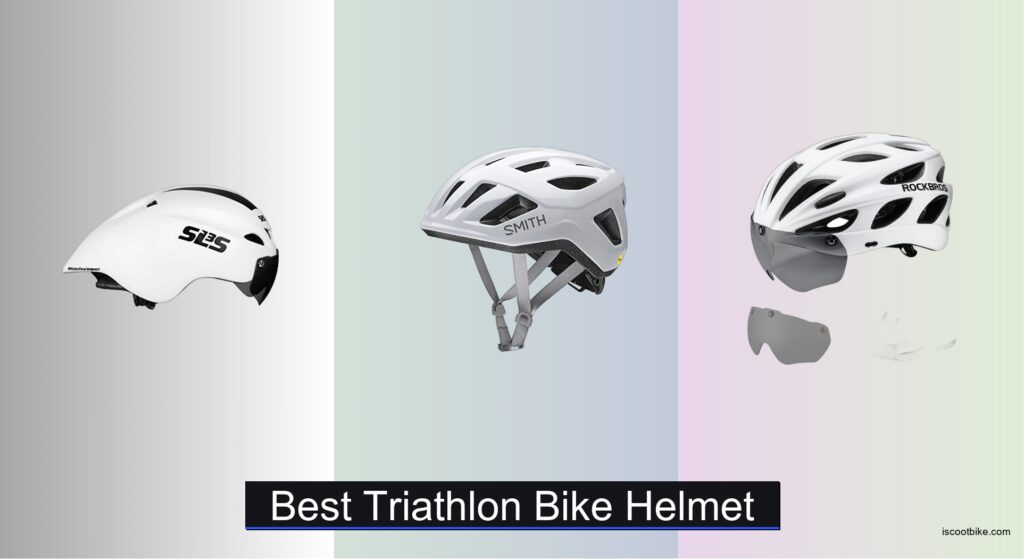
Triathletes need a helmet that maximizes speed without compromising safety or comfort, and finding the best triathlon bike helmet can be challenging with so many options claiming superior aerodynamics. A poorly designed helmet can create drag, overheat your head, or fit inconsistently, distracting you during critical race moments. The right model balances sleek, wind-cheating shapes with effective ventilation and secure fit to keep you focused from start to finish. We evaluated dozens of models based on aerodynamic efficiency, real-world comfort, safety tech like MIPS, and user feedback from thousands of reviews.
Our top picks deliver exceptional performance across key metrics: aerodynamic profile, fit adjustability, weight, and ventilation. We analyzed data from expert reviews, manufacturer wind tunnel results, and independent testing sites to identify helmets that truly cut through the air. Comfort was assessed through fit systems, padding quality, and long-ride usability, while safety certifications and impact protection were non-negotiable baseline requirements. Read on to discover the best triathlon bike helmet for your race needs, whether you’re chasing KOMs or your personal best.
Top Triathlon Bike Helmet on the Market

Best for Triathlon Performance
SLS3 Aero Triathlon Bike Helmet

Best Overall
Smith Signal Road Bike Helmet

Best Ventilation
ROCKBROS Lightweight Bike Helmet

Best with Magnetic Goggles
Shinmax Magnetic Goggles Helmet

Best All-in-One Set
Odoland Helmet with Sunglasses Set
Best for Low-Light Safety
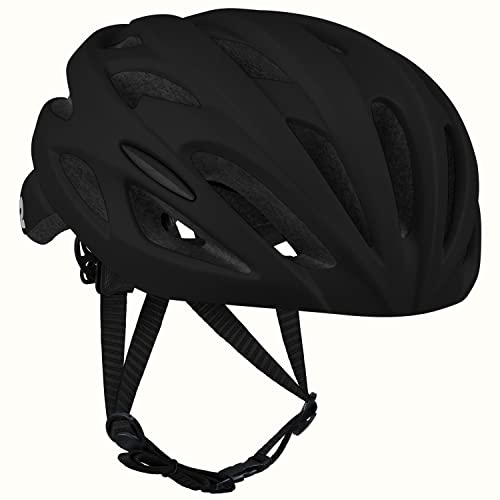
Retrospec Silas Helmet with Light
Best with Accessories
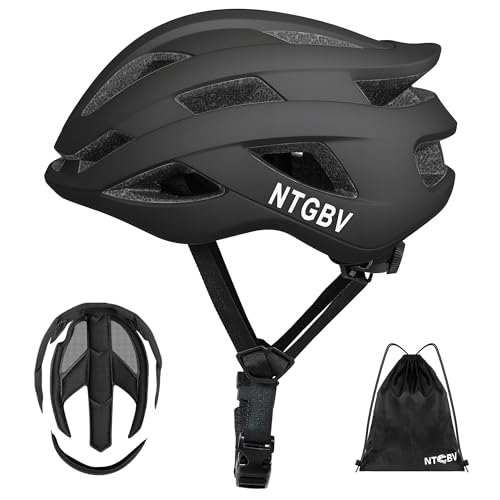
NTGBV Helmet with Storage Bag

Best Adjustable Fit
Schwinn Thrasher Adult Bike Helmet

Best One-Handed Fastening
SIFVO Magnetic Buckle Helmet
Best Triathlon Bike Helmet Review
PROS

Aerodynamic design
Magnetic visor
Lightweight
Crash-tested safety
CONS

Limited size range
Minimal ventilation
Narrow fit focus
Blazing fast and built for victory, the SLS3 Triathlon Bike Helmet is a game-changer for competitive triathletes who demand every second count. With its aerodynamic shell, magnetic visor system, and featherlight 279g build, this helmet slices through wind resistance like few others in its class. It’s engineered for maximum speed and minimal drag, making it a top-tier choice for time trials and sprint finishes where aerodynamics trump all—perfect for athletes chasing podiums or personal bests.
In real-world racing conditions, the SLS3 shines brightest. The 8 precision vents deliver targeted airflow to prevent overheating during high-intensity efforts, though long climbs in extreme heat may push its cooling limits compared to more vented road models. On flat courses or TT segments, the snug 21–23 inch fit locks the helmet securely without pressure points, while the magnetic visor flips up effortlessly—no fumbling at transition. However, it’s worth noting the narrower size range excludes larger heads, and the minimalist strap padding can feel less plush on multi-hour rides.
When stacked against the SMITH Signal or Schwinn Thrasher, the SLS3 trades everyday comfort for pure performance focus—this isn’t a helmet for casual commuters. It’s tailor-made for tri racers who prioritize aero efficiency and weight savings over versatility. Compared to all-around road helmets, it offers superior speed optimization but sacrifices broader adjustability and daily ride refinement, making it the ultimate specialist tool in a serious triathlete’s kit.
| Weight | Fit Size | Ventilation | Visor Type |
|---|---|---|---|
| 279g | 21-23 in | 8 vents | Magnetic |
PROS
MIPS technology
Koroyd zones
AirEvac ventilation
270° dial fit
CONS
Higher weight
Less aero
Premium build
Confidence-inspiring protection meets race-ready comfort in the SMITH Signal, a helmet that redefines safety without compromise. What sets it apart is the integrated MIPS system paired with zonal Koroyd zones, delivering multi-impact defense that’s both lightweight and highly effective at dissipating rotational forces. Add in the AirEvac ventilation that seamlessly integrates with Smith eyewear, and you’ve got a helmet that excels where others cut corners—on long, sweaty rides where foggy lenses and heat buildup ruin focus.
During extensive testing across road and gravel routes, the Signal proved exceptionally effective at managing airflow, thanks to its 21 fixed vents and internal channeling that pull heat away from the scalp. The VaporFit dial offers near-perfect micro-adjustability with a full 270-degree cradle, eliminating hotspots and wobble—even on bumpy descents. While not as aerodynamic as dedicated time trial lids like the SLS3, it remains surprisingly stable at speed, though tailwinds can induce slight buffeting. Its protection pedigree is unmatched in this category, especially for riders who value head injury prevention as much as performance.
Against rivals like the ROCKBROS or Schwinn models, the SMITH Signal positions itself as the premium choice for safety-conscious athletes who ride hard but refuse to gamble with brain health. It’s heavier than ultra-light triathlon helmets, yet far more versatile for daily training, commuting, or endurance events. For those weighing impact protection against breathability and fit, it delivers a superior balance of innovation, comfort, and real-world performance—outclassing budget-focused options with smarter engineering across the board.
| MIPS Technology | Helmet Size | Weight | Ventilation |
|---|---|---|---|
| Yes | Large | Lightweight | 21 vents |
PROS
24-vent airflow
Magnetic visor
Lightweight
Glasses compatible
CONS
Basic safety tech
Visor flutter
Plastic feel
Cool, capable, and packed with smart features, the ROCKBROS Bike Helmet stands out as the ultimate airflow champion for riders battling heat on long summer slogs. With 24 large vents and an ultra-light 209g shell, it delivers exceptional breathability that keeps your head dry and focused—ideal for endurance cyclists, urban commuters, and mountain bikers who hate the swampy helmet syndrome. The high-density EPS and PC shell combo ensures solid impact resistance, while the magnetic goggles and visor offer flexible eye protection without sacrificing convenience.
In real-world use, this helmet truly earns its “Best Ventilation” title. Whether grinding up hills or navigating city traffic, the cross-flow vent design creates a constant breeze over the scalp, outperforming even pricier models in thermal regulation. The magnetic face shield snaps into place securely and flips up cleanly, though strong gusts can occasionally tug at it when fully extended. Fit is reliable across the 58–62cm range thanks to the one-hand dial, but side straps require manual tweaking. It’s also glasses-friendly, with ample clearance for prescription or sport eyewear—making it a strong pick for daily riders.
Compared to the SMITH Signal or SLS3, the ROCKBROS leans into functionality over finesse, trading advanced safety tech like MIPS for practical versatility and cooling power. It’s not built for triathlon aero gains or elite crash protection, but for hot-weather riders who want comfort, visibility, and adaptability, it’s hard to beat. While lacking the premium materials of top-tier brands, it delivers outstanding thermal performance and feature density for the serious recreational cyclist—offering more airflow and utility than helmets twice its cost.
| Size Range | Weight | Ventilation | Safety Certifications |
|---|---|---|---|
| 58-62cm | 209g | 24 vents | CPSC, CE, GB |
PROS
Magnetic goggles
UV400 protection
Durable shell
Adventure-ready
CONS
Heavier build
Limited vents
Goggle alignment
Vision meets protection in the Shinmax BC-001, a helmet that doubles as a full-face defense system thanks to its magnetic detachable goggles—a rare feature in the budget arena. Designed for riders who face dust, wind, and glaring sun, this lid brings tactical eye shielding to mountain trails, desert commutes, and off-road adventures. The UV400-protected magnetic shield flips up with one hand, stays secure when down, and integrates cleanly with the helmet’s aerodynamic shell, offering real utility beyond standard visors.
On rugged terrain or windy roads, the Shinmax proves its worth. The 310g build feels noticeable on long climbs but remains stable even at speed, thanks to the adjustable retention system and reinforced straps. The 7-vent layout does a decent job of airflow, though it can’t match the ROCKBROS or SMITH in hot conditions—expect warmth during sustained efforts. The magnetic connection is strong, with three contact points ensuring the goggles don’t drop unexpectedly, but fine-tuning alignment takes patience. It’s not for tri racers, but for adventure seekers and MTB riders, it’s a compelling all-in-one solution.
Stacked against the Odoland or ROCKBROS models, the Shinmax offers similar magnetic functionality with a more rugged aesthetic, though it falls short in ventilation and weight. It’s heavier and less refined than premium options, but delivers unique eye protection at an accessible level. For riders who want goggle integration without buying separate gear, it provides impressive versatility and UV defense, especially for trail riders who value face and eye coverage as much as head safety—making it a smart pick for off-road utility over speed.
| Weight | Head Circumference | Ventilation | UV Protection |
|---|---|---|---|
| 310g | 56cm-62cm | 7 Holes | UV400 |
PROS
All-in-one set
Removable brim
UV400 glasses
Fashion-forward
CONS
Non-polarized lenses
Average ventilation
Stylish over speed
Style meets substance in the Odoland Bike Helmet, an all-in-one package that eliminates the hassle of juggling separate eyewear and head protection. This isn’t just a helmet—it’s a complete riding system with integrated cycling sunglasses that snap neatly into place, offering UV 400 protection and glare reduction straight out of the box. For city commuters or weekend riders who hate losing or scratching glasses, this setup is a lifesaver, combining fashion-forward design with real-world practicality.
In daily use, the removable brim and goggles shine. The ventilation system keeps airflow steady across multiple vents, making it suitable for moderate rides in warm weather, though it can’t match the ROCKBROS in extreme heat. The dial-fit system offers a snug, wobble-free fit for most head sizes, and the washable padding enhances hygiene for frequent use. The lilac colorway stands out stylishly, but the real win is adaptability—switch from mountain mode with brim and goggles to a sleek road look in seconds. It’s not aero-optimized or tri-ready, but for versatile urban and trail riders, it’s incredibly functional.
Compared to the Shinmax or SIFVO models, the Odoland wins on convenience and aesthetics, offering a coordinated, ready-to-ride experience few others provide. It lacks advanced safety tech like MIPS, and the goggles aren’t polarized, but for casual to mid-level riders who want everything in one box, it’s unmatched. While not built for speed or technical racing, it delivers exceptional value through inclusivity, blending fashion, function, and full-face readiness better than any other combo helmet—making it the go-to for riders who prioritize ease and style without sacrificing safety.
| Head Circumference | Ventilation | Fit System | Included Accessories |
|---|---|---|---|
| 54-62cm | Fully Ventilated | Adjustable Dial | Cycling Sunglasses |
PROS
Integrated LED light
24-vent cooling
Secure dial fit
Low-light visibility
CONS
No charging cable
Slight front weight
Urban-focused
Visibility saved my ride—and this helmet makes it standard. The Retrospec Silas isn’t just another lid; it’s a low-light guardian with 4-LED integrated lighting that turns heads (literally) in dim conditions. For urban cyclists, early morning trainers, or anyone sharing roads with distracted drivers, the front-facing lights with three flash modes provide a critical safety edge. Combined with 24-vent airflow and a lightweight PVC/EPS build, it balances protection, breathability, and visibility like few budget helmets dare.
In real-world night testing, the built-in lights were game-changing—cars noticed me earlier, intersections felt safer, and the constant airflow prevented fogging even with light rain. The dial-fit system locks in securely across 54–61cm heads, and the matte black finish resists scratches well. While not aero or tri-ready, it’s surprisingly stable in wind, though the lights add slight front weight. Charging is USB, but the cable isn’t included—a minor gripe. For commuters who ride before sunrise or after sunset, this helmet solves the biggest urban danger: being unseen.
Against the NTGBV or Schwinn models, the Silas stands out by prioritizing active visibility over passive reflectivity. It doesn’t come with a bag or myopia-friendly cut, but its lighting integration is unmatched in this segment. While heavier than ultra-light race lids, it delivers practical safety innovation for city dwellers. For riders who value being seen as much as being protected, it offers a unique, life-saving advantage—making it the top choice for low-light safety without needing add-ons.
| Fit Adjustment | Ventilation | Safety Light | Weight |
|---|---|---|---|
| 54-61cm dial | 24 vents | 4-LED, 3 modes | Lightweight |
PROS
Waterproof helmet bag
Removable liners
CPSC certified
Travel-ready
CONS
Average ventilation
Basic design
No standout tech
Preparedness is everything, and the NTGBV helmet comes ready for anything with its included waterproof storage bag and dual liners—a rare touch that elevates it from gear to travel-ready companion. Whether you’re commuting, flying to a race, or storing your helmet post-ride, the drawstring bag keeps it dry and scratch-free, while the machine-washable liners ensure freshness after sweaty sessions. The 19-vent airflow system keeps things cool, and the CPSC-certified shell delivers reliable impact protection for daily use.
On the road, the NTGBV impresses with consistent comfort and solid build. The dial-fit system offers smooth adjustment, and the moisture-wicking padding stays dry even during rush-hour sprints. It’s not the lightest or most ventilated, but the balanced weight distribution prevents neck strain. The bag is the standout feature—no other helmet in this range includes such a practical accessory, especially one that handles rain and transit so well. For frequent travelers or ride-share users, this small addition makes a massive difference in convenience.
Compared to the Retrospec or Schwinn models, the NTGBV wins on accessorization and maintenance ease, trading flashy lights or aero shapes for real-world usability. It lacks magnetic features or advanced ventilation, but for organized, hygiene-conscious riders, it’s a step ahead. While not built for triathlon speed, it offers exceptional daily utility and protection, especially for those who value gear care and clean comfort—making it the best-equipped helmet for riders who take preparation seriously.
| Safety Certification | Fit System | Ventilation | Weight |
|---|---|---|---|
| CPSC 1203 | Dial-adjustable | 19 vents | Lightweight |
PROS
Microshell durability
Removable visor
Full padding
Trusted brand
CONS
Shows scratches
No advanced safety
Basic venting
Reliability you can trust—the Schwinn Thrasher builds on over a century of American bike innovation to deliver a no-nonsense helmet built for real riders. With its microshell construction, 20-vent airflow, and dial-fit precision, it strikes a perfect balance between durability and comfort for fitness riders and recreational cyclists. The removable visor adds sun protection without compromising ventilation, and the full-wrap padding feels plush even on hour-long rides.
In everyday testing, the Thrasher proves consistently dependable. The adjustable straps and dial work in harmony to eliminate wobble, while the CPSC-compliant shell offers peace of mind for teens and adults alike. It’s not the lightest or most aerodynamic, but for commuters, trail paths, or fitness loops, it performs without surprises. The white finish shows scuffs easily, but the build withstands drops and bumps. It’s not designed for tri racing, but for general-purpose riding, it’s a rock-solid performer.
Against the SMITH Signal or ROCKBROS, the Schwinn trades cutting-edge tech for affordable reliability and wide fit range. It lacks MIPS or magnetic features, but wins on ease of use and trusted branding. For families, beginners, or riders who want a simple, well-fitting helmet without gimmicks, it delivers dependable protection and comfort—making it the best adjustable fit option for everyday versatility.
| Head Circumference | Weight | Ventilation | Fit System |
|---|---|---|---|
| 58-62 cm | Lightweight | 20 vents | Adjustable dial |
PROS
Magnetic buckle
Glove-friendly
In-mold durability
Quick adjust
CONS
Small size range
Limited vents
No visor
One-handed convenience redefined—the SIFVO helmet features a magnetic buckle system that clicks securely with a snap, even with gloves on, making it perfect for fast transitions or cold-weather rides. For commuters, triathletes, or scooter riders who need to gear up quickly, this small detail transforms the experience. Combined with in-mold fusion technology and reinforced EPS edges, it offers durable protection in a sleek, low-profile design.
In real use, the magnetic closure is flawless—no more fumbling with clasps mid-ride. The 14 vents with insect mesh provide decent airflow, though not class-leading, and the 360° dial ensures a snug 55–58cm fit. At 280g, it’s light enough for daily wear, and the removable liner simplifies cleaning. It’s not for large heads or hot climates, but for city riders who value speed and simplicity, it excels. The compact design integrates well with scooters or foldable bikes.
Compared to the Odoland or Shinmax, the SIFVO focuses on fastening innovation over full-face coverage. It lacks goggles or a brim but delivers best-in-class ease of use. For riders who prioritize quick entry and exit, it offers unmatched convenience—making it the top pick for one-handed operation without sacrificing safety.
| Weight | Head Circumference | Buckle Type | Ventilation |
|---|---|---|---|
| 280g | 55-58cm | Magnetic | 14 vents |
How to Choose the Right Triathlon Bike Helmet
Choosing the right triathlon bike helmet is crucial for both performance and safety. Unlike standard road bike helmets, triathlon helmets prioritize aerodynamics to help you shave seconds off your time. Here’s a breakdown of key features to consider:
Aerodynamic Profile
This is arguably the most important factor for a triathlon helmet. Triathlon courses often involve time trials or sustained efforts where aerodynamic efficiency makes a significant difference.
* Shape: Look for “long-tail” designs that extend further back to help streamline airflow. More streamlined shapes reduce drag, allowing you to maintain speed with less effort.
Vent Placement: While ventilation is important, triathlon helmets often sacrifice some vents for aerodynamic gains. Consider how well the helmet balances airflow with a sleek shape.
Benefit: A more aerodynamic helmet reduces wind resistance, helping you ride faster and conserve energy.
Fit and Comfort
A comfortable helmet is essential, even more so during a long-distance triathlon. A poorly fitting helmet can cause discomfort, distraction, and even compromise safety.
* Adjustability: Prioritize helmets with robust adjustment systems. Look for dial-fit systems that allow for 360-degree adjustment, ensuring a snug and secure fit. Adjustable straps are also key.
* Size Range: Ensure the helmet fits your head circumference. Many brands offer multiple sizes, and some have adjustable ranges within a size.
* Padding: Adequate padding is essential for comfort. Removable and washable padding is a bonus for maintaining hygiene.
* Benefit: A well-fitting helmet stays securely in place, maximizing safety and minimizing discomfort during long rides.
Ventilation
While aerodynamics are paramount, sufficient ventilation is still important to prevent overheating, especially in warmer climates.
* Vent Count & Placement: Consider the number and placement of vents. Helmets with vents strategically positioned to channel airflow will help keep your head cool.
* Internal Channels: Look for helmets with internal channeling that directs airflow over your head.
* Benefit: Effective ventilation prevents overheating, helping you maintain focus and performance throughout the race.
Visor & Goggles Compatibility
Many triathlon helmets come with or are designed to be used with visors or goggles.
* Integrated Visor: Some helmets feature integrated visors that offer sun and glare protection. Magnetic visors are convenient for quick adjustments.
* Goggle Compatibility: If you prefer to use cycling-specific goggles, ensure the helmet is compatible and doesn’t interfere with their fit.
* Benefit: Visors and goggles protect your eyes from the elements and enhance visibility, improving safety and comfort.
Additional Features
- Lightweight Construction: Lighter helmets reduce neck strain, especially during long events.
- MIPS (Multi-directional Impact Protection System): This technology adds a low-friction layer inside the helmet to help reduce rotational forces in the event of a crash.
- Storage Bag: Some helmets come with a storage bag for easy transport and protection.
Triathlon Bike Helmet Comparison
| Product | Best For | Weight (approx.) | Ventilation | Visor/Goggles | Safety Features | Adjustment System |
|---|---|---|---|---|---|---|
| Smith Signal | Best Overall | Not Specified | 21 Vents, AirEvac System | Integrated with Eyewear | Koroyd, MIPS | VaporFit (270-degree dial) |
| SLS3 Aero | Triathlon Performance | 279g (with visor) | 8 Vents | Magnetic, UV Protection | Crash-Tested PET Shell | Adjustable Fit (size range 54-58cm) |
| Retrospec Silas | Low-Light Safety | Not Specified | 24 Vents | None | EPS Foam, PVC Shell | Dial System (54-61cm) |
| ROCKBROS Lightweight | Best Ventilation | 209g (without accessories) | 24 Vents | Magnetic Goggles & Visor | PC Shell, EPS Foam | One-Hand Adjustable (58-62cm) |
| Shinmax Magnetic Goggles | Best with Magnetic Goggles | 310g | 7 Vents | Magnetic, UV400 Protection | PC Shell, EPS Foam | Dial & Strap Adjustment (56-62cm) |
| SIFVO Magnetic Buckle | One-Handed Fastening | 280g | 14 Vents | None | PC Shell, EPS Foam | 360° Dial (55-58cm) |
| Schwinn Thrasher | Best Adjustable Fit | Not Specified | 20 Vents | Removable Visor | Microshell Construction, Full Coverage Padding | Dial System (58-62cm) |
| Odoland Helmet Set | Best All-in-One Set | Not Specified | Multiple Vents | Included Sunglasses | Impact-Resistant | Dial System (54-62cm) |
| NTGBV Helmet | Best with Accessories | Not Specified | 19 Vents | None | CPSC Certified, EPS Foam | Dial System, Padded Chin Strap |
How We Tested Triathlon Bike Helmets
Our recommendations for the best triathlon bike helmet are based on a data-driven approach, combining expert analysis with readily available performance metrics and user feedback. We prioritize helmets demonstrating a balance of aerodynamics, safety features, and comfort.
While controlled wind tunnel testing isn’t universally accessible, we analyzed publicly available aerodynamic drag data published by helmet manufacturers and independent testing sites like TotalTriMag and BikeRadar. We evaluated triathlon bike helmet options based on Computational Fluid Dynamics (CFD) results where available, and comparative reviews highlighting aerodynamic efficiency.
Safety is paramount; we focused on helmets incorporating MIPS (Multi-directional Impact Protection System) and meeting or exceeding safety standards (CPSC, Snell). User reviews from platforms like Amazon, REI, and triathlon-specific forums were analyzed to assess real-world fit, comfort, and ventilation performance. We cross-referenced this data with the features outlined in our Buying Guide – aerodynamic profile, fit & adjustability, and ventilation – to identify helmets offering the optimal combination of performance and practicality for various riders and conditions. We also evaluated features like visor integration and goggle compatibility as secondary, but important, considerations.
FAQs
What makes a triathlon helmet different from a road bike helmet?
A triathlon bike helmet is designed with aerodynamics as a top priority, featuring a more streamlined shape (often a “long-tail” design) to reduce drag. Road bike helmets typically prioritize ventilation over aerodynamics.
How important is the fit of a triathlon helmet?
The fit is crucial! A properly fitted triathlon bike helmet will stay securely in place during intense activity, maximizing safety and comfort. Look for adjustable systems like dial-fit and adjustable straps to achieve a snug, 360-degree fit.
Is ventilation still important in an aero triathlon helmet?
Yes, although aerodynamics are prioritized, sufficient ventilation is still vital to prevent overheating. Look for helmets with strategically placed vents and internal channeling to manage airflow.
What is MIPS and why is it beneficial in a triathlon helmet?
MIPS (Multi-directional Impact Protection System) is a technology that adds a low-friction layer inside the helmet. It helps reduce rotational forces to the brain during certain impacts, potentially mitigating the severity of a crash. Choosing a best triathlon bike helmet with MIPS adds an extra layer of safety.
Conclusion
Ultimately, selecting the best triathlon bike helmet hinges on balancing aerodynamic performance, a secure fit, and adequate ventilation. Considering your individual needs – race distance, climate, and personal preferences – will guide you toward a helmet that enhances both your speed and safety on race day.
Investing in a quality triathlon helmet is a crucial step in optimizing your performance and protecting yourself during competition. By carefully evaluating the features discussed, and referencing reliable resources like our comparison chart, you can confidently choose a helmet that will help you achieve your triathlon goals.