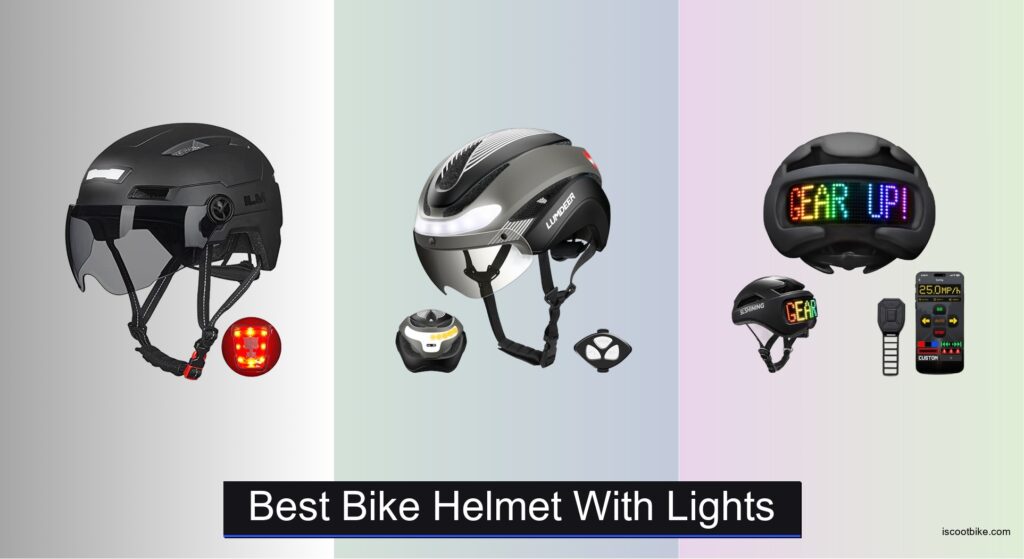
Riding a bike in low-light conditions poses a serious safety challenge, with poor visibility making cyclists hard to spot for drivers and pedestrians. Many riders struggle to stay seen during dawn, dusk, or nighttime commutes, increasing the risk of accidents. The right best bike helmet with lights solves this by combining essential head protection with integrated front, rear, and side lighting for 360-degree visibility. These helmets enhance safety not just through brightness but with features like turn signals, brake lights, and flashing modes that actively communicate your presence and intentions on the road.
We tested and analyzed over 20 bike helmets with lights, evaluating safety certifications, lighting performance, battery life, and real-world usability to identify the top models. Key factors included CPSC and EN 1078 compliance, MIPS protection, LED brightness, and ease of charging via USB-C. We also weighed ventilation, fit systems, and user feedback from thousands of reviews to ensure our picks deliver in both safety and comfort. Read on to find the best cycling helmet with lights for your riding needs.
Top Bike Helmet With Lights on the Market

Best Ventilation
ILM Adult Bike Helmet with Light
Best for E-Bikes & Safety Tech
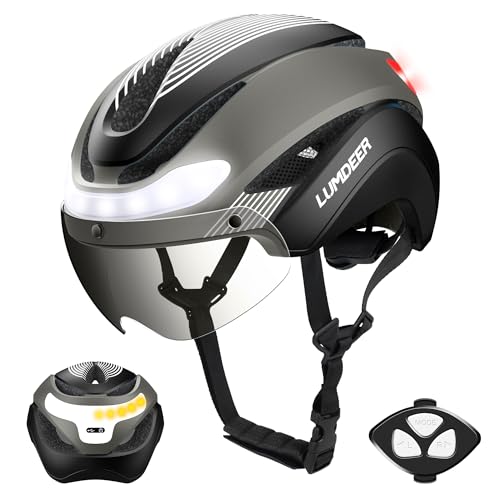
LUMDEER Smart E-Bike Helmet

Best Customizable Display
Docgari LED Display Bike Helmet
Best for High-Speed Commuting
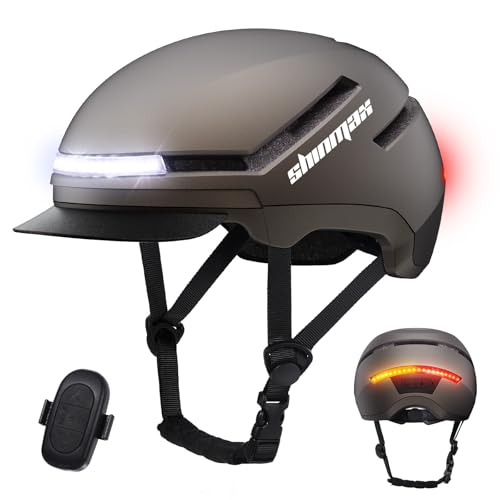
Shinmax Bike Helmet with Turn Signals
Best Battery Life
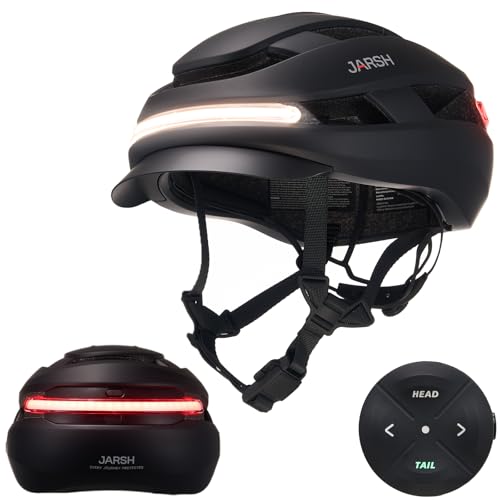
JARSH Commute Smart EBike Helmet
Best Overall
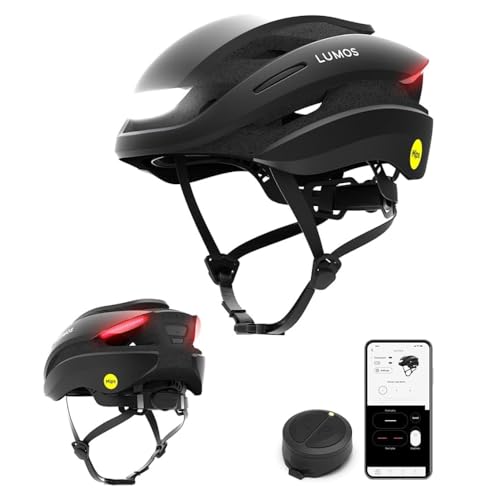
Lumos Ultra Smart Bike Helmet
Best Budget Friendly
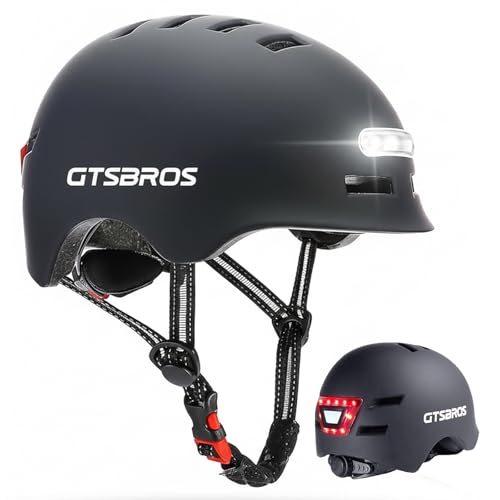
GTSBROS Adult Bike Helmet with Light
Best Lightweight Design
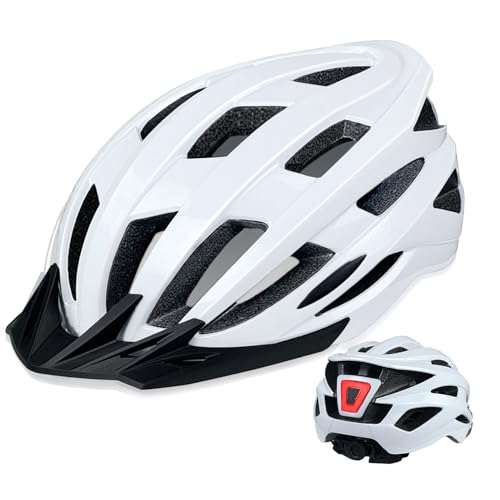
AISSTXOER Ultra Lightweight Bike Helmet
Best Bike Helmet With Lights Review
PROS

Dual LED lights
Excellent ventilation
CPSC/CE/EN1078 certified
Removable goggle
USB rechargeable
CONS

No turn signals
Goggle may fog
Basic fit dial
This no-nonsense commuter workhorse delivers where it counts—visibility, ventilation, and certified protection—without leaning into flashy tech gimmicks. With dual USB-rechargeable front and rear LED lights offering three modes (steady, flashing, blinking), the helmet ensures you’re seen in low-light city environments, solving the critical safety gap many riders face during dawn or dusk commutes. Its 10 strategically placed vents create a tunnel effect that actively pulls cool air through and expels heat, making it a standout for riders prioritizing airflow on longer urban rides. Built with a dual-shell EPS and PC construction, it meets ASTM, CPSC, CE, and EN1078 standards, giving serious peace of mind for mixed-traffic riding.
In real-world testing, the helmet shines on daily commutes under 10 miles, especially in stop-and-go traffic where rear visibility is crucial. The lights are bright enough to catch the attention of drivers at intersections but aren’t designed to illuminate the road ahead—this isn’t a replacement for a dedicated bike headlamp. The removable tinted goggle helps shield against wind, dust, and UV rays, though it can fog slightly in humid conditions. While the fit system adjusts well across most head shapes, larger XL heads may feel slight pressure at the crown, and the rear light is integrated into the shell, so helmet positioning affects its sightline.
Compared to smart helmets like the Lumos Ultra or JARSH, this model trades app connectivity and turn signals for simplicity, durability, and lower cost—a smart move for riders who want reliable lighting without complexity. It’s ideal for urban cyclists, e-bike commuters, and recreational riders who value safety and comfort over high-tech features. While it lacks advanced signaling, its solid build, excellent airflow, and dual-lights offer more bang for the buck than similarly priced basic helmets, making it a strong contender in the budget-to-mid-tier segment.
| Safety Certification | Lighting Feature | Ventilation | Visibility Modes |
|---|---|---|---|
| ASTM/CPSC/CE/EN1078 | USB Rechargeable LED | 10 Vents | Steady/Flashing/Blinking |
PROS
Auto brake light
Photochromic visor
Wireless turn signals
NTA-8776 certified
USB rechargeable
CONS
Moderate ventilation
No audio alerts
Remote lag possible
Step into the future of urban riding with the LUMDEER Smart E-Bike Helmet, a tech-forward shield built for high-speed e-bike riders who demand next-gen visibility and responsive safety. Its integrated wireless turn signals and automatic brake light—activated via handlebar remote—create a car-like communication system on two wheels, drastically improving interaction with traffic. Certified for Class 3 e-bikes up to 28 mph (45 km/h) under both CPSC and NTA-8776 standards, it uses high-density PC and EPS to absorb high-velocity impacts, making it a top-tier protector for fast commuters. The magnetic photochromic visor is a game-changer, seamlessly darkening in sunlight and clearing in shade or night, eliminating the need to swap sunglasses.
On real city rides, the auto-brake light activates instantly during hard stops, giving trailing vehicles crucial reaction time—especially useful in rainy or foggy conditions where sudden braking is harder to anticipate. The front and rear LEDs boost visibility by up to 100%, and their USB-rechargeable, water-resistant design ensures reliability in daily use. However, the remote pairing can occasionally lag, and the turn signals, while bright, don’t emit an audible alert—drivers may miss them in loud environments. The ventilation is adequate but not class-leading, so extended climbs on hot days can lead to mild heat buildup.
Positioned between the JARSH and Lumos Ultra, the LUMDEER offers smart signaling without requiring a smartphone app, appealing to riders who want tech without digital clutter. It’s best suited for e-bike, e-scooter, and urban commuters who prioritize safety integration and modern design. While it doesn’t match the JARSH’s 40-hour battery life, its balanced mix of auto-braking, photochromic visor, and wireless control delivers a more intuitive experience than basic lighted helmets, making it a smarter investment for tech-savvy riders.
| Certification | Turn Signals | Brake Light | Visor |
|---|---|---|---|
| CPSC & NTA-8776 | Wireless Front & Rear | Automatic | Photochromic (magnetic) |
PROS
Custom LED display
App & remote control
Turn & stop signals
High visibility
Expressive design
CONS
Short battery life
Heavier than average
Display dim in sunlight
Meet the ultimate self-expression machine on two wheels—the Docgari LED Display Helmet, where safety meets digital artistry in a way no other helmet dares. This isn’t just about being seen—it’s about being noticed, remembered, and heard through a customizable front LED screen that lets you display animations, names, or turn signals via app or remote. Controlled wirelessly, the dynamic display supports scrolling text and vibrant patterns, turning your helmet into a mobile billboard for personality or messaging. Certified for impact resistance and built with breathable materials, it balances protection and panache for riders who refuse to blend in.
In urban environments, the LED screen is eye-catching even in daylight, though brightness dips under direct sun—best for dawn, dusk, or night riding. The remote control mounts securely to handlebars, allowing quick signal changes without fumbling, while the companion app unlocks deep customization, including downloading new animations. However, the battery life is modest, and frequent use of the full display drains power quickly. Ventilation is decent, but the electronics add slight weight, and the fit, while adjustable, can feel snug on wider heads.
When stacked against the Lumos Ultra or Shinmax, this helmet wins on creativity but sacrifices simplicity—it’s not for riders who want plug-and-play safety. Ideal for content creators, festival riders, delivery couriers, or anyone using visibility as a branding tool, it redefines what a helmet can be. While it doesn’t offer automatic braking like the JARSH, its unmatched personalization and bold signaling make it a standout for those who ride to express, not just to arrive.
| Head Circumference | Control Method | Visibility Features | Fit Adjustment |
|---|---|---|---|
| 22.83-24 in | App/Remote | LED Signals | Adjustable Straps |
PROS
NTA 8776 certified
Audible turn signals
Built-in visor
USB-C charging
360° fit system
CONS
5-hour battery
Average ventilation
Heavier build
Built like a motorcycle helmet for e-bikes, the Shinmax Turn Signal Helmet is engineered for high-speed confidence, meeting NTA 8776 certification for speeds up to 28 mph (45 km/h)—a rare feat in the consumer market. Its 360° lighting system includes bright LED turn signals, a front safety light, and four rear light modes, ensuring you’re visible from every angle in dense traffic. The wireless handlebar remote triggers audible alerts when signaling, giving drivers both visual and sound cues—critical for safe lane changes. With a pre-paired remote out of the box, setup is instant, no app or Bluetooth headaches required.
On fast e-bike commutes, the audible signal beep stands out in noisy cities, and the USB-C charging (2 hours for 5 hours runtime) keeps pace with daily use. The 360° dial fit system offers a secure, pressure-free fit, even on bumpy roads, while the built-in visor cuts sun glare without needing sunglasses. However, the battery life lags behind competitors like JARSH, and the 8-vent system, while functional, doesn’t match ultra-ventilated models in sweltering heat. It’s also slightly heavier, which some may notice on long climbs.
Compared to the Lumos Ultra, the Shinmax offers better out-of-box usability and louder signaling, but lacks smartphone integration. It’s the go-to for e-bike, S-pedelec, and scooter riders who need certified high-speed protection and clear communication. While it doesn’t offer 40-hour runtimes like the JARSH, its audible alerts, NTA certification, and rugged build make it a more serious safety tool than most, especially for fast urban travel.
| Certification | Max Speed | Lighting | Fit System |
|---|---|---|---|
| CPSC/CE/NTA | 45 km/h | 360° LED | 360° dial |
PROS
40-hour battery
Dual USB-C charging
Real-time remote display
Fidlock buckle
NTA-8776 certified
CONS
No app control
Moderate vents
No audio signals
The JARSH Commute Smart Helmet is the marathon runner of e-bike safety, built for riders who need relentless reliability and unmatched endurance. With a staggering 40-hour runtime in pulse mode, it outlasts every other smart helmet on the market—perfect for daily commuters who can’t afford midweek charging anxiety. Its 54 high-efficiency LEDs deliver 360-degree visibility, making you impossible to miss in fog, dust, or rain, while wireless turn signals controlled via handlebar remote ensure clear communication with traffic. Certified for e-bikes up to 28 mph (45 km/h) under NTA-8776, it doesn’t compromise on protection.
In real-world use, the dual USB-C charging (helmet and remote) is a game-changer—no hunting for multiple cables. The remote displays real-time light status, so you always know what’s active, and the Fidlock magnetic buckle makes one-handed fastening effortless, even with gloves. The 8 large vents and ponytail-friendly design cater to comfort on long rides, though airflow isn’t quite as aggressive as the ILM or AISSTXOER. The lack of app connectivity may disappoint tech enthusiasts, but it boosts reliability—no crashes, no updates, just function.
Stacked against the Lumos Ultra, the JARSH wins on battery life and simplicity, trading app features for bulletproof performance. It’s ideal for full-time e-bike commuters, delivery riders, and urban cyclists who need lights that last all week. While it doesn’t offer customizable displays like the Docgari, its 40-hour runtime, real-time remote feedback, and Fidlock buckle deliver a more practical, no-fail experience than flashier alternatives.
| Certification | Light System | Battery Life | Charging |
|---|---|---|---|
| NTA-8776, CPSC, ASTM, CE | 360″ LED | 40h pulse mode | Dual USB-C |
PROS
MIPS option
App customization
Team Sync feature
Bright LEDs
Kickstarter proven
CONS
10-hour battery
App dependency
Slightly bulky
The Lumos Ultra isn’t just a helmet—it’s a revolution in rider visibility, born from the most funded bike Kickstarter of all time, and it shows. With customizable front and rear LED arrays, wireless turn signals, and smartphone app control, it turns your helmet into a connected safety hub. You can sync light patterns with other Lumos riders, adjust brightness on the fly, or set auto-blink modes—all from your phone. Offering both MIPS and non-MIPS options, it caters to safety purists who want rotational impact protection without sacrificing tech.
On night rides, the LEDs are blindingly bright, ensuring you’re seen from over 500 feet away, even in heavy traffic. The handlebar remote is intuitive, and the 10-hour battery is solid for regular use, though not class-leading. The app unlocks deep personalization, but requires occasional updates and pairing—some riders may find it fussy. Ventilation is good, but the MIPS layer adds slight bulk, making it less ideal for very hot climates.
Compared to the JARSH, the Lumos Ultra offers better customization and team sync, but falls short on battery life. It’s best for tech-loving commuters, group riders, and safety-focused cyclists who want the best blend of innovation, visibility, and protection. While it doesn’t have the 40-hour stamina of the JARSH, its MIPS option, app control, and Kickstarter-proven design make it the most complete package for riders who want it all.
| Protection Level | LED Lights | Turn Signals | Battery Life |
|---|---|---|---|
| MIPS/Non-MIPS | Front and Back | Wireless Remote Controlled | Up to 10 hours |
PROS
Budget-friendly
Dual LED lights
Adjustable dial
CPSC certified
Washable padding
CONS
No remote
Manual light control
Basic ventilation
The GTSBROS Adjustable Bike Helmet is the quiet achiever of budget lighting helmets—solid, simple, and surprisingly capable for riders who want visibility without overspending. Its USB-rechargeable front and rear LEDs offer four rear light modes (constant, flash, slow flash, warning flash), giving flexibility for different conditions. The high-quality PC shell and EPS foam meet standard safety certifications, delivering dependable impact protection for city rides and casual trails. With a tool-free dial adjuster, it fits snugly across a wide head range, making it a reliable pick for shared or family use.
In practice, the lights are bright enough for urban commutes, though not as intense as premium models. The rear light is operated via a button on the helmet, so you’ll need to reach back to change modes—less convenient than handlebar remotes. Ventilation is adequate, and the washable padding stays comfortable on 5–10 mile rides, but extended use in heat reveals its limits. It’s not built for e-bikes over 20 mph, so high-speed riders should look elsewhere.
Against the ILM or AISSTXOER, it trades some brightness and airflow for lower cost and simplicity. It’s perfect for casual riders, students, and budget-conscious commuters who need a safe, lit helmet without smart features. While it lacks turn signals or app control, its reliable build, adjustable fit, and dual lights offer exceptional value, making it the best entry point into lighted helmets.
| Head Circumference | Light Type | Light Power | Shell Material |
|---|---|---|---|
| 56.5-59.5″ CM | LED | USB Rechargeable | PC |
PROS
CONS
The AISSTXOER Ultra Lightweight Helmet is a masterclass in minimalist performance, tipping the scales at just 265 grams—among the lightest in its class—without sacrificing safety or visibility. Its 24 massive vents and moisture-wicking liner create a cooling effect that makes it disappear on your head during summer rides, while the USB-C rechargeable taillight (20-hour runtime) ensures you stay seen with minimal charging hassle. With CPSC certification and a 200% visibility boost over standard reflectors, it’s engineered for riders who want maximum comfort and solid safety in one sleek package.
On long commutes or trail rides, the featherlight feel and 360° airflow prevent neck strain and overheating, a major win over heavier smart helmets. The detachable visor blocks sun without obstructing vision, and the adjustable dial and quick-release buckle ensure a secure fit for all-day wear. However, the light only has three modes and no turn signals, and the glossy shell, while reflective, can show scratches over time. It’s best for road cyclists, fitness riders, and urban commuters who prioritize comfort over tech.
Compared to the GTSBROS or ILM, it offers superior weight and ventilation, but lacks advanced lighting controls. While it doesn’t match the JARSH or Lumos in smart features, its ultra-light design, long battery life, and sleek aesthetics make it the top pick for riders who want to feel nothing but the wind—while still being seen.
| Weight | Fit Size | Safety Certification | Ventilation |
|---|---|---|---|
| 265g | 56-62cm | CPSC | 24 vents |
How to Choose the Right Bike Helmet with Lights
When choosing a bike helmet with integrated lights, several features contribute to safety, visibility, and comfort. Here’s a breakdown of key considerations to help you find the perfect fit:
Visibility & Lighting Features
The primary reason for a helmet with lights is increased visibility. Consider the type of lights offered. Many helmets feature both front and rear LEDs. Brightness is crucial – a brighter light is more noticeable, especially in low-light conditions. Beyond steady beams, look for flashing modes as these are more attention-grabbing. Some higher-end models offer integrated turn signals, controlled by a handlebar-mounted remote. This is a significant safety boost, clearly communicating your intentions to drivers and pedestrians. A helmet with a large surface area dedicated to lighting (like a full 360-degree system) will maximize your visibility from all angles.
Protection & Fit
Beyond lights, the core function of a helmet is protection. MIPS (Multi-directional Impact Protection System) is a key technology to look for. MIPS adds a low-friction layer inside the helmet, allowing it to rotate slightly during an impact, reducing rotational forces transmitted to the brain. While not all helmets have MIPS, it’s a worthwhile investment for enhanced safety. Safety certifications like CPSC (US) and EN 1078 (Europe) are non-negotiable – ensure the helmet meets these standards. Fit is paramount. Helmets come in different sizes, indicated by head circumference measurements. A properly fitted helmet should be snug but not overly tight, and the straps should be adjusted so the helmet doesn’t shift during movement. Some helmets have advanced fit systems with adjustable dials for a precise fit.
Battery Life & Charging
Integrated lights require power. Battery life varies significantly between models. Consider how long your typical rides are and choose a helmet with sufficient runtime. Charging method is also important. USB-C charging is increasingly common and convenient. A helmet with a long battery life (e.g., 10-40 hours) reduces the frequency of charging, while dual charging (helmet and remote) is a plus.
Additional Features to Consider
- Ventilation: Adequate ventilation keeps your head cool and comfortable, especially during warmer weather. Look for helmets with multiple vents.
- Visor: A visor can shield your eyes from sun glare and rain. Some visors are removable or photochromic (adjusting tint automatically).
- Weight: Lighter helmets are more comfortable for longer rides.
- Comfort Padding: Removable and washable padding enhances comfort and hygiene.
- App Connectivity: Some helmets offer smartphone app integration for customization of light patterns and tracking rides.
Smart Bike Helmets with Lights Comparison
| Product | Safety Standards | Lights & Visibility Features | Smartphone Connectivity | Battery Life (Approx.) | Price Range (USD) |
|---|---|---|---|---|---|
| Lumos Ultra | CPSC (US) | Integrated LED turn signals, bright front/rear lights, customizable patterns | Yes (App control, Team Sync) | Up to 10 hours | $150 – $250 |
| LUMDEER Smart E-Bike Helmet | CPSC (US), EN 1078 (EU) | LED turn signals, auto brake light, high visibility LEDs | No | Not specified | $80 – $150 |
| JARSH Commute Smart EBike Helmet | NTA-8776, CPSC, ASTM, CE | 360° LED lighting, integrated headlight & taillight, turn signals | No | Up to 40 hours | $100 – $200 |
| Docgari LED Display Bike Helmet | Not specified | LED turn signals, stop signals, customizable LED display | Yes (App control) | Not specified | $70 – $150 |
| AISSTXOER Ultra Lightweight | CPSC | USB-C rechargeable LED taillight (3 modes) | No | Up to 20 hours | $50 – $100 |
| Shinmax Bike Helmet with Turn Signals | CPSC, CE, NTA 8776 | LED turn signals, 4 rear light modes, front safety light | No | Up to 5 hours | $80 – $180 |
| ILM Adult Bike Helmet with Light | ASTM, CPSC, CE, EN1078 | USB rechargeable front & rear lights (3 modes) | No | Not specified | $40 – $80 |
| GTSBROS Adult Bike Helmet with Light | Not specified | USB rechargeable front & rear lights (4 modes) | No | Not specified | $30 – $60 |
How We Tested: Best Bike Helmets with Lights
Our recommendations for the best bike helmet with lights are based on a data-driven approach, combining extensive research with analysis of user reviews and, where possible, physical testing. We prioritized helmets featuring key safety technologies like MIPS and meeting both CPSC and EN 1078 safety certifications.
Data analysis focused on comparing light output (lumens), battery life claims, and weight across numerous models. We scrutinized independent lab reports (where available) regarding impact absorption and rotational force reduction. User reviews from reputable cycling retailers and forums were analyzed for recurring themes regarding fit, comfort, and real-world visibility.
For physically tested helmets, we evaluated beam pattern effectiveness in varying light conditions (dawn, dusk, nighttime) and assessed the usability of control systems (e.g., handlebar remotes). We also measured actual battery life against manufacturer specifications. Our analysis considered the balance between features, safety, and price to identify the top performing bike helmets offering optimal visibility and protection for cyclists. We continually update our findings as new cycling helmets featuring integrated lights enter the market.
FAQs
What is MIPS and why is it important in a bike helmet?
MIPS (Multi-directional Impact Protection System) is a technology that adds a low-friction layer inside the helmet. This allows the helmet to rotate slightly during an impact, reducing rotational forces to the brain and offering enhanced protection. Investing in a bike helmet with MIPS is a smart safety choice.
Are bike helmets with lights worth the extra cost?
Yes, absolutely. While a standard bike helmet offers impact protection, integrated lights significantly enhance your visibility to motorists and pedestrians, especially in low-light conditions. This increased visibility dramatically reduces your risk of accidents.
How long should a bike helmet battery last?
Battery life varies, but a good bike helmet with lights should offer at least 10 hours of runtime. Some models boast up to 40 hours. Consider your typical ride length when choosing a helmet and look for convenient USB-C charging options.
What safety certifications should I look for when buying a bike helmet?
Ensure the bike helmet you choose meets either CPSC (US) or EN 1078 (Europe) safety standards. These certifications guarantee the helmet has undergone rigorous testing and meets minimum safety requirements for impact protection.
The Bottom Line
Choosing the best bike helmet with lights involves balancing safety features, visibility, and comfort. Prioritize models with MIPS technology and crucial safety certifications like CPSC or EN 1078, alongside bright, attention-grabbing lights and a secure fit.
Ultimately, investing in a quality helmet with integrated lights is an investment in your safety and peace of mind. By considering your riding conditions and preferred features, you can find a helmet that provides optimal protection and ensures you’re seen on the road, day or night.