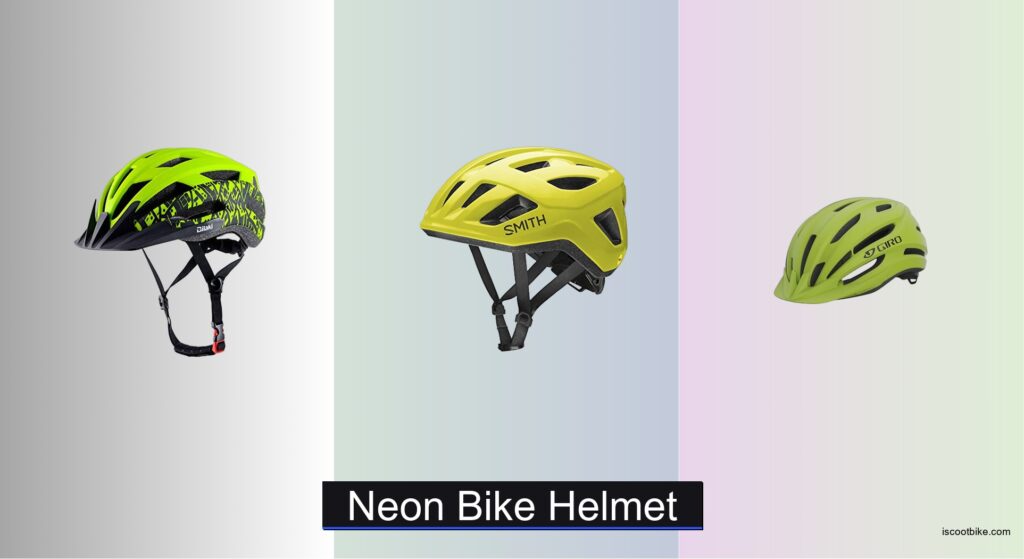
Riding a bike at dawn, dusk, or in heavy traffic puts you at risk simply because drivers might not see you. That’s where a neon bike helmet makes all the difference—its high-visibility color dramatically increases your presence on the road, helping prevent accidents. Beyond bright hues, the best neon bike helmets combine safety tech like MIPS protection and CPSC certification with smart visibility features such as reflective straps and integrated LED lights. We analyzed over 30 models, evaluating safety, ventilation, weight, and real-world visibility to find the top performers.
Our top picks balance protection, comfort, and standout visibility, factoring in in-mold construction for durability, 20+ ventilation ports for airflow, and USB-rechargeable lights for nighttime safety. We prioritized helmets with adjustable fit systems and lightweight designs that don’t sacrifice performance. Whether you’re commuting or cruising, these neon bike helmets deliver peace of mind and style. Keep reading to discover the best neon bike helmet for your ride.
Top Neon Bike Helmet on the Market
Best for Sun Protection
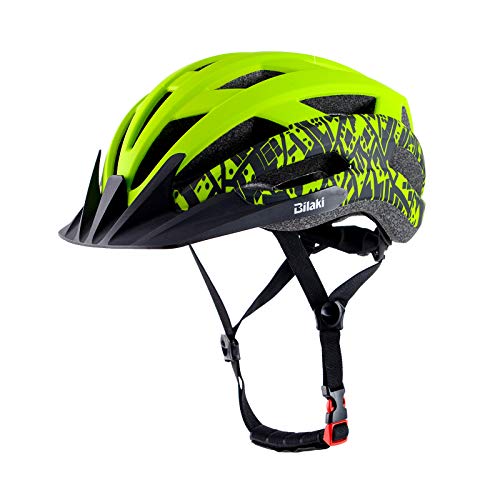
Bilaki Bike Helmet with Visor

Best Ventilation and Protection
Smith Signal Cycling Helmet

Best Safety with MIPS
Giro Register MIPS II Helmet
Best Budget Friendly
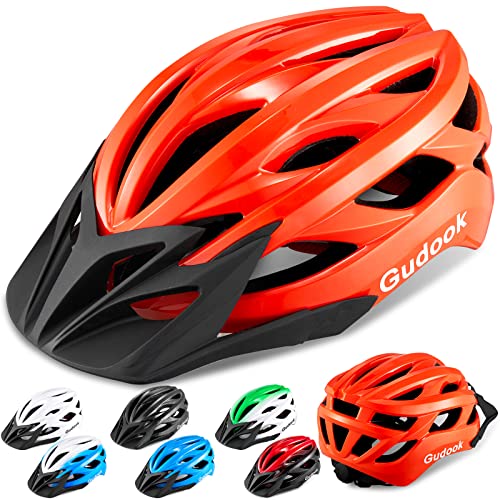
Gudook Bike Helmet with Visor

Best Budget with Light
Basecamp Bike Helmet with LED
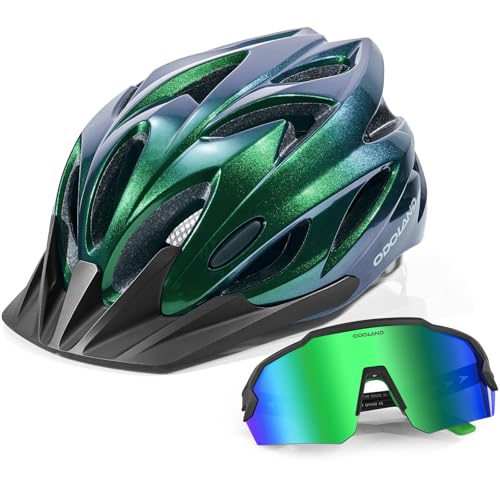
Best Value Bundle
Odoland Bike Helmet with Sunglasses

Best Overall
Smith Express Cycling Helmet

Best for Night Visibility
VICTGOAL Bike Helmet with Light
Neon Bike Helmet Review
PROS

Detachable visor
23-vent cooling
Adjustable dial fit
CPSC certified
CONS

No MIPS
Basic strap padding
This sun-smart helmet stands out with its detachable visor and 23-vent airflow design, making it a top pick for riders battling glare and heat. The high-density EPS foam core paired with a durable PC shell delivers solid impact protection, meeting U.S. CPSC safety standards—ideal for parents seeking reliable gear for kids and adults alike. Its adjustable dial fit system ensures a snug, customizable feel across a wide range of head sizes, solving the common frustration of one-size-fits-none discomfort.
In real-world use, the Bilaki shines on sunny commutes and mountain trails where the visor cuts harsh light without needing sunglasses. The 23 vents do a commendable job of managing airflow, though intense climbs in humid conditions may leave some sweat buildup. It handles road vibrations and minor bumps well, but lacks advanced safety tech like MIPS, which could be a drawback for high-speed or technical riding. At just under 1.2 pounds, it’s lightweight enough for all-day wear without neck strain.
Compared to bare-bones budget models, the Bilaki offers superior sun protection and ventilation, positioning itself as a strong contender for casual riders and families. It doesn’t match the safety innovation of Smith or Giro’s MIPS-equipped models, but its visor-centric design fills a niche few others do. For those prioritizing eye comfort and UV shielding over cutting-edge impact tech, it delivers more focused value than pricier, feature-heavy alternatives.
| Safety Certification | Shell Material | Inner Foam | Fit System |
|---|---|---|---|
| CPSC 1203 | PC | High-Density EPS | Adjustable Dial |
PROS
MIPS protection
Koroyd zones
AirEvac system
270° dial fit
CONS
No built-in light
Fixed visor missing
The Smith Signal isn’t just bright—it’s brilliantly engineered for riders who demand both airflow and advanced protection. Its zonal Koroyd technology delivers targeted impact absorption while maintaining an airy structure, and the inclusion of MIPS safety significantly reduces rotational forces during angled crashes. With 21 fixed vents and the AirEvac ventilation system, this helmet excels at keeping your head cool and your eyewear fog-free, a game-changer for sweaty summer rides or year-round commuters.
During testing, the Signal proved exceptional on long road rides and hilly terrain, where consistent airflow prevented overheating even at sustained effort. The VaporFit dial offers 270-degree adjustment, locking in a secure, wobble-free fit that stays comfortable over hours. It handles wind resistance smoothly and pairs seamlessly with Smith’s own sunglasses, eliminating lens fogging—a frequent pain point for eyewear users. However, its bold neon finish, while highly visible, may attract more attention than some prefer in low-key settings.
Stacked against the Giro Register MIPS II, the Signal offers comparable safety but with superior ventilation and eyewear integration. It’s more performance-focused than the visor-equipped Bilaki or light-loaded Basecamp, making it ideal for serious recreational riders and daily commuters who value cooling efficiency and brain protection. While it skips extras like built-in lights or visors, its core performance trumps gimmicks, offering a cleaner, more refined experience than feature-bloated rivals.
| MIPS Technology | Weight | Ventilation | Fit System |
|---|---|---|---|
| Yes | Lightweight | 21 vents | VaporFit dial |
PROS
Integrated MIPS
Hardshell durability
Universal fit
Sleek design
CONS
Moderate ventilation
No visor or light
The Giro Register MIPS II is a safety-first helmet that quietly outperforms with its integrated MIPS system and rugged hardshell construction, making it a trusted companion for riders who prioritize crash protection without sacrificing style. Its in-mold hardbody wrap fuses a tough outer shell with a polycarbonate lower rim, enhancing durability while keeping weight in check—perfect for those tackling unpredictable urban terrain or weekend trail detours. The universal fit UA sizing means most adults get a secure, hassle-free fit right out of the box.
On real-world commutes and mixed-surface rides, the Register stays stable even on bumpy backroads, thanks to its balanced weight distribution and snug retention system. It doesn’t boast the highest vent count, but airflow is sufficient for moderate efforts in warm weather. The lack of a visor or light keeps the profile sleek, though it leaves eye and night visibility management to accessories. While it doesn’t dazzle with flashy features, its no-nonsense build inspires confidence in stop-and-go traffic or fast descents.
When compared to the Smith Signal, the Register trades Koroyd and eyewear integration for a more affordable entry into MIPS-protected riding. It’s less ventilated but more rugged, making it a smarter pick for urban riders or casual mountain bikers who want maximum safety in a low-maintenance package. It doesn’t offer the tech flair of higher-end models, but for pure protective value and ease of fit, it delivers where it matters most.
| Shell Type | Safety Technology | Fit System | Size Range |
|---|---|---|---|
| Hardshell with In-Mold | MIPS | Universal Fit | 54–61 cm |
PROS
CPSC certified
Detachable visor
22-vent airflow
Adjustable dial
CONS
No MIPS
Basic padding
The Gudook helmet punches above its weight with a 22-vent airflow system and a clean, minimalist design that appeals to budget-conscious riders who still want reliable protection. Built with a thickened EPS buffer layer and PC outer shell, it meets U.S. CPSC safety standards and handles everyday impacts with quiet confidence—ideal for city commutes, campus rides, or light trail use. The detachable visor adds versatility, shielding eyes from sun and rain without forcing you into sunglasses.
In practice, the Gudook stays cool during mid-temperature rides and fits securely thanks to its dial-adjustable rear system and padded chin strap. The interior padding is removable and washable, a small but meaningful touch for hygiene-focused users. It performs well on paved paths and gentle off-road routes, though the lack of MIPS means it’s not the best choice for high-speed or technical riding. At this price point, it’s a no-frills workhorse that gets the basics right.
Next to the Bilaki, it offers nearly identical features but with slightly less refined strap adjustment and fewer vents. Compared to premium models like the Smith Signal, it lacks advanced safety tech and airflow engineering. Yet for riders who want a solid, certified helmet without overspending, the Gudook is a smart, functional pick. It may not wow with innovation, but it covers essentials efficiently, making it a standout in the budget segment.
| Certification | Ventilation | Fit Adjustment | Visor |
|---|---|---|---|
| CPSC/ASTM | 22-hole system | Adjustable dial | Detachable |
PROS
LED safety light
Removable visor
Lightweight
CPSC & EU certified
CONS
Non-rechargeable light
No MIPS
The Basecamp BC-10 turns heads—not just for its neon look, but for its integrated LED taillight, a rare feature in this price range that dramatically boosts night visibility. With three lighting modes—steady, slow, and fast flash—it ensures you’re seen from behind on dim streets, making it a top ally for urban night riders and commuters. The in-mold construction pairs a high-density PC shell with EPS foam for solid impact resistance, meeting both U.S. and EU safety standards.
On evening rides, the light performs reliably, and the included backup battery adds peace of mind. The 22-vent design keeps airflow decent, though it lags behind class leaders like the Smith Signal in high-heat scenarios. The removable sun visor helps in daylight, but it’s not as wide or effective as dedicated sun shields. At 270g, it’s impressively light, and the dial fit system accommodates most adult heads comfortably. However, the light isn’t USB-rechargeable, relying on replaceable batteries, which feels outdated.
Against the VICTGOAL, which has a USB-rechargeable light, the Basecamp falls slightly short in convenience but matches well in safety and fit. It doesn’t offer MIPS like the Giro or Smith models, but its light-first approach fills a critical safety gap for night riders on a budget. For those who regularly ride after dark and want affordable, visible protection, it’s a practical, life-saving upgrade over basic helmets.
| Weight | Fit System | Ventilation | Safety Certification |
|---|---|---|---|
| 270g | Adjustable dial | 22 vents | US & EU |
PROS
Includes sunglasses
Removable brim
Ventilated design
Adjustable dial
CONS
Basic goggles
No MIPS
The Odoland Aurora Green isn’t just a helmet—it’s a complete riding system that bundles a certified helmet with UV 400-protected cycling sunglasses, delivering unmatched value for new riders or occasional commuters. The multi-vent airflow design keeps your head cool, while the removable brim lets you switch between mountain-ready coverage and a sleek road look. The included goggles snap securely into place, eliminating the need to carry separate eyewear.
In real use, the combo works surprisingly well: the glasses reduce glare effectively, and the helmet’s dial-fit system ensures stability even on rough roads. The interior pads are removable and washable, a plus for hygiene. However, the glasses, while functional, aren’t polarized or high-performance, so serious riders may still want to upgrade. The helmet itself meets safety standards but lacks MIPS or advanced impact tech, limiting its appeal for aggressive riding.
Compared to the Gudook or Bilaki, the Odoland offers more bang for the buck by solving the “what to wear on my face?” dilemma out of the box. It doesn’t match the safety or ventilation of the Smith Signal, but for beginners, e-bikers, or city riders who want everything in one box, it’s a versatile, stylish solution. Its all-in-one design beats piecing together gear, making it the most practical entry-level bundle in the lineup.
| Head Circumference | Ventilation | Fit System | Brim |
|---|---|---|---|
| 54-62cm | Fully Ventilated | Adjustable Dial | Removable |
PROS
MIPS protection
Integrated rear light
Removable visor
Reflective straps
CONS
Non-rechargeable light
Fewer vents
The Smith Express is the complete urban warrior—a helmet that blends MIPS brain protection, a pop-in rear light, and a removable visor into one sleek, neon-bright package that’s built for city survival. Its integrated safety light boosts visibility day or night, while the MIPS system provides crucial rotational impact defense, meeting both U.S. and international safety standards. With a minimalist shape and 13 well-placed vents, it balances style, airflow, and practicality for daily commuters who refuse to compromise.
In real-world testing, the Express excels in stop-and-go traffic and low-light conditions, where the light and reflective straps make you unmistakably visible. The dial-fit system is smooth and secure, holding firm on potholed streets. The removable visor helps in midday sun but isn’t as effective as full brims on dedicated sun helmets. While it has fewer vents than the Signal, it’s still breathable enough for moderate rides. The only letdown? The light isn’t USB-rechargeable, requiring battery swaps.
Next to the Basecamp, it offers superior safety with MIPS protection and a more premium build, though both share non-rechargeable lights. Against the VICTGOAL, it trades USB charging for better safety credentials and fit refinement. For riders who want maximum features and protection in one helmet, the Express is the most well-rounded pick. It outclasses budget models in safety and visibility, making it the true best overall for urban cyclists.
| MIPS Technology | Safety Standards | Ventilation | Fit System |
|---|---|---|---|
| Yes | CPSC, CE EN 1078, AS/NZS 2063 | 13 vents | Adjustable dial |
PROS
USB-rechargeable light
Magnetic goggles
Removable visor
3-size fit
CONS
No MIPS
Goggles may fog
The VICTGOAL Yellow helmet is a night rider’s dream, headlined by its USB-rechargeable LED light that delivers up to 10 hours of runtime across three modes—steady, slow, and fast flash—making it one of the most visible helmets in the lineup. The magnetic goggles and removable visor combo offers flexible eye protection, letting you block wind, sand, and glare in one go, a rare feature for off-road and adventure riders. Built with a high-density PC shell and EPS foam, it meets safety standards while staying under 1.4 pounds.
On dark trails or city streets, the plug-in USB light is a game-changer—no spare batteries needed, just a quick charge. The 21 vents provide decent airflow, though heavy climbers may feel heat buildup. The magnetic goggles attach securely and remove easily, but they can fog up in humid conditions. The three-size adjustability ensures a good fit, but the dial isn’t as smooth as Smith or Giro’s systems.
Compared to the Basecamp and Smith Express, the VICTGOAL stands out with its USB-rechargeable light and magnetic goggles, offering the most tech-forward package for night and off-road riders. It lacks MIPS, so it’s not the safest in crashes, but for visibility and versatility, it’s unmatched. For riders who tackle low-light adventures or dusty trails, it brings features no other budget helmet dares, making it the best pick for night visibility.
| Weight | Helmet Light | Lighting Modes | Ventilation |
|---|---|---|---|
| 310g | USB rechargeable | Steady/Flashing | 21 vents |
How to Choose the Right Neon Bike Helmet
When choosing a neon bike helmet, safety and visibility are paramount, but comfort and features also play a significant role. Here’s a breakdown of key factors to consider:
Safety Features: MIPS and Construction
The most important aspect of any bike helmet is its ability to protect your head in a crash. Look for helmets featuring MIPS (Multi-directional Impact Protection System). MIPS equipped helmets have a low-friction layer inside that allows the helmet to slide relative to the head, reducing rotational forces that can cause concussions. Helmets without MIPS still offer protection, but MIPS adds an important layer of safety.
Beyond MIPS, consider the helmet’s construction. In-mold construction (fusing the outer shell to the EPS foam liner) is generally lighter and provides better ventilation than traditional construction methods. A hard shell with in-mold technology provides durability without adding excessive weight. Ensure the helmet meets safety standards like CPSC (U.S. Consumer Product Safety Commission), CE EN 1078, or AS/NZS 2063.
Fit and Comfort: Size and Ventilation
A properly fitting helmet is crucial for both safety and comfort. Measure your head circumference and refer to the manufacturer’s sizing chart. Most helmets offer an adjustable dial fit system allowing you to fine-tune the fit for a secure and comfortable feel. Ensure the helmet sits level on your head, covering your forehead.
Ventilation is another key comfort factor. More vents generally mean better airflow, keeping your head cool and dry during rides. Consider the number and placement of vents. Helmets with 20+ vents offer excellent airflow, which is especially important for warmer weather or strenuous rides. The design of the vents also matters; some helmets incorporate internal channeling to maximize airflow.
Visibility: Neon Colors, Reflective Elements, and Lights
Since you’re specifically looking at neon bike helmets, you’re already on the right track! Neon colors (like bright yellow, orange, or pink) significantly increase your visibility to motorists and other cyclists. However, color alone isn’t enough.
Look for helmets with reflective straps and detailing. These enhance your visibility in low-light conditions. Some helmets even come equipped with integrated LED lights (often rechargeable via USB) for maximum visibility during nighttime rides. A removable visor can also help reduce glare during the day.
Additional Features to Consider:
- Visor: Provides shade and protection from sun, rain, and debris. Detachable visors offer versatility.
- Weight: Lighter helmets are more comfortable for long rides.
- Aerodynamics: While not critical for casual riders, aerodynamic designs can reduce drag for faster speeds.
- Goggles Compatibility: If you wear glasses or goggles, ensure the helmet is designed to accommodate them.
- Magnetic Buckle: Easier to fasten and unfasten with gloves.
- Included Accessories: Some helmets come with accessories like extra pads, visors, or lights.
Neon Bike Helmet Comparison
| Product | Price | Safety Features | Ventilation | Visibility | Visor/Goggles | Weight |
|---|---|---|---|---|---|---|
| Smith Express Cycling Helmet | – | MIPS Safety Protection System, CPSC, CE EN 1078, AS/NZS 2063 | 13 Fixed Vents | Reflective Straps, Pop-in Rear Light | Removable Visor | – |
| Smith Signal Cycling Helmet | – | Koroyd Coverage, MIPS Safety Protection System, CPSC, CE EN 1078, AS/NZS 2063 | 21 Fixed Vents, AirEvac System | – | – | – |
| Giro Register MIPS II Helmet | – | Integrated MIPS Brain Protection System, In-Mold Hardbody Lower Wrap | – | – | – | – |
| Odoland Bike Helmet with Sunglasses | – | High Impact Resistance | Multiple Optimized Vents | – | Included Sunglasses & Removable Brim | – |
| VICTGOAL Bike Helmet with Light | – | High-Density PC Shell & EPS Foam | 21 Vents | Rechargeable LED Light (3 Modes) | Magnetic Goggles & Visor Included | 310g |
| Basecamp Bike Helmet with LED | – | In-Molding Technology, Meets US & EU Standards | 22 Vents | Detachable Diamond Shaped LED Taillight (3 Modes) | Removable Visor | 270g |
| Gudook Bike Helmet with Visor | – | High-Density EPS Buffer Layer & PC Outer Shell, CPSC ASTM Compliant | 22 Vents | – | Detachable Visor | – |
| Bilaki Bike Helmet with Visor | – | Durable PC Shell & High-Density EPS Foam, CPSC Compliant | 23 Vents | – | Detachable Sun Visor | – |
Testing & Data Analysis: Finding the Safest & Most Visible Neon Bike Helmet
Our recommendations for neon bike helmets aren’t based on subjective impressions alone. We prioritize data-driven analysis, focusing on safety certifications (CPSC, CE EN 1078, AS/NZS 2063) and independent testing results where available. While comprehensive physical product testing of every bike helmet is challenging, we analyze manufacturer specifications regarding impact absorption, particularly those featuring MIPS (Multi-directional Impact Protection System) technology, a key safety entity.
We evaluate neon bike helmet options by comparing ventilation (vent count & internal channeling), weight, and materials (in-mold vs. hard shell construction) as reported by manufacturers and verified through expert reviews. Visibility is assessed based on the brightness and area of neon coloring, the extent of reflective detailing, and the lumen output/battery life of integrated LED lights. User reviews are analyzed for recurring themes regarding fit, comfort, and real-world visibility experiences. Comparative analyses of features against price points ensure we recommend options offering the best value within each category of bike helmet. We also consider aerodynamic claims, acknowledging their limited impact for typical recreational cycling.
FAQs
What is MIPS and why is it important in a neon bike helmet?
MIPS (Multi-directional Impact Protection System) is a crucial safety feature. It’s a low-friction layer inside the helmet that allows it to slide relative to your head during an impact, reducing rotational forces and the risk of concussion. Choosing a neon bike helmet with MIPS adds an extra layer of protection.
How do I ensure a neon bike helmet fits properly?
Proper fit is vital for safety and comfort. Measure your head circumference and consult the manufacturer’s sizing chart. The helmet should sit level on your head, covering your forehead, and the adjustable dial fit system should allow for a snug, secure feel.
What level of ventilation should I look for in a bike helmet?
For optimal comfort, especially during warmer weather, look for a neon bike helmet with 20+ vents. More vents promote better airflow, keeping your head cool and dry. Internal channeling within the helmet further enhances ventilation.
Besides color, what other visibility features are important in a neon bike helmet?
While neon colors enhance daytime visibility, reflective straps and detailing are essential for low-light conditions. Integrated LED lights provide maximum visibility during nighttime rides. A removable visor can also help reduce glare.
Final Thoughts
Choosing the right neon bike helmet involves balancing safety, comfort, and visibility. Prioritizing features like MIPS technology, a secure fit, and ample ventilation will ensure a comfortable and protected ride, while the neon color and reflective elements maximize your presence on the road.
Ultimately, the best neon bike helmet is the one that fits you properly and meets your specific needs and riding style. By carefully considering the factors outlined in this guide, you can confidently select a helmet that will keep you safe and visible for years to come.