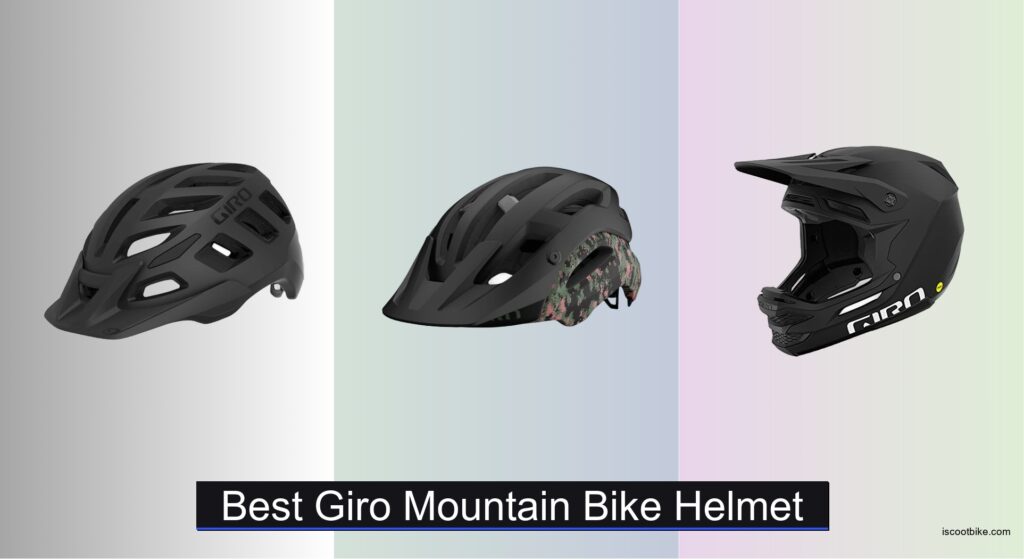
Mountain biking demands reliable head protection that balances safety, comfort, and performance, especially when tackling rough trails or high-speed descents. Riders often struggle to find a helmet that offers advanced impact protection without sacrificing ventilation or fit, leading to discomfort or compromised safety. Giro addresses these concerns with innovative technologies like MIPS and Spherical Technology, which reduce rotational forces during crashes, while thoughtful designs ensure optimal airflow and secure fit. These features are critical for riders seeking both confidence and comfort on demanding terrain.
We evaluated the best Giro mountain bike helmet by analyzing technical specifications, safety ratings, and real-world user feedback across key factors like protection, ventilation, weight, and goggle compatibility. Our assessment considered construction quality, ease of adjustment with gloves, and how well each model performs in intense riding conditions. Below are our top picks based on performance, value, and rider needs.
Top Giro Mountain Bike Helmet on the Market
Best Value
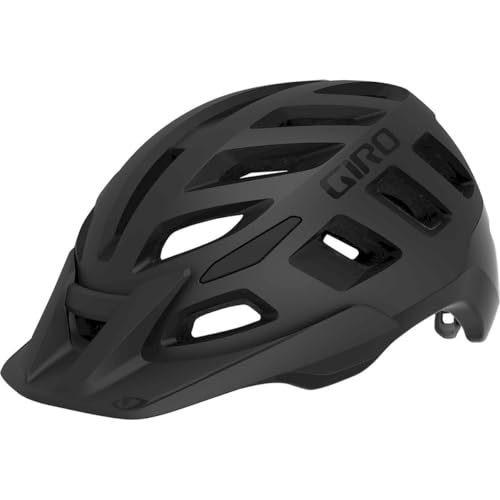
Giro Radix MIPS Mountain Helmet
Best Overall
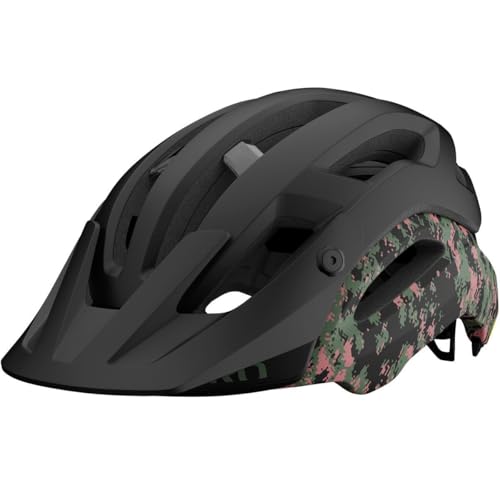
Giro Manifest Spherical Mountain Helmet
Best Ventilation
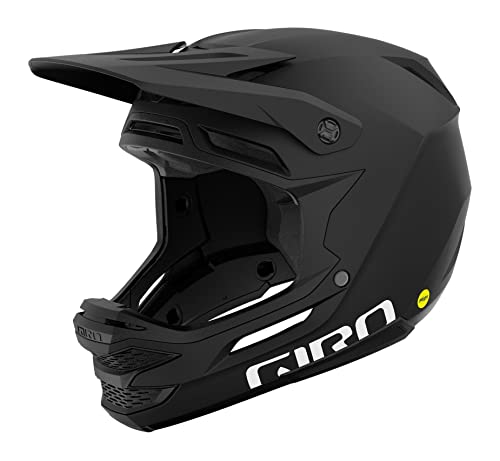
Giro Insurgent Spherical Mountain Helmet

Best Budget Friendly
Giro Fixture II MIPS Helmet
Best Lightweight
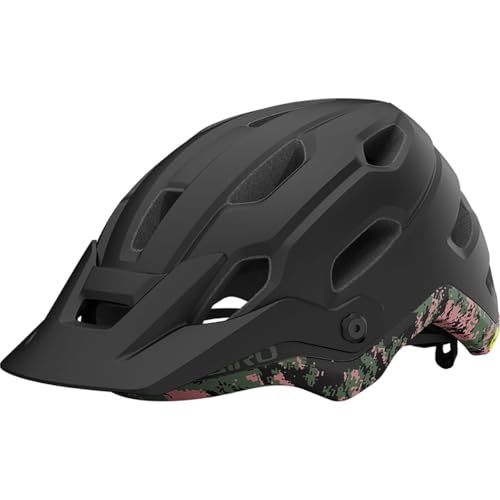
Giro Source MIPS Mountain Helmet
Best for Women
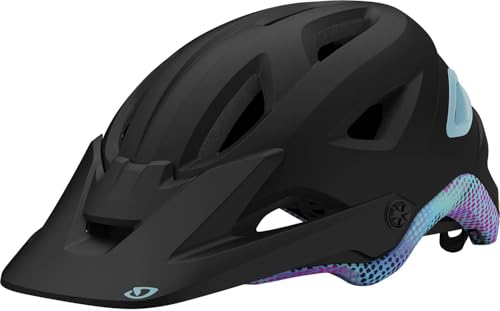
Giro Montaro MIPS II Women’s Helmet
Best Giro Mountain Bike Helmet Review
PROS

MIPS protection
Roc Loc 5.5 fit
Tested safety
CONS

Moderate airflow
No Spherical Tech
Basic vent design
This helmet packs pro-level safety into a wallet-smart design, making it a standout for riders who want serious protection without the premium tag. With MIPS integration and engineering honed in Giro’s elite test lab, it delivers rotational impact defense that’s typically reserved for high-end models. The Roc Loc 5.5 fit system is a game-changer—offering micro-adjustable comfort that locks the helmet securely, eliminating pressure points and wobble on rough trails. It’s built for the rider who demands race-grade tech but values practicality and cost-efficiency.
In real-world trail use, the Radix MIPS handles everything from dusty fire roads to technical descents with confidence. Its 16 vents and internal channeling provide solid airflow, though it can feel slightly stuffy during long climbs compared to ultra-ventilated competitors. The in-mold polycarbonate shell strikes a strong balance between durability and weight, surviving scrapes without adding bulk. While it doesn’t feature Giro’s Spherical Technology, the EPS foam liner paired with MIPS still offers reliable energy dispersion in angled impacts—ideal for enduro riders and trail enthusiasts who push limits.
When stacked against the Giro Manifest Spherical, the Radix trades some airflow and next-gen protection for a simpler, more accessible package. But that’s exactly why it wins as Best Value—it brings core safety innovations within reach of more riders. It’s perfect for intermediates stepping up from entry-level gear or parents outfitting teens for aggressive riding. For those prioritizing essential protection and solid build without frills, this helmet outperforms its class—and leaves pricier options feeling over-engineered for everyday trail duty.
| Protection | Fit System | Helmet Type | Color |
|---|---|---|---|
| MIPS | Roc Loc 5.5 | Mountain | Matte Black |
PROS
Spherical + MIPS
Dual-density foam
19 Wind Tunnel vents
Lightweight durable
CONS
Premium weight
Higher complexity
Bulkier profile
This is the gold standard redefined—a helmet that fuses revolutionary Spherical Technology with MIPS in a package that dominates across protection, comfort, and airflow. The ball-and-socket liner system allows the outer shell to rotate slightly on impact, drastically reducing rotational forces transmitted to the brain—a leap forward in crash defense. Add in dual-density EPS foam tuned for both high- and low-speed impacts, and you’ve got one of the most comprehensively engineered helmets on the market. It’s built for riders who refuse to compromise, whether bombing down alpine descents or racing technical enduro stages.
Out on the trail, the Manifest earns its Best Overall title with near-flawless performance. The 19 Wind Tunnel vents and deep internal channels create a vacuum effect, pulling cool air over your head and evacuating heat with impressive efficiency—critical during sustained climbs in hot conditions. Weighing in at just under 350 grams, it feels light for its robust build, and the fused polycarbonate shell resists cracks and abrasions from trail debris. It excels in aggressive terrain, but the slight bulk compared to ultralight XC models may be noticeable to weight-obsessed racers.
Against the Giro Source MIPS, the Manifest offers superior impact management and airflow, though at a slight weight cost. It’s also more advanced than the Radix MIPS, trading simplicity for cutting-edge layering and motion control. This helmet is ideal for serious mountain bikers who want one helmet for every discipline—downhill runs, enduro stages, and long backcountry loops. If you’re looking for the best blend of innovation, safety, and real-world performance, this model sets the benchmark—and leaves others chasing its tech.
| Technology | Ventilation | Protection | Weight |
|---|---|---|---|
| Spherical/MIPS | 19 Wind Tunnel vents | Dual-density EPS foam | Lightweight |
PROS
Maximized venting
Breakaway visor
Flex Gasket
Stealth camera mount
CONS
Fit variability
Heavier build
Visor fragility
Built for breathability warriors, the Insurgent Spherical doesn’t just cool—it engineers airflow with surgical precision. Its Wind Tunnel venting system features optimized front intakes and enlarged rear exhausts, creating a high-velocity airflow corridor that keeps your head remarkably dry even in scorching summer rides. At the core is Spherical Technology with MIPS, where the ball-and-socket design allows the outer liner to rotate independently during oblique impacts, reducing brain strain without sacrificing comfort. It’s the go-to helmet for riders who push tempo on hot climbs and demand maximum ventilation without compromising safety.
On technical trails, the Insurgent shines with its aggressive venting and emergency-friendly features. The breakaway visor bolts are a smart touch—snapping off on impact to reduce neck torque, and easily replaced with the integrated Allen key receiver. The Directional Snap system lets first responders remove cheek pads without moving the neck, a critical advantage in trauma situations. While the patent-pending Flex Gasket along the lower edge may reduce collarbone injury risk, it slightly alters the fit feel for some riders, especially those with narrower heads. Still, for enduro racers and hot-climate riders, cooling performance is unmatched.
Compared to the Giro Manifest Spherical, the Insurgent prioritizes airflow and emergency features over slight weight savings. It’s more ventilated than the Source or Montaro, though not as featherlight. This helmet is tailor-made for aggressive trail riders and race-focused athletes in warm climates who need maximum cooling and advanced safety. If airflow is your top priority and you ride hard, this model out-vents every other Giro—and makes heat buildup a thing of the past.
| Technology | Ventilation | Visor | Safety |
|---|---|---|---|
| Spherical Technology powered by MIPS | Wind Tunnel venting | Breakaway visor bolts | CPSC certified |
PROS
MIPS included
Universal fit
Rugged build
Good airflow
CONS
Basic fit system
Limited adjustability
Entry-level feel
Affordability meets essential protection in this no-nonsense helmet that punches above its price class. The integrated MIPS system delivers rotational impact defense usually found in costlier models, making it a smart shield for beginners and families. With 18 Wind Tunnel vents and internal channeling, it offers surprisingly effective airflow—keeping younger riders and casual trail users cool during weekend outings. The in-molding construction ensures a rugged shell that can handle bumps and drops, whether it’s a kid’s first trail ride or a commuter’s daily loop.
In real-world use, the Fixture II MIPS holds up impressively across varied conditions. It’s light enough for all-day comfort and features a universal fit system that adapts well across head shapes, minimizing the guesswork when buying online. While it lacks the fine-tuned adjustability of Roc Loc systems, it still provides a secure, wobble-free fit straight out of the box. Ventilation is good, though not as aggressive as premium models—it can feel warm during intense climbs. Still, for riders not chasing cutting-edge tech, it delivers core safety and durability at a fraction of the cost.
Stacked against the Radix MIPS, it shares similar MIPS protection and lab-tested engineering, but skips the micro-adjustable fit dial. It’s less refined than the Source or Manifest, but that’s the trade for its Best Budget Friendly status. Ideal for new riders, kids, and casual trail users, it removes financial barriers to safe riding. If you need dependable protection without overspending, this helmet proves safety doesn’t have to be expensive.
| Protection | Ventilation | Construction | Fit Sizing |
|---|---|---|---|
| MIPS | 18 vents | In-molding | Universal |
PROS
Ultra lightweight
Roc Loc 5 Air
Goggle ready
MIPS integrated
CONS
Fewer vents
Minimal padding
Narrow vent tuning
This helmet redefines lightness without sacrificing strength, carving its niche as the most balanced ultralight performer in Giro’s lineup. Weighing in at just 300 grams, it’s a dream for XC racers and endurance riders who count every ounce on long climbs and technical ascents. The Roc Loc 5 Air fit system isn’t just lightweight—it integrates MIPS directly into the dial, offering micro-adjustable comfort and enhanced rotational protection in one sleek unit. Combine that with in-mold construction and a fused polycarbonate shell, and you’ve got a helmet that’s both featherlight and trail-tough.
On the trail, the Source MIPS delivers crisp ventilation and seamless goggle integration. The 17 Wind Tunnel vents provide steady airflow, though not as aggressive as the Insurgent or Manifest. Still, for XC and cross-country use, it’s more than sufficient—especially with internal channeling that directs air over key heat zones. The goggle compatibility is flawless, with a secure strap gripper and visor shape that prevents slippage during high-speed descents. It’s not the most ventilated, nor the most impact-advanced, but it strikes a rare equilibrium between weight, comfort, and protection.
Compared to the Giro Manifest, it trades some airflow and dual-density foam for a noticeably lighter profile. It’s also more refined than the Fixture II, with a premium fit system and better weight distribution. This helmet is perfect for XC racers, fitness riders, and anyone prioritizing low weight without skimping on safety. If lightness and efficiency are your mission, this model outshines heavier rivals—and makes every pedal stroke feel easier.
| MIPS Integration | Fit System | Helmet Size | Ventilation |
|---|---|---|---|
| Integrated MIPS | Roc Loc 5 Air | Large (59-63 cm) | 17 vents |
PROS
Women-specific fit
Adjustable visor
Hardbody protection
MIPS safety
CONS
Average ventilation
No Spherical Tech
Heavier build
Tailored for women, engineered for adventure, the Montaro MIPS II W blends gender-specific fit with hard-core trail performance. Its optimized shell shape follows the contours of a woman’s head, offering a snug, wobble-free fit that many unisex helmets miss. The MIPS system is seamlessly integrated, providing rotational impact protection without adding bulk or discomfort. With a fully adjustable P.O.V. Plus visor, riders can tweak sun and rain coverage on the fly—ideal for long days in variable mountain weather. It’s the go-to helmet for female riders who want gear that fits right and performs harder.
On rugged singletrack, the Montaro proves it’s built for real trail abuse. The 16 Wind Tunnel vents deliver solid airflow, though not class-leading—expect competent cooling, not elite breathability. The hardbody wrap around the EPS liner adds weather resistance and durability, making it a reliable choice for all-season riding. While slightly heavier than XC-focused models, its rugged polycarbonate shell shrugs off branch scrapes and trail falls. It doesn’t have Spherical Tech, so it lags behind the Manifest or Insurgent in impact innovation, but for most trail riders, it’s more than capable.
Next to the Giro Radix, it shares similar MIPS protection and safety engineering, but wins with women-specific ergonomics and visor flexibility. It’s less ventilated than the Insurgent, but more tailored than unisex options. This helmet is perfect for female trail and enduro riders who want a secure, comfortable fit and aggressive styling. If you’re looking for a helmet that’s made for you—not adapted—this one stands apart.
| Protection | Shell Material | Liner | Ventilation |
|---|---|---|---|
| MIPS | Polycarbonate | EPS | 16 vents |
Choosing the Right Giro Mountain Bike Helmet
Protection Technology: MIPS and Spherical
The most important factor when choosing a mountain bike helmet is protection. Giro helmets frequently feature MIPS (Multi-Directional Impact Protection System). MIPS adds a low-friction layer inside the helmet that allows it to rotate slightly during an impact. This reduces the rotational forces transferred to your brain, offering a significant safety benefit. Some higher-end models, like the Manifest Spherical and Insurgent Spherical, take this further with Spherical Technology, which builds on MIPS with a ball-and-socket design. This enhances rotational impact reduction even more while maintaining comfort and ventilation. Investing in a helmet with either MIPS or Spherical Technology is crucial for minimizing risk during a crash.
Fit and Adjustment Systems
A properly fitting helmet is essential for both comfort and protection. Giro uses several fit systems, with Roc Loc 5 and Roc Loc 5.5 being common. These systems allow you to adjust the helmet’s tension and vertical position for a secure and comfortable fit. Look for a system that’s easy to adjust while wearing gloves, as you’ll likely be on the trail. Universal fit sizing (like in the Fixture II MIPS) can work well, but a more adjustable system will give you a more personalized and secure fit. A snug, but not overly tight, fit is ideal.
Ventilation and Cooling
Mountain biking is strenuous, and a well-ventilated helmet can make a huge difference in your comfort. Giro helmets utilize “Wind Tunnel” vents and internal channeling to maximize airflow. The number of vents (ranging from 17 to 19 in the models listed) is a good indicator, but the design of the internal channels is just as important. The Insurgent Spherical and Manifest Spherical are specifically highlighted for their ventilation. More vents generally mean better cooling, but can sometimes compromise structural integrity – Giro balances these factors in their designs.
Other Important Features
- Visor: Many Giro mountain bike helmets include a visor to shield your eyes from the sun and trail debris. Some, like the Montaro MIPS II, offer adjustable visors (P.O.V. Plus) for optimal positioning.
- Weight: Lighter helmets are more comfortable for long rides. The Source MIPS is positioned as a lightweight option.
- Goggle Compatibility: If you plan to ride with goggles, ensure the helmet is designed for seamless integration. The Source MIPS is designed to work well with Giro goggles.
- Durability: In-molding construction (Fixture II MIPS, Source MIPS) fuses the outer shell to the EPS liner, increasing durability. Full hardbody wraps (Montaro MIPS II) add even more ruggedness.
- Emergency Features: The Insurgent Spherical includes removable cheek pads for easy removal in an emergency.
Giro Mountain Bike Helmet Comparison
| Product | Protection Technology | Ventilation | Fit System | Weight | Goggle Compatibility | Best For |
|---|---|---|---|---|---|---|
| Giro Manifest Spherical | Spherical Technology & MIPS | 19 Wind Tunnel vents | Not specified | Not specified | Not specified | Best Overall |
| Giro Radix MIPS | MIPS | Not specified | Roc Loc 5.5 | Not specified | Not specified | Best Value |
| Giro Fixture II MIPS | MIPS | 18 Wind Tunnel vents | Not specified | Not specified | Not specified | Best Budget Friendly |
| Giro Source MIPS | MIPS | 17 vents | Roc Loc 5 Air | Lightweight | Seamless with Giro Goggles | Best Lightweight |
| Giro Montaro MIPS II Women’s | MIPS | 16 Wind Tunnel vents | Not specified | Not specified | Adjustable P.O.V. Plus visor | Best for Women |
| Giro Insurgent Spherical | Spherical Technology & MIPS | Optimized Intake & Exhaust Vents | Not specified | Not specified | Not specified | Best Ventilation |
How We Tested: Best Giro Mountain Bike Helmets
Our recommendations for the best Giro mountain bike helmet aren’t based on opinions alone. We prioritize data-driven analysis, leveraging Giro’s publicly available technical specifications, independent safety certifications (like Virginia Tech Helmet Ratings – where available), and user reviews from verified purchasers across multiple retail platforms.
We analyzed helmet features – specifically MIPS and Spherical Technology – evaluating their impact reduction capabilities based on published research regarding rotational impact forces. Fit system adjustability (Roc Loc 5/5.5) was assessed through user feedback focusing on ease of use with gloves. Ventilation performance was comparatively evaluated based on vent count and internal channeling design, correlating this data with user reports regarding heat management during strenuous activity.
While comprehensive physical testing of helmets is beyond the scope of this review, we factored in materials (in-mold vs. full hardbody) and construction techniques detailed in product descriptions to assess durability. We also considered weight, goggle compatibility, and the inclusion of features like adjustable visors and emergency pad removal, directly referencing Giro’s specifications and user experiences. This multi-faceted approach ensures our recommendations are grounded in both technical data and real-world usability.
FAQs
What is MIPS and why is it important in a mountain bike helmet?
MIPS (Multi-Directional Impact Protection System) is a low-friction layer inside the Giro mountain bike helmet that allows for rotational movement during an impact. This reduces rotational forces transferred to the brain, significantly improving safety.
How do I ensure a proper fit with a Giro helmet?
A snug, but not overly tight, fit is crucial. Giro helmets feature adjustable fit systems like Roc Loc 5 and 5.5, allowing you to customize the tension and vertical position, even while wearing gloves.
What’s the difference between MIPS and Spherical Technology in Giro helmets?
Both MIPS and Spherical Technology aim to reduce rotational impact forces. Spherical Technology builds upon MIPS with a ball-and-socket design, enhancing rotational impact reduction while maintaining comfort and ventilation in a Giro mountain bike helmet.
How important is ventilation when choosing a mountain bike helmet?
Ventilation is very important! A well-ventilated Giro mountain bike helmet helps regulate temperature during strenuous rides, increasing comfort and performance. Giro utilizes “Wind Tunnel” vents and internal channeling to maximize airflow.
Final Thoughts
Ultimately, the best Giro mountain bike helmet for you depends on your budget, riding style, and priorities. Whether you prioritize top-tier protection with Spherical Technology, a lightweight feel, or a budget-friendly option, Giro offers a helmet to meet your needs.
Investing in a quality helmet is one of the most important decisions a mountain biker can make. By carefully considering the features discussed – protection, fit, ventilation, and additional benefits – you can confidently choose a Giro helmet that will keep you safe and comfortable on the trails.