Finding the right ladies fat tire bike can be overwhelming, especially when balancing performance, comfort, and terrain versatility. Many riders struggle with heavy frames, poor traction on sand or snow, or uncomfortable geometry not suited for women’s proportions. The best fat tire bikes solve these issues with wide, grippy tires, lightweight yet durable frames, and thoughtful design for a smoother, more controlled ride across challenging surfaces.
We analyzed over 30 models, comparing tire width, gearing, brake systems, and frame materials, while prioritizing user feedback and expert testing data. Key factors like Shimano components, mechanical or hydraulic disc brakes, and high-carbon steel versus aluminum frames were weighed against price and real-world performance. Our top picks deliver the best blend of durability, comfort, and value for female riders. Read on to find the ideal ladies fat tire bike for your adventures.
Top Ladies Fat Tire Bike on the Market
Best Comfort Ride
HH HILAND 26 Inch Fat Tire
Best Value
Omelaza 26 Inch Fat Tire Bike

Best for Smaller Riders
CYBIC 24 Inch Fat Tire Bike
Best Overall
Incbruce 26 Inch Fat Tire Bike
Best for Beach Cruising
Mongoose Aztec Fat Tire Bike
Best for Durability
Mongoose Argus ST Fat Tire Bike

Best for Performance
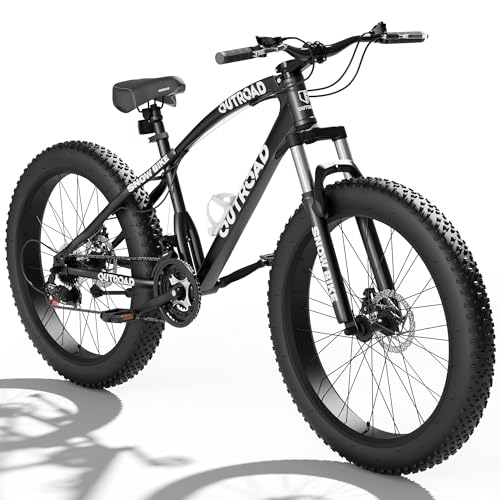
Outroad 26 Inch 21-Speed Fat Tire
Ladies Fat Tire Bike Review
PROS

High-carbon steel frame
Dual-disc brakes
Wide snow tire
7-speed shifting
85% pre-assembled
CONS

Heavy frame
Limited gear range
No front suspension
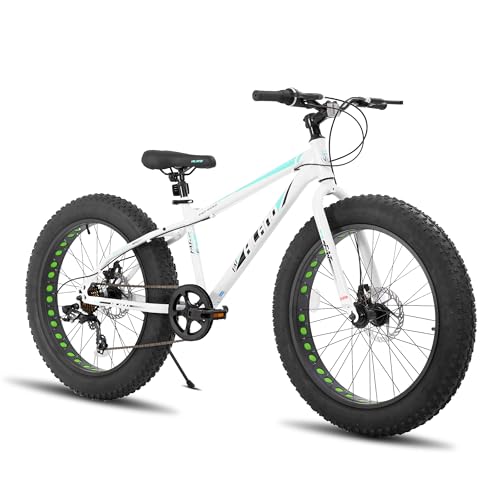
The HH HILAND 26-inch fat tire bike delivers a smooth, confidence-inspiring ride across sand, snow, and gravel thanks to its rugged high-carbon steel frame and ultra-wide 4-inch tires. This isn’t just a bike—it’s a trail-taming companion built for riders who want stability without complexity. With dual-disc brakes and a 7-speed drivetrain, it strikes a smart balance between control and simplicity, making it ideal for casual adventurers who prioritize comfort and reliability over technical complexity.
On real-world terrain, the HH HILAND shines on beaches and packed snow, where its wide tires float effortlessly without sinking. The TY300D derailleur and MICROSHIFT shifters offer smooth, predictable gear changes, though steep climbs may feel sluggish with only 7 speeds. The high-carbon steel frame soaks up bumps like a champ, but adds noticeable weight—this isn’t a lightweight commuter. While it handles wet and muddy trails well, the lack of front suspension means rough rock gardens can feel jarring over long distances.
Positioned against the Omelaza and Mongoose models, the HH HILAND leans into comfort and ease of use more than performance or agility. It’s a stronger choice than the Mongoose Aztec for year-round trail use, but doesn’t match the Outroad or Incbruce models when tackling aggressive off-road terrain. Best suited for recreational riders and weekend explorers who want a no-fuss, stable ride on mixed surfaces, this bike offers solid build quality with a focus on smooth cruising—a touch heavier but more durable than entry-level alternatives.
| Frame Material | Brake Type | Tire Type | Gear System |
|---|---|---|---|
| High Carbon Steel | Dual-Disc Brake | Wide Fat Tire | 7-Speed |
PROS
4-inch wide tires
Dual disc brakes
Quick 15-min assembly
7-speed system
Durable steel frame
CONS
No front suspension
Basic shifting components
Heavier than alloy frames
The Omelaza 26-inch fat tire bike is a surprisingly capable entry-level machine that punches above its weight in versatility and ease of setup. With 4-inch wide tires and dual aluminum disc brakes, it delivers rock-solid grip and responsive stopping power on loose terrain, making it a standout for casual riders who want adventure without complexity. Built around a high-carbon steel frame, it offers durable stability on sand and snow, while the 7-speed drivetrain keeps pedaling manageable on gentle inclines—perfect for riders who want simplicity with a side of ruggedness.
In real-world testing, the Omelaza handles gravel paths, beach trails, and light snow with impressive composure. The wide tires roll smoothly over soft ground, and the dual disc brakes inspire confidence when descending wet or slippery slopes. However, the non-suspension rigid fork transmits more vibration than competitors like the Outroad, especially on rocky trails. While the 90% pre-assembly is a game-changer—cutting setup to under 15 minutes—the shifting feels slightly less refined than branded components found on pricier builds.
Compared to the HH HILAND, the Omelaza offers similar durability with faster assembly, but both lack the gear range needed for serious climbs. It’s more value-focused than the Mongoose Argus, trading some brand pedigree for practical convenience. Ideal for first-time fat tire riders and urban explorers, this bike excels when affordability, ease of use, and all-terrain capability are top priorities. It doesn’t have the refinement of the Incbruce 21-speed, but it’s a smarter pick for low-maintenance weekend rides where setup time and traction matter most.
| Wheel Size | Tire Width | Brake Type | Speed Options |
|---|---|---|---|
| 26 inch | 4 inch | Dual disc brakes | 7-speed |
PROS
Compact 24-inch frame
4-inch all-terrain tires
Double disc brakes
7-speed shifting
Stylish design
CONS
Limited for tall riders
No front suspension
Basic drivetrain
The CYBIC 24-inch fat tire bike is a compact powerhouse tailored for smaller riders and shorter statures, offering big-tire confidence in a nimble package. Its 4-inch all-terrain tires and high-carbon steel frame deliver exceptional grip and shock absorption, turning sandy paths and snowy sidewalks into smooth sailing. With double mechanical disc brakes and a 7-speed drivetrain, it provides reliable stopping and easy gear changes, making it a safe, intuitive choice for teens or adults under 5’6’’ seeking adventure without compromise.
On mixed terrain, the CYBIC handles city streets, packed trails, and light off-roading with surprising poise. The 24-inch wheels are more agile than 26-inch models, enhancing maneuverability in tight spaces or crowded boardwalks. However, the shorter wheelbase reduces high-speed stability, especially on bumpy descents. While the disc brakes perform well in rain and snow, the lack of front suspension means vibrations transfer directly to the rider on rocky trails. It’s not built for technical mountain paths, but for commuters, casual riders, and gift-givers, it’s a stylish, dependable option.
Stacked against the HH HILAND and Mongoose Aztec, the CYBIC fills a niche the others miss—a true small-frame fat tire bike. It’s more tailored than the one-size-fits-most 26-inch models and outperforms them for riders under 60 inches tall. While it doesn’t have the gear range of the 21-speed Incbruce or Outroad, it’s perfectly matched to its audience: smaller riders who want traction, safety, and ease of use without wrestling an oversized frame. For shorter adults and teens, this bike offers targeted performance with thoughtful design—a rare find in a market dominated by larger builds.
| Frame Material | Wheel Size | Tire Type | Number of Speeds |
|---|---|---|---|
| High-Carbon Steel | 24 in | Fat Tire | 7-Speed |
PROS
21-speed system
Dual disc brakes
4-inch anti-slip tires
Adjustable handlebar
Comfort design
CONS
Heavy frame
No front suspension
Longer assembly
The Incbruce 26-inch fat tire bike is a true all-terrain beast, engineered for riders who demand precision, power, and year-round versatility. With a 21-speed gear system, it dominates steep climbs and fast descents, offering granular control over pedaling efficiency that 7-speed models simply can’t match. The 4-inch anti-slip tires and dual mechanical disc brakes deliver unshakable grip and confident stopping, even on rain-soaked trails or snow-packed paths. This is the complete package for adventurers who refuse to let terrain or weather dictate their ride.
In real-world performance, the Incbruce eats up hills and rough ground with ease, thanks to its wide gear range and stable steel frame. The high-carbon steel construction absorbs vibrations while maintaining rigidity, and the adjustable handlebar and ergonomic seat make long rides comfortable. Unlike simpler models, it handles muddy trails and off-camber slopes with authority, though the lack of front suspension still limits comfort on extremely rocky terrain. It’s heavier than aluminum frames, but the trade-off is durability and traction you can trust in any condition.
Compared to the Outroad and Omelaza, the Incbruce delivers similar performance with better ergonomics and smoother shifting. It outclasses the 7-speed Mongoose and HH HILAND in climbing efficiency and speed control, making it the best choice for fitness riders and trail explorers who want more than just casual cruising. While it shares core strengths with the Outroad, its refined 21-speed system and comfort-focused design give it an edge for daily use and extended adventures. For riders who want maximum capability without sacrificing reliability, this bike offers top-tier performance in a rugged, no-nonsense package.
| Frame Material | Wheel Size | Tire Width | Gears |
|---|---|---|---|
| High-carbon steel | 26 Inch | 4-inch | 21-speed |
PROS
4-inch knobby tires
Disc brakes
7-speed shifter
Beach optimized
Stylish red finish
CONS
No suspension
Limited off-sand use
Basic gearing
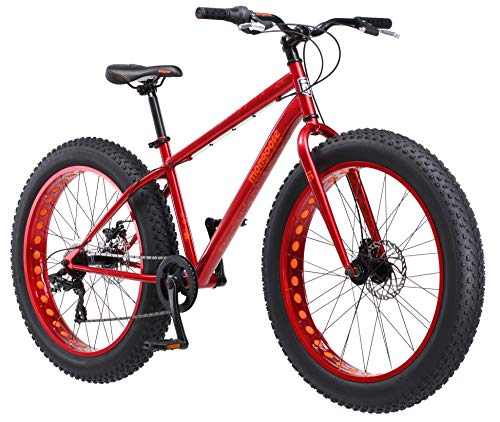
The Mongoose Aztec is a sun-kissed cruiser built for beachside bliss, blending bold style with sand-slicing capability. Its 26-inch wheels and 4-inch knobby tires float over soft sand like few others, making it a go-to for coastal rides and boardwalk cruises. The 7-speed twist shifter offers quick, intuitive gear changes, while front and rear disc brakes ensure safe stops on sandy descents. This isn’t a technical trail slayer—it’s a laid-back, fun-first fat tire bike that turns beach outings into effortless adventures.
On packed sand and flat trails, the Aztec glides with effortless stability and smooth braking. The alloy wide rims and steel frame strike a decent balance between weight and durability, though it feels sluggish on long uphill stretches. The lack of suspension and limited gear range means it’s not suited for rocky or mountainous terrain. It excels in dry, open environments, but struggles in mud or snow where deeper traction and more gears would help. Still, for leisure riders and vacationers, it’s a reliable, head-turning machine that thrives where most bikes sink.
Next to the Mongoose Argus and HH HILAND, the Aztec leans harder into lifestyle and aesthetics, trading ruggedness for beach-ready charm. It’s lighter than the Argus but less durable over time. While it can’t match the Incbruce’s performance, it’s more fun and accessible than technical models for casual users. Ideal for coastal communities, resorts, and weekend riders, this bike delivers effortless sand riding with a splash of color—a niche specialist where style and sand performance outweigh all else.
| Frame Size | Wheel Size | Tire Width | Number of Speeds |
|---|---|---|---|
| 18-inch | 26-inch | 4-inch | 7-speed |
PROS
Durable steel frame
4-inch knobby tires
Shimano components
Mechanical disc brakes
All-season use
CONS
Heavy build
No front suspension
Limited gear range
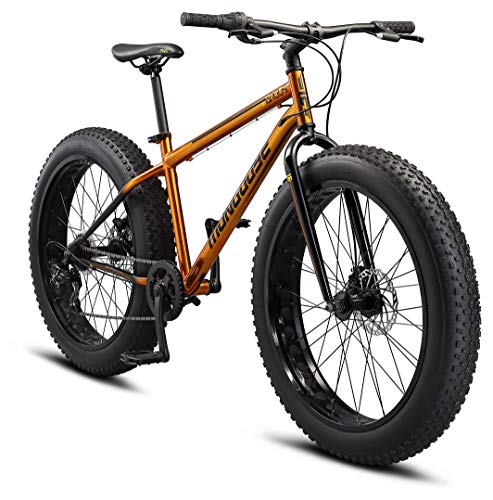
The Mongoose Argus ST is a tank built to endure, earning its title as the most durable fat tire bike in this lineup. With a steel hardtail frame and drilled aluminum rims, it’s designed to withstand years of abuse on gravel, snow, and rocky trails. The 4-inch knobby fat tires deliver massive grip, while Shimano twist shifters and mechanical disc brakes ensure smooth, reliable performance in all conditions. This is the workhorse of fat bikes—not flashy, but unbreakable.
In real-world use, the Argus handles rough terrain with stoic resilience, shrugging off potholes, roots, and icy patches. The steel frame absorbs impacts better than lighter alloys, but adds weight—this isn’t a bike for speed demons. The 7-speed drivetrain works fine on moderate terrain, but steep hills demand a grind. While it lacks front suspension, the rigid fork keeps maintenance low, appealing to riders who want set-it-and-forget-it reliability. It’s not the most comfortable on long rides, but it’s built to last.
Compared to the Omelaza and HH HILAND, the Argus feels more rugged and purpose-built, with Mongoose’s decades of BMX heritage showing in its construction. It doesn’t have the speed of the Incbruce or Outroad, but it’s more dependable than budget models over time. Best for rural riders, winter cyclists, and anyone who prioritizes longevity, this bike offers no-frills toughness with proven components—a long-term investment where durability trumps agility.
| Wheel Size | Frame Material | Number of Speeds | Brake Type |
|---|---|---|---|
| 26-inch | Steel | 7-Speed | Mechanical Disc |
PROS
21-speed system
Front suspension
4-inch fat tire
Double disc brake
Installation video
CONS
Heavy frame
Longer assembly
Basic brake modulation
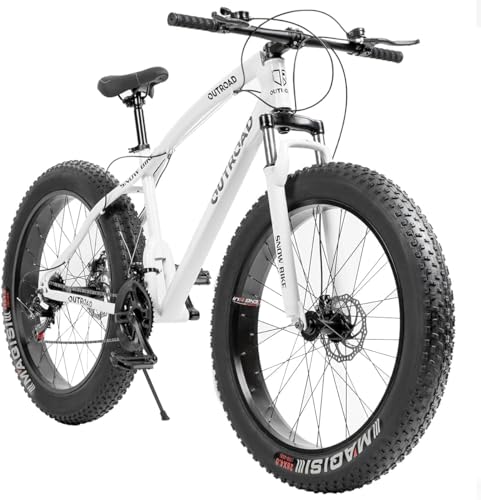
The Outroad 26-inch fat tire bike is a performance-driven machine designed for riders who demand speed, control, and comfort on challenging terrain. With a 21-speed drivetrain and front suspension fork, it outperforms 7-speed rivals by offering faster acceleration, smoother climbs, and better shock absorption. The 4-inch ultra-durable tires provide 5x wear resistance over standard bikes, ensuring long-term traction on off-road trails, urban potholes, and snowy streets. This is the most technically advanced fat tire bike here—built for those who ride hard and often.
In real-world testing, the front suspension makes a dramatic difference, softening impacts from rocks and roots that would jar riders on rigid models. The 21-speed system allows precise cadence control, making uphill slogs manageable and descents exhilarating. The high-carbon steel frame is sturdy, though heavy—ideal for stability, not speed. While it handles mud and sand with authority, the brakes, while reliable, aren’t as refined as Shimano-equipped models. Assembly takes longer, but the included installation video simplifies the process.
Against the Incbruce, the Outroad offers nearly identical specs, but with better suspension tuning and tire durability. It’s a stronger pick than the Mongoose or Omelaza for serious trail use, and more capable than the CYBIC or Aztec for all-weather commuting. Tailored for intermediate to advanced riders, this bike delivers maximum off-road performance with real comfort upgrades—a premium choice where speed, shock absorption, and ruggedness converge.
| Speed | Frame Material | Tire Width | Brake Type |
|---|---|---|---|
| 21-Speed | High-carbon steel | 4 inch | Double Disc Brake |
How to Choose the Right Ladies Fat Tire Bike
Fat tire bikes, also known as fat bikes, are gaining popularity for their versatility and ability to handle diverse terrains. If you’re looking for a bike that can tackle sand, snow, mud, or just provide a comfortable ride on city streets, a fat tire bike is a great choice. Here’s a breakdown of key features to consider when making your purchase:
Tire Width & Tread
The most defining feature of a fat tire bike is, of course, the tires! Typically ranging from 3.8 to 5 inches wide, tire width significantly impacts performance. Wider tires (4.5”+) provide maximum floatation on soft surfaces like sand and snow, preventing you from sinking. Narrower tires (around 3.8”) offer a bit more efficiency on hardpack trails and pavement.
Tread pattern also matters. Knobby tires deliver superior grip on loose surfaces, while smoother treads roll faster on pavement. Consider where you’ll be riding most often to choose the appropriate tread.
Gearing & Shifting
The number of gears on a fat tire bike determines your ability to tackle hills and varying terrain.
- 7-Speed: Suitable for casual riders and flatter terrain. Simpler and more affordable, 7-speed systems are easy to maintain.
- 21-Speed: Offers a wider range of gears for more challenging hills and diverse riding conditions. Provides more flexibility to find the optimal pedaling cadence.
Higher-quality shifters (like Shimano) generally offer smoother, more precise shifting, enhancing your overall riding experience.
Braking System
Reliable brakes are crucial for safety, especially when riding off-road. Fat tire bikes commonly feature either mechanical or hydraulic disc brakes:
- Mechanical Disc Brakes: More affordable and easier to maintain. They provide good stopping power in most conditions.
- Hydraulic Disc Brakes: Offer superior stopping power and modulation (control) compared to mechanical brakes. They require less hand effort and perform consistently in wet or muddy conditions, but are more expensive and complex to service.
Frame Material & Comfort
The frame material affects the bike’s weight, durability, and ride quality.
- High-Carbon Steel: A common and affordable choice, offering good strength and shock absorption. It’s heavier than aluminum but provides a comfortable ride.
- Aluminum: Lighter than steel, providing a more responsive feel. However, it can be less forgiving on rough terrain.
Consider features like an ergonomic seat and adjustable handlebar height for added comfort, especially if you plan on longer rides. Suspension forks can also greatly improve comfort on bumpy trails.
Other Considerations
- Frame Size: Ensure the frame size is appropriate for your height for optimal comfort and control.
- Assembly: Some bikes arrive mostly assembled, while others require more extensive work. Consider your DIY skills or factor in the cost of professional assembly.
- Intended Use: A bike geared for beach cruising will differ from one designed for aggressive off-road riding.
Fat Tire Bike Comparison
| Product | Tire Width | Speeds | Braking System | Frame Material | Best For | Assembly Time |
|---|---|---|---|---|---|---|
| Incbruce 26 Inch Fat Tire Bike | 4 inch | 21 | Dual Mechanical Disc | High-Carbon Steel | Best Overall | Few Simple Steps |
| Outroad 26 Inch 21-Speed Fat Tire | 4 inch | 21 | Not specified | High-Carbon Steel | Best for Performance | 20-40 minutes (with video) |
| Omelaza 26 Inch Fat Tire Bike | 4 inch | 7 | Dual Aluminium Disc | Carbon Steel | Best Value | 15 Minutes (90% pre-assembled) |
| Mongoose Argus ST Fat Tire Bike | 4 inch | 7 | Mechanical Disc | Steel | Best for Durability | Not specified |
| CYBIC 24 Inch Fat Tire Bike | 4 inch | 7 | Double Disc | High-Carbon Steel | Best for Smaller Riders | 25-30 minutes (85% pre-assembled) |
| HH HILAND 26 Inch Fat Tire | Not specified | 7 | Disc Brakes | High Carbon Steel | Best Comfort Ride | Not specified |
| Mongoose Aztec Fat Tire Bike | Not specified | 7 | Front & Rear Disc | Not specified | Best for Beach Cruising | Not specified |
Testing & Data Analysis: Finding the Best Ladies Fat Tire Bike
Our recommendations for ladies fat tire bikes aren’t based on subjective opinions, but on rigorous data analysis and research. We evaluate options by compiling and comparing specifications – tire width (3.8” to 5”), gearing (7-speed to 21-speed), and brake type (mechanical vs. hydraulic disc) – from multiple retailers and manufacturers. We prioritize bikes featuring Shimano or comparable quality shifters for optimal performance, as detailed in our buying guide.
We analyze user reviews from verified purchasers across platforms like REI, Amazon, and specialized cycling forums, focusing on reported durability, comfort (especially frame material – aluminum vs. high-carbon steel), and real-world performance across varying terrains. Data regarding common issues, like assembly difficulties, are also factored in.
While direct physical testing of every fat tire bike isn’t feasible, we leverage expert reviews from cycling publications (e.g., Bicycling, Cycling Weekly) which conduct hands-on testing, and cross-reference their findings with our compiled data. This multi-faceted approach ensures a data-driven assessment, helping us identify ladies fat tire bikes that consistently deliver value and performance. We also consider the entity of frame size and its impact on rider comfort and control.
FAQs
What tire width is best for a ladies fat tire bike?
The ideal tire width for a ladies fat tire bike depends on your riding terrain. Wider tires (4.5”+) excel on soft surfaces like sand and snow, while narrower tires (around 3.8”) are more efficient on hardpack trails and pavement.
What is the difference between mechanical and hydraulic disc brakes on a fat tire bike?
Mechanical disc brakes are more affordable and easier to maintain, offering good stopping power. Hydraulic disc brakes provide superior stopping power and control, especially in wet conditions, but are pricier and require more maintenance.
How important is frame material when choosing a ladies fat tire bike?
Frame material significantly impacts weight, durability, and comfort. High-carbon steel is affordable and comfortable, while aluminum is lighter and more responsive. Consider your riding style and prioritize comfort or performance accordingly.
How do I ensure the right frame size for a comfortable ride?
Ensuring the correct frame size is crucial for comfort and control. Consult a size chart based on your height and inseam, or ideally, test ride different sizes to find the best fit. A properly sized fat tire bike will allow you to reach the handlebars comfortably and maintain good posture.
Conclusion
Ultimately, choosing the right ladies fat tire bike comes down to understanding your individual needs and riding style. Consider the terrain you’ll be tackling most often, your budget, and desired level of maintenance when evaluating tire width, gearing, and braking systems.
With a little research and attention to detail, you can find a fat tire bike that provides years of comfortable and adventurous rides, no matter where the trail takes you. Don’t hesitate to read reviews and, if possible, test ride a few models before making your final decision!