You’ve probably wondered what the biggest dirt bike size is while scrolling through forums or watching videos of massive machines tearing up trails. The truth is, the answer isn’t simple—it depends entirely on whether you’re shopping for a new machine, considering a used classic, or exploring specialty competition bikes that push engineering to its limits. Modern racing regulations have dramatically reshaped what’s available, making the 450cc class the practical ceiling for new motocross bikes despite legendary 500cc two-strokes dominating the past.
Understanding the biggest dirt bike size landscape helps you avoid wasting time on machines that no longer exist while directing your search toward what’s realistically available. Whether you’re a tall rider needing proper ergonomics, an experienced pilot craving serious power, or just curious about displacement extremes, knowing the current boundaries prevents disappointment when browsing dealerships or online listings.
Why 450cc Represents the Current Biggest Dirt Bike Size Limit
The 450cc four-stroke class stands as the undisputed maximum displacement for new production motocross bikes, and for good reason. Racing organizations officially deprecated the 500cc class after factory machines became dangerously powerful, with injury rates climbing as riders struggled to control their explosive power delivery on race tracks. Today’s 450cc machines deliver power outputs that often match or exceed older 500cc two-strokes while offering more manageable power delivery and reduced maintenance demands.
Modern 450cc four-strokes like the Yamaha YZ450F and KTM 450 SX-F weigh approximately 230-240 pounds, making them significantly heavier than the 500cc two-strokes of the past but surprisingly nimble for their displacement. A typical 450cc four-stroke produces 55-60 horsepower—substantial power that requires experienced handling but remains within safety parameters established by racing bodies. For riders seeking the biggest dirt bike size available new from dealerships, the 450cc class delivers maximum performance within current safety frameworks.
Legendary Discontinued Two-Stroke Giants That Defined Big Displacement
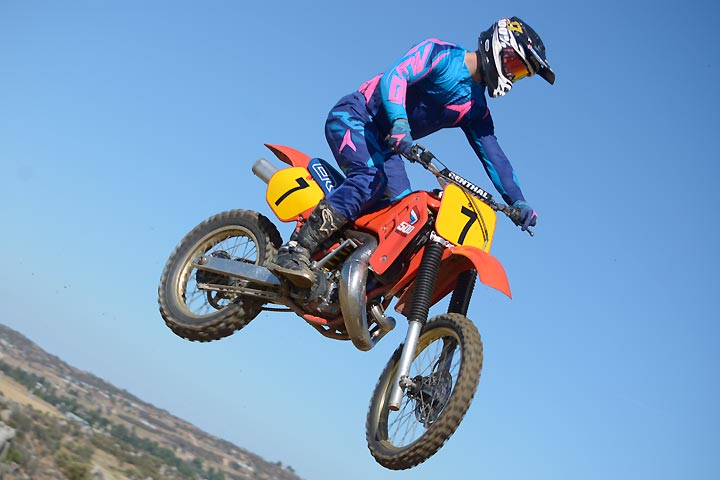
Honda CR500R: The Two-Stroke Powerhouse That Changed Racing
The Honda CR500R remains the most iconic representation of the biggest dirt bike size from the two-stroke era, producing an intimidating 70+ horsepower from its massive 497cc single-cylinder engine. This purpose-built machine featured a notoriously challenging single kick starter that became legendary—difficult to operate when hot, creating moments of frustration that seasoned riders learned to anticipate. Weighing just 219-228 pounds, the CR500R proved surprisingly agile despite its displacement, with riders describing its powerband as either “stump-pulling low end” or “arm-stretching mid range” depending on rider skill.
Factory CR500R machines became so powerful that they directly contributed to the dissolution of the 500cc racing class. The explosive power delivery created dangerous conditions on tracks, leading racing organizations to mandate the transition to smaller displacement classes that prioritized rider safety without sacrificing competitive excitement.
Kawasaki KX500: The Gold-Piped Competitor
The Kawasaki KX500 served as Honda’s primary rival in the 500cc two-stroke segment, offering comparable performance while featuring Kawasaki’s distinctive engineering approach. This machine gained legendary status among enthusiasts for its signature gold exhaust pipe—an identifying characteristic collectors still seek on preserved examples. Like the CR500R, the KX500 delivered explosive power that demanded experienced handling, ultimately leading to its discontinuation as manufacturers shifted toward smaller, more manageable displacements.
Maico 700: The Two-Stroke Monster Few Riders Have Experienced
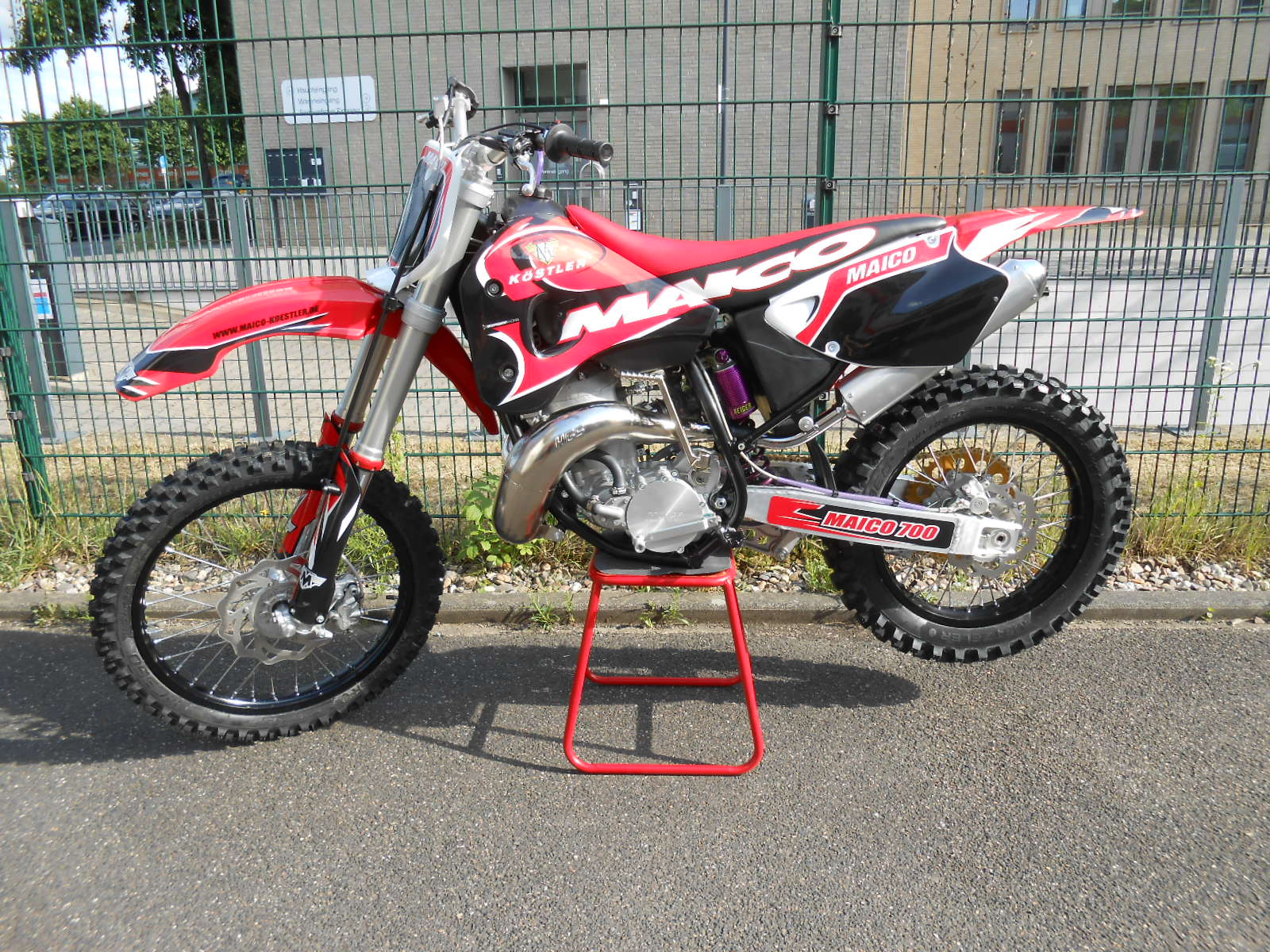
The Maico 700 represents one of the most extreme examples of the biggest dirt bike size ever produced, pushing two-stroke technology to approximately 700cc displacement. This German-engineered machine generated around 80 horsepower—an astonishing figure for a two-stroke dirt bike—and weighed approximately 260 pounds. The Maico 700 embodied the absolute limits of two-stroke dirt bike engineering, creating a machine that few riders could truly master.
Tracking down current information about Maico motorcycles proves challenging, as the manufacturer never established a strong online presence. Documentation of recent models remains scarce, reflecting the niche status of these extreme displacement machines in today’s market where few manufacturers pursue such ambitious engineering.
Honda XR650R: The Four-Stroke Trail Dominator
Why This 650cc Machine Still Matters for Big Riders
The Honda XR650R stands as the definitive large-displacement four-stroke dirt bike still relevant today, offering 40+ horsepower from its air-cooled 649cc engine. This machine achieved legendary status in desert racing and adventure riding applications, where its robust low-end torque provided reliable power across diverse conditions. Weighing approximately 307 pounds with lights, license plate, rear rack, and typical fuel levels, the XR650R sacrifices some agility for durability and stability at speed.
The XR650R’s power delivery makes it particularly suitable for technical trail riding where maintaining momentum matters more than peak power. Its engine design emphasizes low-RPM torque, addressing the common complaint among former two-stroke riders that their machines lacked usable power in the low-to-mid range. For taller riders seeking the biggest dirt bike size with manageable power delivery, the XR650R remains a compelling choice with strong used market availability.
Adventure Bikes Pushing the Displacement Boundary

BMW 1200GS: The Off-Road Capable Road Giant
While not a pure dirt bike, the BMW 1200GS represents one of the largest displacement production motorcycles with genuine off-road capability. Its 1,170cc flat-twin engine produces 105+ horsepower and delivers substantial low-end torque suitable for trail riding despite its 500+ pound weight. The 1200GS specifically surpassed the earlier 1150GS in displacement, making it the larger option in BMW’s adventure lineup.
Adventure bikes like the 1200GS blur the line between dedicated dirt bikes and road-capable machines, offering displacement far beyond traditional off-road motorcycles while sacrificing dirt bike handling characteristics. For riders who need occasional off-road capability alongside highway performance, these machines represent the practical upper displacement limit.
Husqvarna 701: The Modern Large-Displacement Compromise
The Husqvarna 701 continues the brand’s tradition of producing capable off-road motorcycles with modern engineering and reasonable maintenance requirements. This single-cylinder 690cc machine provides substantial displacement in a package that remains accessible to intermediate riders while delivering the low-end torque characteristics large-displacement four-strokes provide. Weighing approximately 330 pounds, the 701 strikes a balance between power and manageability that appeals to riders seeking the biggest dirt bike size without extreme maintenance demands.
Hill Climb Specials: The True Displacement Extremes
Some of the biggest dirt bike size examples emerged from hill climb competition, where rules differ dramatically from traditional motocross. Historical hill climb machines occasionally featured dual engines mounted together, with documented examples reaching 1,200cc displacement before nitro injection technologies pushed limits even further. These machines prioritized straight-line power over handling or weight considerations, creating true engineering marvels that rarely saw use in traditional dirt bike applications.
The engineering solutions developed for hill climb competition pushed technical feasibility boundaries, with manufacturers experimenting with unconventional approaches to maximize power output. While these machines demonstrate theoretical displacement limits, they rarely conform to traditional dirt bike classifications and served extremely specialized applications.
How to Choose the Right Big Displacement Bike for Your Needs
Matching Displacement to Your Riding Style
Selecting appropriate displacement requires honest assessment of your skill level and intended use. The biggest dirt bike size isn’t necessarily the best choice—larger machines demand experienced riders who can manage explosive power delivery. Trail riders often find moderate displacement paired with appropriate gearing delivers better experiences than maximum displacement with unmanageable power.
For tall riders (6’4″+), ergonomic considerations become critical. The distance between seat and foot pegs affects comfort significantly, with taller riders often needing seat modifications or handlebar risers to achieve proper positioning. The XR650R’s adjustable ergonomics make it particularly suitable for larger riders seeking substantial displacement without extreme power characteristics.
Weight vs. Power Tradeoffs You Must Consider
The weight difference between large two-strokes and four-strokes significantly impacts riding experience. The CR500R’s 220-pound weight made it surprisingly nimble despite its massive engine, while the XR650R’s 307-pound weight provides stability at the cost of agility. For trail riding without jumps or aggressive track use, the weight disadvantage of larger four-strokes becomes less significant than for competition applications.
Two-stroke ownership costs have increased substantially over the years, with many riders noting these machines have become “really expensive” compared to historical pricing. This cost increase affects both purchase prices and ongoing maintenance expenses—factors that significantly impact long-term ownership.
Current Market Reality for Big Displacement Dirt Bikes
The biggest dirt bike size available new from dealerships remains firmly in the 450cc class for dedicated motocross applications, with larger displacements available only in dual-sport and adventure categories. The used market offers access to discontinued classics like the CR500R and XR650R, though prices vary dramatically based on condition and rarity.
When shopping for the biggest dirt bike size, research specific model histories thoroughly. Some discontinued models have developed reputations for mechanical issues affecting long-term ownership. For most riders seeking substantial displacement with modern reliability, the XR650R or Husqvarna 701 represent the most practical options despite not being the absolute largest displacement machines ever created.
Final Takeaway: The biggest dirt bike size depends entirely on your definition—450cc for new motocross bikes, 500cc for discontinued two-strokes, 700cc for rare Maicos, and over 1,000cc for specialized machines. For practical riding today, the Honda XR650R’s 650cc four-stroke offers the best combination of substantial displacement, manageable power delivery, and real-world usability for most riders seeking a large dirt bike. Always prioritize matching displacement to your skill level rather than chasing the biggest number—your riding experience will improve dramatically when your machine complements rather than overwhelms your abilities.