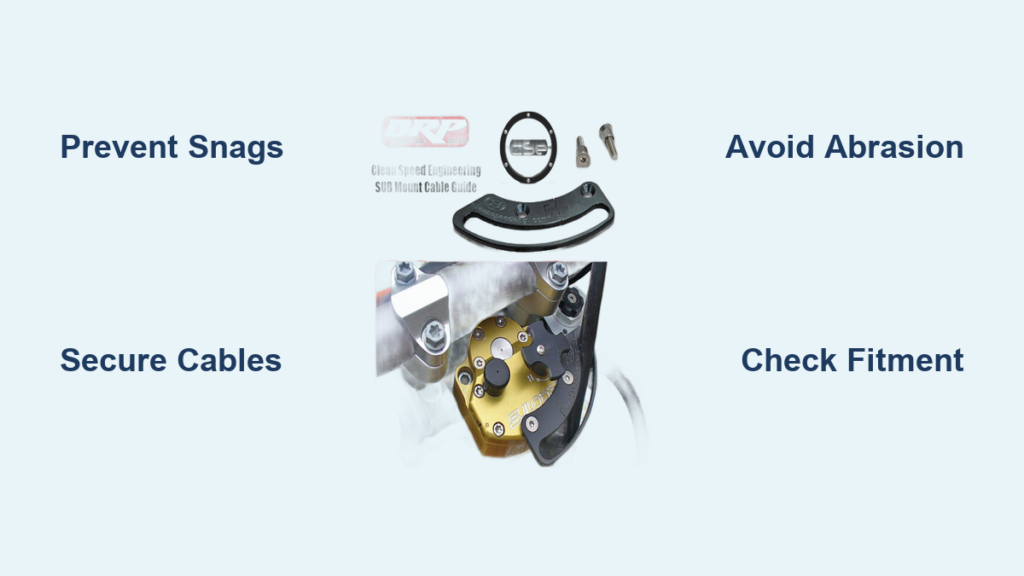
Ever had your throttle cable catch on a branch mid-corner or felt your brake lever go mushy from a frayed line? You’re not alone. A properly installed dirt bike cable guide protects your control cables from trail debris, prevents dangerous snags on vegetation and gear, and keeps your throttle, brake, and clutch cables organized through technical terrain. Without these small but critical components, cables dangle dangerously near suspension components, hot exhaust systems, and trail obstacles that cause abrasion, kinking, or complete failure. Whether you’re navigating tight singletrack with hand guards and GPS units or racing motocross tracks where every millisecond counts, the right dirt bike cable guide means the difference between reliable control and mid-ride equipment failures that could end your ride—or worse, cause a crash.
The market offers solutions from $5 plastic brackets to $20 precision-machined aluminum guides, each designed for specific riding styles and bike configurations. Understanding what makes certain cable guides superior for your application helps avoid costly mistakes and keeps your controls functioning when you need them most. This guide reveals exactly which cable guides deliver reliable performance for your riding style, how to install them correctly the first time, and what critical compatibility factors most riders overlook before making a purchase.
Why Your Dirt Bike Needs a Cable Guide Immediately
Dirt bike cable guides prevent control cable damage that leads to dangerous riding situations and expensive repairs. Without proper routing, throttle, brake, and clutch cables hang vulnerably near moving suspension components and trail obstacles that cause abrasion and premature failure. Front brake lines are especially susceptible to damage as they route near the front wheel where water, mud, and debris create aggressive wear environments. Riders frequently report throttle cables catching on branches, chest protectors, body armor, and even action cameras mounted on gear—creating dangerous situations where throttle control becomes compromised mid-corner.
Modern dirt bikes often leave cable management as an afterthought in their design, particularly motocross machines with minimal factory routing solutions. Aftermarket upgrades like hand guards, GPS units, and mirrors compound the problem by adding more cables to already-crowded handlebar areas. A properly installed dirt bike cable guide solves these routing challenges by securing cables along predetermined paths away from potential snagging points and interference with other components.
What Happens When Cable Guides Fail During Riding?
When cable guides fail or are missing, riders face immediate performance issues and safety hazards. A loose throttle cable can snag on vegetation, causing unintended acceleration at the worst possible moment. Brake lines rubbing against suspension components develop weak spots that lead to fluid leaks and complete brake failure. Clutch cables exposed to trail debris develop internal fraying that creates inconsistent clutch engagement and potential slippage during critical moments.
Professional mechanics report seeing dozens of cable-related failures each riding season directly attributable to poor cable management. These aren’t minor inconveniences—they’re ride-ending equipment failures that often require trail-side repairs or complete cable replacement. Installing the right dirt bike cable guide prevents these scenarios by keeping cables securely positioned away from hazards.
Budget Cable Guides Under $10 That Actually Work
Riders seeking functional cable management without significant investment have several viable options that deliver reliable performance for casual trail riding.
Acerbis Number Plate Cable Guide (Part# 1604280001) at $4.99 represents the most affordable solution, mounting directly to the front number plate as a dedicated brake line guide. This unit solves a common compatibility issue when upgrading to aftermarket triple clamps that lack integrated mounts. Available exclusively in black, this guide maintains adequate stock levels with most retailers carrying 5+ units.
Cycra Brake Cable Guide at $7.99 offers color options in white and black to match your bike’s aesthetic. With a solid 4 out of 5 star rating, this unit reflects Cycra’s established reputation for quality construction and precise fitment. The slightly higher price point delivers enhanced durability over the most basic options.
Ride Engineering Cable Guide at $8.95 stands out with perfect 5-star ratings across all customer reviews. Available in black and red with occasional 10% sale discounts, this unit combines quality construction with market-leading customer satisfaction. When on sale, it effectively matches or beats lower-priced competitors while delivering superior performance ratings—making it the best value in the budget category.
Premium Cable Guides Worth the Investment
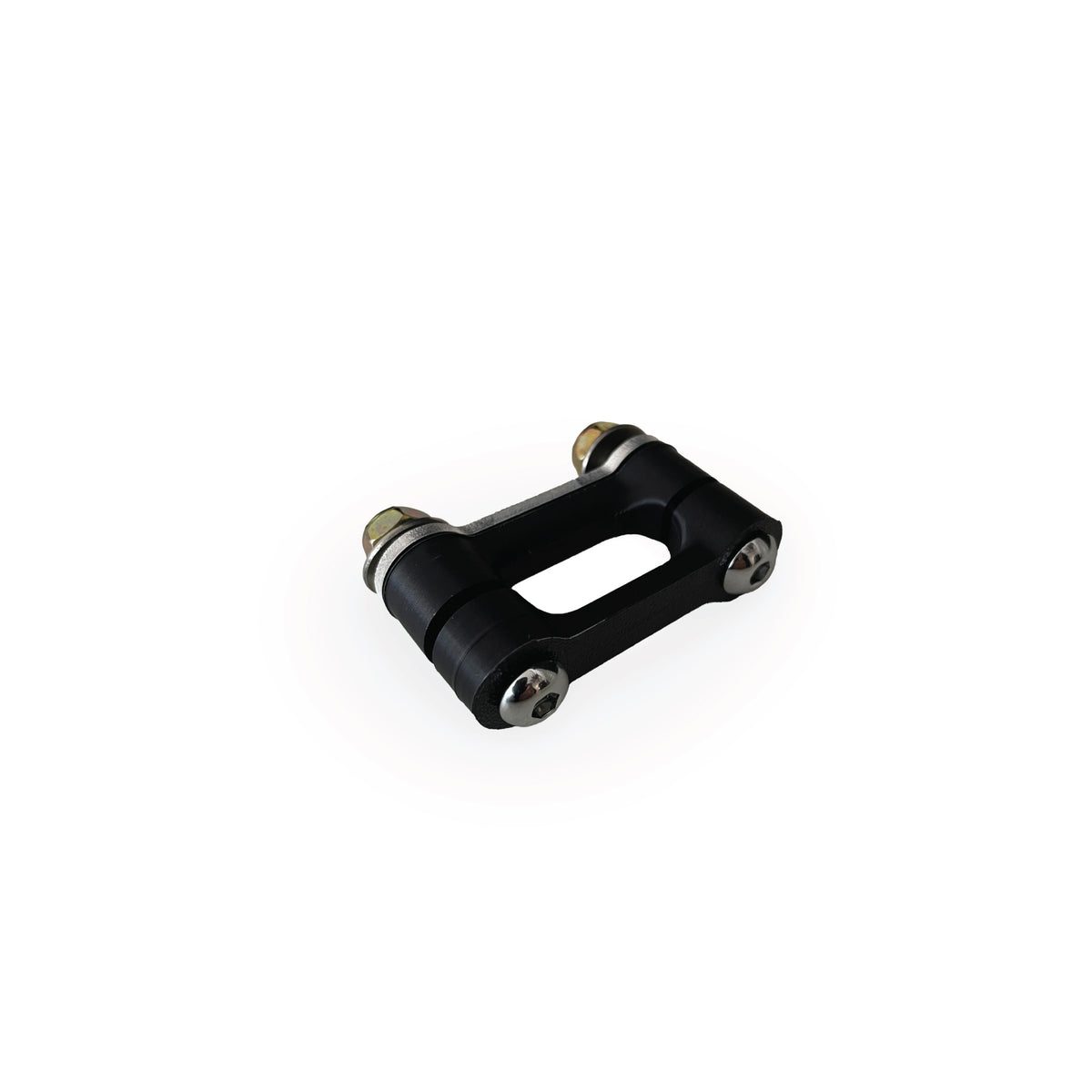
For riders demanding exceptional performance and durability, premium cable guides justify their higher pricing through superior materials and specialized functionality.
Apex Cable Guide at $19.95 represents the premium segment with American manufacturing using high-strength aluminum alloy and black anodized finish for excellent corrosion resistance. This precision-machined unit measures 3.5″ x 1.25″ x 0.75″ and weighs just 1.8 ounces. The package includes stainless steel mounting hardware to prevent rust failures common with budget alternatives.
What truly distinguishes the Apex Cable Guide is its specialized functionality for modern dirt bike applications. It’s specifically designed for front brake line management and compatible with both standard cable configurations and dropper post setups—addressing a common concern for riders with adjustable seatposts. The tool-free installation system allows for quick adjustments without tools, perfect for trail-side maintenance.
How Aluminum Cable Guides Outperform Plastic Alternatives
Premium aluminum cable guides offer significant advantages over budget plastic options. High-strength aluminum alloy with anodized finishes provides superior strength-to-weight ratios while resisting corrosion from water, mud, and cleaning chemicals. The anodization process creates a hard, non-reactive surface that protects against wear and allows for various color options.
Plastic guides resist rust inherently but exhibit greater wear over time, particularly in high-friction applications. More expensive plastic composites can approach aluminum durability but still can’t match the longevity of properly constructed aluminum units. Stainless steel hardware included with premium guides ensures corrosion-resistant mounting that maintains structural integrity through repeated exposure to trail conditions—something budget guides often neglect.
How to Install Your Dirt Bike Cable Guide Correctly
Proper installation determines whether your cable guide performs reliably or becomes another point of failure. Follow these critical steps for secure mounting:
- Identify optimal mounting location based on cable routing needs and interference with existing components
- Clean mounting surface thoroughly to ensure proper adhesion and prevent movement
- Position cable guide with appropriate tension—not so tight that it kinks cables, not so loose that cables can vibrate
- Secure mounting hardware to manufacturer specifications—avoid over-tightening which can crack plastic components
- Test cable operation through full range of motion before riding
Number plate-mounted guides like the Acerbis unit typically require basic hand tools for secure installation. For plastic number plates, use longer fasteners with smaller heads to distribute clamping force and prevent cracking. Handlebar-mounted configurations demand careful measurement of available space before purchasing, as handlebar real estate becomes precious with multiple accessories.
Common Installation Mistakes That Cause Cable Failures
Most cable guide failures stem from improper installation rather than product defects. The most common mistakes include:
- Mounting guides too close to moving suspension components causing repeated cable abrasion
- Over-tightening mounting hardware which cracks plastic guides or strips aluminum threads
- Routing cables with sharp bends that create internal cable fraying over time
- Ignoring dropper post compatibility leading to cable interference with seatpost operation
- Failing to secure cables properly within guides allowing movement that creates new wear points
How to Verify Cable Guide Compatibility Before Buying

Fitment verification represents a critical step that prevents frustration and returns. The Apex Cable Guide, for example, is specifically designed for use with Apex Panel and Chainsaw Panel systems with clear incompatibility for other panel configurations. Before purchasing any dirt bike cable guide, verify these three critical compatibility factors:
- Mounting surface compatibility – Will it fit your number plate, triple clamp, or panel system?
- Cable diameter accommodation – Does it support your specific cable thickness?
- Accessory clearance – Will it interfere with hand guards, GPS units, or dropper posts?
Products explicitly stating fitment applications, like the Acerbis unit’s compatibility with aftermarket triple clamps, provide clearer guidance than universal fitment claims. When universal fitment is advertised, research customer experiences with your specific bike model to identify potential issues.
Maintenance Checklist for Long-Lasting Cable Guides
Regular inspection of your dirt bike cable guide should accompany routine motorcycle maintenance. Establish this simple protocol:
- Check mounting hardware tightness before every ride—vibration gradually loosens bolts
- Inspect cable contact surfaces for wear grooves that could accelerate cable damage
- Clean accumulated debris during regular bike washing, avoiding harsh chemicals on anodized surfaces
- Verify cable routing after muddy or dusty rides to ensure no interference developed
Replace cable guides at the first sign of excessive wear—premature cable replacement costs far more than timely guide replacement. Pay particular attention to brake line guides, as compromised brake cables create immediate safety hazards that aren’t worth risking.
How to Choose the Perfect Cable Guide for Your Riding Style

Selecting the right dirt bike cable guide begins with matching product capabilities to your specific needs:
- Casual trail riders benefit from budget options like the Acerbis Number Plate Guide that solve basic brake line management
- Aggressive trail riders need mid-range guides like the Ride Engineering unit that balance durability and cost
- Racers and technical terrain specialists require premium guides like Apex that withstand demanding use and maintain precise cable positioning
Consider your accessory setup—riders with GPS units, mirrors, or dropper posts need specialized guides that accommodate additional components. Brand reputation provides valuable quality indicators, with established manufacturers like Acerbis, Cycra, and IMS carrying industry reputations that inform product expectations.
The right dirt bike cable guide, properly installed and maintained, becomes an invisible component that simply works reliably ride after ride. By matching product capabilities to your specific needs, you gain the peace of mind that comes from knowing your control cables are protected and won’t fail when you need them most.