When a vehicle slams into your dirt bike and speeds away, you’re left with more than just physical injuries—you face a complex legal maze while trying to recover. Dirt bike hit-and-run incidents have devastating consequences for riders, as seen in the recent San Antonio case where a 24-year-old rider suffered serious injuries after a dark SUV driver fled the scene. These collisions create unique challenges because dirt bike riders lack the protective structure of enclosed vehicles, making them disproportionately vulnerable to life-altering injuries. Understanding exactly what to do immediately after a hit-and-run can determine whether you receive proper compensation and whether the fleeing driver faces accountability for their actions.
Immediate Actions After a Dirt Bike Hit-and-Run Collision
Your physical condition and legal rights depend on what you do in the critical minutes following a hit-and-run incident. Prioritizing safety while gathering evidence creates the foundation for both medical recovery and legal action against the fleeing driver.
Secure Your Safety First
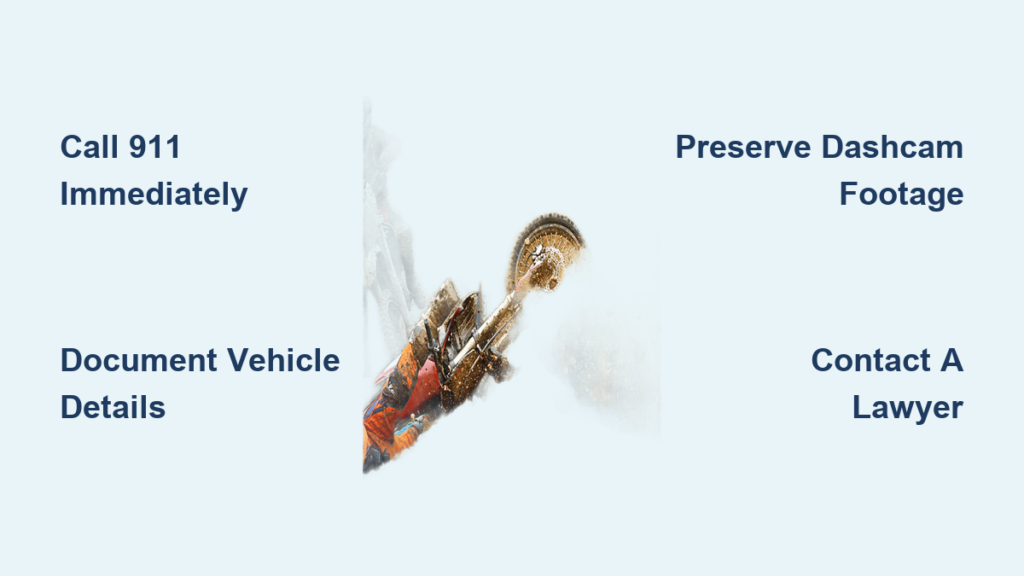
Before anything else, move to a safe location away from traffic if you’re physically able. Even if you feel fine initially, adrenaline can mask serious injuries—never assume you’re okay after being struck by a vehicle. Call 911 immediately and request both police and medical assistance, emphasizing that the driver fled the scene. While waiting for help, try to note your exact location (street names, landmarks, mile markers) as precisely as possible. If you have a passenger or witness with you, ask them to photograph your injuries and the scene before evidence disappears.
Critical mistake to avoid: Don’t chase the fleeing vehicle or confront bystanders who might have seen the incident. Your safety takes priority over immediate identification of the driver—police need you medically stable to provide accurate statements later.
Document Everything You Can Recall
While waiting for emergency responders, mentally record every detail you remember about the collision and the fleeing vehicle. Focus on specific characteristics: vehicle type (SUV, sedan, truck), color (not just “dark-colored” but “navy blue” or “charcoal gray”), approximate year (newer model, older vehicle), and any distinctive features like roof racks, bumper stickers, or visible damage. Did the vehicle have tinted windows? Was it making unusual noises? Even seemingly minor details help police narrow their search.
Pro tip: If you’re unable to write, ask a witness to record your verbal account immediately—memory fades quickly after trauma. Police investigations often hinge on these initial eyewitness descriptions, as seen in the San Antonio case where officers are still searching for a dark SUV with no specific model identified.
Police Investigation Process for Dirt Bike Hit-and-Runs
Understanding how law enforcement builds hit-and-run cases helps you provide the most valuable information and manage expectations about the investigation timeline. Police deploy specialized techniques to track down drivers who flee collision scenes, but their success often depends on the quality of initial evidence.
How Officers Reconstruct the Collision Scene
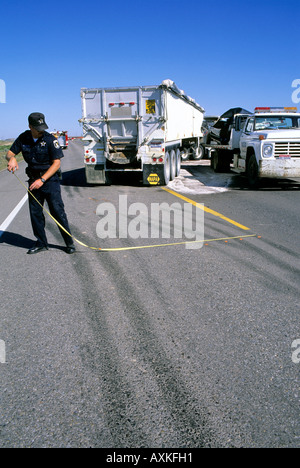
When police arrive, they’ll meticulously document physical evidence that could identify the fleeing vehicle. Officers measure skid marks, photograph debris patterns, and collect any fragments left behind—like plastic pieces from headlights, paint chips, or broken turn signal housings. These small clues often reveal the vehicle make and model. In the San Antonio incident at West Martin Street and North Trinity, investigators would have examined dirt bike damage patterns to determine the SUV’s approach angle and speed at impact.
What to expect: Police will ask you to describe the collision sequence multiple times. Be consistent with your account but don’t guess—say “I don’t remember” rather than speculate. Your statements help officers verify or challenge physical evidence at the scene.
Leveraging Technology to Track Fleeing Drivers
Modern hit-and-run investigations increasingly rely on video evidence from multiple sources. Police will canvass businesses within a mile radius for security camera footage, check traffic cameras at nearby intersections, and request dashcam recordings from passing vehicles. In urban areas like San Antonio’s West Side, doorbell cameras often capture crucial evidence that solves these cases.
Action step: If you have a dashcam or smartphone video of your ride before the collision, preserve it immediately—don’t overwrite the footage. Even recordings showing normal riding conditions moments before impact establish your speed and behavior for investigators.
Maximizing Compensation When the Driver Flees
Victims of dirt bike hit-and-runs face unique financial challenges when the responsible party remains unidentified. Knowing your coverage options prevents you from bearing the full cost of someone else’s negligence.
Uninsured Motorist Coverage Claims Process
Most auto insurance policies include uninsured motorist (UM) coverage that applies even when you’re riding a dirt bike. Unlike standard collision coverage, UM benefits compensate you for medical bills, lost wages, and pain and suffering when the at-fault driver can’t be identified or lacks insurance. To file successfully:
- Report the incident to your insurer within 24 hours
- Provide police report number and case details
- Submit medical records documenting injury severity
- Keep detailed records of all accident-related expenses
Key insight: In Texas (where the San Antonio incident occurred), UM coverage typically matches your liability limits unless you opted out in writing. Check your declarations page for “UM/UIM” coverage—many riders don’t realize they have this protection.
Health Insurance Coordination for Medical Treatment
Your personal health insurance becomes critical when hit-and-run drivers remain unidentified. While health insurers will cover necessary treatment, they may later seek reimbursement if you recover compensation through other means. To navigate this:
- Notify your health insurer immediately that your injuries resulted from a collision
- Keep separate files for medical bills related to the accident
- Don’t sign general medical authorizations—limit releases to accident-related treatment
- Consult a personal injury attorney before settling any claims
Warning: Never delay medical treatment to avoid bills—untreated injuries worsen over time and weaken your legal case. The San Antonio victim’s “serious bodily injuries” classification indicates the urgent need for comprehensive medical evaluation after any collision.
Preventing Future Dirt Bike Hit-and-Run Incidents
While you can’t control other drivers’ actions, specific strategies dramatically reduce your risk of becoming a hit-and-run victim. These proactive measures address the most common factors in dirt bike collisions.
Visibility Upgrades That Save Lives
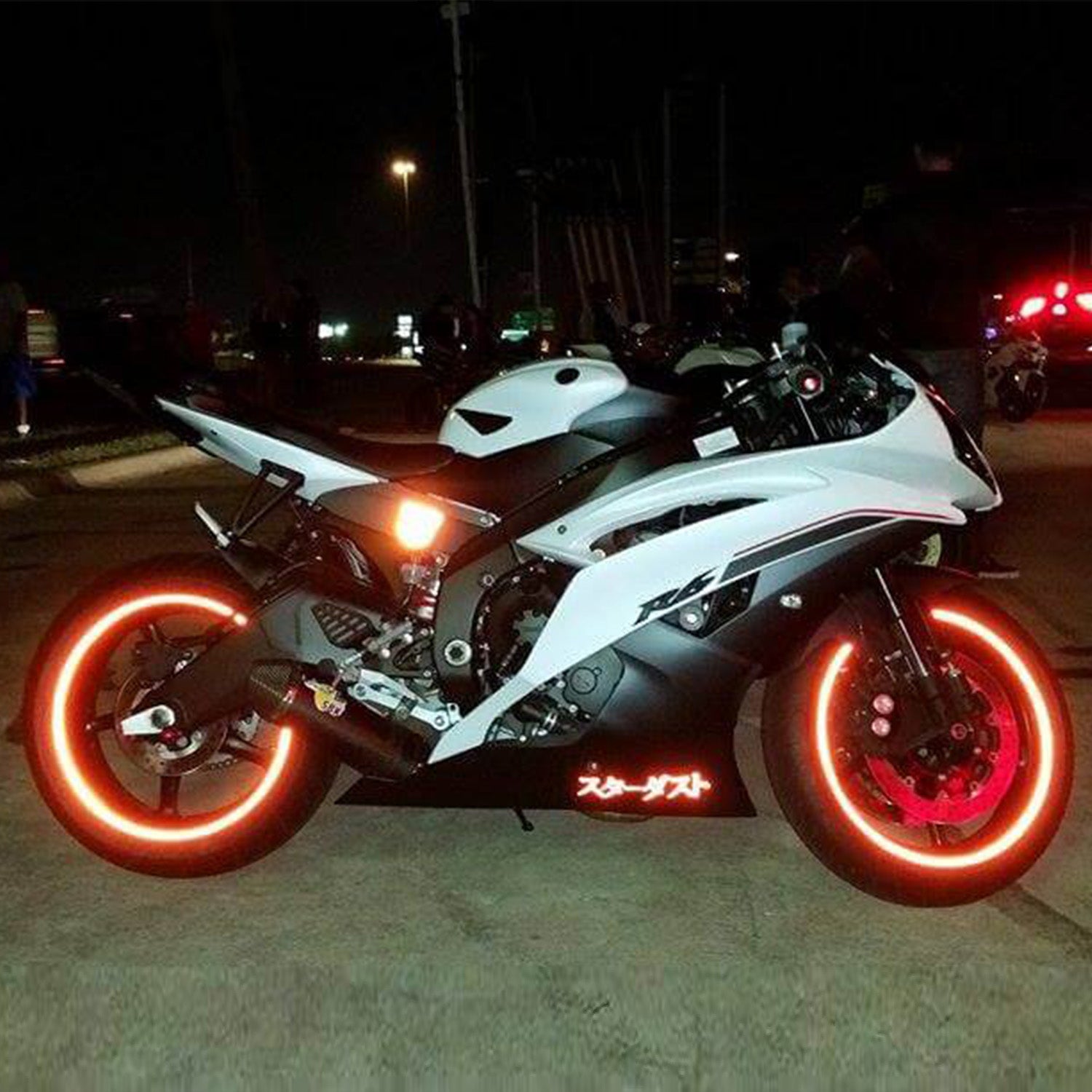
Dirt bikes’ smaller profile makes them harder for drivers to detect—especially at intersections where most collisions occur. Invest in these visibility enhancements:
- LED auxiliary lighting: 300+ lumen lights mounted on handlebars and rear fenders
- Reflective tape: Apply to helmet, jacket, and bike frame (check local regulations)
- High-visibility gear: Fluorescent yellow or orange clothing, not just dark colors
- Headlight modulators: Legally approved flashing patterns that attract attention
Real-world impact: Riders using these measures reduce right-of-way violation collisions by up to 37% according to motorcycle safety studies. The San Antonio rider was traveling eastbound at dusk—precisely when enhanced visibility matters most.
Intersection Survival Tactics
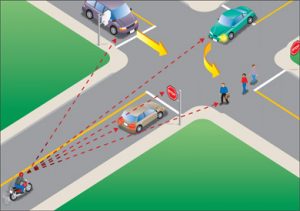
Since most dirt bike hit-and-runs occur at intersections (like the San Antonio case at West Martin Street), adopt these defensive strategies:
- Cover your brakes when approaching intersections—don’t coast
- Position yourself in the lane where you’re most visible to crossing traffic
- Make eye contact with drivers before proceeding through green lights
- Assume drivers don’t see you until proven otherwise—especially large SUVs
Expert note: When a vehicle is turning left across your path (as likely happened in the San Antonio incident), slow down and prepare to stop even if you have the right of way. Most drivers looking for cars miss smaller vehicles like dirt bikes.
Community Action to Solve Hit-and-Run Cases
The San Antonio Police Department’s ongoing investigation demonstrates how community involvement determines whether hit-and-run drivers face consequences. Everyone can contribute to solving these cases and supporting victims.
How to Report Hit-and-Run Information Effectively
If you witness a collision or see a suspicious vehicle with fresh damage:
- Call police immediately—don’t assume someone else reported it
- Note exact time and location—even “around 8 PM near West Martin” helps
- Describe vehicle specifics—year, model, damage location, direction of travel
- Mention unusual details—driver behavior, passenger descriptions, sounds
Critical reminder: In the San Antonio case, even a blurry dashcam clip showing a dark SUV traveling west on North Trinity could identify the perpetrator. Police need these puzzle pieces to reconstruct the driver’s escape route.
Supporting Victims Through the Recovery Process
Hit-and-run victims face physical, emotional, and financial challenges long after the collision. Practical ways to help:
- Offer transportation to medical appointments when mobility is limited
- Provide meal support during recovery periods when cooking is difficult
- Share verified information about victim funds or community assistance programs
- Respect privacy while showing genuine concern for their wellbeing
Community impact: The 24-year-old San Antonio victim faces extensive rehabilitation for his serious injuries. Organized community support—through verified channels—makes a tangible difference in victims’ recovery journeys.
When to Consult a Personal Injury Attorney
Not every dirt bike collision requires legal representation, but hit-and-runs almost always do. Contact an experienced personal injury attorney if:
- The fleeing driver remains unidentified after 72 hours
- Your injuries require hospitalization or ongoing treatment
- Insurance companies deny or undervalue your claim
- You face significant lost wages from inability to work
Red flag indicators: If police classify your injuries as “serious bodily harm” (as in the San Antonio case), you likely have substantial damages that require professional legal advocacy. Most personal injury attorneys offer free initial consultations and work on contingency—meaning no upfront fees.
Final Note: Dirt bike hit-and-run incidents create complex challenges that demand immediate action and informed decisions. The San Antonio case demonstrates how quickly a routine ride becomes life-altering when a driver chooses to flee. By knowing exactly what to do after a collision, understanding your insurance coverage, implementing visibility upgrades, and supporting community investigation efforts, you protect yourself and help prevent others from becoming victims. If you’ve been involved in a hit-and-run, preserve all evidence, seek medical attention immediately, and consult with a personal injury attorney who specializes in motorcycle and dirt bike cases—your path to justice depends on these critical first steps.