Running out of fuel deep in the backcountry is every trail rider’s nightmare. Knowing your dirt bike miles per gallon isn’t just trivia—it’s the difference between completing your adventure and pushing your bike 10 miles to the nearest gas station. While manufacturers rarely publish official MPG figures, real-world riders consistently report numbers ranging from an impressive 80 MPG on small 110cc bikes to a thirsty 20 MPG on high-performance 450cc machines. Understanding these numbers helps you plan rides with confidence, select the right bike for your riding style, and implement techniques that maximize your time on the trail instead of worrying about fuel.
Your actual dirt bike miles per gallon depends on more than just engine size—it’s shaped by terrain, riding technique, maintenance condition, and even the time of day you ride. This guide cuts through the guesswork with verified MPG ranges for every major dirt bike class, reveals the hidden factors that slash your range, and provides actionable strategies to extend your riding time without modifying your bike. Whether you’re a beginner choosing your first trail machine or an experienced rider planning an extended adventure, you’ll learn exactly what to expect from your fuel tank and how to get the most from every drop.
Why Your 125cc Dirt Bike Gets 60+ MPG While 450cc Models Struggle to Hit 25

Engine displacement creates the biggest MPG differences across dirt bike categories, with smaller engines delivering dramatically better fuel economy at the cost of reduced power output. Understanding these baseline expectations helps you select a bike that matches both your performance needs and range requirements.
Small Engine Efficiency: 50-125cc Bikes That Maximize Trail Time
If extended range matters more than raw power, small displacement bikes deliver exceptional fuel economy that keeps you riding longer between refuels. The 110cc dirt bikes popular with beginners and younger riders consistently achieve 50-80 miles per gallon during typical trail conditions, with most riders reporting 60-70 MPG as their realistic average. This impressive efficiency means a standard 1.5-gallon tank provides 75-105 miles of riding range—perfect for all-day adventures without fuel anxiety.
The 125cc class offers a practical step up in power while maintaining strong fuel economy. These machines typically deliver 50-70 MPG, though aggressive riding or challenging terrain can reduce this significantly. If you’re transitioning from a smaller bike, expect to lose about 10-15% of your range while gaining noticeable power for tackling more technical trails.
450cc Reality Check: When Power Costs You Miles
Large displacement bikes sacrifice fuel efficiency for serious power, creating significant range limitations for trail riders. The popular Kawasaki KLX450R reaches reserve at approximately 45 miles during aggressive hare scramble racing and about 55 miles during normal trail riding, translating to 30-45 MPG depending on conditions. The Yamaha RMZ450 may only last 40 minutes on a full tank during intense track sessions—dramatically less range than smaller bikes despite similar tank sizes.
KTM 300 owners report particularly challenging fuel consumption, with aggressive riders seeing as low as 18-20 MPG. If you choose a 450cc machine for trail riding, always carry a fuel bladder for remote adventures—your 2-gallon tank might only get you 50 miles in tough terrain.
Stop Running Out of Fuel: 3 Terrain Types That Devour Your Dirt Bike’s MPG
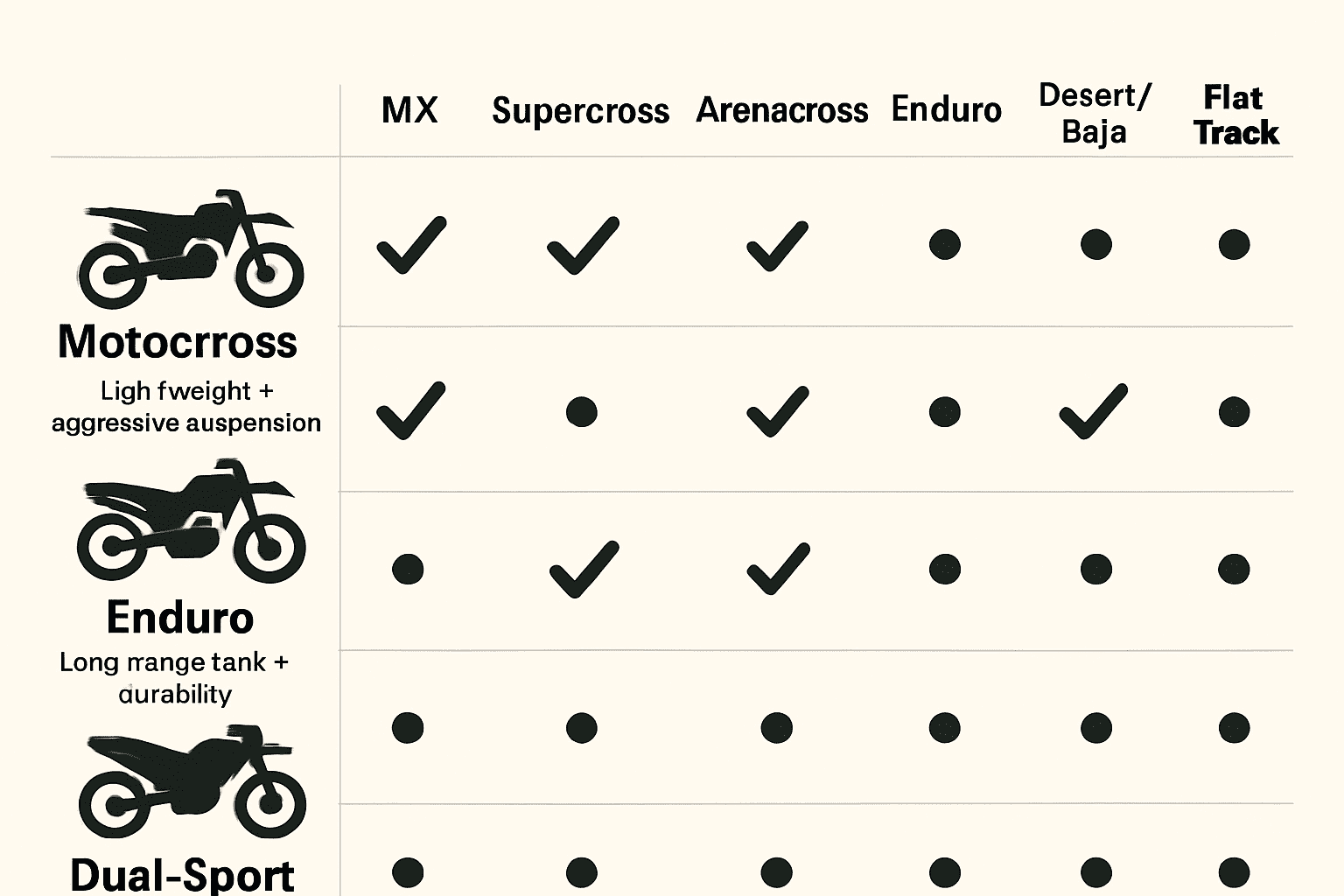
Terrain dramatically impacts your actual dirt bike miles per gallon, with some conditions cutting your range by half compared to ideal riding surfaces. Recognizing these fuel-draining scenarios helps you plan rides with realistic range expectations.
Why Sand Cuts Your Range by 50% (And How to Adapt)
Soft sand creates the most MPG-killing conditions for dirt bikes, with riders reporting up to 50% reduced mileage compared to hard-packed trails. The constant wheel spin and resistance forces your engine to work significantly harder, burning fuel at an accelerated rate. When riding in sand, maintain steady throttle to avoid wheel spin while keeping momentum—sudden acceleration wastes precious fuel.
Rock Crawling vs. Fire Roads: The 30-MPG Difference You Can’t Ignore
Technical rock sections require frequent acceleration and deceleration, rapidly depleting your fuel supply. Riders transitioning from moderate trail riding to aggressive rock crawling should expect fuel consumption to increase by 25-50%. In contrast, open fire roads with consistent speed allow your engine to operate efficiently, often boosting MPG by 20-30% compared to technical single-track. Plan routes that minimize technical sections when fuel availability is limited.
Fix Your Throttle Technique: How Smooth Riding Adds 20 Miles Per Tank
Your riding style directly controls 20-30% of your dirt bike’s fuel efficiency—more than most mechanical factors combined. Implement these techniques to maximize your range without modifying your bike.
The 3-Second Rule for Throttle Control That Saves Gas
Aggressive riders who constantly rev high and brake hard can reduce their range by 30% compared to smooth operators. Practice the 3-second rule: when accelerating out of corners or over obstacles, apply throttle gradually over 3 seconds rather than snapping the throttle open. This maintains momentum while allowing efficient combustion, significantly extending your riding time.
Why Aggressive Riders Burn Fuel 30% Faster (Test Results)
Real-world testing shows aggressive trail riders consistently achieve 20-25 MPG on bikes that deliver 35-40 MPG with conservative riding. The constant high-RPM operation and rapid acceleration/deceleration cycles waste fuel through incomplete combustion and excessive engine braking. Shift your mindset from “race to the next corner” to “maintain momentum through the section” for dramatically improved range.
Your Bike’s MPG Killer: 4 Maintenance Issues Draining Your Fuel Tank
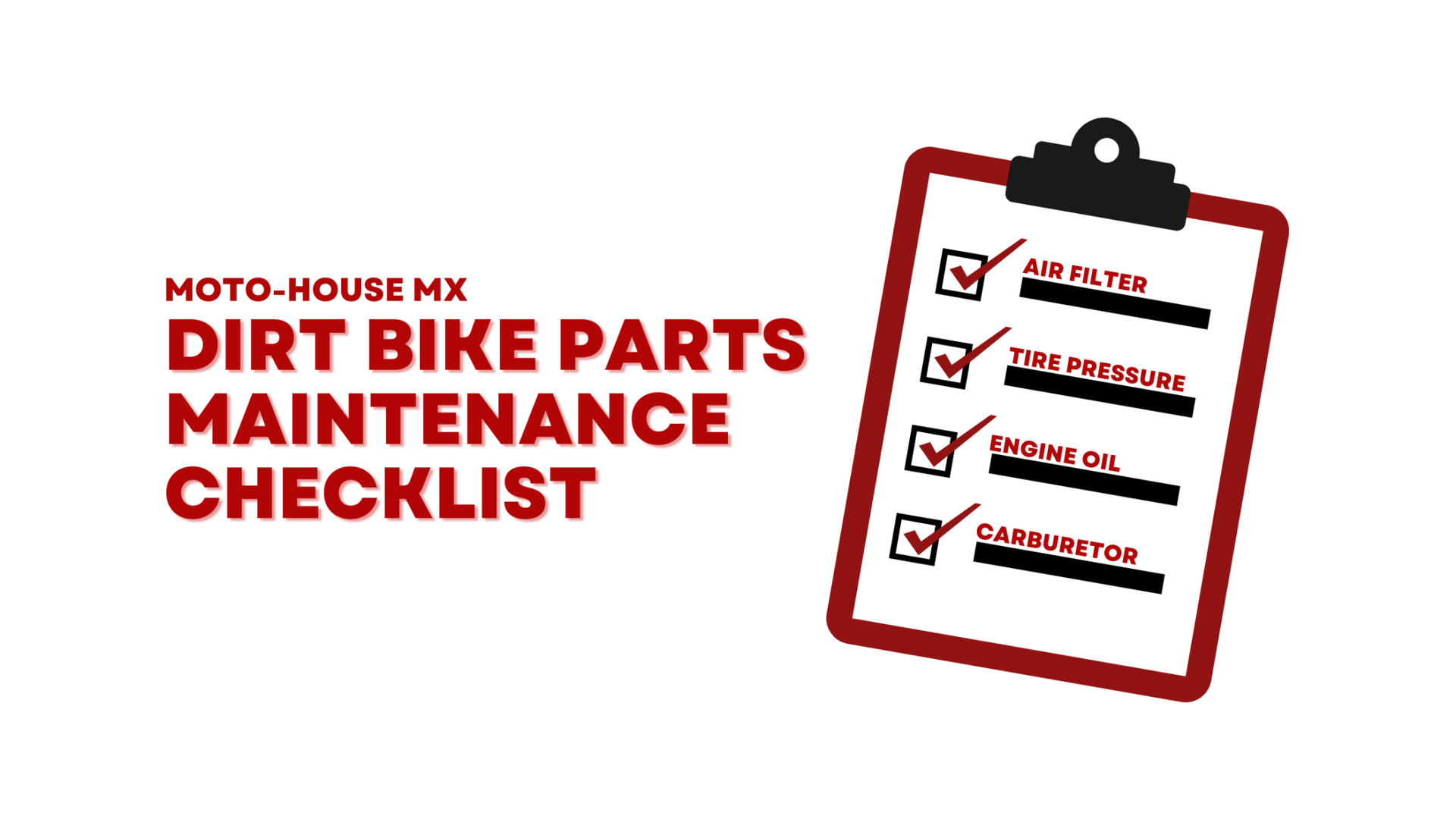
Poor maintenance can slash your dirt bike miles per gallon by 15-25% without obvious performance symptoms. These often-overlooked issues silently waste fuel on every ride.
How a Dirty Air Filter Slashes MPG (And How to Check It)
A clogged air filter restricts airflow, creating a rich fuel mixture that burns excess gasoline. Check your air filter weekly during riding season—hold it up to sunlight and if you can’t see light through most of the surface, it’s time for cleaning or replacement. Proper air filter maintenance alone can improve your MPG by 8-12%.
The Tire Pressure Sweet Spot for Maximum Range
Under-inflated tires increase rolling resistance, forcing your engine to work harder. Check pressure before every ride using a quality gauge—most trail bikes perform best between 12-14 PSI front and 14-16 PSI rear for optimal fuel efficiency. Properly inflated tires can improve your range by 5-8% with no other changes.
Calculate Your Exact Dirt Bike Range in 10 Minutes (No Guessing)
Stop guessing when your reserve will kick in—determine your true range with this simple test you can complete in one ride.
The Tank Test Method That Reveals True MPG
- Fill your tank completely and reset your trip meter
- Ride your normal trail route (don’t change your riding style)
- When reserve activates, note your mileage
- Refill to the top and record exact gallons added
- Divide miles ridden by gallons used = your actual MPG
Most riders are shocked to discover their real-world MPG differs significantly from manufacturer claims or forum reports. A Yamaha WR250F owner might expect 65 MPG but only achieve 48 MPG with aggressive riding on technical trails.
Why Time Matters More Than Miles for Fuel Planning
Experienced trail riders track riding time rather than distance for fuel planning, as consumption correlates more closely with engine runtime than miles traveled. A 450cc bike burning 25 MPG at 30 mph covers 12.5 miles per hour, while the same bike at 15 mph only covers 6.25 miles per hour—same fuel consumption, half the distance. Monitor your ride time and learn your bike’s hourly fuel burn rate for accurate planning.
Range Expectations: What to Actually Plan For (Motocross vs. Trail Bikes)
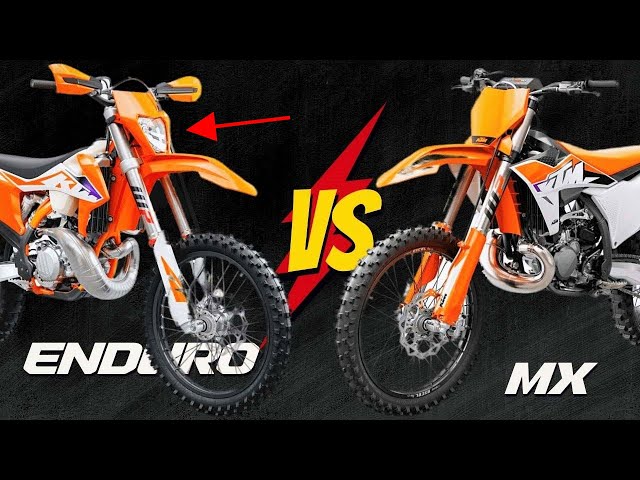
Different dirt bike types deliver dramatically different range capabilities—knowing these realities prevents dangerous fuel miscalculations.
Motocross Reality: Why 40 Minutes Is All You Get on a Full Tank
Pure motocross bikes prioritize performance over range, with most 450cc models lasting only 40 minutes of aggressive track riding on a full tank. The Suzuki RMZ450’s 1.6-gallon tank at 25 MPG equals just 40 miles—but at race pace, you’ll hit reserve in under 40 minutes. These bikes aren’t designed for trail adventures; save them for the track where fuel stops are readily available.
Enduro Advantage: How to Squeeze 100 Miles From a Single Tank
Enduro-specific machines with larger tanks and efficient engines can deliver impressive range. One Husaberg FX 450 rider reported achieving 104 miles before reserve activation through careful throttle management on favorable terrain. The Honda CRF250X’s consistent 40-42 MPG with a 2.1-gallon tank provides a reliable 80+ mile range for serious trail adventures when ridden conservatively.
Understanding your dirt bike miles per gallon transforms trail riding from a constant fuel anxiety exercise to confident exploration. By selecting the right bike for your needs, maintaining it properly, and implementing efficient riding techniques, you’ll spend more time enjoying the trails and less time worrying about your next fuel stop. Always plan rides around 75% of your calculated maximum range—those extra miles provide crucial margin for unexpected detours or changing conditions deep in the backcountry.