Nothing ruins the excitement of a dirt bike adventure faster than discovering damage after transport. Improperly securing your dirt bike during transit can lead to bent suspension components, scratched frames, or even catastrophic damage if the bike shifts dramatically during travel. Mastering proper dirt bike strap down techniques is essential for protecting your investment and ensuring you arrive at the trail ready to ride. Whether you’re hauling your bike in a pickup truck bed or a specialized trailer, understanding the right methods prevents costly repairs and dangerous situations on the road.
Most riders learn the hard way that simply riding the bike into position and loosely securing it with a couple of straps isn’t enough. The constant vibration, sudden stops, and sharp turns encountered during transport create forces that can destroy delicate suspension systems and frame components if your dirt bike isn’t properly secured. This guide delivers the specific knowledge you need to strap down a dirt bike correctly every time, using proven techniques that protect your bike’s integrity while keeping you and other drivers safe.
Choose the Right Tie Down Strap Type
Selecting appropriate tie down mechanisms forms the foundation of effective dirt bike strap down procedures. Ratchet tie downs provide the tightest tension available, featuring wide handles with comfort grips and rubberized release mechanisms for smooth operation. The steel barrel construction ensures durability while heavy-duty teeth and latch plates deliver strength that won’t bend or break under pressure. However, this power comes with responsibility—ratchet straps carry significant risk of over-tightening, which can damage delicate suspension components if you apply excessive force without recognizing the warning signs.
Cam buckle straps offer a safer alternative for riders still developing their dirt bike strap down skills. These mechanisms effectively eliminate slack without the same risk of over-tightening, making them ideal for securing more delicate surfaces or when you’re new to motorcycle transport. The cam-action design naturally limits maximum tension, providing reliable security without requiring technical tensioning expertise. For most recreational riders, cam buckles deliver the perfect balance between protection and peace of mind when learning how to properly strap down a dirt bike.
Understand Essential Equipment Components

Modern dirt bike strap down systems incorporate several specialized components that enhance both security and protection. Soft-tie ends represent a crucial innovation, allowing you to wrap straps around handlebars, bumpers, or tow points without scratching paint or damaging sensitive components. This feature addresses the top concern among dirt bike owners—securing their bikes without causing cosmetic damage from metal hooks contacting painted surfaces.
Track systems provide flexible anchor point solutions that adapt to various trailer configurations. L-track (also known as airline track) mounts to walls or floors, offering multiple connection points along its length where straps can attach. This system lets you adjust strap positions according to your specific bike size and trailer layout. E-track provides a similar concept with a wider, flatter design for heavy-duty applications. Both systems accept straps with compatible fittings, creating reliable connections that won’t slip during transit.
Additional accessories significantly enhance your dirt bike strap down experience:
– Track filler materials prevent dirt and sand accumulation in track channels
– End caps create finished appearances while reducing injury risks from sharp edges
– SpeedWraps—double-sided hook and loop straps—secure loose ends to prevent wind damage and keep your kit organized
Prepare Your Trailer or Truck Bed Before Loading
Proper preparation of your transport vehicle sets the stage for successful dirt bike strap down operations. Before loading, attach ratchet straps to appropriate anchor positions where they remain accessible from the motorcycle seat position. This strategic placement allows you to reach and adjust straps while seated on the bike during initial securing.
When transporting multiple dirt bikes, consider reversing one bike’s position to prevent handlebar or fairing conflicts during loading. This simple configuration adjustment prevents component damage and makes the strapping process significantly more manageable. Ensure your trailer or truck bed is clean and free of debris that could scratch your bike’s frame, and verify all anchor points are secure and properly installed before beginning the loading process.
Load Your Dirt Bike with Proper Alignment
The loading process directly impacts your subsequent dirt bike strap down effectiveness. Start and warm up the motorcycle before riding it onto the trailer—this ensures reliable engine operation after transport and verifies all systems function properly before securing. Ensure the bike lines up straight between your pre-positioned tie down straps throughout the loading process, as this alignment proves critical for achieving even tension across all securing points.
Position the motorcycle so each wheel sits in a stable location—whether in wheel chocks, on deck plates, or directly on the trailer floor—depending on your specific setup. The bike must sit completely upright and level without any lean that could cause pressure imbalance when straps are tightened. Take your time with this positioning, as adjusting after strapping begins creates complications and introduces stress points that could lead to damage.
Secure the Rear Wheel First with Proper Technique
Begin your dirt bike strap down sequence by securing the rear wheel, which provides a stable foundation for subsequent front securing steps. While seated on the bike, attach the rear tie down straps to your anchor points, reaching back to thread the strap through or around the rear wheel. Tighten each rear strap incrementally, alternating between left and right sides to maintain balance and prevent shifting.
Continue tightening until no movement is possible in the rear wheel assembly, but pause periodically to check that you’re not applying excessive pressure. Ensure the motorcycle remains balanced throughout this process by checking that it hasn’t shifted or tilted during tensioning. If you notice leaning, release the straps slightly and reposition before continuing. The goal is a rear section completely immobilized while maintaining the bike’s natural, level orientation.
Anchor the Front Suspension with Correct Configuration
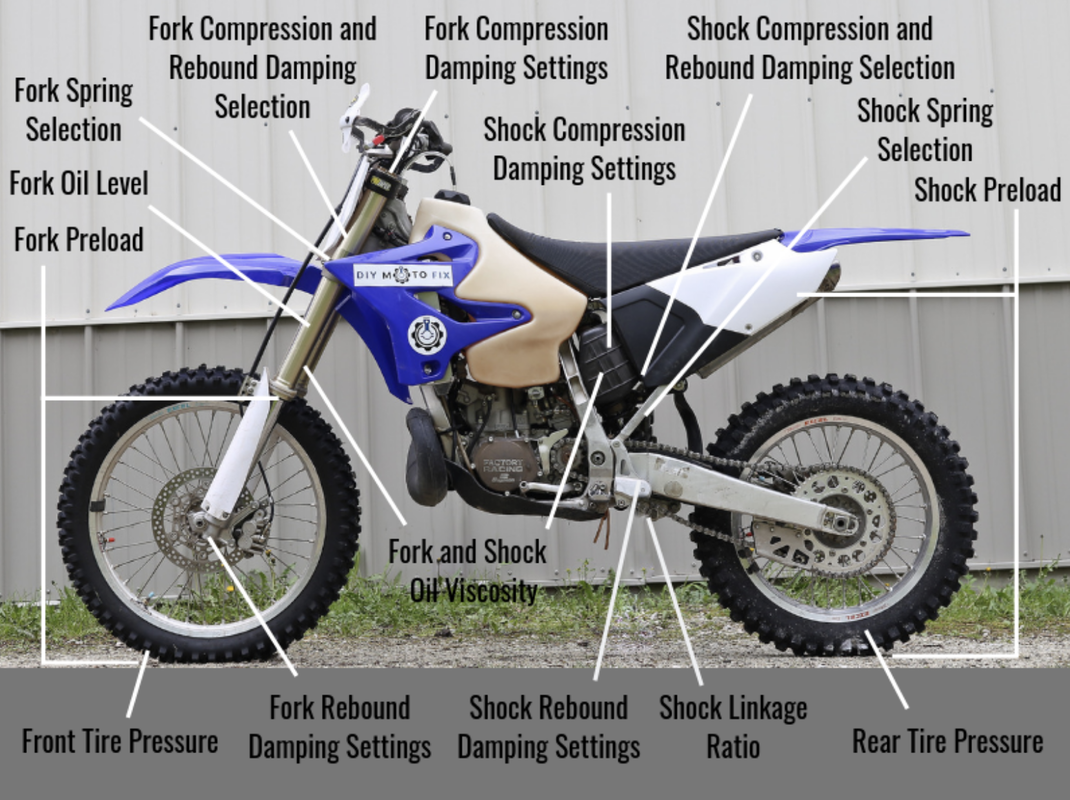
After securing the rear, carefully dismount and attach the front tie down straps to the front wheel or fork assembly. Front straps typically connect to anchor points on either side of the front wheel, creating a V-shaped configuration that distributes forces evenly and prevents tipping. For most dirt bikes, securing at two points on the front and one on each side provides adequate stability during transport.
If your setup includes handlebar-mounted connections, ensure straps wrap around the bars using soft-tie ends to prevent scratches and cosmetic damage. Maintain awareness of the bike’s position and balance as each strap is tensioned, watching for any shifting that might indicate uneven pressure distribution. The lighter weight of dirt bikes compared to larger street motorcycles may allow for slightly less robust strap ratings, though maintaining the same safety margins remains advisable.
Perform Critical Final Safety Checks
The final verification phase confirms your dirt bike strap down is truly secure. Step back and visually inspect the motorcycle to confirm it’s completely upright and straight. The lines from the trailer straps to anchor points should be direct without angles that could cause uneven pressure distribution. Check that each strap maintains tension without visible sagging, and verify no straps are twisted or crossed.
Test the securing by gently shaking the bike—motion should transfer to the trailer while the bike itself remains firmly in place. If the motorcycle moves noticeably, check each tiedown for looseness, as tensioning one ratchet may create slack in others if the bike shifted position during the process. Pay particular attention to contact points between straps and motorcycle components, ensuring no pressure points exist that could cause damage during vibration.
Avoid Costly Strapping Mistakes

Over-tightening represents the most common and potentially damaging mistake when learning how to strap down a dirt bike. While ratchet mechanisms provide powerful tensioning capabilities, excessive force can damage suspension components and frame connections. Insufficient anchor points create dangerous instability, while attaching straps to inappropriate points—like plastic components or cables—distributes forces incorrectly.
Poor weight distribution across multiple tie down points places excessive stress on individual connections and can cause the motorcycle to shift during transit. The recommended configuration of two front points and two side or rear points distributes forces evenly and accommodates the natural weight distribution of your dirt bike. Taking shortcuts in this area might save minutes during loading but creates risks that far outweigh any time saved.
Quality tie down webbing is constructed from thick, water-resistant UV-treated polyester that withstands exposure to elements during transport. Standard tie down kits typically measure 1 inch in width and 15 feet in length, with complete heavy-duty kits weighing approximately 6 pounds. At price points around $100 for comprehensive kits, quality equipment represents a reasonable investment for anyone who regularly transports dirt bikes.
Mastering proper dirt bike strap down techniques protects your investment and ensures safe, damage-free transport to every riding destination. By selecting appropriate equipment, following proper procedures, and maintaining your gear, you can transport your dirt bike with confidence knowing it’s secured properly for the journey ahead. Remember, the few extra minutes spent perfecting your dirt bike strap down process today could save you hundreds in repair costs tomorrow.