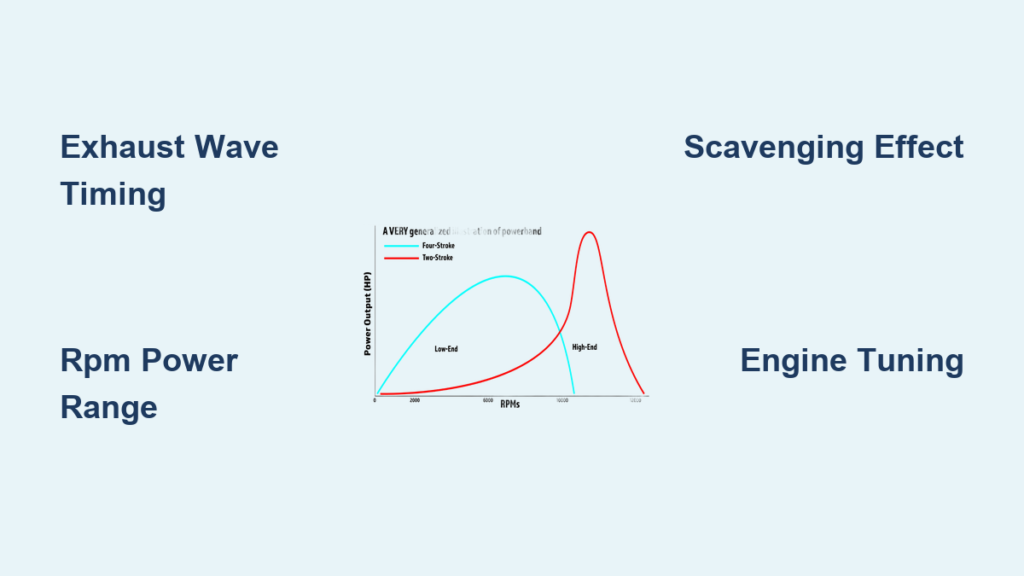
That moment when your dirt bike suddenly transforms from a manageable machine into a rocket—every rider knows the sensation. When your two-stroke “hits the pipe” or your four-stroke finds its stride, you’re experiencing the power band in action. This isn’t just a mechanical quirk; it’s the key to unlocking your dirt bike’s full potential on the track or trail. Understanding how a power band works gives you complete control over acceleration, cornering, and obstacle navigation, turning confusing power surges into predictable, usable performance.
The power band represents the specific RPM range where your dirt bike engine delivers maximum horsepower and torque. Despite what some aftermarket ads might suggest, it’s not a physical component you can install—it’s an inherent performance characteristic emerging from your engine’s design, combustion dynamics, and exhaust system physics. When riders say they’re “in the power,” they’re operating within this optimal RPM window where everything aligns perfectly for maximum output. Outside this range, the engine still runs but simply can’t produce the same explosive acceleration regardless of throttle input.
This guide breaks down exactly how power bands form, why two-strokes and four-strokes behave so differently, and how you can use this knowledge to improve your riding technique and maintain peak engine performance. Whether you’re racing motocross or tackling technical trails, mastering power band awareness transforms your riding experience.
Why Your Two-Stroke Suddenly Launches Forward at Specific RPMs
Two-stroke dirt bikes deliver their signature explosive acceleration through a fascinating physics phenomenon involving pressure waves traveling through the exhaust system. This isn’t just mechanical operation—it’s acoustic engineering that creates that dramatic “light switch” power delivery riders love.
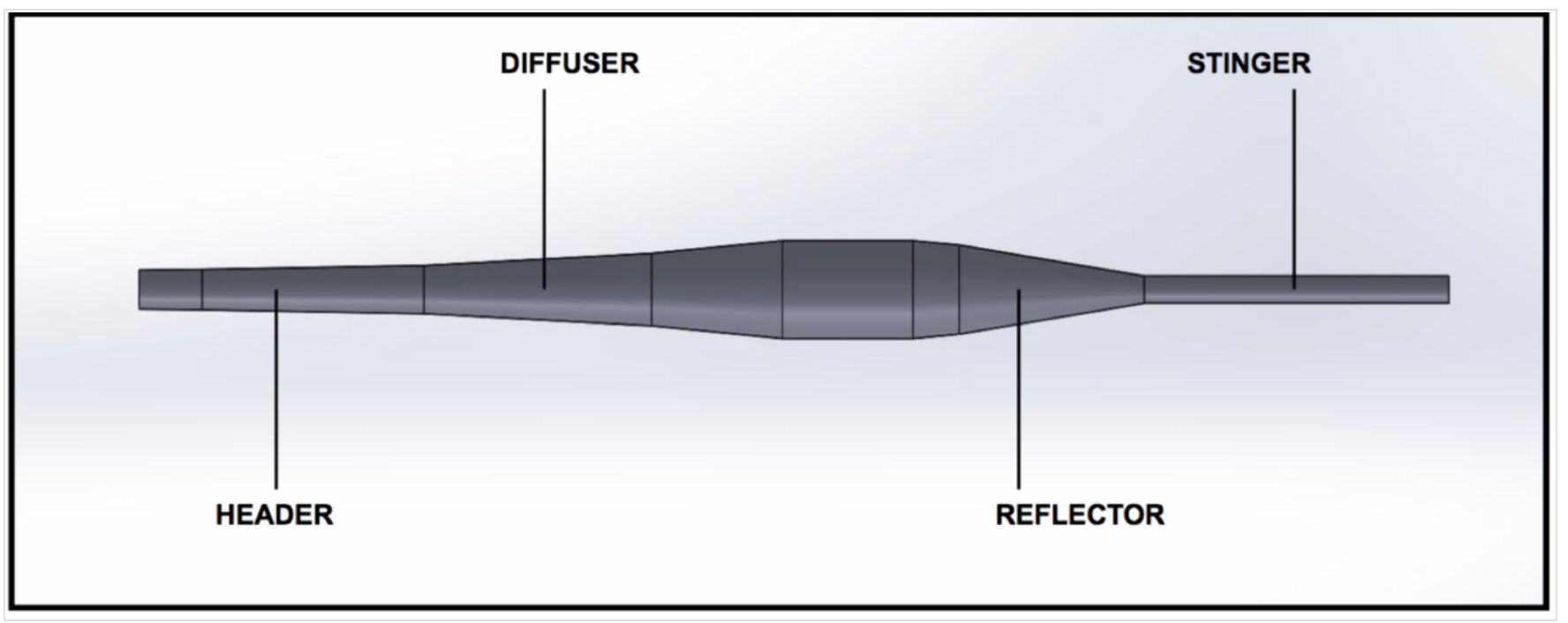
The exhaust pipe on your two-stroke acts as a carefully engineered expansion chamber with specific dimensions that create pressure waves perfectly synchronized with piston movement. When your engine reaches the critical RPM where these waves return to the cylinder at precisely the right moment, they actually help force fresh fuel mixture back into the combustion chamber—a process called “scavenging” that dramatically increases cylinder filling and power output.
How Exhaust Pipe Dimensions Control Your Power Band Location
Every measurement of your two-stroke’s exhaust system directly affects where the power band occurs:
- Header pipe length determines the timing of returning pressure waves
- Expansion chamber cone angles influence how broadly the power is delivered
- Stinger diameter affects peak power output at high RPM
- Overall pipe volume shapes the torque curve across the RPM range
A race-specific pipe creates a narrow, high-RPM power band perfect for motocross tracks, while a trail pipe sacrifices some peak power for broader usability across varying terrain. If your two-stroke feels sluggish below 8,000 RPM but explodes forward above that threshold, your exhaust system is working exactly as designed—but only within its intended operating range.
Recognizing the Two-Stroke Power Hit
That distinctive surge when your bike “comes on the pipe” involves three unmistakable sensory cues:
– A sudden increase in acceleration force pushing you back in the saddle
– A sharp change in exhaust note from a muffled rumble to a high-pitched scream
– Increased vibration through the handlebars and footpegs
Experienced riders learn to anticipate this transition, often revving the engine beyond idle RPM before corner exits to ensure they’re already in the power band when they need maximum acceleration. Missing this window leaves you struggling for traction as the engine suddenly delivers unexpected power mid-corner.
Four-Stroke Power Band: Why Your Engine Feels Stronger Across More RPMs
Unlike their two-stroke cousins, four-stroke dirt bikes deliver power across a much broader RPM range thanks to their fundamentally different operating principles. This isn’t just “more power”—it’s a completely different power delivery philosophy that changes how you ride.
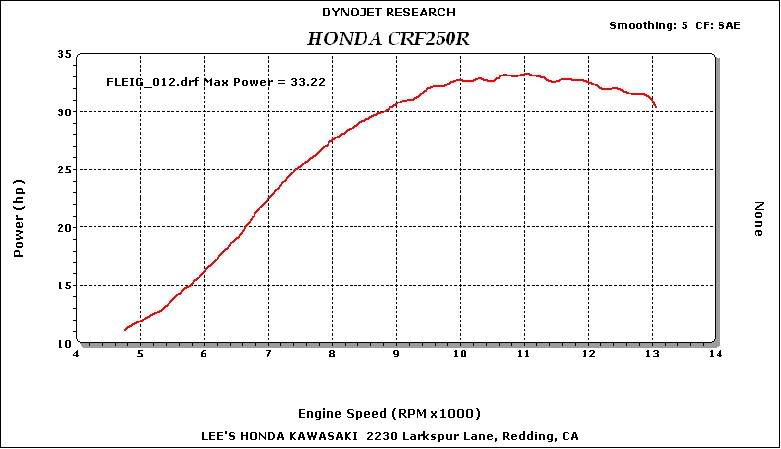
A modern 450cc four-stroke motocross bike might produce strong acceleration anywhere from 6,000 to 11,000 RPM, creating what riders call a “torquey” feel that pulls consistently through the entire range. This broader power band results from precise camshaft profiles that maintain efficient valve timing across multiple RPM ranges, rather than relying on exhaust system physics like two-strokes.
Four-Stroke Power Delivery in Action
When accelerating out of a corner on a four-stroke:
– Power builds progressively rather than suddenly
– You can maintain traction more easily with smooth throttle inputs
– Less precise RPM management is required for optimal performance
– Fewer gear changes are needed through technical sections
This characteristic makes four-strokes particularly forgiving for intermediate riders and ideal for endurance riding where consistent power matters more than peak output. However, the trade-off is reduced peak horsepower compared to equivalent displacement two-strokes—a compromise manufacturers accept for improved rider usability.
Finding Your Exact Power Band Through Field Testing
Your owner’s manual won’t tell you precisely where your bike’s power band lives—that knowledge comes from hands-on testing. Here’s how to identify your specific bike’s optimal RPM range without specialized equipment:
The Roll-On Test: Your DIY Power Band Finder
- Find a safe, straight section of trail where you can accelerate freely
- Ride at 15-20 mph in third gear (or appropriate mid-range gear)
- Gradually roll on the throttle while maintaining steady handlebar pressure
- Pay attention to when acceleration suddenly increases—this marks your power band entry point
- Continue rolling on until power begins to taper off—this indicates the upper limit
For two-strokes, you’ll feel an abrupt surge typically between 8,000-11,000 RPM depending on displacement. Four-strokes show a more gradual but still noticeable increase usually starting around 6,000 RPM and building steadily to redline.
Real-World Power Band Indicators
Your body provides immediate feedback when you’ve entered the power band:
– Handlebar vibration increases noticeably
– Engine note shifts pitch dramatically
– Acceleration force changes from gradual to aggressive
– Rear tire traction becomes more challenging to manage
Riders with tachometers can note exact RPM values, but experienced dirt bikers develop such an intuitive sense of their power band that they operate within it instinctively—without ever looking at RPM numbers.
Fixing a Weak Power Band: Common Causes and Solutions
When your dirt bike’s power band feels diminished, it’s not just “losing power”—something specific has disrupted the delicate balance required for optimal performance. Here’s how to diagnose and address common power band issues:
Two-Stroke Power Band Troubleshooting Checklist
Problem: Weak or absent power surge at expected RPM
Likely Causes:
– Dented or damaged exhaust pipe disrupting pressure waves
– Leaking crankcase seals affecting compression
– Worn reed valves reducing intake efficiency
– Incorrect jetting starving the engine at critical RPM
Immediate Actions:
1. Inspect exhaust system for dents, especially in the expansion chamber
2. Check air filter for clogs restricting airflow
3. Verify proper fuel mixture ratio (if 2-stroke)
4. Clean or replace spark plug to ensure strong ignition
Problem: Power band shifted to higher RPM than before
Likely Causes:
– Carbon buildup in exhaust port changing timing
– Worn piston rings reducing compression at lower RPM
– Incorrect power valve adjustment
Pro Tip: If your two-stroke used to pull strongly from 7,000 RPM but now needs 9,000 RPM to feel strong, check your power valve system first—many modern two-strokes have automatic or manual valves that require periodic maintenance.
Power Band Myths That Cost Riders Performance
Several persistent misconceptions about power bands lead to poor maintenance decisions and wasted money on ineffective products. Let’s clear up the most damaging myths:
Myth: “I need to install a power band to get more power”
Reality: The power band isn’t a physical component—it’s how your engine performs. No shop sells “power bands” because they don’t exist as replacement parts. Some joke shops actually sell rubber bands labeled as “power bands” to unsuspecting beginners, highlighting how widespread this misconception has become.
Myth: “Painting my exhaust pipe blue will improve my power band”
Reality: Surface color has zero effect on engine performance. Performance gains come from precise internal dimensions and materials, not aesthetics. That shiny new coating might look great but won’t change your power delivery unless it’s part of a complete pipe redesign.
Myth: “Four-strokes don’t have power bands”
Reality: All engines have power bands—four-strokes simply have broader ones. A 450cc four-stroke might deliver strong power from 6,000-11,000 RPM, while a 250cc two-stroke might only deliver peak power between 9,000-11,500 RPM. The difference is width and intensity, not existence.
Using Power Band Knowledge to Improve Your Riding
Understanding how your power band works transforms your performance on the track or trail. Here’s how to apply this knowledge immediately:
Cornering Technique Adjustments
- Two-stroke riders: Rev the engine beyond power band RPM before corner entry, then use the sudden power delivery for aggressive exits
- Four-stroke riders: Carry slightly lower RPM into corners since power builds progressively, allowing smoother throttle application
- Both: Shift gears to ensure you’re in the power band when exiting corners—typically one gear higher than you’d use on a street bike
Jump Strategy Based on Power Band
- Two-stroke: Enter jumps with RPM already in the power band—throttle input below this range won’t produce expected acceleration
- Four-stroke: More flexible entry speeds since broader power band keeps you in the optimal range across more conditions
- Critical tip: Time your suspension compression to coincide with peak power delivery for maximum jump height
Maintaining Peak Power Band Performance
Regular maintenance keeps your power band feeling sharp and responsive. Focus on these critical areas:
- Air filter cleaning: Monthly (or after every muddy ride) to prevent airflow restriction
- Exhaust system inspection: Check for dents in the expansion chamber weekly
- Jetting adjustments: Modify for altitude changes or extreme temperature shifts
- Power valve maintenance: Service according to manufacturer schedule (often every 10-20 hours)
For two-strokes especially, remember that a clean, undamaged exhaust system is non-negotiable for maintaining that signature power hit. Even a small dent in the expansion chamber can dramatically alter pressure wave timing, effectively shifting or narrowing your power band.
Mastering power band awareness gives you an intimate understanding of exactly when and how your engine delivers its best performance. Whether you ride a peaky two-stroke or a torquey four-stroke, this knowledge enables smarter shifting decisions, better throttle control, and ultimately faster, safer riding. The next time your bike “hits the pipe” or finds its stride, you’ll know exactly why—and how to use that power to your advantage.