Your two-stroke dirt bike’s powerband is narrow and explosive compared to four-strokes, demanding precise shifting to maintain momentum through corners and straightaways. When your engine suddenly drops out of its sweet spot mid-corner or acceleration stalls on the straight, it’s usually a shifting technique issue. Learning how to shift a 2 stroke dirt bike properly separates competitive riders from beginners and transforms frustrating track days into smooth, controlled performance. This guide reveals exactly when to use clutch-assisted shifting versus clutchless techniques, how to maintain your engine in the powerband during aggressive riding, and why 125cc two-strokes require different shifting approaches than larger machines. You’ll discover methods professional riders use to gain milliseconds per lap while protecting transmission components through proper technique.
Perfecting Clutch-Assisted Shifting for Two-Stroke Engines
Using the clutch correctly on your two-stroke dirt bike isn’t just about changing gears—it’s about controlling explosive power delivery when the engine has no torque at low RPMs. Unlike four-strokes with broad powerbands, two-strokes demand specific clutch modulation to prevent bogging while maintaining acceleration through the entire shift process. This technique becomes essential when navigating technical sections where precise power application determines whether you maintain momentum or stall mid-corner.
Execute Flawless Upshifts Without Rolling Off Throttle
The complete process for clutch-assisted upshifting starts with maintaining wide-open throttle while simultaneously pulling the clutch lever to disengage the transmission. Immediately lift the gear shifter firmly to engage the next gear, then gradually release the clutch while keeping your throttle position unchanged. The critical detail most riders miss? On 125cc two-strokes especially, you must keep the throttle pinned during the entire shift—not rolling off as instinct might suggest. This technique maintains engine revs high enough to stay in the powerband, preventing that frustrating bog that kills momentum exiting corners.
For downshifting, pull the clutch lever, tap down to your desired lower gear, then release the clutch while blipping the throttle to match engine speed to your current road speed. This rev-matching technique prevents rear wheel lockup during aggressive corner entries, keeping your bike stable when you need maximum control. Practice this sequence at lower speeds first until your hand and foot movements become synchronized muscle memory.
Maintain Throttle Control Through Every Shift
On smaller displacement two-strokes, particularly 125cc models, your clutch serves as a power modulation tool rather than merely a shifting aid. When you keep the throttle wide open during shifts and control power delivery through clutch feathering, you maintain the engine in its critical power range—typically between 8,000-12,000 RPM depending on your specific machine. This technique requires accepting accelerated clutch wear as a trade-off for performance, with competitive 125cc riders often replacing clutches two or more times per season.
You’ll notice significant improvement in corner exits when applying this technique: instead of waiting for engine revs to build after shifting, you maintain constant power delivery to the rear wheel. This prevents wheel spin while maximizing traction as you accelerate out of turns. The key is developing the feel for how much clutch slip maintains optimal power without excessive wheel spin—a skill that comes with consistent practice on your specific bike.
Control Cornering Speed with Strategic Clutch Usage
When entering corners at lower speeds, your clutch becomes essential for managing engine braking and preparing for the exit. Pull the clutch just before committing to the corner, maintaining enough engine speed to prevent stalling while controlling deceleration. As you approach the apex, begin gradually releasing the clutch while applying throttle to maintain rear wheel traction.
You should plan to have the clutch engaged whenever transitioning between significant throttle applications or navigating technical sections where immediate power response might be needed. When coming to a complete stop mid-track, always pull the clutch to prevent stalling—two-stroke engines have narrower powerbands than four-strokes and are far more prone to stalling without clutch engagement. This habit becomes automatic with practice and prevents embarrassing stalls during critical track moments.
Execute Clean Clutchless Shifts for Faster Lap Times
Clutchless shifting, often called flat shifting, eliminates the hand movement required to pull the clutch lever, saving valuable milliseconds during race situations. This technique involves momentarily reducing throttle input—just a brief, light roll-off—while decisively tapping the gear shifter into the next position. When executed properly, clutchless shifting maintains forward momentum better than traditional methods and keeps your engine screaming in the powerband throughout acceleration.
Perfect the Clutchless Shifting Motion
The physical action requires lifting your foot quickly and firmly to engage the next gear while simultaneously rolling off the throttle just enough to unload the transmission. Too much throttle reduction causes the engine to bog; too little results in grinding gears or failed shifts. The key is timing the throttle closure precisely with your shift lever movement—this coordination develops through focused practice in a controlled environment before race day.
You’ll know you’ve executed a perfect clutchless shift when you hear a clean “clunk” as the transmission engages the next gear without disruption to your acceleration. The entire process should take less than half a second, with your throttle returning to wide open immediately after the shift completes. Practice this technique at varying RPM ranges to develop the feel for how much throttle reduction works best for your specific machine.
Gain Competitive Advantages with Clutchless Technique
Riders who master clutchless shifting gain two significant performance advantages over clutch-dependent competitors. First, eliminating the hand motion saves approximately 0.2-0.3 seconds per shift—translating to multiple positions gained over a full race distance. Second, you’ll experience significantly extended clutch life since you’re not constantly engaging and disengaging the clutch mechanism during aggressive riding.
The technique also maintains consistent engine braking characteristics during deceleration since the clutch remains engaged throughout the entire shift process. This predictability gives you better control when trail-braking into corners at race pace. Many experienced riders report that once mastered, clutchless shifting becomes more natural than using the clutch, particularly on two-stroke machines where the technique complements the engine’s power characteristics.
Power Shift Like a Pro for Maximum Acceleration
Power shifting takes clutchless techniques to the next level by executing gear changes while maintaining wide-open throttle throughout the entire process. This advanced method keeps your engine at maximum power output without any disruption in power delivery—critical when every fraction of a second counts on the track. Professional racers use this technique to maintain acceleration through the entire RPM range, eliminating the slight hesitation that occurs even with perfect clutchless shifting.
Implement Wide-Open Throttle Power Shifting
The technique requires loading the shift lever slightly during full-throttle acceleration, then executing the shift at the precise moment when your engine reaches its RPM limit for the current gear. You’ll feel the transmission “give” when properly timed, allowing the gear change to occur under extreme load without grinding. Some riders combine elements of both techniques using what’s called “half clutch”—applying just enough clutch disengagement to reduce transmission load while maintaining most throttle input.
When power shifting, listen carefully to your engine’s sound as the primary feedback mechanism. The moment your two-stroke begins to lose its “screaming” quality indicates you’ve reached the optimal shift point. Shift slightly earlier when traction is marginal or later when maximum straight-line speed is critical—this fine-tuning comes with experience on your specific track and bike combination.
Recognize Optimal Shift Points by Engine Sound
Successful power shifting requires precise timing based on engine RPM and sound cues rather than tachometer readings. Learn to recognize when your engine reaches its power peak for each gear by the distinctive change in exhaust note. As you approach the shift point, the engine sound transitions from a deep roar to a higher-pitched scream—this auditory cue tells you exactly when to execute the shift.
Practice shifting at different points in the powerband to understand how each affects acceleration. You’ll discover that shifting slightly before the absolute RPM limit often provides better overall acceleration through the entire range, as the next gear’s torque curve begins higher in the powerband. This nuanced understanding separates average riders from those who consistently post fast lap times.
Fix Common 125cc Two-Stroke Shifting Problems
The 125cc two-stroke presents unique shifting challenges due to its extremely narrow powerband and limited torque. These bikes require precise shifting technique to maintain momentum through corners and transitions, as any lapse in power delivery results in immediate loss of acceleration. Understanding how to shift a 2 stroke dirt bike properly on a 125cc model means recognizing when to prioritize clutch usage versus clutchless techniques based on track conditions.
Preserve Momentum with Strategic Clutch Modulation
On 125cc machines, you’ll find that aggressive clutch usage becomes essential for maintaining momentum through technical sections. Many experienced riders recommend keeping the clutch partially engaged during more of your riding process, using it to modulate power rather than relying solely on throttle control. This approach sacrifices some clutch longevity for improved performance in corners where maintaining engine speed is critical.
When riding a 125cc two-stroke, practice flat shifting at higher RPMs where the engine produces usable torque. Below 6,000 RPM, these small-bore engines simply don’t have enough power to execute clean clutchless shifts. Focus on keeping your engine between 8,000-12,000 RPM where the powerband lives, using the clutch to feather power through corners while minimizing shifts during critical cornering phases.
Prevent Transmission Damage with Proper Technique
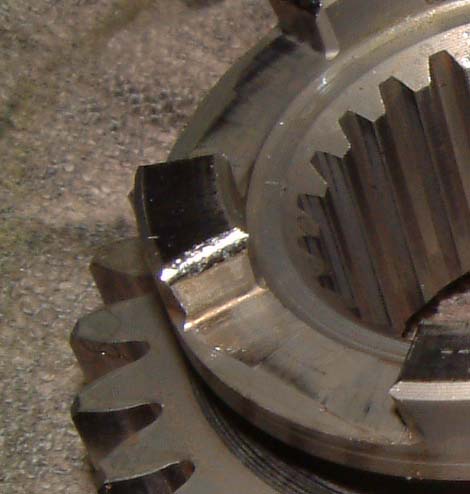
Modern dirt bike transmissions feature angled gear dogs designed specifically to facilitate clutchless shifting. These engineering features allow the dogs to slide into position more easily under load, reducing stress on transmission components during power shifts. However, this design doesn’t make your transmission immune to damage from improper shifting technique.
Identify Dangerous Shifting Habits That Damage Gears
Hesitant or gradual shift lever movement is the most common cause of transmission damage during clutchless shifting. When you lift the shifter slowly, the gear dogs partially engage then disengage under load, causing them to round off over time. Instead, you must move your foot quickly and decisively in a straight upward motion—any hesitation increases stress on transmission components.
Warning signs of transmission stress include difficulty finding neutral, missing shifts, and the distinctive “clash” sound when revving the engine and shifting. If you notice these symptoms, inspect your transmission immediately. Mechanics frequently find broken gear teeth in drain oil from bikes that experienced transmission failure due to improper power shifting at extreme RPMs.
Extend Clutch Life While Maintaining Performance
Two-stroke riders who aggressively use their clutches for power modulation should expect accelerated wear, but smart maintenance practices can extend component life without sacrificing performance. Top-level amateur racers on 125cc two-strokes often go through multiple clutches per season, but proper adjustment and technique can maximize each clutch’s service life.
Balance Performance Needs with Component Longevity
The trade-off between performance and component longevity is personal, but you can optimize both with proper technique. Keep clutch plates properly adjusted—too tight causes premature wear, while too loose leads to slippage and heat damage. Use high-quality transmission oil and change it regularly, as contaminated oil accelerates clutch wear significantly.
For recreational riding, adopt a more conservative approach to clutch usage while still maintaining proper shifting technique. Save aggressive clutch modulation for race situations where performance outweighs maintenance costs. Many experienced riders develop the ability to change clutches in under five minutes—essential knowledge when preparing for back-to-back motos on race day.
Avoid Costly Shifting Mistakes That Slow You Down
Rolling off the throttle during upshifts remains the most common mistake among riders learning to shift two-strokes. This instinctive reaction reduces engine RPM below the optimal power range, causing that frustrating bog that kills momentum. Instead, consciously maintain throttle position during clutch-assisted shifts, using the clutch lever—not the throttle—to control shift characteristics.
Correct Throttle and Shift Lever Timing Errors
When attempting clutchless shifting, many riders roll off the throttle too much, causing the engine to bog during the shift. Your throttle reduction should be minimal—just enough to unload the transmission momentarily. Practice at various RPM ranges to develop the precise feel for your specific machine.
Hesitant or gradual shift lever movement causes grinding and incomplete shifts. The shift lever must be lifted quickly and firmly, with your foot moving straight up without hesitation. Develop this decisive shifting motion through consistent practice until it becomes automatic muscle memory during racing situations. Proper technique not only improves performance but significantly extends the life of your transmission components.