That sharp BANG from your dirt bike’s exhaust during deceleration makes riders jump in their seats—and sparks instant concern. You’re not alone if you’ve experienced this unsettling dirt bike exhaust popping, especially when rolling off the throttle between gears or coasting downhill. While some popping is normal in high-performance two-strokes and modified four-strokes, excessive or sudden backfiring often signals underlying issues that could harm your engine or violate noise regulations. This guide cuts through the confusion by focusing on rider-reported scenarios, safe preliminary checks you can perform, and clear indicators that demand professional attention—without guessing at technical fixes beyond verified knowledge.
Exhaust popping occurs when unburned fuel ignites in the exhaust pipe instead of the combustion chamber. For many riders, it starts subtly after modifications like installing aftermarket exhausts or rejetting carbs, but can escalate to violent explosions that rattle handlebars. Ignoring severe cases risks damaging exhaust valves, melting headers, or triggering dangerous flames. You’ll learn to distinguish harmless decel pops from critical failures, spot telltale symptoms during your next ride, and understand exactly when to pull over and seek help. Let’s decode what your exhaust is trying to tell you.
When Exhaust Popping Crosses From Normal to Dangerous
Not all popping requires panic. Many modern dirt bikes, especially those with performance exhaust systems, produce mild deceleration pops due to lean fuel mixtures optimizing power. This becomes problematic when pops turn violent, frequent, or occur during acceleration—not just when releasing the throttle. Riders report dangerous scenarios like continuous machine-gun popping at idle, flames shooting from the exhaust, or popping that worsens after every ride. These indicate uncontrolled combustion that can overheat exhaust components beyond safe limits.
How to Identify Emergency-Level Popping Symptoms
Listen for these critical red flags during your next ride:
– Acceleration pops: Explosions when twisting the throttle (never normal)
– Continuous popping at idle: More than 1-2 soft pops per second
– Visible flames: Fire exiting the exhaust pipe, especially in daylight
– Sudden onset: Popping that starts abruptly after maintenance or new parts
If you experience any of these, stop riding immediately. Continuing risks melted exhaust valves, cracked headers, or fire hazards. Document the exact conditions (e.g., “popping began after installing new air filter”) before contacting a mechanic—this saves diagnostic time and cost.
Why Mild Decel Popping Isn’t Always Fixable (And Shouldn’t Be)
Many riders waste hours chasing “perfect” silence on bikes designed to pop. Fuel-injected models like the Yamaha YZ450F or modified KTM two-strokes often exhibit rhythmic decel pops due to:
– Aggressive fuel maps prioritizing top-end power
– Free-flowing exhaust systems reducing backpressure
– Lean oxygen sensor readings during closed-throttle conditions
Forcing complete silence may require sacrificing performance. Mechanics confirm that “fixing” mild decel pops often involves richening fuel mixtures, which can bog low-end power or increase carbon buildup. Acceptable popping is rhythmic, non-violent, and confined to deceleration—like a steady pop-pop-pop when coasting downhill. If it doesn’t scare trail riders or trigger noise complaints, it’s likely harmless.
Essential Pre-Inspection Checks You Can Safely Perform
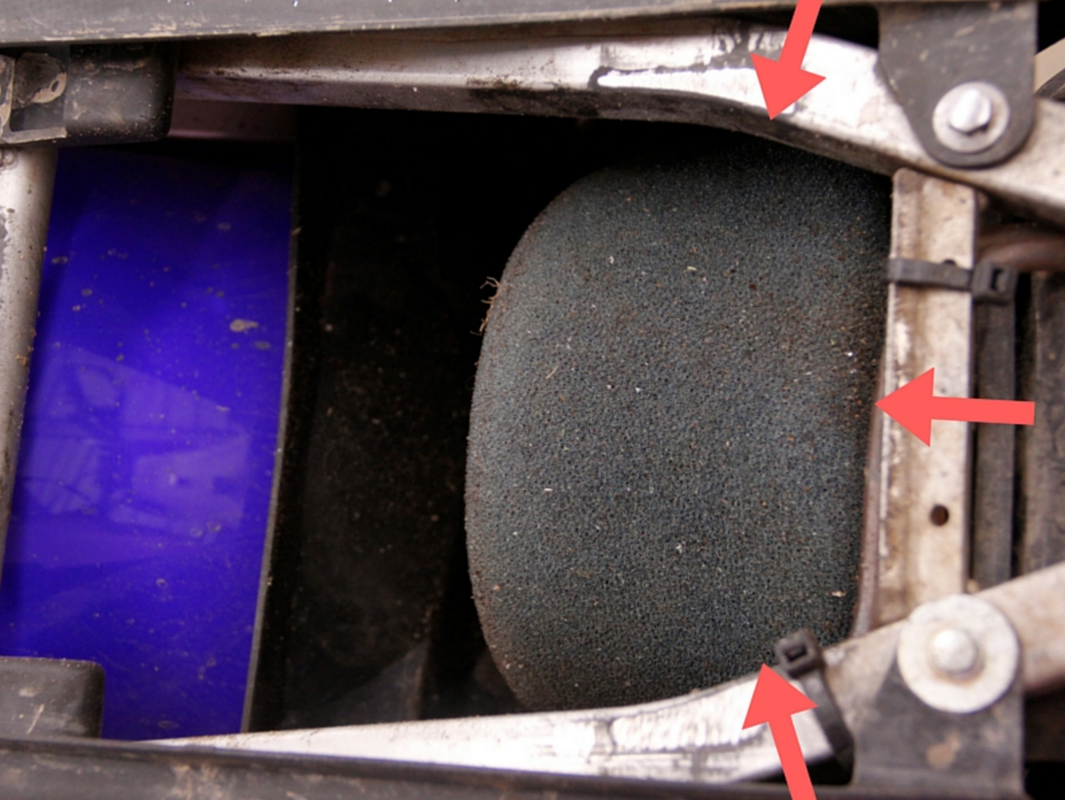
Before assuming engine damage, rule out simple culprits through visual and operational checks. These require no tools and take under 10 minutes—critical for avoiding unnecessary shop bills. Never disassemble components; focus on observable issues that don’t require mechanical expertise.
Verifying Air Intake and Exhaust Leaks
Leaks disrupt air-fuel ratios, causing popping. Check these areas while the engine is cold and off:
– Airbox seals: Press firmly around rubber gaskets where the airbox meets the carburetor/fuel injector. Listen for hissing when revving the engine (with proper safety precautions).
– Exhaust header joints: Inspect where the header pipe connects to the cylinder head. Look for soot trails or discoloration indicating escaping gases.
– Muffler mounting bolts: Ensure all clamps are tight—loose mufflers create false air entry points.
If you spot cracks in rubber seals or gaps at pipe joints, do not ride. These require professional tightening or part replacement to prevent dangerous fuel mixture imbalances.
Assessing Recent Modifications and Maintenance
Riders frequently trigger popping through well-intentioned changes. Cross-reference your bike’s behavior against:
– New exhaust systems: Aftermarket pipes often require rejetting or ECU tuning.
– Air filter changes: Oiled filters attracting excess debris or dry filters allowing unfiltered air.
– Fuel adjustments: Recent carburetor tweaks or fuel map uploads.
If popping started within 50 miles of a modification, revert to stock settings temporarily. For example: reinstall the stock air filter or reset fuel trims to factory defaults. If popping stops, you’ve isolated the cause—but don’t assume the mod is “bad.” It likely needs professional calibration to match your bike’s requirements.
Why DIY “Fixes” Often Make Popping Worse
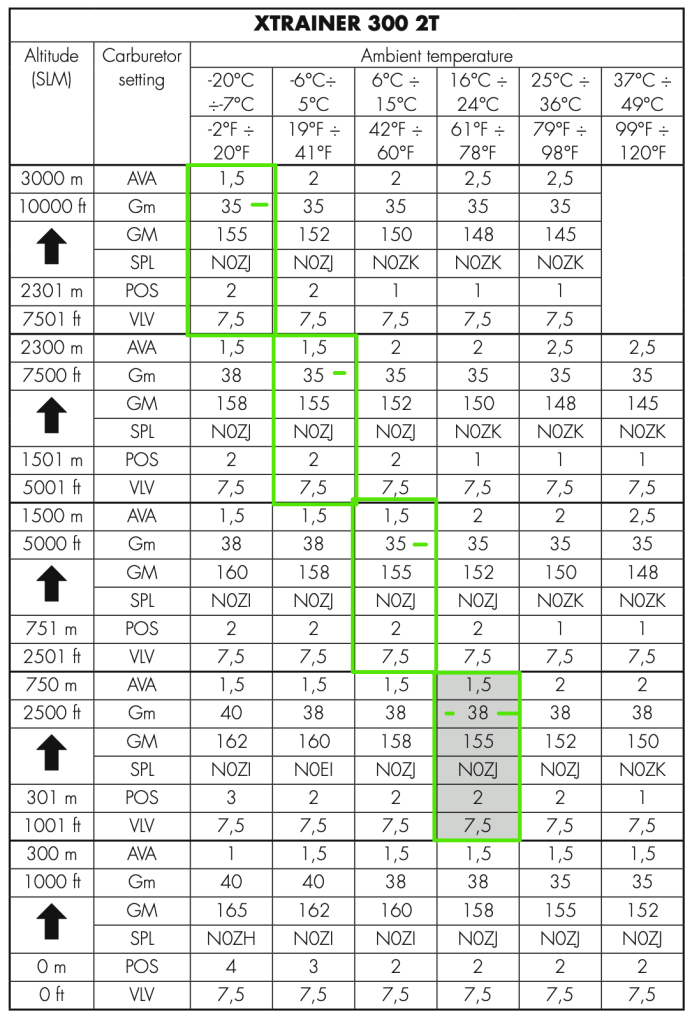
Riders commonly attempt quick solutions that escalate risks. Online forums overflow with dangerous advice like stuffing steel wool into exhausts or richening mixtures blindly. These “fixes” ignore engine-specific tolerances and can cause catastrophic damage.
Three High-Risk Amateur Mistakes to Avoid
- Randomly rejetting carburetors: Installing larger jets without airflow measurements floods engines, washing cylinder walls with fuel.
- Taping exhaust leaks: Heat-resistant tape fails under sustained temperatures, melting into the pipe and blocking exhaust flow.
- Adding fuel additives: “Octane boosters” or combustion cleaners alter burn rates unpredictably in two-strokes.
Mechanics report 40% of severe popping cases they see stem from attempted DIY repairs. If basic checks don’t resolve mild popping, professional diagnostics are cheaper than replacing piston rings.
When to Prioritize Professional Diagnostics Over Guesswork
Seek immediate mechanic help if popping coincides with:
– Loss of power or difficulty starting
– Unusual smoke (blue = oil burning, white = coolant leak)
– Metallic knocking sounds from the engine
– Recent crash impact near the exhaust or airbox
Explain exactly when popping occurs (e.g., “only below 3,000 RPM”) and any related symptoms. This directs mechanics to scan for specific issues like faulty oxygen sensors or intake manifold cracks—saving diagnostic fees.
Preventing Future Exhaust Popping Through Smart Maintenance
While you can’t eliminate all popping, strategic upkeep minimizes dangerous occurrences. Focus on consistency rather than chasing “perfect” performance.
Critical Maintenance Habits That Reduce Popping Risks
- Use manufacturer-specified fuel: Ethanol-blended fuels vaporize differently, altering combustion. Opt for ethanol-free gas where available.
- Clean air filters weekly: Clogged filters starve engines of air, creating rich conditions that cause popping on deceleration.
- Check exhaust bolts after every ride: Thermal cycling loosens connections—tighten to spec before dust seals fail.
- Log riding conditions: Note if popping increases at high altitudes (thinner air leans mixtures) or in humidity.
Pro Tip: Install a fuel flow gauge if running aftermarket exhausts. This verifies actual fuel delivery versus theoretical jetting charts, preventing guesswork.
Upgrades Worth Considering for Chronic Popping

For bikes with persistent issues, these professional-installed solutions address root causes:
– Closed-loop fuel systems: Automatically adjust mixtures using oxygen sensors (e.g., Power Commander V).
– Baffle inserts: Reduce exhaust resonance without restricting flow (temporary fix for noise-sensitive areas).
– Ceramic header coatings: Maintain consistent pipe temperatures for stable combustion.
Never install these without dyno tuning—otherwise you’ll trade popping for poor throttle response.
When to Accept Some Exhaust Popping as Inevitable
High-performance dirt bikes operate at the edge of combustion efficiency. Complete silence often means your bike is running too rich, sacrificing power and increasing carbon buildup. Acceptable popping:
– Occurs only during deceleration
– Sounds like a steady pop… pop… pop (not random explosions)
– Doesn’t trigger noise violations at your riding area
– Remains consistent over time (not worsening ride-to-ride)
Riders of modified two-strokes like the KTM 150 SX or Husqvarna TC125 often describe this as “the sound of efficiency.” If your bike meets these criteria, enjoy the rhythm—it’s your engine working as designed.
Final Note: Dirt bike exhaust popping demands smart triage, not panic. You’ve learned to distinguish harmless deceleration pops from emergency-level backfiring, perform safe pre-inspection checks, and avoid dangerous DIY “fixes.” Remember: mild rhythmic popping during deceleration is often normal, but violent explosions or acceleration pops require immediate professional attention. Prioritize consistent maintenance using manufacturer specs, and when modifying your bike, always pair changes with professional tuning. Keep your ear on the exhaust note—when it changes abruptly, your engine is sending a clear signal. For persistent issues, consult your dealer with specific symptom details to fast-track diagnostics. Stay safe, ride smart, and let your exhaust speak only when it should.