
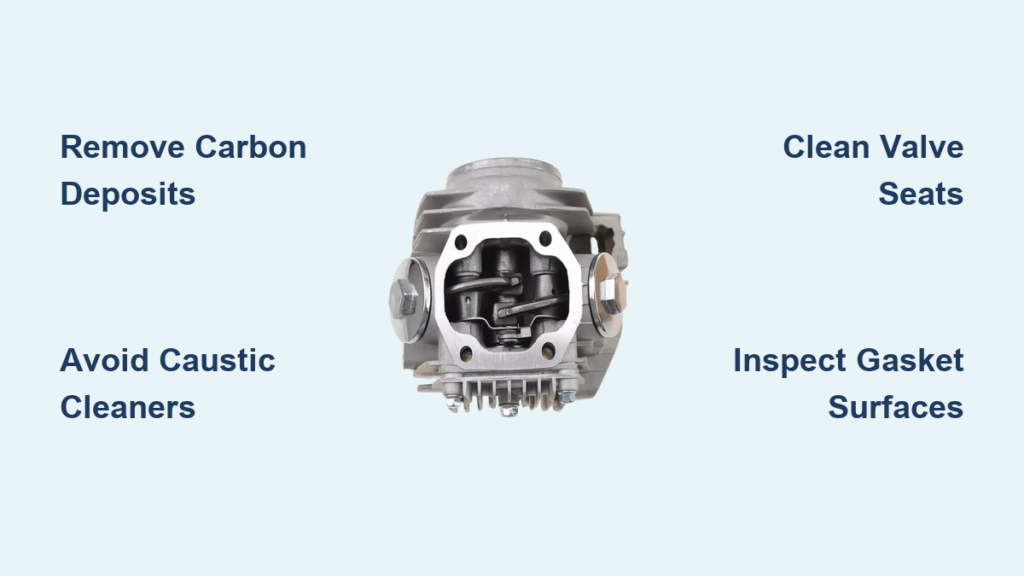
Your dirt bike’s cylinder head faces extreme conditions every ride, sealing the combustion chamber while managing intense heat cycles. Over time, carbon deposits, burnt oil stains, and grime accumulate on critical surfaces—especially in the combustion chamber, around valve seats, and between cooling fins. This buildup compromises your cylinder head gasket seal, leading to coolant leaks, compression loss, and reduced power output. Carbon deposits also act as insulators, preventing effective heat transfer and potentially causing overheating. Learning how to clean dirt bike cylinder head components properly restores performance, extends engine life, and prevents costly repairs. This guide delivers the exact steps to achieve professional cleaning results in your home workshop.
Essential Safety Steps Before Cleaning Your Cylinder Head
Before touching any cleaning chemicals, ensure your engine is completely turned off and has cooled down—working on warm metal risks burns and component warping. Disconnect the battery to prevent accidental starting while your hands are near moving parts. Always wear nitrile gloves and eye protection when handling cleaning chemicals, and work in a well-ventilated area to avoid inhaling fumes.
Critical warning: Never use caustic cleaners like oven cleaner on aluminum cylinder heads. Products containing harsh chemicals eat through aluminum, causing irreversible pitting. Even some “safe” parts cleaners like Releasall can damage aluminum—after just 20 minutes of exposure, one rider reported visible melting on a power valve cover. Always test any cleaner on a small inconspicuous area first and strictly follow recommended exposure times. Acidic solutions like vinegar may etch polished surfaces if left too long, though many riders successfully use diluted vinegar-peroxide mixtures with thorough rinsing.
Required Tools for Dirt Bike Cylinder Head Cleaning
Gather these essential tools before beginning your cleaning process: soft-bristle brushes in various sizes for agitating cleaner into carbon deposits, small bottle brushes for valve guide bores, brass wire wheels for drill attachment (safe for aluminum), green Scotch Brite pads for general cleaning, and clean shop towels or lint-free cloths. You’ll also need an air compressor or compressed air cans for drying and blowing debris from tight spaces, plus appropriate containers for soaking parts.
For polishing and finishing, prepare wet sandpaper (400-2000 grit), aluminum polish, cotton polishing cloths, felt polishing wheels, and wooden dowels for reaching between cooling fins. Safety equipment should include nitrile gloves, eye protection, and a respirator for chemical fumes. Having everything organized prevents mid-project interruptions and ensures thorough cleaning.
Effective Chemical Cleaning Methods for Aluminum Heads

Solvent-Based Carbon Removal Techniques
Engine degreaser or carburetor cleaner spray dissolves grease, oil, and carbon deposits when applied directly to dirty surfaces. Spray generously, allow five to ten minutes dwell time, then gently scrub with a soft-bristle brush—avoiding gasket surfaces and not forcing debris into oil or coolant passages. Wipe away dissolved residue with clean lint-free cloth, repeating until the head appears visibly clean.
Swarfega oil and grease remover effectively removes burnt-on stains without damaging aluminum. Many riders soak parts in diluted Swarfega overnight, followed by hand buffing with a Scotch Brite pad. Paint remover in jelly form excels at reaching tight spots inside combustion chambers—apply generously with a cheap brush, keep the surface wet for 30 minutes, then rinse with water.
Vinegar and Acid Solutions That Actually Work
A one-to-one vinegar and hydrogen peroxide mixture provides effective cleaning for aluminum heads without hazardous chemicals. Submerge the cylinder head and allow several days of soaking time—the extended contact helps lift carbon deposits. After soaking, wipe carbon off valves and combustion chamber surfaces. For stubborn buildup, wrap a soft sock around your finger, soak it in the solution, and polish surfaces while wet.
Phosphoric acid solutions work exceptionally well after initial degreasing. Naval Jelly, containing phosphoric acid in jelly form, can be applied thickly and left for 30-40 minutes before cleaning with #0000 steel wool. For best results, maintain the solution at 30°C or higher using a fish tank heater, as heated acid reacts more quickly with carbon deposits.
Mechanical Cleaning Techniques for Stubborn Carbon
Safe Abrasive Methods for Aluminum Heads
Green Scotch Brite pads remove carbon buildup effectively when used with solvent. Apply solvent to the pad and work it across dirty surfaces in circular motions, reapplying as needed. For difficult areas between cooling fins, wrap the pad around a screwdriver to reach tight spaces.
For valve cleaning, use a soft brass wire wheel mounted in a drill. Brass is soft enough not to damage valve surfaces while effectively removing carbon from valve stems. Never use brass wire wheels on valve faces, as this could affect sealing ability. After cleaning valves, wipe valve seats thoroughly with a rag to remove any residual abrasive material.
Glass Bead Blasting for Professional Results

Bead blasting with fine glass bead provides the most thorough cleaning for cylinder heads. The process removes all carbon and oxidation while creating an even matte surface. Fine glass bead is preferred over coarser media to avoid embedding particles in soft aluminum. After blasting, thoroughly wash the head in hot soapy water to remove all grit from cooling passages and valve guides. Use a bottle brush to clean guide bores—embedded grit causes rapid wear if not completely removed.
Cleaning Your Cylinder Head Without Removal
When complete head removal isn’t feasible, you can still improve performance with external cleaning. Spray engine degreaser directly onto accessible dirty areas of the cylinder head, allowing five to ten minutes dwell time. Use a soft-bristle brush to agitate the cleaner into carbon deposits, being careful around gasket surfaces. Wipe away dissolved residue with clean shop towels, then use compressed air to blow dry the area and remove loose debris from cooling fins.
This method won’t clean the combustion chamber or valve areas accessible only with head removal, but it improves cooling efficiency by removing grime from external surfaces and prevents overheating caused by clogged fins. Inspect closely for remaining deposits and repeat the process for stubborn buildup.
Critical Valve and Combustion Chamber Cleaning Steps
Proper Valve Lapping and Cleaning Procedure
After removing valves for thorough cleaning, use a soft brass wire wheel in a drill to clean valve stems and the back of each valve head. Clean the combustion chamber using specialized brass wire wheel attachments designed for tight spaces. After mechanical cleaning, wipe all surfaces with rags to remove residual carbon.
Before reassembly, test valve sealing by pouring a small amount of denatured alcohol into each port. Rotate the valves to seat them and observe for leakage. Alcohol will visibly escape if the seal is compromised, indicating the need for additional lapping—this simple test prevents compression loss and poor performance that would otherwise require another tear-down.
Handling Exhaust Valves Properly
When cleaning exhaust valves, leave some carbon on the valve tulip area as a reference point for seating. Dip only the lower portion of the valve stem in cleaning solution, leaving the tulip partially coated with carbon. After 24 hours, remove the valve and test by pushing it with your finger. If it sticks in the guide, dip for another day. This method prevents over-cleaning that could affect valve seating while ensuring the valve moves freely.
Post-Cleaning Procedures and Inspection Checklist
After bead blasting or any media cleaning process, thoroughly wash the cylinder head in hot soapy water to remove residual blast media from cooling fins and valve guide bores. Use a bottle brush to clean all passages, then rinse thoroughly with clean water and dry immediately with compressed air to prevent oxidation.
Inspect all coolant and oil passages by blowing compressed air through them—you should hear air flowing freely from the opposite end. Check gasket surfaces for damage or remaining deposits that could cause leaks. If the cylinder head will sit before reassembly, apply a light coat of oil to bare metal surfaces to prevent rust formation.
Common Cylinder Head Cleaning Mistakes to Avoid
Using caustic oven cleaners on aluminum heads causes irreversible pitting that requires professional repair. Even brief exposure damages polished surfaces beyond DIY correction. Similarly, leaving parts in acidic solutions too long results in etched surfaces that require additional polishing.
Failing to thoroughly remove blast media after bead blasting leads to guide wear and bearing failure once the engine runs. Over-polishing valve faces or using abrasive materials on sealing surfaces compromises compression. Not testing valve sealing after cleaning and before reassembly leads to compression loss and wasted effort—the simple alcohol pour test takes moments but prevents major headaches later.
Maintain Your Clean Cylinder Head
After cleaning your dirt bike cylinder head, regular maintenance prevents rapid reaccumulation of deposits. Change your oil at recommended intervals using quality motorcycle-specific oil, as fresh oil contains detergents that help prevent carbon formation. Use premium fuel or add fuel injector cleaner periodically to keep combustion chambers cleaner. Inspect your cooling system regularly—proper coolant levels prevent overheating that accelerates carbon buildup.
Watch for warning signs that indicate your cylinder head needs attention again: reduced power, rough idling, difficulty starting, coolant leaks around the head gasket, or visible deposits on the exterior. Addressing these issues early prevents small problems from becoming major engine repairs. With proper technique and regular maintenance, your clean cylinder head delivers reliable performance for many riding seasons to come.