Nothing ruins a trail ride faster than hitting the throttle and feeling your dirt bike stumble instead of surge forward. That sinking sensation when your dirt bike loses power when accelerating transforms an exhilarating ride into a frustrating crawl. Instead of responding to your command, the engine sputters, bogs down, or feels completely starved of power precisely when you need it most. This acceleration failure almost always stems from one critical issue: your engine isn’t getting the proper air-fuel mixture required for complete combustion. Whether your bike runs too rich (excess fuel) or too lean (insufficient fuel), combustion suffers and power disappears. In this guide, you’ll discover exactly how to diagnose and fix the specific cause behind your dirt bike’s acceleration problems—getting you back to riding with confidence.
Why Your Dirt Bike Boggs Down When You Open the Throttle
When your dirt bike loses power when accelerating, the bogging sensation reveals whether your engine runs rich or lean—two distinctly different conditions requiring specific solutions. Lean bogging creates that drowning sensation where the engine seems to die when you twist the throttle, often accompanied by loud exhaust pops. Your spark plug shows a telltale whitish or corroded electrode, signaling your engine is starved of fuel. Ignoring lean conditions risks severe engine damage from overheating. Rich bogging feels sluggish with noticeable sputtering, potent gasoline fumes, and smoky exhaust. The spark plug reveals carbon deposits, indicating too much fuel. While less immediately damaging than lean conditions, rich running still destroys performance and fouls plugs. Pinpointing which condition you’re dealing with—based on sound, smell, and plug appearance—directs you to the right repair path.
How to Distinguish Between Lean and Rich Conditions in 60 Seconds
Grab your spark plug wrench before your next ride. When acceleration problems strike, remove the plug and examine it immediately. A light tan or gray electrode color indicates proper mixture. If the electrode appears white or corroded, you’re dealing with a lean condition—likely caused by air leaks, clogged fuel filters, or improper jetting. If the plug shows heavy black carbon deposits, you’re running rich—typically from a clogged air filter, improper jetting, or fuel system contamination. This simple visual diagnosis saves hours of unnecessary troubleshooting and gets you closer to the actual fix.
Fix Clogged Fuel Filters Before Your Next Ride

A restricted fuel filter starves your engine of fuel precisely when demand spikes during acceleration. Symptoms mimic other fuel problems—hesitation, bogging, and sudden power loss—but originate from this simple, often overlooked component. Replace your fuel filter according to manufacturer specifications, or more frequently if you ride in dusty conditions or use questionable fuel sources. Many experienced riders carry a spare filter on trail rides for emergency replacement when power loss strikes miles from home. To check your filter, remove it from the fuel line and hold it up to light. If you can’t clearly see through it, replace it immediately—this five-minute fix solves acceleration problems more often than you’d expect.
Clean Carburetor Jets Without Damaging Precision Components
Dirt bike carburetors operate in hostile environments where dust and debris constantly threaten their delicate internal passages. Clogged jets deliver incorrect fuel mixtures that cause hesitation during acceleration. To properly clean jets, remove them from the carburetor body and hold each up to a light source. If light doesn’t pass clearly through the jet orifice, it needs cleaning. Spray carburetor cleaner through both ends, then blow compressed air through the passage—never use wire or sharp objects that permanently alter the jet’s precise dimensions. Before removing the air-fuel mixture screw (typically on the carburetor’s front), count exactly how many turns it takes to remove it and note its position. This ensures you can reinstall it to the same setting after cleaning, maintaining proper baseline mixture.
Diagnose Air Leaks with the WD-40 Spray Test

Unmetered air entering through leaks in the intake system creates lean conditions that cause power loss during acceleration. These leaks develop at rubber boots, gaskets, and connection points between the air filter housing, carburetor, and engine. To find them, spray WD-40 or carb cleaner around all intake connections while the engine idles. If the RPM changes when you spray a particular area, you’ve found an air leak. Common trouble spots include the carburetor’s rubber intake boot where it connects to the engine and the air filter housing seals. Replace any cracked or deteriorated rubber components immediately—these inexpensive parts create major performance issues when compromised.
Replace Fouled Spark Plugs Before Trail Failure
A degraded spark plug directly causes incomplete combustion and power loss when accelerating. Check your spark plug condition regularly, especially when experiencing bogging issues. Oil on the plug indicates excessive oil in two-stroke mixtures or potential ring/gasket problems in four-strokes. Carbon buildup confirms rich running conditions, while a white, corroded electrode signals dangerous lean operation. Always ensure your spark plug is properly gapped according to manufacturer specifications—most dirt bikes require .020-.030 inches. A loose plug creates inconsistent sparking, particularly under acceleration load. Replace fouled plugs immediately and inspect the spark plug cap and wiring for damage, as these components affect spark quality even with a new plug installed.
Unclog Your Air Filter After Every Dusty Ride
A dirty air filter restricts airflow to the engine, creating an excessively rich condition that starves your dirt bike of acceleration power. Unlike street bikes, dirt bikes operate in environments where filters clog rapidly. Inspect your air filter before every ride—hold it up to light to check for blockages. For foam filters, clean with专用 filter cleaner and re-oil properly. Paper filters require replacement when dirty. Never ride with a clogged filter, as this not only reduces power but also causes the carburetor to work harder, accelerating jet clogging. A clean air filter restores proper air-fuel ratio and delivers immediate throttle response improvement.
Check Two-Stroke Fuel Mixture Ratios Immediately
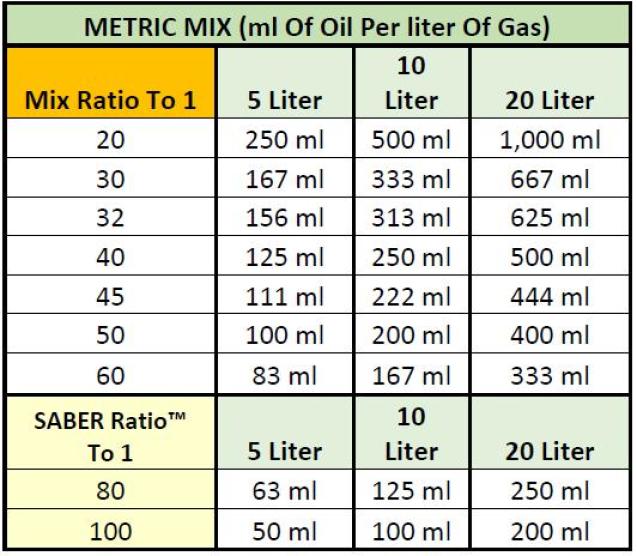
Two-stroke riders face unique acceleration problems when fuel-to-oil ratios stray from specifications. Too much oil creates thick smoke, carbon buildup, and plug fouling that kills acceleration. Too little oil risks catastrophic engine seizure from inadequate lubrication. Most manufacturers specify 32:1 or 40:1 ratios—never guess or approximate. Use a dedicated mixing bottle with clear measurements for precision. If acceleration problems coincide with a new fuel batch, incorrect mixing is likely the culprit. Recalculate your mixture using proper tools and fresh, high-octane fuel—this simple adjustment often restores full power instantly.
Inspect Exhaust System for Carbon Blockages
Exhaust restrictions create back pressure that suffocates engine performance, particularly during acceleration. Carbon buildup inside the pipe or a collapsed muffler core prevents spent gases from exiting efficiently. Remove your muffler and inspect the internal core for obstructions—use a flashlight to check the entire length of the exhaust pipe. Clear any carbon deposits with appropriate cleaning tools, but avoid damaging the internal surfaces. Performance exhaust systems reduce restriction and improve power delivery, but even stock systems require regular inspection. If your bike previously ran well but now loses power when accelerating, check for exhaust blockages before overcomplicating your diagnosis.
Test Ignition Timing Without Special Tools
Faulty ignition timing causes incomplete combustion and power loss during acceleration. Modern bikes with electronic ignition rarely need adjustment, but timing issues still occur from component wear or damage. Check for timing problems by observing engine behavior: advanced timing causes pinging/knocking sounds under load, while retarded timing creates sluggish acceleration and overheating. For bikes with mechanical timing, refer to your service manual for adjustment procedures. Performance ignition upgrades improve spark intensity and timing accuracy for better throttle response. If you’ve recently installed new electrical components and noticed power loss, suspect timing issues before diving into fuel system repairs.
Prevent Acceleration Problems with Pre-Ride Checks
Stop power loss before it happens with these three critical pre-ride inspections. First, verify your air filter is clean and properly seated—this single step prevents 40% of acceleration issues. Second, confirm fuel freshness—gas older than 30 days loses volatility and causes poor combustion. Third, check spark plug condition and gap—fouled or improperly gapped plugs directly cause hesitation. These three checks take less than five minutes but prevent most acceleration problems before you even hit the trail. Carry a spare plug, fuel filter, and basic tools on longer rides—this preparedness turns potential trail failures into quick field fixes.
When your dirt bike loses power when accelerating, systematic diagnosis beats random part swapping every time. Start with the simplest possibilities—air filter, spark plug, and fuel quality—before moving to complex systems. Understanding whether your engine runs lean or rich directs you to the right solution path. Regular maintenance prevents most acceleration problems, but when they strike, these proven fixes get you back to riding with confidence. Remember that proper air-fuel mixture remains the foundation of strong acceleration—everything else supports this critical relationship. With these diagnostic steps and fixes in your toolkit, you’ll spend less time troubleshooting and more time enjoying the trails.