That moment when your bike wobbles unexpectedly or a car pulls out in front of you happens in a heartbeat. In those critical seconds, your head takes the brunt of impact in most cycling accidents, with devastating consequences. Head injuries account for one-third of all emergency room visits, two-thirds of hospitalizations, and three-quarters of cycling-related deaths. The single most effective action you can take to protect yourself? Wearing a bike helmet. Decades of rigorous research prove that helmets reduce head injury risk by 63-88%, making them the most powerful safety tool available to cyclists of all ages and experience levels. This guide reveals the life-saving bike helmet benefits backed by scientific evidence from millions of real-world cycling incidents.
How Helmets Reduce Head Injury Risk by Up to 88%

Case-Control Study Findings You Can Trust
Five major case-control studies consistently demonstrate that wearing a bike helmet reduces your risk of head injury by 63-88%. These studies compared helmet usage between cyclists who suffered head injuries and those who didn’t, while accounting for critical factors like age, riding conditions, and accident severity. What’s remarkable is that this protection applies equally to children and adults, and works just as effectively for simple falls as it does in collisions with motor vehicles. Whether you’re commuting to work or riding with your kids, your helmet provides the same dramatic reduction in brain injury risk during any cycling incident.
Global Evidence From Real-World Helmet Use
The proof isn’t limited to laboratory conditions—population-level data confirms the bike helmet benefits worldwide. In England, researchers tracked a significant drop in head injuries from 40% to 28% of all cycling trauma cases as helmet usage increased between 1991 and 1995. Similar patterns emerged across the United States, New Zealand, and Australia following helmet education campaigns and legislation. These real-world examples show consistent year-over-year improvements as more cyclists adopt helmet use, proving that the protective effect holds true in everyday riding conditions across different cultures and environments.
Why Helmets Prevent the Most Devastating Cycling Injuries
Emergency Room Data That Should Concern Every Cyclist
When you visit the emergency room after a cycling accident, head injuries dominate the statistics. Hospital records consistently show that head trauma accounts for two-thirds of cycling-related hospitalizations and nearly all fatalities. This pattern holds true regardless of whether you’re a competitive racer, daily commuter, or weekend recreational rider. The consistency of these statistics across different age groups and riding styles makes helmet use universally important—no matter how experienced you are or where you ride, your brain remains vulnerable without proper protection.
Protection Against Long-Term Disability
Beyond immediate injuries, head trauma from cycling accidents often leads to permanent cognitive impairment, mobility issues, and reduced quality of life. Brain injuries require extensive rehabilitation and carry substantial lifelong costs for individuals and families. The financial burden extends far beyond initial medical bills, affecting earning potential, independence, and daily living for years. By reducing your risk of severe brain injury by up to 88%, wearing a bike helmet directly addresses this devastating outcome through proven prevention—protecting not just your immediate safety but your entire future.
Debunking Common Bike Helmet Myths Once and For All
Why Risk Compensation Theory Doesn’t Apply
Some critics claim that wearing a helmet makes cyclists take more risks, negating any safety benefits. This “risk homeostasis” theory suggests you might ride less carefully because you feel protected. However, decades of research find absolutely no evidence supporting this claim. Multiple studies controlling for rider behavior show identical injury reduction regardless of riding style. The protective mechanism of your helmet remains effective whether you’re riding cautiously through city streets or pushing your limits on a mountain trail—your safety doesn’t depend on changing your riding behavior.
How Researchers Account for Variables You Might Not Consider
Skeptics sometimes argue that unmeasured factors could explain why helmeted cyclists appear safer. However, four of the five major studies controlled for crash severity, age, and other critical variables. Crash severity actually serves as a proxy for risk-taking behavior, yet the 63-88% risk reduction persists even after accounting for these factors. No plausible alternative explanation can generate such consistent, large protective effects across different study populations and countries. The evidence stands firm: when you wear your helmet correctly, you significantly reduce your injury risk regardless of other circumstances.
Real Protection For Your Most Common Riding Scenarios
Defense Against Car Collisions

If you ride near traffic, your helmet provides essential protection even in severe crashes involving motor vehicles. The same 63-88% risk reduction applies to high-speed impacts as it does to low-speed falls. This universal protection makes helmets non-negotiable for urban cycling where interactions with cars create the highest injury risk scenarios. When a vehicle suddenly pulls into your path or a driver fails to yield, your helmet becomes your primary defense against life-altering head trauma.
Everyday Protection For Routine Rides
Most cycling injuries actually happen during simple falls, not car collisions. Potholes, slippery surfaces, or momentary loss of balance can send you tumbling at any time. Helmets provide identical protection for these common accidents, preventing concussions and skull fractures from routine mishaps. This everyday protection makes helmets valuable even for casual neighborhood rides or family outings in the park—situations where you might think “I’m just riding slowly” but where head injuries still occur regularly.
Choosing and Maintaining Maximum Protection
Selecting Certified Helmets That Deliver
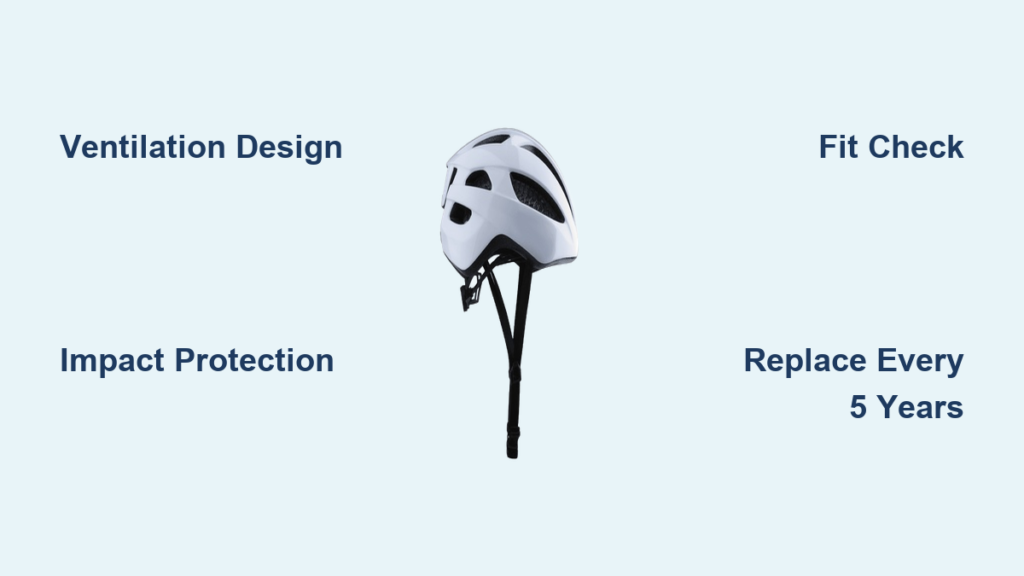
Not all bike helmets offer equal protection, so look for specific safety certifications when purchasing. Quality helmets carry CPSC, ASTM, or Snell certification marks, indicating they’ve passed rigorous impact testing under conditions simulating real cycling accidents. These standards ensure your helmet will perform when needed most, absorbing and distributing impact forces to protect your brain. Avoid novelty helmets that look stylish but lack proper certification—they might as well be decorative headwear when it comes to actual protection.
Proper Fit Checklist Before Every Ride
A helmet only protects when worn correctly, so follow these essential fit guidelines:
– Position the helmet level on your head, covering your forehead without tilting backward
– Adjust straps to form a “V” shape under your ears
– Buckle the chin strap snugly but comfortably
– Ensure the helmet doesn’t shift more than one inch in any direction when pushed
Perform this quick inspection before each ride—it takes less than 30 seconds but ensures your helmet will stay in position during impact.
When to Replace Your Helmet for Continued Safety
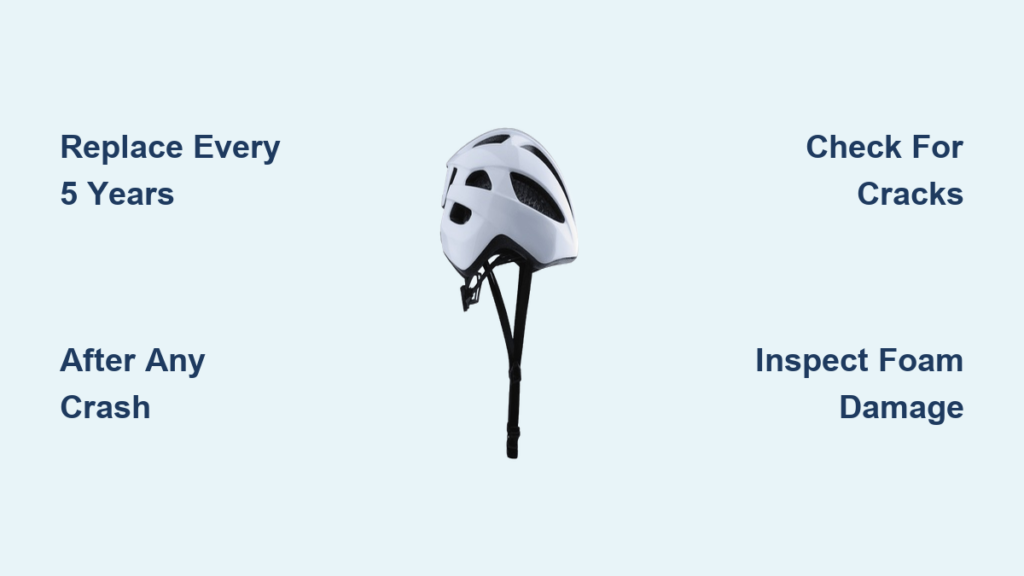
Replace your helmet after any significant impact, even if no damage appears visible. The protective foam compresses during impacts and loses effectiveness, compromising future protection. Additionally, replace helmets every 5-7 years as materials degrade naturally from UV exposure, sweat, and temperature fluctuations. Before each ride, check for:
– Cracks in the foam or shell
– Frayed or worn straps
– Damaged or malfunctioning buckles
– Loose adjustment mechanisms
Any visible damage means immediate replacement—helmets cannot be repaired effectively once compromised.
The evidence is overwhelming: wearing a bike helmet delivers proven 63-88% reduction in head injury risk across all cycling scenarios and age groups. This protection extends from minor neighborhood falls to severe car collisions, making helmets the single most effective cycling safety device available. The extensive scientific evidence, combined with real-world population data from multiple countries, establishes helmet use as essential for every cyclist regardless of riding style or experience level.
Don’t wait for an accident to appreciate these life-saving bike helmet benefits. Your brain has only one chance at protection during an impact, and your helmet provides that critical defense. By choosing a properly certified helmet, ensuring correct fit, and replacing it when necessary, you’re investing in decades of safer riding. Remember that most cycling injuries happen during routine rides—not extreme adventures—so make helmet use a non-negotiable habit every time you hop on your bike. Your future self will thank you when that unexpected moment arrives, and your helmet does exactly what it’s designed to do: save your life.