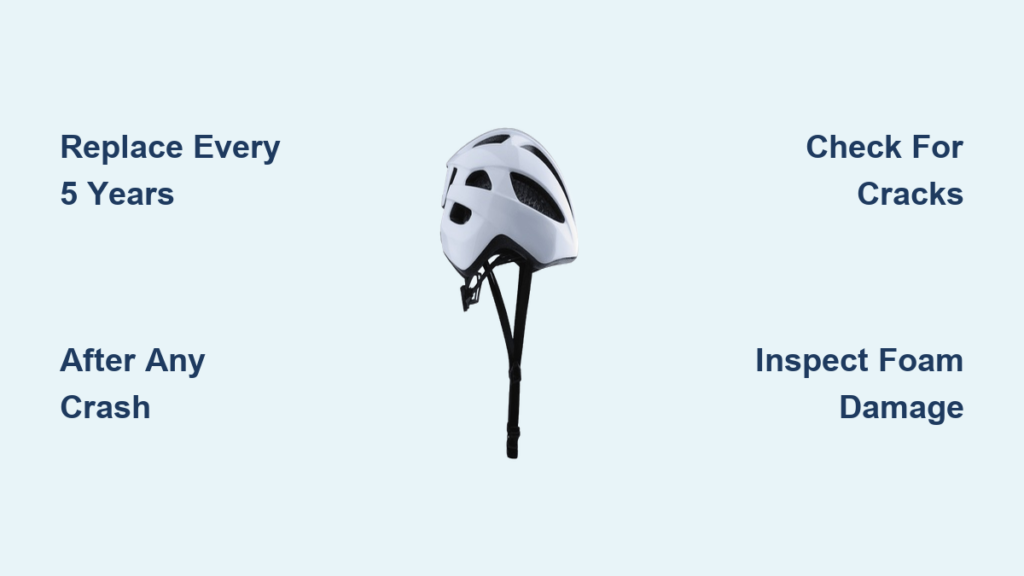
That helmet gathering dust in your garage or hanging on your bike rack might look perfectly fine, but its protective capabilities could be silently deteriorating. Most cyclists don’t realize that even without visible damage, their helmet’s life-saving potential diminishes steadily over time. Understanding how often to replace bike helmet is critical for anyone who values their brain health—because when seconds count in a crash, you need equipment that performs exactly as designed.
Your helmet is your primary defense against head injury, yet many riders keep them far beyond their effective lifespan. This guide reveals the science-backed replacement schedule, immediate danger signs, and inspection techniques that could prevent catastrophic failure when you need protection most. You’ll learn why the 5-year rule exists, when to replace your helmet sooner, and how to spot hidden damage that compromises safety.
Why Your Helmet Loses Protection Over Time

Materials Breakdown Science Explained
The Expanded Polystyrene (EPS) foam inside your helmet gradually loses its ability to absorb impact energy through oxidation and UV exposure. Research shows this critical material degrades approximately 3-5% annually under normal conditions. After five years, your helmet could offer 15-25% less crash protection than when new—meaning the same impact that would have been survivable with a fresh helmet might cause serious injury with an aged one.
Polycarbonate shells become increasingly brittle over time, losing 20-30% of their impact resistance after five years. This embrittlement means the shell may shatter rather than distribute force during a crash. Simultaneously, retention straps weaken by 2-3% annually due to UV exposure and sweat corrosion, potentially failing when they’re needed most.
Manufacturer Consensus on Replacement Timeline
Every major helmet manufacturer—Giro, Bell, Specialized, POC, and Kask—explicitly recommends replacing your bike helmet every five years from the date of manufacture, regardless of visible condition or usage frequency. This isn’t arbitrary corporate policy; it’s based on extensive materials testing showing when protective capabilities fall below safety thresholds.
Even helmets stored in ideal conditions experience internal degradation. Oxidation continues at a molecular level, silently compromising the EPS foam’s cellular structure. If you can’t find the manufacturing date (typically stamped inside the helmet), replace it immediately—manufacturers assume five years from first use as a conservative estimate.
Immediate Replacement Triggers You Can’t Ignore

Crash Impact Requires Instant Action
Any helmet that has sustained impact during a crash, fall, or collision must be replaced immediately—even if you see no visible damage. The EPS foam compresses permanently upon impact, creating invisible weak spots throughout the structure. This compression significantly reduces the helmet’s ability to absorb energy in subsequent impacts.
Don’t gamble with your brain health. If you’ve taken a spill where your head hit the ground, replace your helmet regardless of how it looks. Most manufacturers offer crash replacement programs providing 30-50% discounts on new helmets after an incident.
Visual Damage Inspection Checklist
Perform this quick visual assessment before every ride:
- Shell integrity: Run your fingers along the entire surface checking for hairline cracks, deep scratches, or dents
- Foam condition: Inspect the EPS liner through ventilation ports for compression marks or discoloration
- Retention system: Test all straps for fraying, stretching, or weakened buckles
- Fit stability: Ensure the helmet doesn’t shift excessively when you shake your head
Any visible damage means immediate replacement. Helmets are single-impact devices designed to sacrifice themselves to save your head—don’t expect them to protect you twice.
When to Replace Bike Helmet Sooner Than 5 Years
High-Use Riders Need Earlier Replacement
Daily commuters and high-mileage cyclists should replace their helmets every 2-4 years, not waiting the full five. If you’re logging 3,000+ miles annually, the combination of sweat corrosion, UV exposure, and minor impacts accelerates material breakdown. Sweat’s salt content alone increases strap degradation by 15-20% compared to infrequently used helmets.
Aggressive mountain bikers and urban commuters face additional risks. Road debris, frequent minor impacts, and exposure to environmental pollutants all contribute to faster aging. If your helmet regularly bounces around on your bike rack or gets knocked off hooks, replace it at the three-year mark regardless of visible condition.
Environmental Factors That Shorten Lifespan
Your riding environment dramatically affects how often to replace bike helmet:
- UV exposure: Riders accumulating 8+ hours weekly in direct sunlight should replace helmets every 3-4 years
- Temperature extremes: Storage in vehicles during summer can reach 140°F, doubling aging rates
- Coastal conditions: Salt air corrosion requires replacement every 4 years with thorough rinsing after each ride
- High altitude: UV intensity increases 4-5% per 1,000 feet of elevation, accelerating material breakdown
If your helmet has spent significant time in a hot car trunk or on a sun-drenched bike rack, replace it two years earlier than the standard recommendation.
Monthly Inspection Protocol for Helmet Safety
Exterior Damage Assessment Techniques
Develop a habit of examining your helmet’s outer shell before each ride:
- Check for fading or “chalking” on the surface, indicating UV damage
- Inspect ventilation holes for stress cracks radiating outward
- Verify the shell remains firmly bonded to the foam liner around all edges
- Look for discoloration that might indicate chemical exposure from sunscreen or insect repellent
Pay special attention to areas where you frequently handle the helmet—strap anchor points and temple regions often show wear first.
Interior Foam and Padding Evaluation
Flip your helmet over and examine the critical interior components:
- Run your fingers along the EPS foam surface for any soft spots or compression
- Check padding for excessive wear, breakdown, or mold growth in humid climates
- Test retention system operation—adjustment mechanisms should move smoothly without binding
- Verify chin strap integrity by gently pulling on both sides with moderate force
If interior foam shows any discoloration, compression, or crumbling texture, replace your helmet immediately regardless of age.
Cost-Benefit Analysis of Timely Replacement
Annual Protection Cost vs. Injury Expenses
Consider the economics of helmet replacement:
- A $50 helmet replaced every 5 years costs just $10 annually for life-saving protection
- A $150 premium helmet replaced every 5 years averages $30 per year
- Even replacing a $200 helmet every 3 years costs only $67 annually
Compare this to potential injury costs: a single ER visit for head trauma runs $3,000-8,000, concussion treatment averages $1,500-5,000, and severe traumatic brain injuries can cost $100,000 or more. Your helmet pays for itself many times over in potential medical cost avoidance.
Technology Advancements Worth Upgrading For
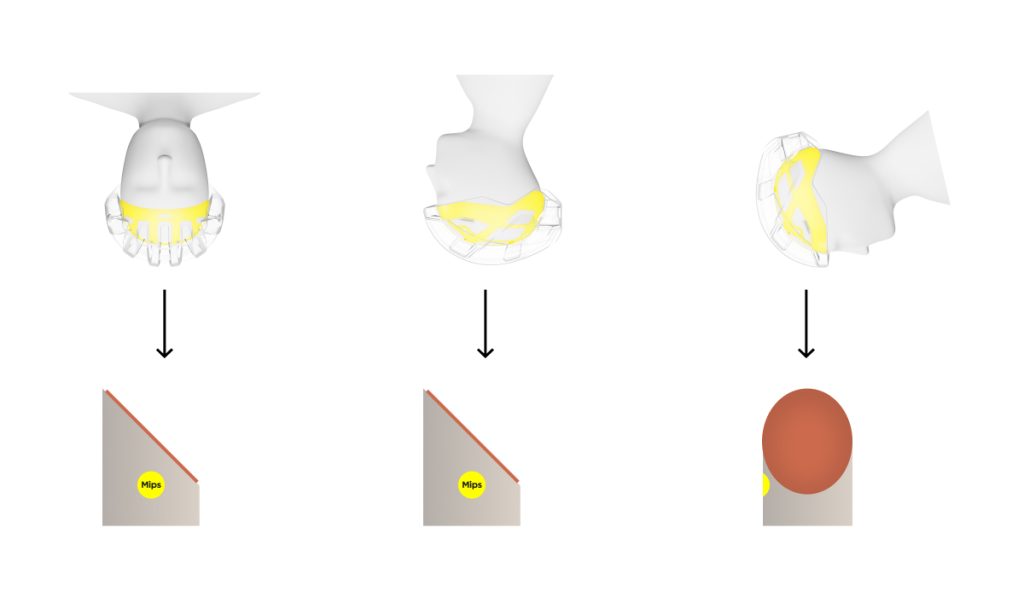
Modern helmets offer significant safety improvements over five-year-old models:
- Rotational impact protection: MIPS, SPIN, and WaveCel systems reduce rotational forces by 10-40%
- Weight reduction: New models are 20-30% lighter with equal or better protection
- Enhanced ventilation: 15-20% improved airflow keeps you cooler during rides
- Stricter standards: Updated testing protocols address real-world impact scenarios
Replacing your helmet every 3-5 years ensures you benefit from these technological advances that could make the difference between a minor bump and serious injury.
Optimal Helmet Storage and Maintenance
Temperature and Humidity Control Best Practices
Store your helmet properly to maximize its lifespan:
- Maintain temperatures between 50-80°F (10-27°C)—never exceed 100°F
- Keep relative humidity between 30-50% using silica gel packets in storage containers
- Always store in a protective bag away from chemicals, solvents, and direct sunlight
- Never leave your helmet in a vehicle during hot weather—temperatures can exceed 140°F
Proper storage can extend your helmet’s effectiveness toward the full five-year timeline, while improper storage may require replacement in as little as three years.
Special Use Case Replacement Guidelines
Children’s Helmet Replacement Frequency
Replace children’s helmets every 2-3 years due to rapid head growth and increased impact frequency. Young riders experience falls more often, and their helmets receive more wear. Measure your child’s head circumference every six months and replace immediately after any crash—children’s helmets often have less robust construction than adult versions.
Multi-Sport Helmet Considerations
Different usage scenarios demand different replacement schedules:
- Bike/skate helmets: Replace every 3 years due to higher impact risk in skate environments
- Bike/ski helmets: Replace every 5 years but inspect annually for cold-weather damage
- Urban commuter helmets: Replace every 3-4 years due to higher traffic crash risk
Your helmet is your brain’s insurance policy. When deciding how often to replace bike helmet, remember that the cost of replacement is minimal compared to potential medical expenses from inadequate protection. If you’re uncertain about your helmet’s condition, replace it—your cognitive health is worth far more than any helmet’s price tag.