That helmet hanging forgotten in your garage? It’s failing you before you even clip in. Choosing the right kinds of bike helmet makes the difference between confidence on technical descents, comfort during sweaty commutes, and genuine protection when the unexpected happens. With cycling deaths rising 44% since 2010, your helmet choice isn’t about style—it’s your most critical safety decision. This guide cuts through the noise to show exactly which helmet type solves your specific riding challenges, whether you’re dodging potholes downtown or bombing singletrack. You’ll learn to spot the hidden features that actually matter and avoid costly mismatches that compromise safety.
Road Cycling Helmets: Speed Meets Safety
Road helmets disappear on your head during century rides thanks to weight-saving engineering. These aren’t just lighter—they’re shaped like wind-tunnel-tested teardrops with 20-30 precisely placed vents that pull cooling air across your scalp like miniature jet engines. When you’re pushing 25+ mph in a breakaway, that aerodynamic shell shaves crucial seconds while preventing dangerous buffeting.
Why Road Helmets Dominate the Peloton
Unlike bulkier designs, road helmets ditch visors entirely to maintain that slippery profile. Thin straps won’t tangle with your neck in the drops, and micro-dial retention systems let you fine-tune fit mid-ride with one finger. Look for MIPS or WaveCel liners—they reduce rotational brain injury forces by 30-40% during angled impacts. Pro tip: If your helmet has fewer than 15 vents, skip it—road riding demands serious airflow.
Avoid This $200 Mistake
Many riders grab “aero” helmets for weekend group rides only to overheat on climbs. True time-trial lids have just 3-8 vents and belong strictly on race day. For all-day comfort, choose ventilated road models like the Giro Register (under $100) that balance speed with breathability. Your sweat-soaked forehead will thank you.
Mountain Bike Helmets: Conquer Trails Without Compromise
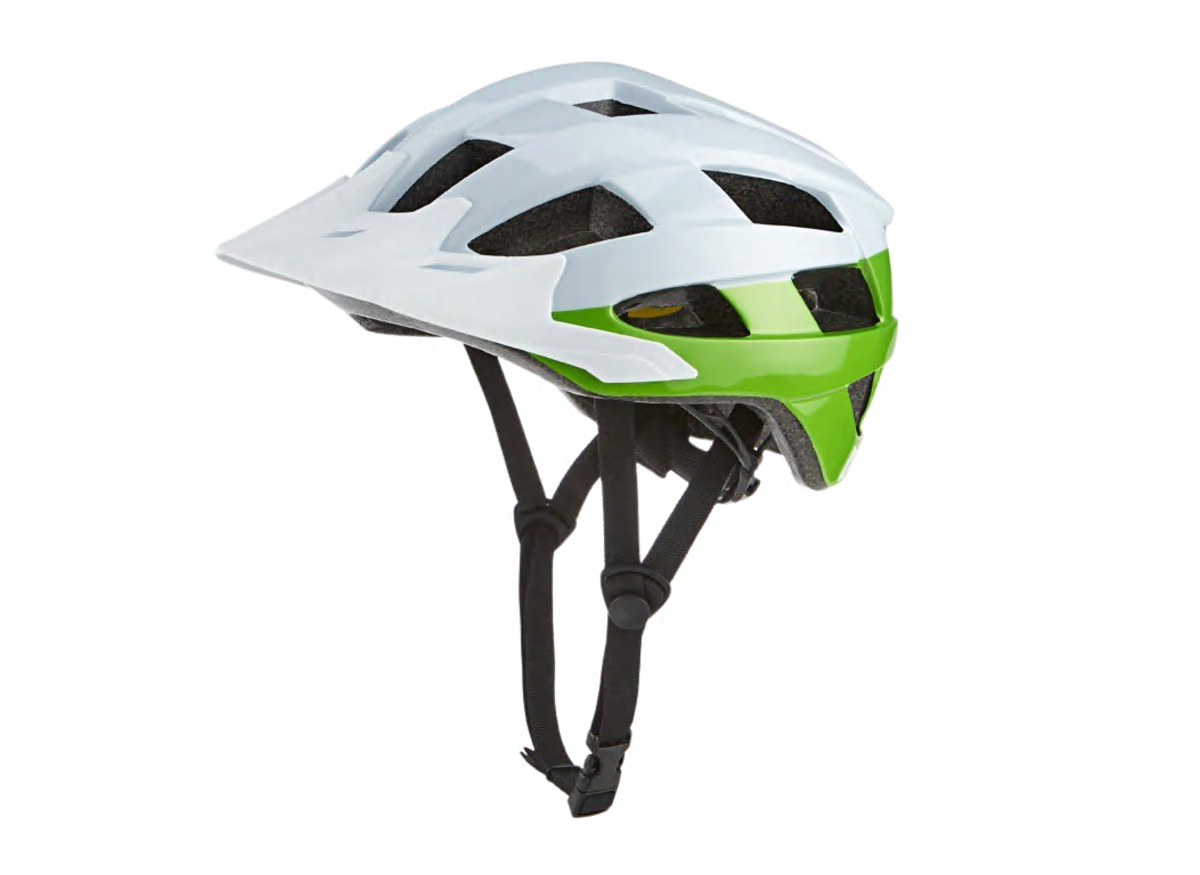
Trail crashes happen at slow speeds but hit hard—think tree roots and rocks. That’s why trail helmets wrap coverage around your temples and base of the skull, areas standard road lids ignore. An adjustable visor isn’t just for show; it deflects low-hanging branches while shielding your eyes from blinding sun during blind descents.
Full-Face Downhill Helmets: Non-Negotiable for Bike Parks

If you’re dropping into lift-served terrain, chin-bar protection isn’t optional. Full-face helmets like the Bell Super DH use dual-density EPS foam that hardens on impact—critical when crashing at 30+ mph. They’re heavy (900-1200g), but that weight saves your jaw from shattering on rocks. Warning: Never modify a full-face helmet by removing the chin bar—structural integrity fails completely.
The Enduro Sweet Spot
Enduro racers need climbing efficiency without sacrificing downhill safety. Convertible helmets like the Fox Dropframe solve this with removable chin bars. Pop it off for fire-road climbs (saving 200g), then snap it back for technical descents. You get 85% of full-face protection at trail-helmet weight—ideal for mixed-terrain riders.
Urban Commuter Helmets: Safety That Fits City Life
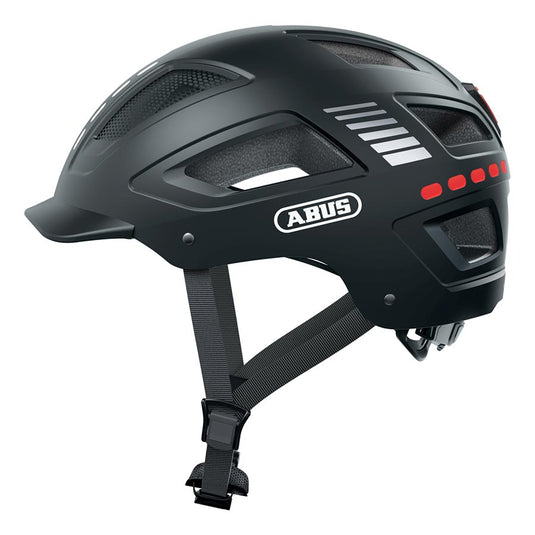
Commuting requires helmets that work when you’re not riding. Forget racing aesthetics—urban lids prioritize visibility with integrated LED taillights visible up to 500 feet and reflective strips woven into the shell. Extended rear coverage protects against rear-end collisions (the #1 urban crash type), while weather shields keep you dry when caught in downpours.
Why Standard Helmets Fail City Riders
Road helmets leave your ears exposed to car doors and debris. Commuter-specific designs like the Thousand Heritage add 20% more side coverage without adding bulk. Look for hidden features: magnetic buckles (Fidlock systems) let you secure the strap with numb winter fingers, and built-in ports accommodate helmet cams for insurance disputes.
Finding Your Perfect Helmet Type: Fit Over Fashion
A $400 helmet fails if it doesn’t fit. Measure your head at 1pm (when it’s largest) with a flexible tape 1 inch above eyebrows. Then test this critical fit checklist:
– Front edge sits 1-2 finger widths above eyebrows
– Straps form perfect “Y” junctions below ears
– Chin strap allows only 1-2 fingers snugly underneath
– BOA dial systems let you tighten vertically and horizontally
Red flag: If pressure points appear within 10 minutes, move to the next size. Women’s-specific models like the Smith Session solve common fit issues with ponytail-compatible retention systems and narrower profiles.
Smart Helmets: Tech That Could Save Your Life
Modern helmets like the Coros LINX integrate safety tech that’s worth the upgrade. Built-in accelerometers detect crashes and automatically text emergency contacts with your GPS coordinates—critical if you’re unconscious on remote trails. Programmable LED strips signal turns to drivers, while bone-conduction audio keeps ears free for traffic sounds.
When Tech Backfires
Avoid helmets with Bluetooth calling if you ride in noisy urban areas—the audio often cuts out at speed. Instead, prioritize crash detection and lighting. Check battery life: 3 hours is useless for all-day adventures. The Coros LINX delivers 10 hours, but requires charging every 2 weeks during regular use.
Replace Before Regret: The Hidden Lifespan Killer
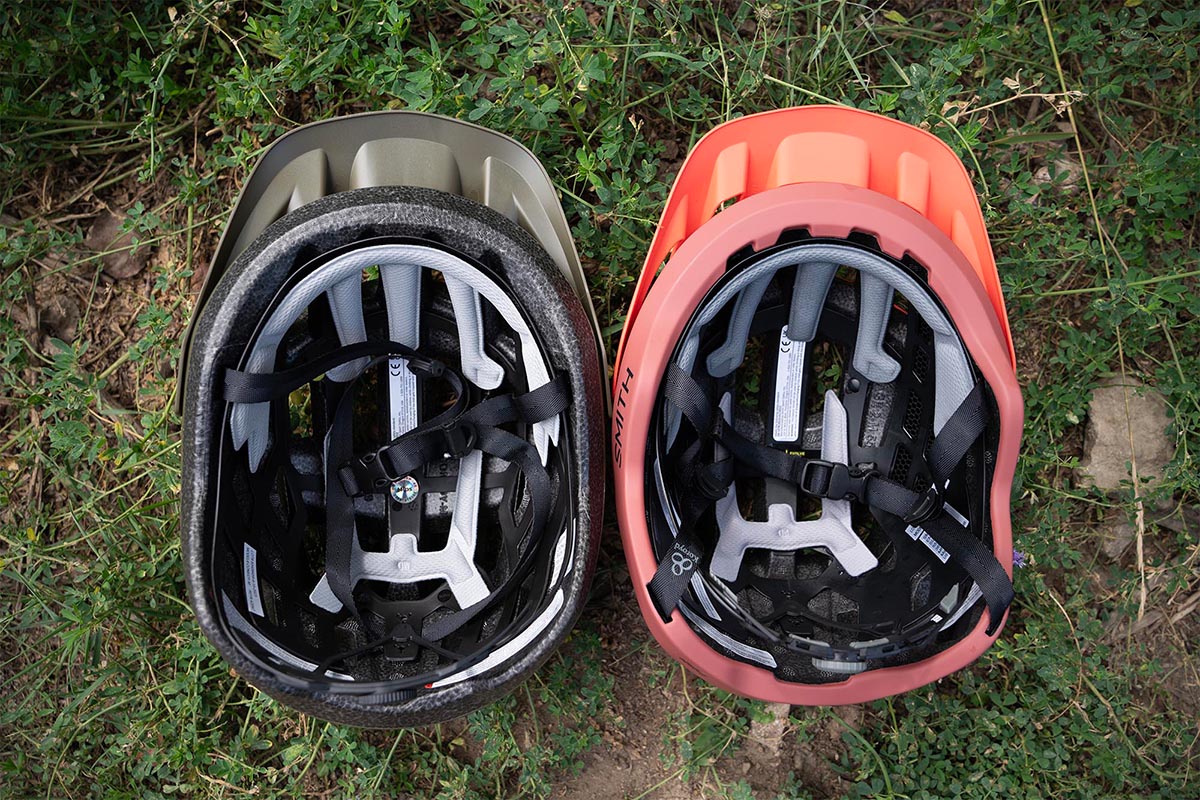
Helmets expire silently. Replace immediately after any impact—even if the shell looks perfect. EPS foam crushes internally on first impact, losing 90% of protection. Also replace every 5 years due to UV degradation and foam breakdown. Spot aging helmets by:
– Hairline cracks in the shell (run fingers over seams)
– Compressed foam that doesn’t spring back
– Stiff, frayed straps (sunlight destroys nylon)
Store helmets in cloth bags away from garage chemicals—gasoline fumes weaken EPS foam within months.
Budget Smarter: Where to Splurge and Save
Don’t waste money on “pro-level” aero helmets for casual riding. Instead, allocate wisely:
– $50-$80: Commuters need MIPS-equipped lids like Bell City
– $100-$150: Trail riders should prioritize extended coverage
– $200+: Only splurge for carbon shells if racing
All helmets must have CPSC or CE EN 1078 certification stickers inside—non-certified imports fail impact tests 7x more often. Skip “fashion” helmets without certifications; they’re decoration, not protection.
Your helmet is the only gear that matters when luck runs out. Match the kinds of bike helmet to your actual riding: road riders need vented aerodynamics, trail shredders require extended coverage, and commuters demand visibility tech. Measure your head tonight—most riders wear the wrong size. Then replace every 5 years religiously, because compromised protection is worse than none at all. When you click into those pedals tomorrow, know your helmet disappears until it’s needed most. That’s not just safety—it’s freedom to ride harder, longer, and without fear.