You’ve probably seen the photos or heard the stories—elite Delta Force operators wearing ordinary bicycle helmets on high-stakes counterterrorism missions. This intriguing image has fueled military forums, YouTube videos, and countless discussions among enthusiasts. It presents a tantalizing narrative: the world’s most elite special operations unit choosing consumer-grade cycling gear over military ballistic helmets for tactical advantage. But here’s what you won’t find in those viral stories—this entire narrative is almost certainly a military myth with no basis in reality.
The truth about Delta Force’s equipment practices is far more nuanced than internet lore suggests, and understanding why this myth persists reveals important lessons about military misinformation. While special operations units do occasionally improvise solutions in the field, the specific claim that Delta Force systematically used bicycle helmets for combat operations lacks any credible evidence. This article will examine why this myth developed, what Delta Force actually uses for head protection, and how to critically evaluate similar military claims you encounter online.
The Origin of the Bicycle Helmet Myth
How Internet Lore Takes Shape
Military misinformation often begins with a kernel of partial truth that gets distorted through repetition. In this case, the myth likely stems from misidentification of actual military gear. During certain operations in the 1980s and 1990s, special operations forces sometimes wore lightweight bump helmets—designed for non-ballistic impact protection during training or vehicle operations—that bore superficial resemblance to bicycle helmets. These specialized military bump helmets, like the Team Wendy EXFIL, were purpose-built for specific scenarios, not repurposed consumer products.
Misinterpretation of Training Footage
Much of the “evidence” for this myth comes from training photographs where operators might wear non-ballistic helmets for safety during specific exercises. Special operations units regularly use various head protection types depending on the scenario: ballistic helmets for combat, bump helmets for training, and sometimes even no helmets during certain maritime operations. Casual observers unfamiliar with military equipment distinctions have frequently mistaken training gear for operational use.
Pop Culture Amplification
Video games and Hollywood productions have significantly amplified this myth. Titles like Call of Duty and movies featuring special operations teams sometimes depict operators in unconventional headgear for visual distinction. These fictional portrayals then get presented as factual by viewers who don’t recognize the creative liberties taken for entertainment value.
What Delta Force Actually Uses for Head Protection

Modern Tactical Helmet Systems
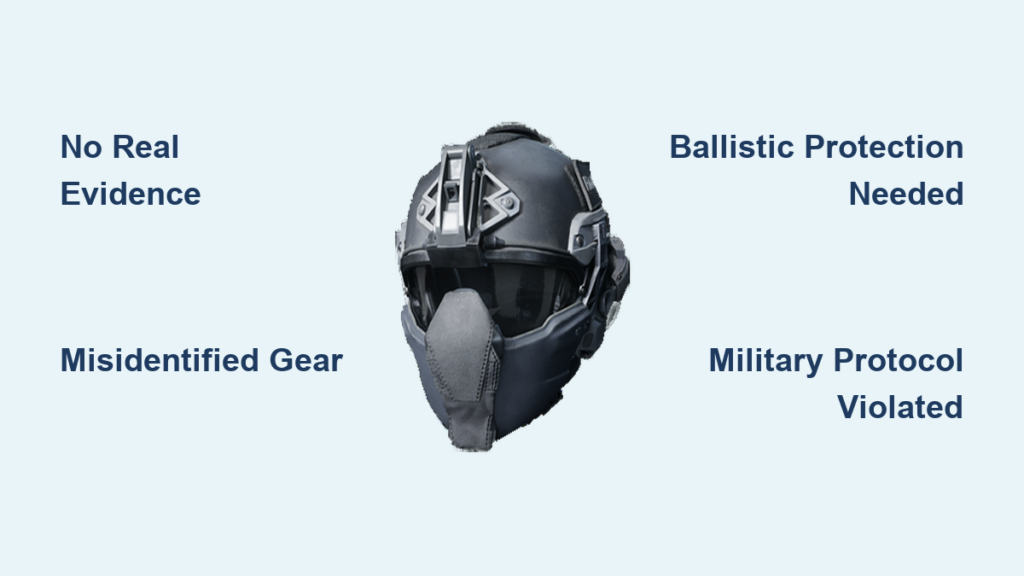
Delta Force operators use specialized helmet systems designed specifically for military applications, not consumer bicycle helmets. The Ops-Core FAST (Future Assault Shell Technology) helmet series represents the current standard, offering ballistic protection while maintaining relatively low weight (approximately 3 pounds). These helmets incorporate integrated mounting systems for night vision devices, communication headsets, and other mission-essential accessories—features completely absent from consumer bicycle helmets.
Mission-Specific Headgear Selection
Special operations units select head protection based on the specific mission profile. For high-risk direct action raids, operators wear full ballistic helmets meeting military specifications. For certain maritime operations or vehicle-based missions where ballistic threats are minimal but impact protection is needed, they might use non-ballistic bump helmets. These military-specific bump helmets still differ significantly from bicycle helmets in design, materials, and safety standards.
The Critical Importance of Ballistic Protection
The idea that Delta Force would willingly forgo ballistic head protection in combat environments contradicts fundamental military principles. Modern combat helmets provide protection against fragmentation and certain small arms fire—a critical capability when lives depend on split-second advantages. Special operations units don’t compromise on essential protective equipment; they instead push for better-designed solutions that balance protection with mobility.
Why the Bike Helmet Narrative Doesn’t Hold Up
Tactical Implausibility
The notion that elite special operators would replace purpose-built military equipment with consumer products ignores basic operational reality. Military units undergo rigorous equipment testing and qualification processes. Introducing untested, non-standard gear that lacks ballistic protection would represent an unacceptable risk that no responsible commander would authorize for actual combat missions.
Safety and Liability Concerns
Military units operate under strict safety protocols and equipment standards. Using non-certified consumer products instead of military-grade protective gear would violate numerous safety regulations and create significant liability issues. Special operations forces maintain meticulous equipment records—there’s no documentation of bicycle helmets being issued, maintained, or replaced through official military channels.
Lack of Credible Evidence
Despite decades of this myth circulating online, no verifiable evidence has ever emerged: no declassified documents, no credible veteran accounts, no authentic photographs showing Delta Force operators using bicycle helmets in actual combat operations. The absence of evidence from reliable sources strongly suggests this story is apocryphal.
How Military Myths Develop and Spread
The Appeal of Counterintuitive Stories
Military myths often gain traction because they present seemingly clever, counterintuitive solutions that appeal to our desire for simple answers to complex problems. The idea that “sometimes less is more” makes for a compelling narrative, even when it doesn’t reflect operational reality. Special operations units do value simplicity and efficiency, but never at the expense of essential protective capabilities.
Confirmation Bias in Military Communities
Online military communities sometimes embrace and perpetuate myths that align with their preconceived notions about special operations forces. The image of elite operators “thinking outside the box” by using unconventional gear fits a romanticized view of special operations culture, making such stories resistant to factual correction.
The Role of Commercial Interests
Some manufacturers have capitalized on this myth by marketing “tactical” bicycle helmets to civilian consumers. These products often feature military-style camouflage patterns and misleading marketing language suggesting special operations use, further blurring the line between reality and fiction for casual observers.
Critical Evaluation of Military Information
Verifying Through Credible Sources
When encountering extraordinary military claims, look for verification through credible channels: official military publications, reputable defense journalists with proper sourcing, or first-hand accounts from verified veterans. Be wary of information that only circulates through social media or unverified online forums.
Understanding Equipment Evolution
Military gear evolves through documented processes. If a significant equipment change occurred—like replacing ballistic helmets with bicycle helmets—there would be procurement records, testing documentation, and training materials reflecting this shift. The absence of such documentation is telling.
Recognizing Authentic Military Photos
Learn to identify authentic military imagery. Real operational photos typically show standardized equipment with consistent wear patterns, proper insignia placement, and context-appropriate gear configurations—details often missing in fabricated or mislabeled images circulating online.
The Reality of Special Operations Equipment Innovation
Documented Cases of Tactical Improvisation
While the bicycle helmet story is likely false, special operations forces do occasionally improvise solutions in the field. Documented examples include modifying commercial equipment for specific needs (like adding accessories to communication systems), but always within safety parameters and with proper authorization—not replacing essential protective gear with consumer products.
The Actual Equipment Selection Process
Military gear selection follows rigorous protocols involving operator feedback, testing under realistic conditions, and evaluation against specific performance criteria. When special operations units need improved equipment, they work with defense contractors to develop purpose-built solutions—not repurpose consumer products that lack necessary protective qualities.
Lessons Learned from Real Equipment Evolution
The evolution of military helmets demonstrates how actual improvements happen: through incremental advances in materials science, ergonomic design, and integrated systems that balance protection with functionality. Modern helmets like the Ops-Core FAST series weigh less than older models while providing superior protection—a genuine advancement achieved through legitimate military research and development.
Key Takeaway: The story of Delta Force using bicycle helmets is a persistent military myth with no basis in fact, likely originating from misidentification of actual military gear and amplified by pop culture. Special operations units like Delta Force employ purpose-built, rigorously tested equipment designed specifically for their mission requirements—not consumer products repurposed for combat. Understanding how such myths develop helps us better evaluate military information and appreciate the genuine innovation that occurs within special operations forces. When encountering sensational military claims, always seek verification through credible sources before accepting them as fact. The reality of special operations equipment is impressive enough without needing to invent stories that ultimately undermine the professionalism and expertise of these elite units.