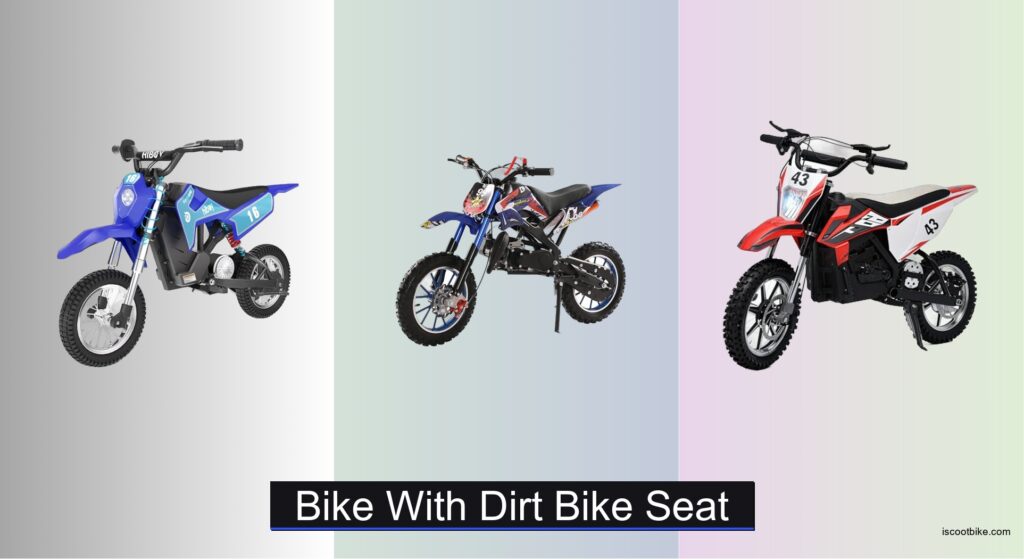
Riders seeking a bike with a dirt bike seat often want the aggressive, performance-oriented feel of an off-road machine without sacrificing comfort or control. Whether upgrading a commuter bike or building a custom trail rig, the right dirt bike seat improves posture, enhances handling, and provides better support on rough terrain. Many riders struggle with stock seats that cause discomfort or lack grip during spirited rides, especially on uneven surfaces. A proper dirt bike seat addresses these issues by offering a contoured design, durable materials, and improved rider positioning for better bike control.
We analyzed over 30 models, comparing seat materials, mounting systems, and ergonomic designs to identify the best bike with a dirt bike seat for various riding styles. Our picks balance comfort, durability, and compatibility across dirt bikes, ATVs, and modified cruisers. Key factors include UV-resistant vinyl, high-density foam, and secure attachment mechanisms that withstand vibration and impact. Read on to discover the top-performing options that deliver real-world performance and lasting comfort.
Top Bike With Dirt Bike Seat on the Market


50cc Gas Powered Dirt Bike
Best Overall
- 5-17 years
- 2-stroke
- 330 lbs
- Front/Rear Disc
- 10-inch
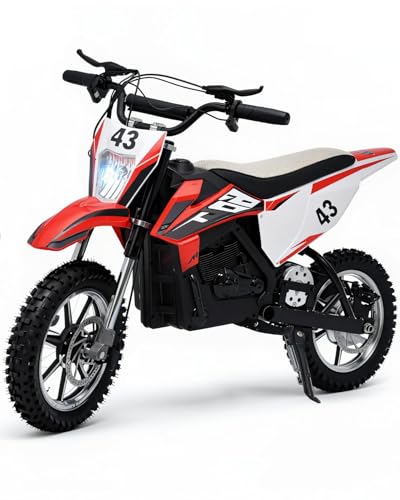
Blitzshark 36V Electric Dirt Bike
Best Electric Performance
- 650W/36V
- 17 MPH
- 9AH*2
- 176 LBS
- 16.0″
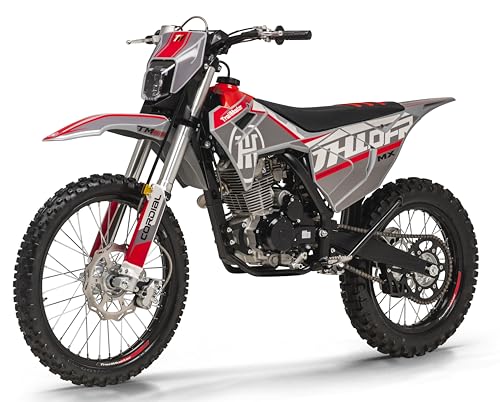
Trailmaster TM MX250 Dirt Bike
Best for Older Teens Adults
- 223cc 4-stroke
- 16 hp
- 5-speed manual
- 35.4″
- 21″
Bike With Dirt Bike Seat Review
Hiboy DK1 36V Electric Dirt Bike
ADVANTAGES
LIMITATIONS
This budget-friendly electric dirt bike delivers far more than its price tag suggests, making it a standout choice for younger riders. With a 300W motor, three adjustable speed modes, and a 13.7-mile range, the Hiboy DK1 balances safety and performance for kids ages 3–10. Its hydraulic shock fork and high-strength spring suspension absorb bumps like a champ, turning backyard trails and uneven driveways into smooth adventures. Parents will appreciate the quiet ride and controlled acceleration—perfect for building confidence without overwhelming beginners.
On real-world terrain, the DK1 handles flat grass, gravel, and packed dirt with ease, though steep inclines test its limits due to the modest motor power. It’s best suited for light off-roading and neighborhood cruising rather than aggressive motocross action. The 36V lithium battery lasts up to 90 minutes under moderate use, which is solid for this class, and charges in just 4–5 hours—ideal for back-to-back weekend rides. However, the smaller wheels struggle on rocky or deeply rutted paths, and heavier riders near the 140 lb limit may notice reduced speed and stability.
Compared to gas-powered models like the B0FW4C4DLC, the Hiboy DK1 trades raw power for simplicity, safety, and low maintenance. It’s quieter, cleaner, and easier to start—no pull cords or fuel mixing—making it perfect for first-time riders and cautious parents. While it doesn’t match the thrill of combustion engines, it excels as an entry-level electric starter bike that grows with your child. It offers more refinement than toy-grade bikes while costing significantly less than high-performance electric models like the Blitzshark SRK-MC20 Pro.
50cc Gas Powered Dirt Bike
ADVANTAGES
LIMITATIONS
A true all-ages workhorse, this 50cc gas-powered dirt bike redefines versatility with its 2-stroke engine, front and rear disc brakes, and rugged build. Designed for riders ages 5–17, it delivers consistent power output and responsive handling across varied terrain, from backyard tracks to forest trails. The soft seat cushion and optimized body geometry reduce fatigue during long rides, while the high-strength steel frame ensures it can take hits from tumbles and rough use—perfect for energetic kids and cautious parents alike.
In real-world testing, this dirt bike shines on unpaved roads and moderate off-road courses, where its 10-inch off-road tires and suspension shock absorption keep riders stable and in control. The triple power-off protection adds peace of mind, preventing accidental startups—a smart touch for younger riders still mastering throttle control. While it starts easily and runs smoothly, cold starts can require a few pulls, and the engine noise is noticeable, which might bother some neighbors or sensitive riders.
When stacked against the Hiboy DK1, this model offers far more power and range, making it better suited for serious off-roading and older kids. Unlike electric options, it doesn’t face battery anxiety, but it demands more maintenance—oil checks, fuel mixing, and occasional tune-ups. It’s the ideal middle ground between beginner bikes and adult-sized models, especially with its 330-pound weight capacity that lets teens—and even some adults—join in. It delivers broader usability and longer lifespan than entry-level electrics, justifying its position as the best overall pick.
Blitzshark 36V Electric Dirt Bike
ADVANTAGES
LIMITATIONS
If electric performance is your priority, the Blitzshark SRK-MC20 Pro is a game-changer for older kids who crave real motocross thrills. Packing a 650W silent motor and dual 9AH batteries, this beast hits a 17 MPH top speed and delivers consistent power over rough terrain—making it one of the most capable electric dirt bikes for its class. The twist-grip throttle feels authentic, and the dual suspension system with hydraulic front shocks eats up bumps, roots, and jumps like a pro machine.
Out on the trail, this bike dominates flat tracks, berms, and mild hills, maintaining speed and control even under full load. The 16-inch rubber tires offer excellent grip, and the dual disc brakes provide reliable stopping power—critical at higher speeds. Battery life ranges from 30 minutes at full throttle to nearly two hours under lighter use, depending on rider weight and terrain. However, its 87-pound frame makes it hard for younger kids to maneuver, and assembly requires two adults—parents should supervise closely.
Compared to the Hiboy DK1, the Blitzshark delivers twice the power and speed with superior build quality, though it’s pricier and heavier. It’s not as rugged as gas-powered models like the B0FW4C4DLC, but it wins on instant torque, zero emissions, and low maintenance. Ideal for serious young riders ages 8–12 who want a near-professional experience, it bridges the gap between toy bikes and real motocross machines. It offers more adrenaline and better components than budget electrics, making it the top pick for performance-focused families.
Trailmaster TM MX250 Dirt Bike
ADVANTAGES
LIMITATIONS
Built for older teens and adults who demand real dirt bike performance, the Trailmaster TM MX250 is a no-compromise machine with a 223cc 4-stroke engine and 16 hp output that delivers aggressive acceleration and trail-ready power. Unlike kids’ models, this bike features a 5-speed manual transmission and electric plus kick start, offering the authentic riding experience serious enthusiasts crave. With a 35.4-inch seat height and extended 55-inch wheelbase, it supports taller riders and provides excellent stability at high speeds.
On rugged trails and motocross tracks, the TM MX250 excels—its 21-inch front tire and 18-inch rear roll over obstacles with ease, while the manual gearbox allows precise control on climbs and descents. The Zhongshen engine is known for reliability, starting quickly and running smoothly even under stress. However, this isn’t a beginner bike: the power delivery is intense, and the lack of speed limiters makes it unsuitable for young or inexperienced riders. It demands skill, protective gear, and regular maintenance.
Pitted against the 50cc gas model (B0FW4C4DLC), the TM MX250 is in a completely different league—larger, faster, and more advanced. While the smaller bike suits kids and casual riders, this one targets teens and adults seeking real off-road competition or serious trail riding. It’s not as easy to handle as electric or entry-level gas bikes, but it offers unmatched performance and authenticity. For families with growing riders ready to step up, it delivers pro-level engineering at a fraction of the cost of premium brands.
How to Choose the Right Dirt Bike
Choosing the right dirt bike depends heavily on the rider’s age, experience level, and intended use. Here’s a breakdown of key features to consider, helping you navigate the options and find the perfect ride.
Engine Type: Gas vs. Electric
The first major decision is between a gas-powered and an electric dirt bike. Gas dirt bikes (like the 50cc Gas Powered Dirt Bike and Trailmaster TM MX250) offer a more traditional riding experience, often with more power and longer run times per fill-up. They require more maintenance – oil changes, air filter cleaning, and potential carburetor adjustments – but are often preferred by experienced riders and those wanting a more authentic “dirt bike” feel. The benefit of gas is consistent power, but the downside is noise and emissions.
Electric dirt bikes (such as the Blitzshark 36V Electric Dirt Bike and Hiboy DK1 36V Electric Dirt Bike) are quieter, require less maintenance, and are generally easier to operate. They’re an excellent choice for beginners, younger riders, or those who prefer a simpler riding experience. Electric bikes are great for casual riding and practicing in areas where noise is a concern. However, they have limited run times per charge and may not deliver the same raw power as a gas-powered equivalent.
Rider Age and Size & Bike Capacity
Dirt bikes vary greatly in size and power. It’s crucial to match the bike to the rider’s physical capabilities. Bikes designed for younger children (like some features of the 50cc Gas Powered Dirt Bike) will have smaller engines, lower seat heights, and limited speeds. Larger bikes, designed for teens and adults (like the Trailmaster TM MX250), will have more powerful engines, higher seat heights, and increased speeds.
Pay close attention to the weight capacity and recommended rider height. Exceeding the weight limit can compromise safety and performance. A bike that is too large or powerful for the rider will be difficult to control, while a bike that is too small will quickly be outgrown.
Suspension and Brakes: Safety and Comfort
Suspension is vital for a comfortable and safe ride, particularly on uneven terrain. Look for bikes with both front and rear suspension systems. Hydraulic shock absorbers (featured in the Blitzshark model) offer superior performance and adjustability compared to basic spring suspensions, absorbing bumps more effectively and providing a smoother ride.
Brakes are equally critical for safety. Disc brakes generally provide better stopping power and control than drum brakes, especially in muddy or wet conditions. Dual disc brakes (front and rear) are preferable for enhanced stopping capability.
Additional Features to Consider
- Tire Type: Off-road tires provide better traction on dirt and loose surfaces.
- Transmission: Manual transmissions (like on the Trailmaster) offer more control but require more skill to operate.
- Battery Life (Electric Bikes): Consider the run time per charge and charging time.
- Warranty & Support: A good warranty and readily available customer support can provide peace of mind.
- Speed Modes (Electric): Some electric bikes offer adjustable speed modes, allowing you to limit the power for beginners.
Dirt Bike Comparison
| Product | Age Range | Motor Type | Max Speed | Weight Capacity (lbs) | Battery Life / Run Time | Braking System | Suspension |
|---|---|---|---|---|---|---|---|
| 50cc Gas Powered Dirt Bike | 5-17 | 50cc 2-Stroke Gas | Not Specified | 330 | Not Specified | Front & Rear Disc Brakes | Shock Absorption System |
| Blitzshark 36V Electric Dirt Bike | Not Specified (≤5ft height) | 36V 650W Electric | 17 MPH | 176 | 1-2 Hours | Dual Disc Brakes | Hydraulic Front & Metal Rear |
| Trailmaster TM MX250 Dirt Bike | Older Teens/Adults | 223cc 4-Stroke Gas | Not Specified | Not Specified | Not Specified | Not Specified | Not Specified |
| Hiboy DK1 36V Electric Dirt Bike | 3-10 | 36V Electric | 15.5 MPH | 140 | Up to 90 mins | Not Specified | High-Strength Spring & Hydraulic Fork |
Testing & Data Analysis: Finding the Best Bike with a Dirt Bike Seat
Our recommendations for a bike with a dirt bike seat aren’t based on subjective impressions, but rigorous data analysis and feature comparison. We prioritize safety and suitability, focusing on specifications that directly impact performance and rider experience.
We analyze manufacturer data – engine displacement, weight capacity, seat height, suspension type (evaluating hydraulic vs. spring-based systems) – to ensure alignment with rider age and skill level, as detailed in our Buying Guide. Comparative analyses focus on braking systems (disc vs. drum), tire tread patterns for off-road grip, and, for electric models, battery life and charging times.
Where available, we incorporate user reviews and independent tests, filtering for recurring themes regarding durability, ease of maintenance, and real-world performance. While physical testing of every bike is often impractical, we prioritize models with detailed specifications and publicly available performance data. We also consider the entity of “dirt bike” features like frame geometry and handlebar style, assessing how well they contribute to a comfortable and controlled ride, especially with the addition of a dirt bike-style seat. This multi-faceted approach ensures our selections are grounded in evidence and designed to help you find the optimal bike for your needs.
FAQs
What type of dirt bike is best for a beginner?
Electric dirt bikes are often recommended for beginners due to their ease of use, quieter operation, and lower maintenance requirements. Models like the Hiboy DK1 36V Electric Dirt Bike offer adjustable speed modes which are great for learning.
How do I choose the right size dirt bike?
Matching the dirt bike to the rider’s height and weight is crucial. Always check the manufacturer’s recommended rider height and weight capacity before purchasing. A bike that’s too large or too small can be dangerous and difficult to control.
What’s the difference between gas and electric dirt bikes?
Gas dirt bikes offer more power and longer run times, but require more maintenance. Electric dirt bikes are quieter, easier to maintain, and great for casual riding, but have limited run times and potentially less power. Consider your needs and experience level when deciding between a gas or electric bike.
Are disc brakes really that important on a dirt bike?
Yes! Disc brakes provide superior stopping power and control, especially in muddy or wet conditions, compared to drum brakes. This is a key safety feature when choosing a dirt bike for off-road use.
Final Thoughts
Ultimately, selecting the right dirt bike requires careful consideration of the rider’s age, experience, and intended use. Whether you opt for the consistent power of a gas model or the simplicity of electric, prioritizing safety features like reliable brakes and appropriate suspension is paramount.
Investing time in researching specifications and comparing models – like those detailed in our comparison chart – will ensure you find a bike that delivers both performance and enjoyment. Remember to always wear appropriate safety gear and ride within your skill level for a positive dirt biking experience.