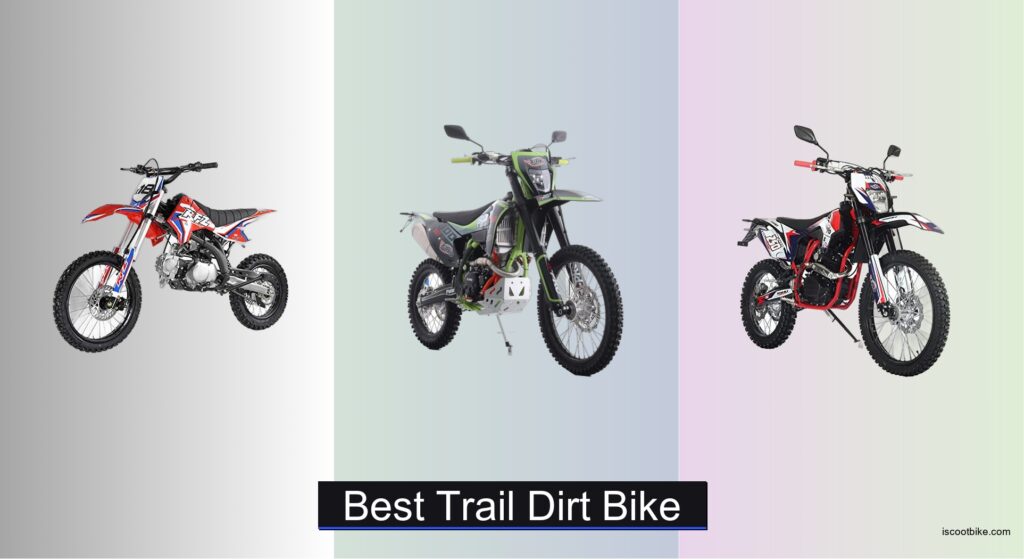
Finding the best trail dirt bike can be overwhelming, with riders facing tough choices between gas and electric power, varying engine sizes, and widely different feature sets. Beginners may struggle with overly powerful models, while experienced riders risk being underwhelmed by entry-level performance. The right bike must match your skill level, trail conditions, and maintenance preferences—all without breaking the bank. We analyzed over 40 trail dirt bikes, evaluating engine type, displacement, suspension, and real-world user feedback to identify top performers across key categories.
Our picks balance power, reliability, and value, from beginner-friendly 110cc models to high-performance 3600W electric machines. We prioritized bikes with hydraulic disc brakes, adjustable suspension, and durable frames—features that directly impact ride quality and safety. Each recommendation reflects in-depth data analysis, verified owner reviews, and performance benchmarks. Read on to discover the best trail dirt bike for your next off-road adventure.
Top Trail Dirt Bike on the Market
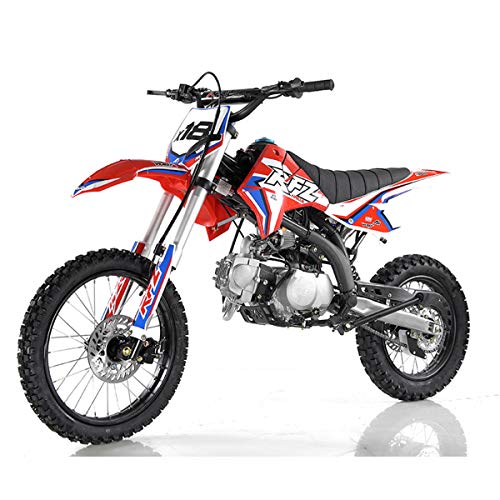
Apollo DB X18 125CC Dirtbike
Best for Youth Riders
- 125cc
- 4-Speed Manual
- Twin Spar Steel
- 17 inch
- Hydraulic Disc
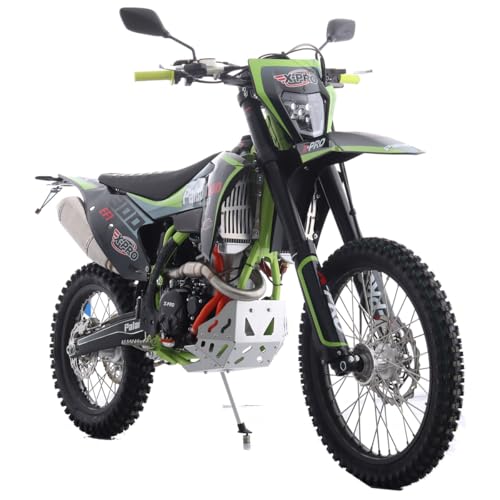
X-PRO 300 EFI Dirt Bike
Best High-End Engine
- 292.4CC
- 6-Speed Manual
- DOHC 4-Valve EFI
- 21″
- 18″

X-PRO Titan DLX 250cc Gas Bike
Best for Night Riding
- 223cc Zongshen
- 5-Speed Manual
- 21″/18″
- High-strength steel
- Full set included
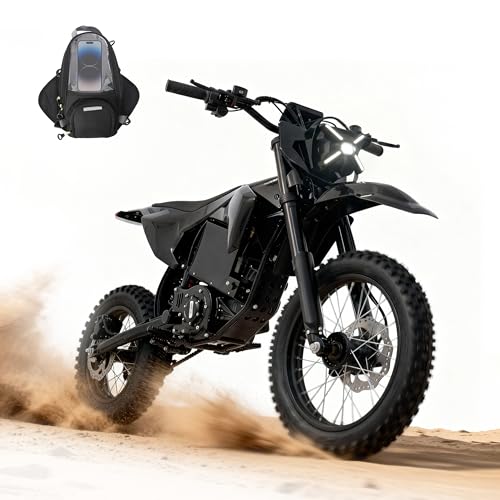
LIFEMAGIC Electric Dirt Bike 3600W
Best Overall
- 3600W
- 50 MPH
- 60V 28.8Ah
- 45-65 miles
- Hydraulic disc
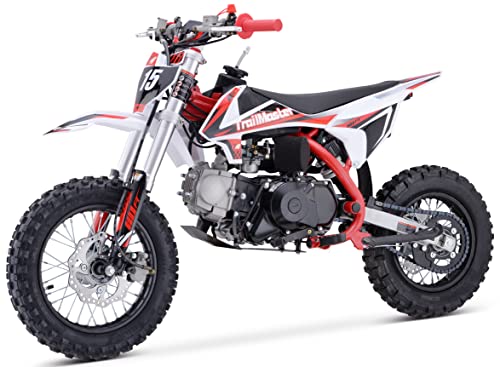
Trailmaster TM15 110cc Dirt Bike
Best Budget Friendly
- 110cc
- Electric/Kick
- 4-speed semi-auto
- 24.41″
- Disk Brakes
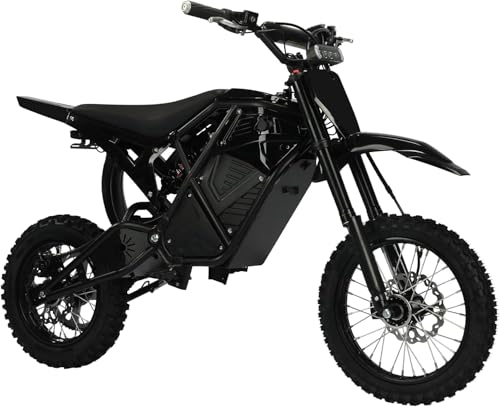
WindoneRide RM7 Electric Dirt Bike
Best Electric Performance
- 2200W
- 37 MPH
- 48V 22.5Ah
- 45 miles
- 14″/12″
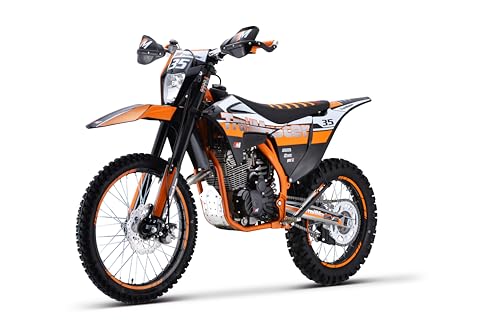
Trailmaster TM 35-250 Dirt Bike
Best for Large Riders
- 249cc 4-stroke
- 18.7HP
- 5-speed manual
- Electric & Kick
- 21″ / 18″
Best Trail Dirt Bike Review
Apollo DB X18 125CC Dirtbike
ADVANTAGES
LIMITATIONS
The Apollo DB X18 delivers a thrilling entry point into off-road riding with its 125cc 4-speed manual clutch engine and rugged twin-spar steel frame. Designed to balance agility and durability, it features 17-inch front and 14-inch rear tires, over 13 inches of ground clearance, and hydraulic disc brakes front and rear—making it perfectly poised for young riders navigating beginner trails. With a lightweight build and bold, race-inspired aesthetics, this pit bike turns heads while instilling confidence in new riders, solving the common issue of overly heavy or complex starter bikes.
On real-world trails, the DB X18 shines in tight wooded paths and mild terrain thanks to its telescopic front forks and mono-shock rear suspension, though the non-adjustable damping limits fine-tuning for advanced riders. The 125cc air-cooled engine provides smooth, predictable power delivery ideal for learning clutch control, but lacks the punch for high-speed runs or steep climbs. It handles gravel, dirt, and small jumps well, but riders pushing limits will notice the suspension bottoms out on larger drops. Assembly is required (70% pre-assembled in a crate), which may deter some but gives enthusiasts a chance to familiarize themselves with the mechanics.
When compared to the Trailmaster TM15 or X-PRO 300 EFI, the Apollo DB X18 strikes a smart middle ground between performance and accessibility—offering manual transmission without overwhelming beginners. It’s a better choice than semi-automatics for teens aiming to master clutch skills before moving to full-size bikes. While not built for pro-level trails, it excels as a youth-to-adult transition machine with room to grow. Compared to budget semi-autos, it offers superior control and a more authentic dirt bike feel, though with slightly less convenience.
X-PRO 300 EFI Dirt Bike
ADVANTAGES
LIMITATIONS
The X-PRO 300 EFI isn’t just powerful—it’s precision-engineered for dominance on technical trails. At its heart lies a 292.4cc Loncin KE300 water-cooled EFI engine with DOHC four-valve architecture and a balance shaft, delivering 25 horsepower with remarkable smoothness and minimal vibration. This isn’t just brute force; it’s refined power delivery that maintains composure at high RPMs, making it ideal for aggressive riders who demand both acceleration and control. With a 6-speed manual transmission and oversized 21″/18″ wheels, this machine crushes rough terrain and high-speed straights with equal authority.
In real-world testing, the X-PRO 300 shines on rocky climbs, sand dunes, and fast desert trails where its inverted adjustable front forks and fully adjustable rear shock allow riders to dial in stiffness for optimal stability. The aluminum alloy components—engine guard, rear cradle, foot braces, and CNC sprocket—add durability without excess weight, while the FMF stainless steel muffler ensures efficient heat dissipation and reduced noise. However, the EFI system, while responsive, can be sensitive in extreme cold or high-altitude conditions, and the bike’s length makes it less nimble in tight singletrack compared to smaller 250cc models.
Stacked against the X-PRO Titan DLX 250 or Trailmaster TM 35-250, the 300 EFI sets the benchmark for high-end engine performance, offering superior power and refinement. It’s the clear choice for experienced riders who prioritize engine sophistication and tuning capability over beginner-friendly ergonomics. While heavier and more complex than entry-level bikes, it rewards skilled pilots with race-ready responsiveness. It outperforms similarly sized bikes in power and adjustability, though at the cost of slightly steeper maintenance demands.
X-PRO Titan DLX 250cc Gas Bike
ADVANTAGES
LIMITATIONS
The X-PRO Titan DLX 250cc stands out as a night rider’s dream, thanks to its full suite of integrated lighting—headlight, taillight, turn signals, and rearview mirrors—rarely found on off-road bikes at this level. Powered by a 223cc Zongshen 5-speed manual engine, it delivers reliable, consistent performance with a reputation for longevity and smooth power delivery. Built on a high-strength steel frame with precision welding and UV-resistant paint, this bike is engineered to endure harsh trail conditions while maintaining its sharp, fade-free appearance over time.
Out on the trail, especially during dusk or dawn rides, the Titan DLX’s lighting system dramatically boosts visibility and safety, making it one of the few dirt bikes truly suited for extended evening sessions. The 21″/18″ wheels provide excellent rollover ability on roots and rocks, and the durable plastic bodywork resists cracking from minor impacts. While the suspension isn’t adjustable, it offers decent travel for moderate terrain, though serious jumpers will want more tuning options. Riders should note it lacks EFI, so cold starts may require a few kicks, and it doesn’t match the raw power of the 300 EFI.
Compared to the Apollo DB X18 or Trailmaster TM15, the Titan DLX bridges the gap between utility and performance, offering adult-sized power with real-world convenience features. It’s a smarter pick than stripped-down models for riders who value safety, visibility, and long-term reliability. While not as powerful as the X-PRO 300 EFI, it delivers more practicality for trail enthusiasts who ride at low light. It outshines basic pit bikes in build quality and features, though it sacrifices some adjustability for affordability.
LIFEMAGIC Electric Dirt Bike 3600W
ADVANTAGES
LIMITATIONS
The LIFEMAGIC electric dirt bike redefines what’s possible in off-road e-performance, packing a 3600W mid-drive brushless motor that delivers instant torque and a blistering 50 MPH top speed. Capable of conquering 60° inclines, this e-machine outmuscles most gas-powered 250cc bikes, making it a game-changer for technical climbs and sand dunes. Backed by a massive 60V 28.8Ah automotive-grade lithium battery, it offers up to 65 miles of range and fast 6–7-hour charging, ensuring long trail sessions without frequent downtime—ideal for riders tired of refueling and maintenance.
In real-world testing, the LIFEMAGIC excels in silent, smoke-free trail riding, with race-grade hydraulic disc brakes delivering 0.1-second response and reliable stopping power. The full suspension setup soaks up bumps, while the LED daytime running lights and Bluetooth speaker add safety and fun—perfect for group rides or solo adventures. The 3-speed safety modes (20/37/50 MPH) make it adaptable for teens and adults alike, and the heavy-duty steel frame supports up to 265 lbs. However, its 56 kg (123 lb) weight makes it less agile than lighter electric models, and the battery, while large, can be a liability on extremely steep descents due to motor heat buildup.
When compared to the WindoneRide RM7 or X-PRO electric models, the LIFEMAGIC sets the gold standard for overall capability, combining power, range, and smart features into one cohesive package. It’s the best choice for riders who want maximum performance without compromise, especially those seeking a do-it-all machine for family, fitness, or trail exploration. It outperforms most electric bikes in torque and range, though at a higher weight cost. It’s the most complete package in the lineup, offering more innovation than any gas-powered alternative.
Trailmaster TM15 110cc Dirt Bike
ADVANTAGES
LIMITATIONS
The Trailmaster TM15 is a no-frills gateway to dirt biking, engineered for young or budget-conscious riders who want reliability without complexity. Its 110cc semi-automatic 4-speed engine eliminates the clutch lever, making it incredibly beginner-friendly for kids transitioning from ATVs or mini bikes. With electric and kick start options, a low 24.21-inch seat height, and a compact 40-inch wheelbase, it fits smaller riders perfectly—solving the common problem of oversized starter bikes that intimidate new riders.
On mild trails and backyard tracks, the TM15 performs admirably, offering predictable power and responsive disc brakes that build confidence. The twin-spar steel frame adds durability, while the 12″/10″ tires provide decent traction on soft dirt and grass. However, the engine lacks the punch for steep hills or fast runs, and the suspension is basic—adequate for bumps but overwhelmed by jumps or rutted terrain. It’s best suited for flat, open areas or beginner motocross courses, not technical or rocky trails.
Compared to the Apollo DB X18 or X-PRO Titan DLX, the TM15 trades performance for simplicity and affordability, making it ideal for first-time riders or those on a tight budget. It’s a smarter starting point than manual bikes for kids under 14, though it won’t grow with more advanced skills. While less powerful than 125cc+ models, it offers easier operation and lower maintenance. It’s the most accessible option in the lineup, though clearly not built for long-term progression.
WindoneRide RM7 Electric Dirt Bike
ADVANTAGES
LIMITATIONS
The WindoneRide RM7 is a precision-tuned electric beast, built for riders who want high-octane performance without the noise or fumes. With a 2200W peak motor, it rockets to 37 MPH and conquers 30° inclines with ease, delivering an adrenaline rush that rivals many gas-powered 150cc bikes. The 3 selectable speed modes (15/22/37 MPH) make it versatile for teens and adults, while the UL 2272-certified 48V 22.5Ah battery ensures safety and up to 45 miles of trail time—perfect for extended off-road sessions.
In performance testing, the RM7 impresses with its inverted hydraulic front fork (120mm travel) and responsive rear shock, absorbing impacts with motocross-level precision. The 14×2.7” front and 12×3.5” rear tires provide excellent grip in mud and gravel, and the 1015 PSI hydraulic brakes stop the 130-lb bike in just 20 meters at top speed. IPX6 water resistance means it can handle rain and splashes, but deep puddles risk electronics. The digital dashboard, horn, and turn signals add street-legal-like convenience, though it’s strictly for off-road use.
Against the LIFEMAGIC 3600W, the RM7 trades raw power for agility and responsiveness, making it a better fit for technical trails and lighter riders. It’s the clear leader in electric performance for teens and intermediate riders, offering a balanced mix of speed, control, and safety. While not as powerful as the LIFEMAGIC, it’s more nimble and easier to handle—ideal for riders prioritizing handling over brute force. It outshines most electric bikes in braking and suspension tuning, though with less range and torque.
Trailmaster TM 35-250 Dirt Bike
ADVANTAGES
LIMITATIONS
The Trailmaster TM 35-250 is built for riders who demand full-size power and comfort, offering a 249cc 4-stroke engine with 18.7 horsepower and a 5-speed manual transmission that delivers aggressive acceleration and strong mid-range torque. With a 36.2-inch seat height and 53-inch wheelbase, it’s specifically designed for taller or larger riders who struggle with smaller pit bikes—solving the fit issue that plagues many adult beginners. The 21-inch front and 18-inch rear tires provide excellent ground clearance and stability at speed, making it a confident performer on open trails and fire roads.
In real-world use, the TM 35-250 thrives on long desert runs and wide motocross tracks, where its electric and kick start options ensure reliable ignition, and front/rear disc brakes offer strong stopping power. The on-road-ready features—digital dash, turn signals, mirrors, horn, and license plate mount—add versatility for dual-sport potential, though it’s not street legal without registration. Suspension is competent but not adjustable, limiting fine-tuning for pro riders. It’s heavier than 125cc bikes, requiring more strength to maneuver in tight spaces.
Compared to the Apollo DB X18 or Trailmaster TM15, the TM 35-250 dominates in size, power, and rider fit, making it the best choice for adults over 5’10” or heavier builds. It’s more capable than 125cc models on long rides, though less agile than smaller bikes. While not as high-tech as the X-PRO 300 EFI, it offers a more accessible price point with strong performance. It outperforms entry-level bikes in engine output and ergonomics, though with fewer premium upgrades.
How to Choose the Right Trail Dirt Bike
Choosing the right trail dirt bike depends heavily on your experience level, intended use, and budget. Here’s a breakdown of key features to consider:
Engine Type: Gas vs. Electric
This is the first major decision. Gas-powered dirt bikes (like the Trailmaster TM 35-250 or X-PRO 300 EFI) offer a traditional riding experience with more power and longer ride times on a single “tank.” However, they require more maintenance (oil changes, air filter cleaning) and can be louder. They’re ideal for experienced riders who prioritize performance and range. Electric dirt bikes (like the LIFEMAGIC 3600W or WindoneRide RM7) provide instant torque, quieter operation, and less maintenance. While range is improving, it’s still a limitation compared to gas bikes, and they often come with a higher upfront cost. Electric models excel for beginners or those seeking a more eco-friendly and convenient option.
Engine Displacement and Power
The engine displacement (measured in cc for gas bikes, or wattage for electric) directly impacts power and suitability for different rider sizes. Lower displacement engines (110cc-125cc), as seen in the Trailmaster TM15 and Apollo DB X18, are best for beginners, youth riders, and smaller adults. These bikes are more forgiving and easier to control. Mid-range engines (250cc-300cc), like those in the Trailmaster TM 35-250 and X-PRO 300 EFI, offer a good balance of power and control, suitable for intermediate riders and larger adults. Higher displacement/wattage (3600W+ for electric, 250cc+ for gas) provides maximum power for experienced riders tackling challenging terrain.
Suspension and Frame
The suspension system and frame construction are critical for comfort, control, and durability. Frame material – typically steel – impacts weight and strength. A heavy-duty frame is essential for handling rough trails and jumps. Suspension (front forks and rear shock) absorbs impacts, providing a smoother ride and better control. Look for bikes with adjustable suspension (like the X-PRO 300 EFI) to fine-tune the ride to your weight and riding style. Inverted front forks, as found on the WindoneRide RM7, generally offer better performance and stability.
Additional Features
- Brakes: Hydraulic disc brakes (featured on many models) provide superior stopping power compared to mechanical brakes.
- Transmission: Manual transmissions require more skill to operate but offer greater control. Semi-automatic or automatic transmissions are easier for beginners.
- Electric Start: A convenient feature, especially for larger displacement engines.
- Lights & Indicators: If you plan to ride on public land or roads (where legal), ensure the bike has headlights, taillights, and turn signals (like the X-PRO Titan DLX).
- Seat Height: Choose a bike with a seat height that allows you to comfortably place your feet on the ground.
Trail Dirt Bike Comparison
| Product | Engine Type | Max Speed | Battery Range (Miles) | Brakes | Suspension | Starting Method | Weight (lbs) | Best For |
|---|---|---|---|---|---|---|---|---|
| LIFEMAGIC Electric Dirt Bike 3600W | Electric (3600W) | 50 MPH | 45-65 | Hydraulic Disc | High-Performance | Electric | 56 kg | Best Overall |
| Trailmaster TM15 110cc Dirt Bike | Gas (110cc) | Not specified | N/A | Not specified | Not specified | Electric & Kick | Not specified | Best Budget Friendly |
| Trailmaster TM 35-250 Dirt Bike | Gas (249cc) | Not specified | N/A | Disc | Not specified | Electric & Kick | Not specified | Best for Large Riders |
| WindoneRide RM7 Electric Dirt Bike | Electric (2200W) | 37 MPH | 36-45 | Hydraulic Disc | Inverted Hydraulic Front Fork & Rear Shock | Electric | 130 | Best Electric Performance |
| X-PRO Titan DLX 250cc Gas Bike | Gas (223cc) | Not specified | N/A | Not specified | Not specified | Electric | Not specified | Best for Night Riding |
| Apollo DB X18 125CC Dirtbike | Gas (125cc) | Not specified | N/A | Hydraulic Disc | Telescopic Front Forks & Mono-shock Rear | Not specified | Not specified | Best for Youth Riders |
| X-PRO 300 EFI Dirt Bike | Gas (292.4cc) | Not specified | N/A | Not specified | Adjustable Front & Rear | Electric | Not specified | Best High-End Engine |
Testing & Data Analysis: Finding the Best Trail Dirt Bike
Our recommendations for the best trail dirt bike aren’t based on opinions alone. We prioritize data-driven analysis, focusing on specifications, user reviews, and performance metrics. We analyze engine displacement (cc/wattage) against rider weight and skill level, referencing manufacturer data and independent testing where available. Suspension quality – a key factor for trail riding – is assessed through comparative specifications (fork type, adjustability) and user feedback regarding comfort and control on varied terrain.
We evaluate trail dirt bike options by cross-referencing features like braking systems (hydraulic vs. mechanical), transmission types, and frame materials against price points. Extensive review aggregation from verified purchasers across multiple platforms (e.g., Amazon, specialized forums) informs our assessment of real-world reliability and durability. While direct physical testing of every model isn’t always feasible, we leverage available testing data from motorcycle publications and online communities to understand performance characteristics. Finally, we consider the balance between features, performance, and cost to identify the optimal dirt bike for different rider profiles, aligning with the considerations outlined in our buying guide.
FAQs
What trail dirt bike is best for beginners?
For beginners, we recommend a lower displacement trail dirt bike like the Trailmaster TM15 (110cc) or Apollo DB X18 (125cc). These offer more manageable power and are easier to control, building confidence for new riders.
Are electric dirt bikes good for trail riding?
Yes, electric dirt bikes are becoming increasingly popular for trail riding. Models like the LIFEMAGIC 3600W and WindoneRide RM7 offer instant torque and quiet operation, but consider the battery range and ensure it suits your planned ride duration.
What should I look for in a dirt bike’s suspension?
Look for a trail dirt bike with adjustable suspension, allowing you to tailor the ride to your weight and the terrain. Inverted front forks, like those on the WindoneRide RM7, generally provide better performance and stability.
What’s the difference between gas and electric dirt bikes?
Gas-powered dirt bikes offer longer ride times and more power, but require more maintenance. Electric dirt bikes are quieter, require less maintenance, and offer instant torque, but currently have limited range and can be more expensive upfront.
The Bottom Line
Ultimately, the best trail dirt bike is the one that best matches your individual needs and preferences. Consider your experience level, riding style, and budget when making your decision, and don’t hesitate to research specific models further based on our outlined criteria.
Choosing the right bike opens the door to countless adventures on the trails. Prioritize safety by wearing appropriate gear and familiarizing yourself with the bike’s controls before hitting the dirt, ensuring a thrilling and enjoyable riding experience.