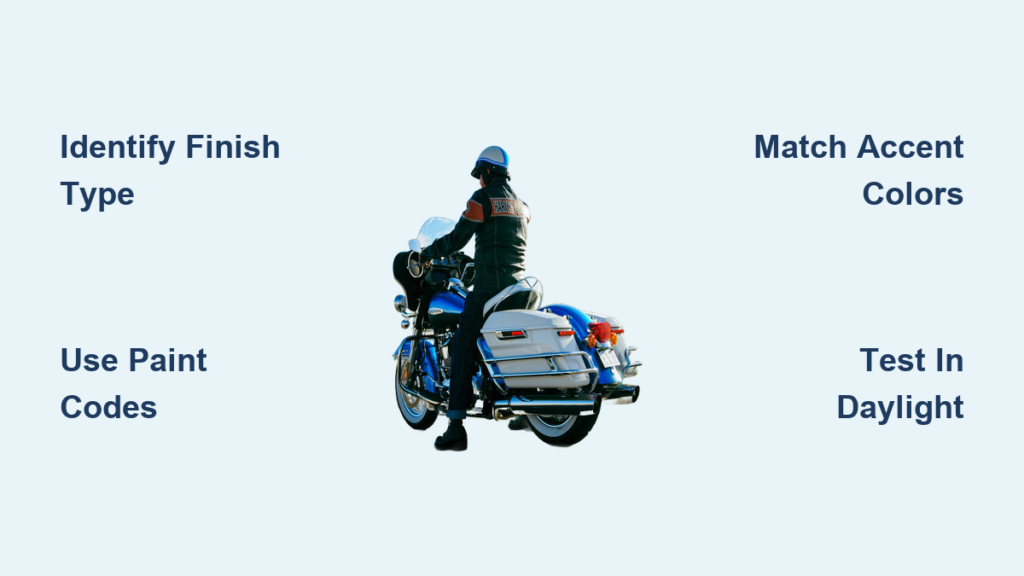
Your helmet isn’t just protective gear—it’s the finishing touch that completes your riding identity. When your helmet color harmonizes with your motorcycle, you create a striking visual statement that turns heads at stoplights and bike nights. Unfortunately, getting that perfect helmet color match bike combination requires more than just grabbing the closest shade off the shelf. Many riders struggle with colors that look identical in the store but clash under sunlight, or they sacrifice visibility for aesthetics. This guide delivers proven techniques to achieve professional-level color coordination between your helmet and motorcycle without compromising safety.
Identify Your Bike’s True Color Characteristics

Before selecting a helmet, you must accurately assess your motorcycle’s actual color properties, which often differ from what appears in photos or showroom lighting.
Determine Finish Type and Metallic Content
Motorcycle paint comes in various finishes that dramatically affect how color appears in different conditions. Examine your bike in natural daylight at multiple angles to identify whether you’re working with:
- Gloss finish: Creates mirror-like reflections that intensify color vibrancy
- Matte finish: Absorbs light, making colors appear darker and more subdued
- Satin finish: Offers a middle ground with soft sheen that minimizes fingerprints
- Metallic or pearl effects: Contains particles that shift appearance based on viewing angle
For example, a “black” cruiser might actually be a deep metallic charcoal that sparkles in sunlight, requiring a helmet with similar depth rather than a flat black finish.
Document Exact Color Codes and Undertones
Don’t rely on visual matching alone—locate your motorcycle’s factory paint code, typically found on a sticker under the seat or inside a fairing compartment. These codes (like Honda’s NH-578P or Yamaha’s 20K) ensure precise color matching when working with custom painters. Pay special attention to undertones; what appears as “red” might have blue or orange undertones that dramatically affect compatibility with helmet colors.
Choose Between Direct Match and Complementary Schemes
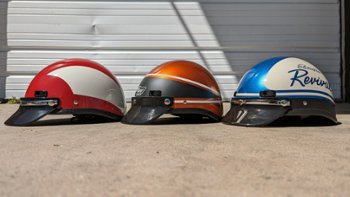
Your color strategy should align with your bike’s design language and your personal style preferences, not just random color choices.
Direct Color Matching for Unified Appearance
Matching your helmet to your bike’s primary color creates a seamless, professional look that makes your helmet appear as an extension of your motorcycle. This approach works exceptionally well with:
- Solid-colored cruisers where a matte black helmet complements blacked-out engines
- Retro-styled bikes where vintage color palettes benefit from consistent tones
- Minimalist designs where visual clutter detracts from the overall aesthetic
For best results, match the helmet to your bike’s largest color area (usually the fuel tank) rather than smaller accent pieces.
Strategic Complementary Color Pairings
When direct matching creates visual monotony, complementary colors add dimension while maintaining cohesion. Use the color wheel to identify harmonious combinations:
- Sportbikes: Pair blue motorcycles with orange-accented helmets (direct opposites on the color wheel)
- Adventure bikes: Match earth-toned bikes with helmets featuring contrasting bright visors
- Café racers: Combine metallic finishes with helmets featuring the same undertone in a different saturation
A Kawasaki Ninja with lime green accents looks striking with a helmet featuring subtle green trim rather than attempting to match the vibrant green exactly.
Access Professional Color Matching Resources
Don’t settle for “close enough” when manufacturers and customizers offer precision matching services.
Leverage Manufacturer Collaboration Programs
Several helmet brands partner directly with motorcycle manufacturers to create exact color matches:
- Icon: Offers Harley-Davidson, Triumph, and Ducati-specific helmet collections with factory-approved colors
- Shoei: Provides color-matched Pinlock visors that complement popular bike color schemes
- AGV: Creates limited editions specifically designed for Yamaha, Ducati, and Aprilia models
These collaborations undergo rigorous color verification to ensure your helmet matches your motorcycle under various lighting conditions.
Utilize Custom Paint Services Through Dealers
Many dealers offer custom helmet painting using your motorcycle’s exact paint code. The process typically involves:
- Providing your bike’s paint code to the dealer
- Selecting a base helmet model for customization
- Allowing 4-6 weeks for the custom paint process
- Adding protective clear coating to match your bike’s finish
This professional service ensures your helmet maintains the same depth and metallic properties as your motorcycle’s paint job.
Implement DIY Color Matching Techniques
When professional services exceed your budget, these practical techniques deliver impressive results with careful execution.
Precision Vinyl Wrapping for Reversible Changes
Automotive-grade vinyl wrap offers the most accessible path to perfect color matching:
- Order samples in your bike’s exact color code before committing
- Use heat guns to stretch vinyl over complex helmet curves
- Apply matte or gloss laminate to match your bike’s finish
- Focus on major helmet panels first, then add accent pieces
A well-executed wrap can achieve near-factory results for under $150 and can be removed without damaging your helmet.
Strategic Accent Matching for Budget-Friendly Coordination
Instead of matching the entire helmet, focus on key elements that create visual harmony:
- Match helmet graphics to your bike’s accent stripes
- Coordinate shield tint with your motorcycle’s windshield color
- Select interior lining that complements your seat stitching
- Use removable decals that can be updated as your bike’s style evolves
This approach creates cohesion without requiring a complete helmet overhaul.
Balance Visual Appeal With Safety Considerations
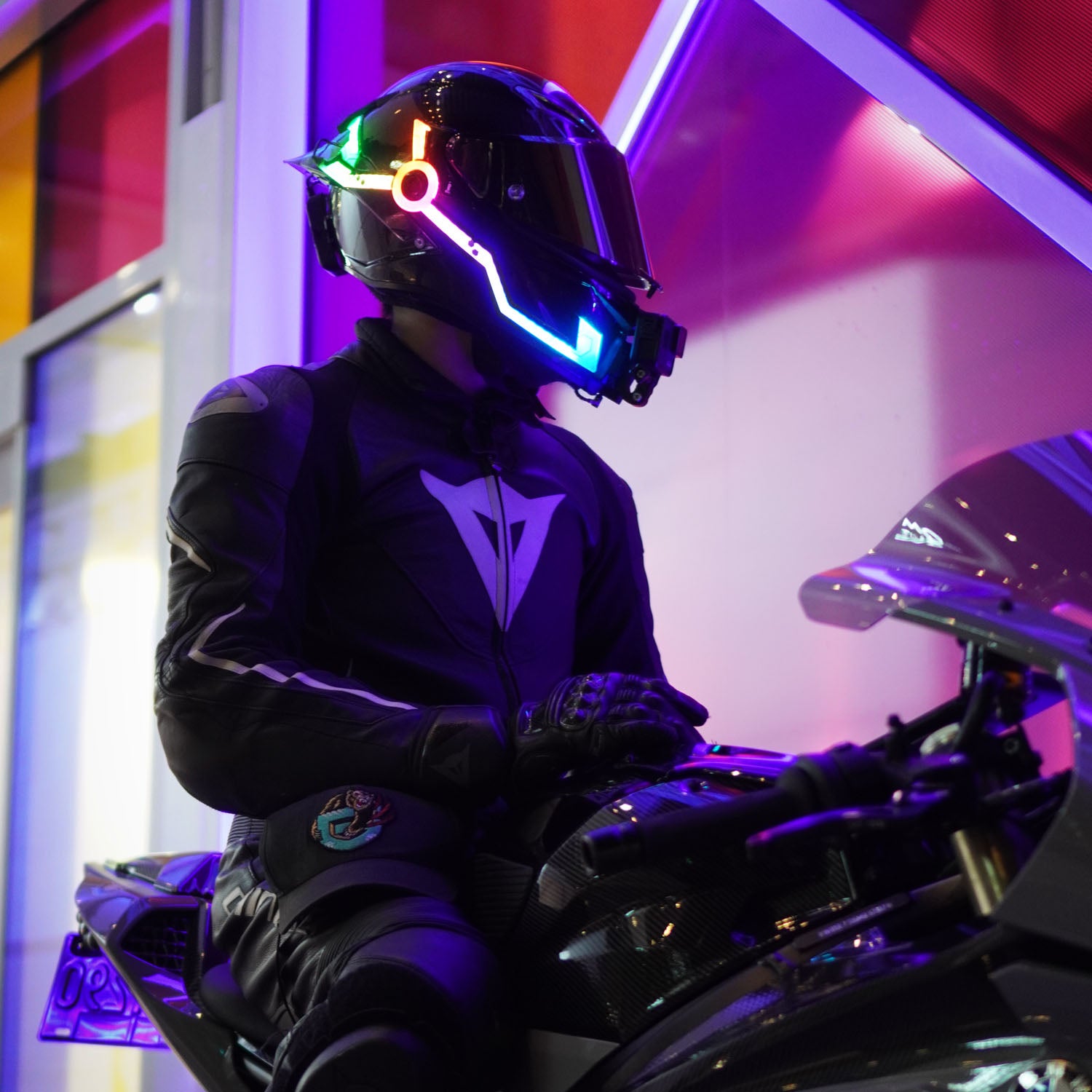
Your color choices directly impact visibility and safety—never sacrifice protection for aesthetics.
Integrate High-Visibility Elements Strategically
Enhance safety while maintaining style with these techniques:
- Add reflective pinstriping in your bike’s accent color
- Choose helmets with integrated LED lighting that matches your bike’s signature lighting
- Incorporate fluorescent elements in areas that don’t compromise the overall color scheme
- Select helmet colors that contrast with common road environments (avoid matching asphalt gray)
A black helmet with subtle yellow reflective stripes maintains a sleek appearance while dramatically improving daytime visibility.
Consider Seasonal and Environmental Factors
Your perfect match in summer might create problems in other conditions:
- Lighter colors stay cooler but show dirt more readily
- Dark helmets absorb heat but hide minor scuffs
- Metallic finishes create visual interest but require more maintenance
- Matte finishes hide scratches but can’t be polished like gloss
For year-round riding, consider a helmet with interchangeable components that allow seasonal color adjustments.
Avoid Common Helmet Color Matching Mistakes
Steer clear of these frequent errors that undermine your carefully planned color scheme.
Don’t Overmatch Every Element
Attempting to match every color element creates visual chaos rather than cohesion. Instead:
- Select 2-3 dominant colors from your bike for helmet matching
- Use neutral tones for secondary helmet elements
- Allow one intentional contrast point for visual interest
- Step back frequently to assess the overall effect
A helmet attempting to match every stripe, accent, and panel on a sportbike typically looks busy rather than coordinated.
Test Colors in Multiple Lighting Conditions
Colors appear dramatically different under various light sources. Always:
- View potential matches in natural daylight
- Check appearance under fluorescent and LED lighting
- Observe how colors interact with typical riding environments
- Compare helmet and bike side-by-side at different times of day
That perfect match you saw in the showroom might clash under streetlights or create dangerous camouflage on certain roads.
Maintain Your Color Match Over Time
Preserve your carefully crafted appearance with proper maintenance techniques.
Implement Protective Coating Strategies
Extend the life of your color match with these professional techniques:
- Apply ceramic coating to vinyl-wrapped helmets for UV protection
- Use helmet-specific cleaners that won’t degrade custom finishes
- Store your helmet away from direct sunlight when not riding
- Refresh clear coat annually to maintain gloss consistency
These steps prevent the differential fading that causes your helmet to gradually lose its perfect match with your motorcycle.
Plan for Future Modifications
Build flexibility into your color scheme:
- Choose helmets with removable components for easy updates
- Keep small amounts of matching paint for touch-ups
- Document your exact color specifications for future reference
- Select combinations with timeless appeal rather than fleeting trends
This approach ensures your helmet remains coordinated even as your motorcycle undergoes modifications or repaints.
Your helmet represents your personal signature on the road—when it perfectly matches your motorcycle, you create a unified visual statement that reflects your identity as a rider. By carefully analyzing your bike’s true color properties, selecting the right matching strategy, and implementing professional techniques, you’ll achieve a look that turns heads while maintaining safety standards. Start with one key element—like matching your helmet to your bike’s accent color—and build from there as you gain confidence in color coordination. The perfect helmet color match bike combination isn’t about identical replication, but creating visual harmony that makes both elements shine brighter together than they would apart.