Your 2-stroke dirt bike sputters on acceleration, bogs at mid-throttle, or runs suspiciously hot after just 10 minutes of riding. You’ve heard “it needs jetting” but immediately hit a wall: conflicting forum advice, YouTube tutorials showing different procedures for the same model, and terrifying stories of seized engines from incorrect adjustments. The harsh reality? How to jet a 2-stroke dirt bike isn’t a one-size-fits-all process—and attempting it with unverified information risks costly engine damage. Without manufacturer specifications or model-specific data, even experienced mechanics hesitate to adjust carburetor components. This guide cuts through the noise by revealing why proper jetting requires verified resources, what critical information you must have before touching a screwdriver, and how to safely prepare for adjustments when reliable data is finally in your hands.
Most riders don’t realize that a single main jet change can swing your air/fuel ratio from dangerously lean (causing piston seizures in under 5 minutes) to excessively rich (washing cylinder walls with unburned fuel). Two-strokes operate on razor-thin margins compared to four-strokes—their combustion cycle happens every revolution, generating extreme heat that demands precise fuel delivery. When forums suggest “just go up one main jet size,” they ignore critical variables: your bike’s altitude, exhaust system, air filter type, and even fuel ethanol content. Without verified baseline settings from your specific model’s service manual, you’re essentially gambling with $500+ in engine repairs. Before we discuss procedures, understand this: if your resource doesn’t list exact stock jet sizes for your bike’s year and model, it shouldn’t be used for adjustments.
Why Generic Jetting Advice Causes More Harm Than Good
The Critical Role of Model-Specific Stock Settings
Every 2-stroke dirt bike leaves the factory with meticulously calibrated jetting. A 2020 KTM 150 SX requires fundamentally different components than a 2018 Yamaha YZ125—even small model-year changes matter. Without knowing your bike’s exact stock configuration (pilot jet size, main jet size, needle clip position, air screw turns), you have no reference point for adjustments. Service manuals list these specs because environmental factors alter requirements: at 5,000 feet elevation, you might need a 2-3% leaner mixture than sea-level settings. Guessing based on neighbor’s advice ignores that his FMF exhaust and aftermarket air filter change the equation entirely. Never start jetting without documenting your current setup first—photograph each component before removal.
How Temperature and Altitude Dictate Jetting Changes
Two-stroke engines react violently to atmospheric changes. For every 1,000-foot altitude increase, you typically need to lean the mixture by 4-6% (smaller main jet). Conversely, cold mornings (below 50°F/10°C) may require richer settings than hot afternoons. The critical mistake riders make? Applying sea-level jetting at high elevation. At 8,000 feet, oxygen density drops 25%—using stock sea-level jets floods the engine with excess fuel, causing power loss and piston ring clogging. Yet rich conditions at altitude are often misdiagnosed as “needing a bigger main jet.” Without an altimeter and thermometer to guide adjustments, you’re flying blind. Always carry a small notepad to record temperature, elevation, and symptoms during test rides—this data reveals patterns generic guides ignore.
Essential Tools You Can’t Skip (Even Before Jetting)

Non-Negotiable Diagnostic Gear for Safe Adjustments
Before changing a single jet, verify your bike’s current state with these tools:
– Digital tachometer (not handlebar-mounted analog): Measures exact RPM during adjustments
– Fresh spark plug (same type as stock): Critical for accurate color reading
– Metric jet wrench set: Prevents rounding off stubborn brass jets
– Carburetor sync tool: Ensures both carbs (on twins) deliver identical mixture
– Infrared thermometer: Detects abnormal cylinder head temps indicating lean conditions
Skipping these invites disaster. A worn-out spark plug gives false “lean” readings, while guessing RPM ranges leads to incorrect main jet selection. Never rely solely on “seat-of-the-pants” feel—two-strokes mask lean conditions until catastrophic failure occurs. If you can’t afford proper tools, don’t jet your bike. One seized piston costs more than a full jet kit and diagnostic tools combined.
Documenting Your Stock Configuration: Step-by-Step
- Photograph every component with a ruler beside it (shows scale)
- Record pilot jet size (e.g., “PJ 40”)
- Note main jet size (e.g., “MJ 160”)
- Mark needle clip position (e.g., “3rd groove from top”)
- Count air screw turns from fully seated (e.g., “1.5 turns out”)
This creates your safety net. If adjustments worsen performance, you can revert precisely. Many riders skip this step, then struggle to return to safe settings after unsuccessful changes. Never remove jets without replacement parts on hand—reinstalling with dirty hands risks dropping components into the carburetor throat.
Critical Jetting Missteps That Destroy 2-Stroke Engines
The Fatal Error of Ignoring Pilot Circuit Symptoms
Most riders obsess over main jets while ignoring pilot circuit issues—the leading cause of low-speed bogging. If your bike stumbles when cracking the throttle open (0-1/4 throttle), the pilot jet or air screw is likely the culprit. Yet riders often “fix” this by richening the main jet, creating a dangerously rich condition at idle. Correct pilot circuit diagnosis requires:
– Checking air screw response (smooth idle at 1-2 turns out indicates proper pilot size)
– Testing with fresh fuel (old fuel clogs tiny pilot passages)
– Verifying throttle cable freeplay (too tight masks pilot circuit issues)
Never adjust the main jet to compensate for pilot circuit problems—this creates compound issues that confuse diagnostics. A lean pilot circuit at idle can cause piston scuffing even if the main jet is perfect.
Why Spark Plug Reading Requires Context (Not Just Color)
Online charts claim “tan = perfect” but ignore critical variables. Two-strokes run hotter than four-strokes, so their ideal plug color is darker. Ethanol-blended fuel leaves ashy deposits that mimic lean conditions. The only reliable method:
1. Use fresh, identical plugs for each test
2. Run a WOT (wide-open-throttle) burst for exactly 10 seconds
3. Kill engine immediately and coast to stop
4. Compare center electrode color and裙边 deposit pattern
A light brown skirt with slight wetness indicates ideal mixture. White deposits signal dangerous lean conditions—but only if consistent across multiple plugs. One plug reading proves nothing; three consecutive consistent readings provide actionable data. Ignoring this leads to over-adjustment.
How to Find Verified Jetting Data for Your Specific Bike
Decoding Manufacturer Service Manuals

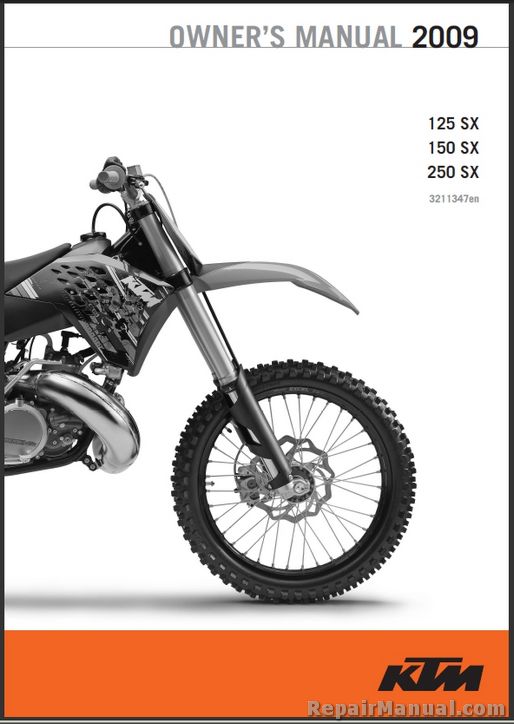
Your bike’s official service manual is the ultimate jetting authority—it lists:
– Stock jet sizes by model year
– Altitude adjustment charts (e.g., “At 3,000-5,000 ft: decrease main jet by 2 sizes”)
– Temperature compensation guidelines
– Needle taper specifications
These manuals cost $20-50 but prevent $1,000+ repairs. Search “[Your Model] service manual PDF” online—reputable sites like cmsnl.com provide exploded diagrams with part numbers. Never trust forum claims like “all 2015-2018 YZ125s use MJ160″—model-years often change internals mid-production run.
Reputable Aftermarket Tuner Resources
When modifying your bike (exhaust, air filter), consult the manufacturer’s jetting charts:
– FMF: Provides model/year-specific jet kits with instructions
– Pro Circuit: Lists required jet changes for each exhaust model
– Boyesen: Publishes carburetor-specific adjustments for their reeds
These companies dyno-test combinations—they know adding their expansion chamber requires specific main jet changes. Generic “jetting guides” without your exact mods listed are worthless. If your FMF pipe instructions say “use MJ168 with stock airbox,” ignoring this risks engine damage.
When to Stop Adjusting and Seek Professional Help
Recognizing Dangerous Lean Conditions
Immediate warning signs requiring shutdown:
– Metallic pinging/knocking under acceleration
– Cylinder head too hot to touch (<10 seconds contact)
– Blue/white exhaust smoke (burning oil from lean mixture)
– Sudden power drop after consistent riding
If you experience these, reinstall stock jets immediately. Continuing to ride risks piston seizure—where aluminum welds to the cylinder wall, destroying both components. No performance gain is worth a new top-end rebuild.
The One Adjustment You Should Never Attempt Solo
Changing needle taper or emulsion tube types requires precision machining knowledge. These components control mid-throttle transition (1/4-3/4 throttle)—the most complex fuel delivery phase. Incorrect needle profiling causes:
– Hesitation during corner exits
– Over-revving on jumps
– Unpredictable powerband spikes
Unless you have dyno access and carburetor flow bench data, stick to jet swaps and air screw adjustments. Professional tuners spend years mastering needle modifications—attempting this without tools guarantees poor results.
Final Note: Properly jetting a 2-stroke dirt bike demands respect for its mechanical fragility. Without verified data matching your exact bike, year, modifications, and riding conditions, adjustments become dangerous experiments. Always prioritize factory specifications over forum anecdotes, document every change meticulously, and recognize when professional help is needed. When you finally obtain model-specific jetting charts, approach adjustments incrementally—one component at a time, with thorough test rides between changes. Your engine’s longevity depends not on how much you adjust, but on how accurately you match its needs to real-world data. Keep your service manual accessible, invest in proper diagnostic tools, and remember: a perfectly jetted 2-stroke isn’t the fastest on paper—it’s the one that runs reliably ride after ride.