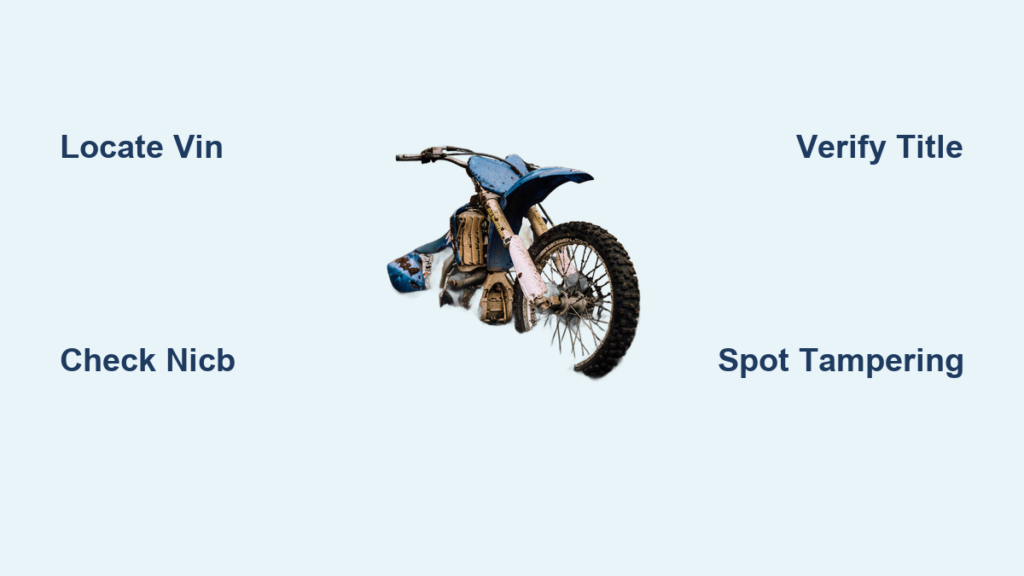
That perfect used dirt bike listing seems too good to be true—and without a VIN check, it probably is. Learning how to run a VIN on a dirt bike before handing over cash protects you from purchasing stolen property, salvage vehicles, or machines with hidden liens that could leave you without both your bike and your money. A single 17-character code reveals the motorcycle’s entire history, from manufacturing details to accident records, serving as your most powerful tool against fraudulent sales. This guide gives you the exact steps to verify any dirt bike’s legitimacy in under 10 minutes, ensuring you never get stuck with someone else’s problem.
Most riders focus on engine performance and cosmetic condition when buying used, completely overlooking the critical step of VIN verification. Yet this simple process exposes whether that “like new” bike was rebuilt after a major crash or carries a salvage title that destroys its value. By mastering how to run a VIN on a dirt bike properly, you gain access to the motorcycle’s complete story—information sellers often hope you’ll never discover. Follow these steps before your next purchase and transform from potential victim to informed buyer who always knows exactly what they’re getting.
Locate the VIN on Your Potential Purchase
Before you can run any database check, you need to physically find the Vehicle Identification Number on the dirt bike itself. Manufacturers place VINs in standardized locations that remain protected from trail damage while staying accessible for registration and verification purposes. Knowing exactly where to look saves valuable time during your inspection and helps verify whether the number has been tampered with or obscured by previous owners.
Check Steering Neck for Frame VIN
The steering neck area—located where the front fork connects to the frame beneath the handlebars—contains the VIN on most dirt bikes. This protected spot stays visible during normal use while remaining shielded from mud, water, and trail debris that could obscure the identification number. Run your fingers across this area to feel for the stamped characters, which should have consistent depth and spacing throughout. The VIN typically appears as a deep metal stamp directly on the frame, though some manufacturers use a metal plate or sticker in this location.
Inspect Frame Sides and Mounting Points
Walk completely around the motorcycle to examine both sides of the frame near critical connection points. Check areas around the engine mounts, seat connection points, and rear suspension mounts where manufacturers often stamp the VIN. Some models place the identification number near the rear wheel, making this area another essential location to inspect. Take your time and clean away any dirt or mud that might be hiding the characters—you’re looking for a complete 17-character code that matches across all locations.
Verify Engine Number Against Frame VIN
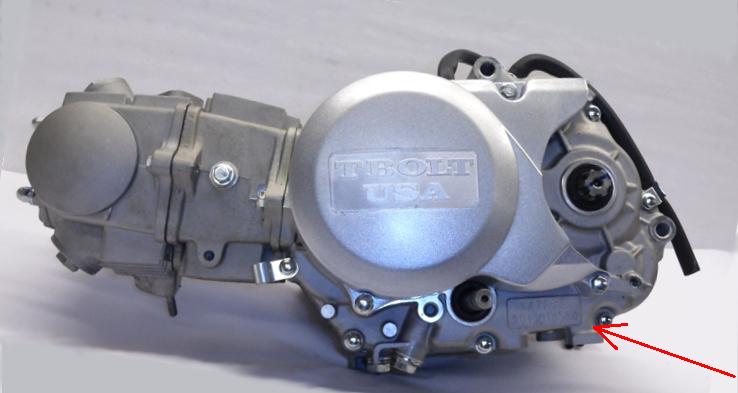
Many dirt bikes display a secondary VIN on or near the engine block, either engraved directly on the motor or on a metal plate near the cylinder head. This allows you to cross-reference the engine number against the frame VIN, confirming both components originated from the same motorcycle. Never ignore this step—mismatched frame and engine numbers often indicate component swapping following an accident or theft recovery. If the numbers don’t match exactly, proceed with extreme caution or walk away entirely.
Access Free VIN Verification Resources Immediately
Once you’ve located and recorded the complete VIN, several free resources provide essential protection against obviously problematic motorcycles before you spend money on comprehensive reports. These tools serve as your first line of defense during the buying process and should never be skipped—even if the seller seems trustworthy.
Run NICB VINCheck for Stolen Status
Visit the National Insurance Crime Bureau’s official website to access their free VINCheck service, which draws data from participating insurance companies and law enforcement agencies. Enter the complete 17-character VIN exactly as it appears on the frame to immediately reveal whether the motorcycle has been reported stolen but not recovered, or declared a salvage vehicle. The service permits up to five searches within any 24-hour period, giving you ample opportunity to check multiple bikes during your shopping process. If this check shows red flags, walk away immediately—no exceptions.
Contact Local Law Enforcement for Verification
Your local police department provides another valuable free resource for VIN verification. Officers have direct access to national stolen vehicle databases that may include information not yet reflected in public-facing tools. Visit your nearest law enforcement office during business hours with the VIN and request a check on the motorcycle. This approach offers professional interpretation of results and access to local databases of stolen vehicles reported in your area—particularly valuable if the bike was purchased or stolen nearby.
Determine When Paid Reports Make Sense
While free tools provide essential basic information, a modest investment in a comprehensive VIN report often proves worthwhile for higher-priced motorcycles or situations where anything seems unusual. Some services charge approximately seven dollars per search to access databases containing accident reports, ownership history, title information, and mileage records that free tools don’t cover. This small expense provides deeper peace of mind and helps you avoid purchasing a motorcycle with hidden problems that could cost far more in repairs, legal issues, or total loss of your investment.
Decode Your Dirt Bike’s VIN Structure
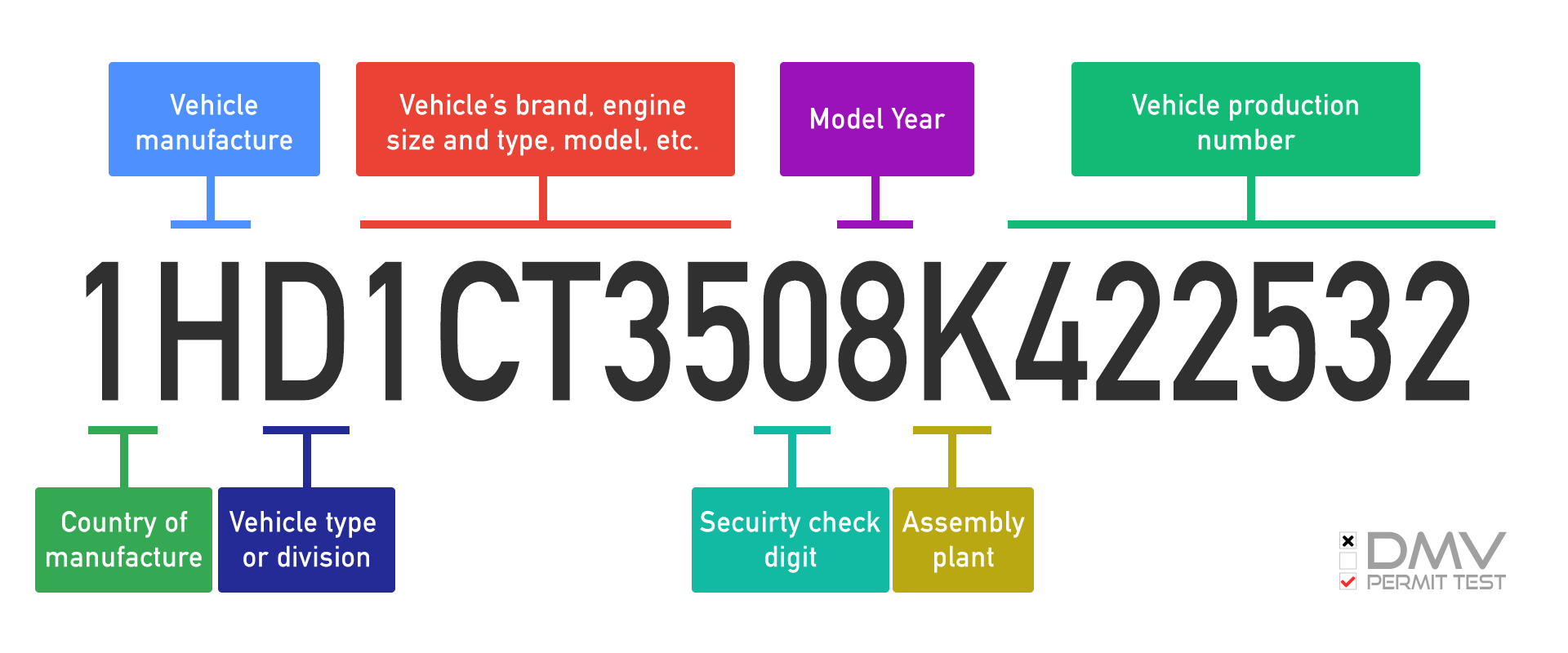
Familiarizing yourself with the 17-character VIN format enables you to verify basic information directly from the number, exposing inconsistencies that warrant further investigation before purchase.
Identify Manufacturer from First Three Characters
The World Manufacturer Identifier (WMI) forms the first three characters of your dirt bike’s VIN, revealing both the country of origin and manufacturer. This section distinguishes major Japanese manufacturers like Honda, Yamaha, Suzuki, and Kawasaki from companies based in other countries. If the seller claims the bike is a specific brand but the first three characters don’t match that manufacturer’s code, you’ve discovered an immediate red flag requiring explanation before proceeding.
Verify Model Year Using Tenth Character
The tenth character encodes the model year through a standardized letter-number system established by the National Highway Traffic Safety Administration. This character allows you to verify whether the motorcycle’s age matches the seller’s claims, exposing inconsistencies that might indicate odometer tampering or fraudulent documentation. The final seven characters form the unique serial number that distinguishes your specific motorcycle from every other bike of the same model, serving as its permanent identifier throughout its operational lifetime.
Interpret Critical Information in VIN Reports
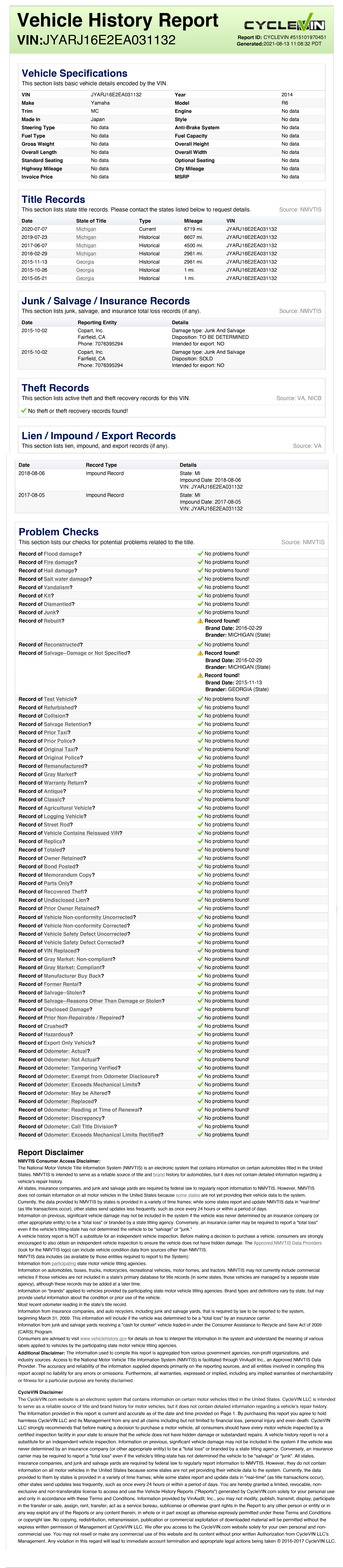
Comprehensive VIN checks provide access to multiple information categories that together reveal the dirt bike’s complete history and current status, helping you make an informed purchase decision.
Analyze Title Status for Major Red Flags
The title status represents the most critical information in any VIN report. A clean title means the vehicle has never been declared a total loss, while a salvage title indicates substantial damage that prompted an insurance payout. Rebuilt titles signify salvage vehicles that have been repaired and passed inspection, but these bikes often carry lingering structural concerns that affect both safety and value—never pay full price for a rebuilt title dirt bike.
Review Accident History for Hidden Damage
Accident reports disclose any reported damage events that resulted in insurance claims, providing insight into the severity of previous crashes. Even motorcycles that appear to be in excellent condition may have experienced significant damage that was professionally repaired, leaving hidden structural weaknesses that could fail during aggressive off-road use. Understanding the bike’s accident history helps you assess whether previous repairs were performed correctly.
Detect VIN Tampering Before It Costs You
Before relying on database results, physically inspect the VIN on the motorcycle itself for signs of tampering that might indicate fraudulent activity or hidden problems.
Look for Visual Tampering Indicators
A legitimate VIN appears as clean, straight characters that are evenly spaced and deeply stamped into the metal surface. Warning signs include uneven stamping patterns, characters of varying depth, or visible sanding and grinding marks around the VIN plate—these indicate attempts to alter or obscure the original number. Paint overspray, body filler, or panel gaps near the VIN might indicate frame repairs or replacements that the seller hasn’t disclosed.
Confirm Documentation Matches Physical VIN
The VIN on the motorcycle must match exactly the VIN on the registration, title, and any sales listing. Walk away immediately if you discover any mismatch between physical and paperwork VINs—this situation frequently indicates stolen vehicles, motorcycles assembled from parts of multiple bikes, or hidden salvage titles. Even small discrepancies like characters that look similar but differ slightly warrant serious concern.
Follow This Step-by-Step VIN Verification Process
Executing a systematic approach ensures you gather all available information before committing to a purchase.
- Locate and record the complete 17-character VIN from the motorcycle’s frame
- Double-check your recording for accuracy before entering it into any tool
- Run the free NICB VINCheck to verify basic stolen and salvage status
- For higher-value bikes, invest in a comprehensive paid report
- Carefully review all sections of the report for red flags
- Compare the report details against the seller’s claims and your visual inspection
- Save a complete copy of the report for your records
Protect Yourself When Problems Emerge
If your VIN check reveals concerning information, match your response to the severity of the findings. Never complete a purchase when the VIN on the motorcycle doesn’t match title documents, as this situation frequently indicates stolen vehicles. Salvage titles significantly diminish a motorcycle’s value and reliability—only consider such purchases if the price reflects these serious concerns.
The presence of a lien represents another critical issue that a VIN check may reveal. Even if the motorcycle isn’t stolen, a bank or lending institution may hold a legal claim to the vehicle—purchasing a bike with an outstanding lien means the lender could repossess it from you, leaving you without both the bike and your money. Always verify clear title ownership before completing any purchase.
Develop Smart VIN Verification Habits
Ask sellers for the VIN in advance and run preliminary checks before investing time in travel and inspection. This screening eliminates obviously problematic motorcycles from consideration while focusing your attention on bikes that pass initial verification. Combine VIN database checks with thorough physical inspection of the motorcycle, looking for signs of accident damage, poor repair quality, or deferred maintenance that reports might not reveal.
Remember that a clean VIN check doesn’t guarantee a problem-free motorcycle, but it significantly reduces your risk of purchasing stolen, salvage, or fraudulently documented bikes. Use VIN verification as one essential tool among many in your buying process, combining it with test rides, mechanical inspections, and reasonable seller scrutiny to make the most informed purchase decision possible. By consistently running VIN checks before every dirt bike purchase, you transform motorcycle buying from a potentially risky activity into a protected process that serves your interests.