Winter transforms familiar trails into a completely different playground, and riding dirt bike in snow offers experiences that summer riding simply cannot match. The soft, forgiving surface changes everything about how you approach corners, jumps, and terrain that would be impossible to navigate on bare dirt. While your dirt bike wasn’t originally designed for winter conditions, the right modifications, proper gear, and adjusted techniques open up months of riding opportunity when other riders have already parked their bikes until spring. Many riders who discover snow riding describe it as equally fun—or even more exciting—than summer motocross, with the unique traction and forgiving crashes creating an addictive combination that keeps them riding year-round.
The key to successful snow riding lies in understanding that standard motocross tires fail dramatically in snowy conditions. A mere eight inches of wet snow can render knobby tires completely useless, as the tread blocks fill with snow and effectively become slicks. This reality has led to the development of specialized equipment and techniques that transform your dirt bike into a capable winter machine. Once you experience the grip of properly installed studded tires on frozen terrain, you’ll wonder why you ever put your bike away for winter. This guide covers everything you need to know to ride safely, comfortably, and confidently throughout the cold months.
Why Your Dirt Bike Becomes a Snow Machine with These Modifications
There’s something uniquely magical about carving through snow-covered terrain on a dirt bike that keeps experienced riders coming back year after year. The traction characteristics differ fundamentally from summer riding—in a good way. Riders describe being able to lean their bikes over further and hold throttle openings through corners that would be impossible on dry dirt, with the snow providing a surface that grips consistently and predictably when your setup is correct. The soft snow also transforms crashing from a painful experience into a humorous “poof” as you disappear into a snowbank, encouraging experimentation and skill development that you might avoid in higher-consequence summer conditions.
Beyond the riding experience itself, snow riding extends your riding season by months in many climates. Rather than storing your bike from November through March, you can continue developing skills, maintaining fitness, and enjoying your passion throughout the winter months. The riding community tends to be smaller during winter, which means less crowded trails and a more tight-knit group of fellow enthusiasts who share your dedication. Many riders find that the unique challenges of winter riding make them better overall riders, as the demands of cold weather and variable conditions develop skills that transfer directly to summer riding once the snow melts.
How to Identify Perfect Snow Conditions for Dirt Biking
Not all snow is created equal when it comes to dirt bike compatibility, and understanding the differences between snow types can mean the difference between an amazing ride and an frustrating stuck situation. Dense snow with a firm crust on top provides the ideal surface, as this crust supports the bike while allowing studs to find purchase beneath. This type of snow lets your bike stay elevated above any hidden ground-level hazards, creating a predictable surface that responds consistently to throttle and brake inputs. Powdery snow presents significantly greater challenges because the loose material offers minimal resistance, causing bikes to sink and lose momentum in unpredictable ways that can leave you stranded far from help.
What Snow Depth Works Best for Your Dirt Bike
The sweet spot for snow depth falls between eight inches and one foot. Anything shallower than eight inches may expose too much of the underlying terrain, reducing the benefits of snow-specific modifications and increasing stud wear on bare patches. Anything deeper than twelve inches becomes extremely difficult to navigate even with studded tires, as the bike simply cannot bridge the gap between surface and ground effectively. Compacted snow, such as you’ll find on farm roads or tractor-paths, behaves differently than fresh snowfall—it becomes extremely slippery and essentially functions as ice, making studded tires essentially mandatory for safe operation.
Mixed conditions covering dirt, rocks, and frozen ground can be navigated without studs, as the underlying terrain provides some grip beneath the snow cover. However, you should approach these conditions with caution and lower expectations for traction. Weather monitoring deserves serious attention before any snow riding session. Several forecasting applications cater specifically to outdoor enthusiasts, and checking these before heading out can prevent dangerous situations. Any hint of approaching storms, sudden temperature drops, or freezing precipitation should prompt immediate return to safety. Riding during active blizzards, strong winds, or freezing rain simply isn’t worth the dramatically increased risks to both rider and machine.
How to Install Studded Tires That Actually Work in Snow

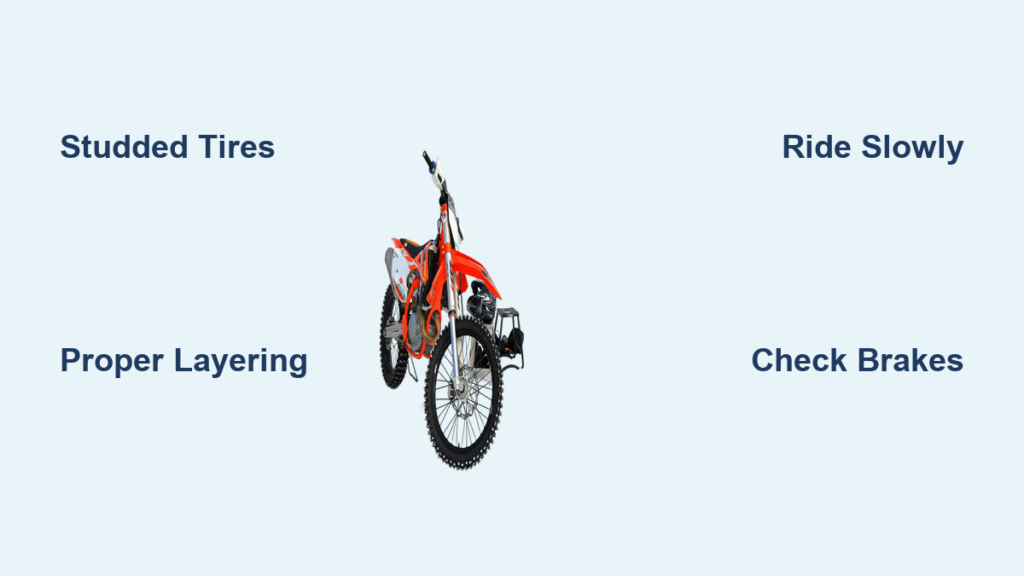
Your tires represent the single most important factor determining whether snow riding is enjoyable or frustrating. Factory studded tires from manufacturers like Trelleborg deliver dramatically superior performance compared to any DIY alternative, featuring specialized rubber compounds that stay flexible in freezing temperatures while housing studs designed for extended use. These premium tires typically provide three to four seasons of reliable rear wheel service and four to six seasons on the front wheel when properly maintained and used on appropriate terrain. The investment pays for itself quickly when you consider the time, frustration, and replacement costs associated with inferior alternatives.
DIY Studded Tires: What Hardware Actually Holds Up
Kevin’s Cycle in Massachusetts consistently receives recommendations from experienced snow riders as a reliable source for quality studded tires. The intermediate stud length works well for typical trail riding conditions involving trails, frozen dirt, ice, and rocks beneath snow cover. If you consistently ride in deeper snow conditions, longer studs may provide additional engagement, but you should avoid using them when significant exposed ground or barely-covered rock exists in your riding areas—longer studs cause unpredictable handling and accelerated wear under those conditions.
DIY stud installation using quarter-inch grade 8 bolts, nuts, and washers drilled from the inside out can produce a functional studded tire that will work for approximately one season. The critical distinction between success and failure lies in avoiding cheap fasteners like wood screws, which will rip out during a single ride when subjected to trail forces. Quality hardware costs more but delivers dramatically better results and eliminates the danger of studs breaking loose and becoming projectiles. Ice screws, despite their similar appearance, should not be confused with proper studded tires—they work adequately only on pure ice surfaces like frozen lakes where engagement depth doesn’t matter, but they tear out in a single ride when used on trail surfaces containing rocks, dirt, and packed snow.
Essential Winter Modifications for Reliable Operation
Several targeted modifications dramatically improve your dirt bike’s winter performance and reliability. Carburetor protection ranks among the most important—snow and ice accumulation in this critical component can leave you stranded miles from help. Many experienced riders create effective DIY carburetor covers using plastic materials attached with zip ties, blocking snow from entering the carburetor throat and preventing the freezing issues that can end a ride prematurely. This simple modification requires minimal investment of time and money while providing essential protection for your bike’s fuel system.
Critical Components That Need Winter-Specific Upgrades
Grip heaters provide comfort and control benefits that pay dividends throughout winter riding sessions, keeping your fingers nimble enough to properly operate throttle, clutch, and brakes. These devices typically cost around thirty dollars and require a stator for power, which presents no problem for most modern dirt bikes except certain models with limited electrical output. The investment in grip heaters quickly becomes essential once you’ve experienced riding with cold, numb fingers that make proper control nearly impossible.
Winter handguards serve multiple functions beyond their summer role of crash protection. The Powermadd SNO model receives specific recommendations from experienced riders due to its large square opening, which allows your hand to escape during crashes without getting caught or bent unnaturally. This feature becomes particularly valuable in snow riding, where the soft, forgiving terrain encourages more aggressive riding and inevitable crashes become part of the fun rather than a safety concern.
Airbox management requires ongoing attention during snow riding sessions. Your bike may inadvertently suck snow into the airbox, where it plugs the air filter and causes performance problems. This issue proves particularly common with two-stroke engines, which tend to draw air more aggressively than four-stroke counterparts. Periodic stops to check and clear snow from the airbox prevent unexpected breakdowns and maintain consistent engine performance throughout your ride. After each session, take a moment to ensure all snow is cleared from the radiator, as trapped moisture will freeze and potentially cause damage during storage.
Perfect Layering System for All-Day Comfort While Riding Dirt Bike in Snow

Proper clothing selection and layering technique prove essential for safe and enjoyable snow riding, as the combination of wind chill, physical activity, and ambient cold creates unique thermal management challenges. The fundamental principle involves wearing multiple layers that can be removed and stashed as you warm up, preventing the overheating and subsequent sweating that leads to dangerous chilling during rest periods or when the wind picks up. Starting rides slightly cold makes sense because your physical activity will quickly warm your body to comfortable levels.
What Each Layer Should Do in Your Winter Riding System
Base layers should consist of moisture-wicking materials that pull sweat away from your skin rather than absorbing it. Quality baselayer bottoms from sporting goods stores work well, and budget-conscious riders can find adequate options at mass retailers marketed as baselayer or thermal underwear. These base layers should fit snugly without restricting movement, as excess fabric bunching causes both discomfort and reduced moisture management effectiveness. Thin thermal underwear works perfectly as a base layer for most riders.
Mid-layer insulation typically involves thicker thermal garments such as insulated shirts or soft-shell materials. Insulated bibs worn over thin baselayer bottoms provide substantial lower body insulation while maintaining mobility. For your upper body, a thick insulated shirt over your baselayer provides substantial warmth while maintaining enough breathability to prevent overheating during intense riding. Many riders find that zippered vests over insulating layers allow quick temperature regulation by opening or closing the front as needed during rides.
Glove selection requires balancing warmth with the dexterity needed for proper bike control. Medium thickness gloves that remain thin enough to allow good lever feel while providing adequate insulation work well for most conditions, though individual preferences and cold tolerance vary significantly. Your gloves should overlap with sleeves to prevent windburn at the wrist junction, with no exposed skin anywhere that cold air or wind could reach.
How to Adjust Your Riding Technique for Snow Conditions
Riding style modification proves essential for safe snow operation, with the fundamental principle being to slow down and ride more deliberately than in summer conditions. Gentle acceleration and braking prevent the loss of traction that leads to slides and crashes, while relaxed body positioning with weight slightly back helps maintain rear wheel grip during acceleration. Engine braking becomes an important tool for controlling speed on slippery downhill sections, reducing the need for harsh brake application that can cause wheel lockup on slick surfaces.
Critical Winter Riding Habits That Prevent Breakdowns
The rear brake system tends to freeze up if not used frequently enough in cold conditions, leaving you without this important control when needed. Make a deliberate effort to drag the rear brake regularly during rides, keeping the mechanism functional and preventing ice accumulation in the brake cable or caliper pistons. This simple habit prevents the terrifying situation of discovering your rear brake is frozen when you need it most.
Trail riding in snow offers unique advantages compared to open terrain riding. The softer snow found on unplowed trails provides stability and turning power that allows quick turns and obstacle navigation while the forgiving surface reduces injury risk from inevitable crashes. The snow-covered landscape eliminates many of the hazards that would limit riding options in other seasons, providing greater freedom to explore and experiment.
Safety Practices That Prevent Winter Riding Emergencies
Route planning and buddy systems become especially important in winter riding conditions. Avoiding unfamiliar routes prevents the combination of obscured landmarks and increased isolation that can create dangerous situations. Riding with a buddy provides essential safety backup, and Bluetooth-enabled helmets allow hands-free communication for coordination and emergency response without requiring you to fumble with phones that may be difficult to operate with gloved hands.
Hypothermia and frostbite represent serious risks requiring active management during winter riding. You must understand your personal cold tolerance and establish time limits for exposure based on conditions and your own physiology. The deceptive nature of cold weather exercise lies in the fact that physical activity generates significant body heat that can mask the onset of hypothermia until you become impaired. Staying alert to early warning signs and maintaining conservative exposure limits prevents dangerous situations. Beginning rides slightly cold and removing layers before becoming too warm prevents the sweat accumulation that causes problems later.
Hydration deserves attention even in cold weather, as cold air typically carries less moisture than warm air and you may not feel thirsty despite significant fluid loss through respiration and perspiration. The body’s thirst mechanism becomes less reliable in cold conditions, making deliberate hydration efforts important for maintaining both performance and safety. Carrying water and drinking regularly, even when you don’t feel thirsty, prevents the dehydration that impairs both your riding and your cold weather resilience.
Riding dirt bike in snow opens up an entirely new dimension of your sport, extending your riding season and providing experiences that summer riding simply cannot replicate. With the right equipment, proper clothing, modified techniques, and appropriate safety awareness, you can transform those cold months from a forced layoff into your favorite riding season of the year. Start with the essential tire upgrades, build your layering system, master the fundamental technique changes, and discover why dedicated snow riders wouldn’t trade their winter adventures for anything.