You’ve probably seen those viral videos online—enthusiasts strapping tracks to dirt bikes, adding makeshift skis, and claiming they’ve created a budget snowmobile. The idea of transforming your summer dirt bike into a winter snow machine seems appealing, especially when new snowmobiles cost thousands. But before you start welding in your garage, you need to understand why this conversion rarely works safely or effectively. Unlike purpose-built snowmobiles engineered for winter conditions, dirt bikes lack the fundamental design elements required for reliable snow operation. In this article, we’ll examine why most dirt bike-to-snowmobile conversion attempts fail, the serious safety risks involved, and what responsible alternatives exist for winter off-roading.
Fundamental Design Differences Between Dirt Bikes and Snowmobiles
Why Snow Requires Completely Different Engineering
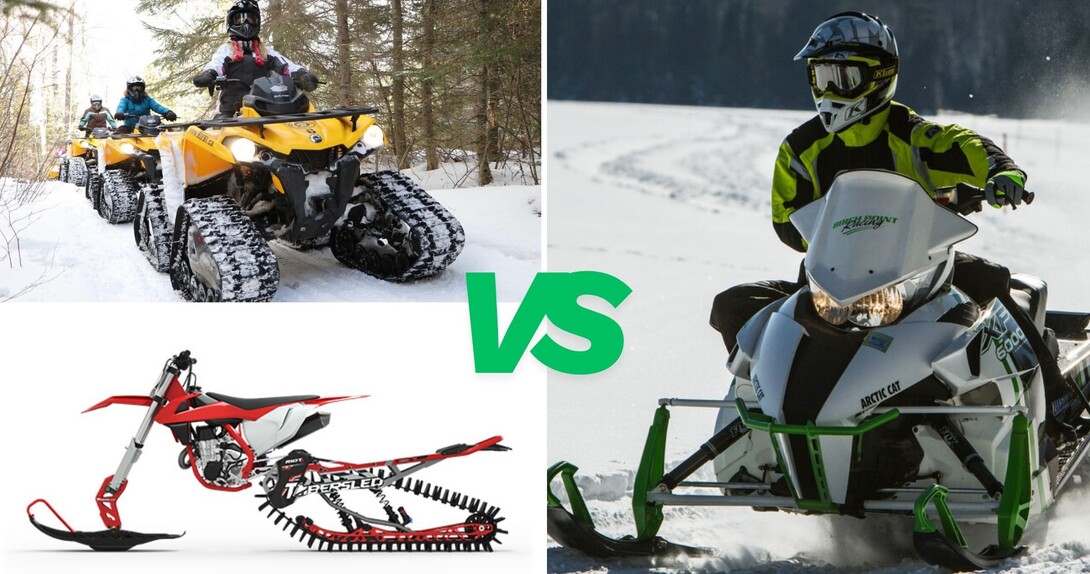
Dirt bikes and snowmobiles look similar at first glance—both have handlebars, engines, and two tracks or wheels—but their engineering philosophies diverge dramatically. Snowmobiles feature long, wide track systems that distribute weight across soft snow, while dirt bikes concentrate weight on two narrow tires designed for traction on solid surfaces. When you attempt to convert a dirt bike, you’re fighting physics: the bike’s higher center of gravity, shorter wheelbase, and lack of proper weight distribution make it prone to flipping or sinking in snow conditions where a real snowmobile would glide effortlessly.
Critical Component Mismatches
Dirt bike engines aren’t built for prolonged low-RPM operation in freezing temperatures. Snowmobile engines feature specialized cooling systems, oil circulation patterns, and ignition timing specifically engineered for cold-weather performance. Attempting to run a dirt bike engine in snow conditions often leads to rapid overheating when the bike slows down in deep powder or catastrophic cooling failures when water freezes in the system. The electrical systems also differ significantly—snowmobiles use sealed components throughout to prevent moisture intrusion, while dirt bikes have numerous vulnerable connection points that quickly fail in snowy conditions.
Safety Risks of Improper Conversions
Loss of Control on Snow
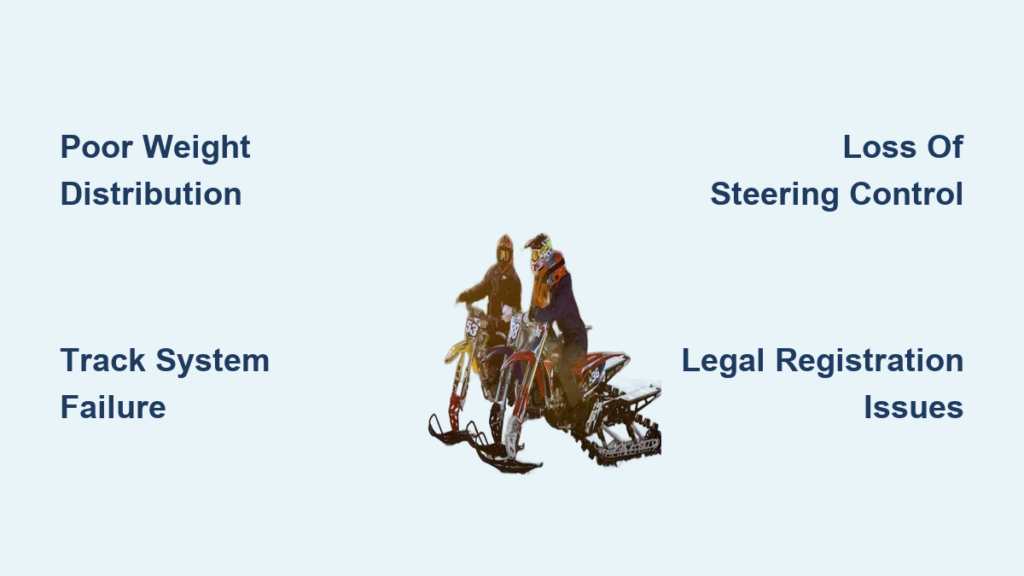
Converting a dirt bike with aftermarket tracks creates dangerous handling characteristics. The front ski often lacks proper steering geometry, causing unpredictable “darting” or complete loss of steering control on packed trails. Meanwhile, the rear track system, when improperly mounted to a dirt bike frame not designed for longitudinal forces, can twist or break under stress. Many conversion attempts result in terrifying situations where the rider loses steering control while the track continues to propel the vehicle forward—a recipe for serious accidents.
Structural Failures During Operation
Dirt bike frames simply aren’t engineered to handle the unique stresses of snow travel. The constant vibration from track systems transmits forces through the frame in ways that dirt bike manufacturers never anticipated. This often leads to cracked frames, broken mounting points, or complete suspension failures—sometimes without warning while operating at speed. Unlike snowmobiles with integrated safety features like emergency engine cutoffs and proper hand protection, converted dirt bikes lack these critical safety systems, putting riders at significantly higher risk during winter operation.
Why Commercial Conversion Kits Still Fall Short
Track System Limitations
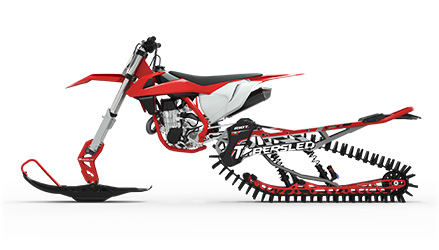
Even professionally designed conversion kits face inherent limitations when adapting dirt bikes for snow. The track length on most kits is dramatically shorter than on purpose-built snowmobiles, resulting in poor flotation and constant digging into snow. Without the proper weight distribution (snowmobiles typically have 60% of weight on the track), converted dirt bikes frequently get stuck even in moderate snow depths. The narrow track width also creates instability when crossing drifts or traversing slopes—conditions where real snowmobiles excel.
Power Delivery Problems
Dirt bike engines deliver power in a completely different pattern than snowmobile engines. Snowmobiles use continuously variable transmissions (CVTs) that automatically adjust to changing snow conditions, while dirt bikes rely on manual clutch operation designed for solid surfaces. This mismatch means converted bikes often either bog down in deep snow or spin out uncontrollably on packed trails. The throttle response that works perfectly on dirt becomes dangerously unpredictable when operating on snow-covered terrain with variable traction.
Legal and Insurance Complications
Registration and Trail Access Issues
Most jurisdictions explicitly prohibit modified vehicles like converted dirt bikes on public snow trails. Snowmobile registration requirements typically mandate specific safety equipment, emissions controls, and design standards that converted dirt bikes cannot meet. Even if your conversion somehow functions mechanically, you’ll likely face fines for operating an unregistered vehicle on public trails. Many popular snowmobile areas require proof of proper registration and insurance before granting trail access—something your converted dirt bike won’t qualify for.
Insurance Coverage Gaps
Should an accident occur while operating your converted machine, standard dirt bike insurance policies typically exclude coverage for modified vehicles operating in non-standard conditions. This means you could face massive liability if your conversion fails and causes injury to yourself or others. Snowmobile insurance policies won’t cover your vehicle either, as they require manufacturer certification that your converted dirt bike won’t have. The financial risk alone makes most conversion attempts unwise from a practical standpoint.
Safer Alternatives for Winter Riding
Purpose-Built Snow Bikes
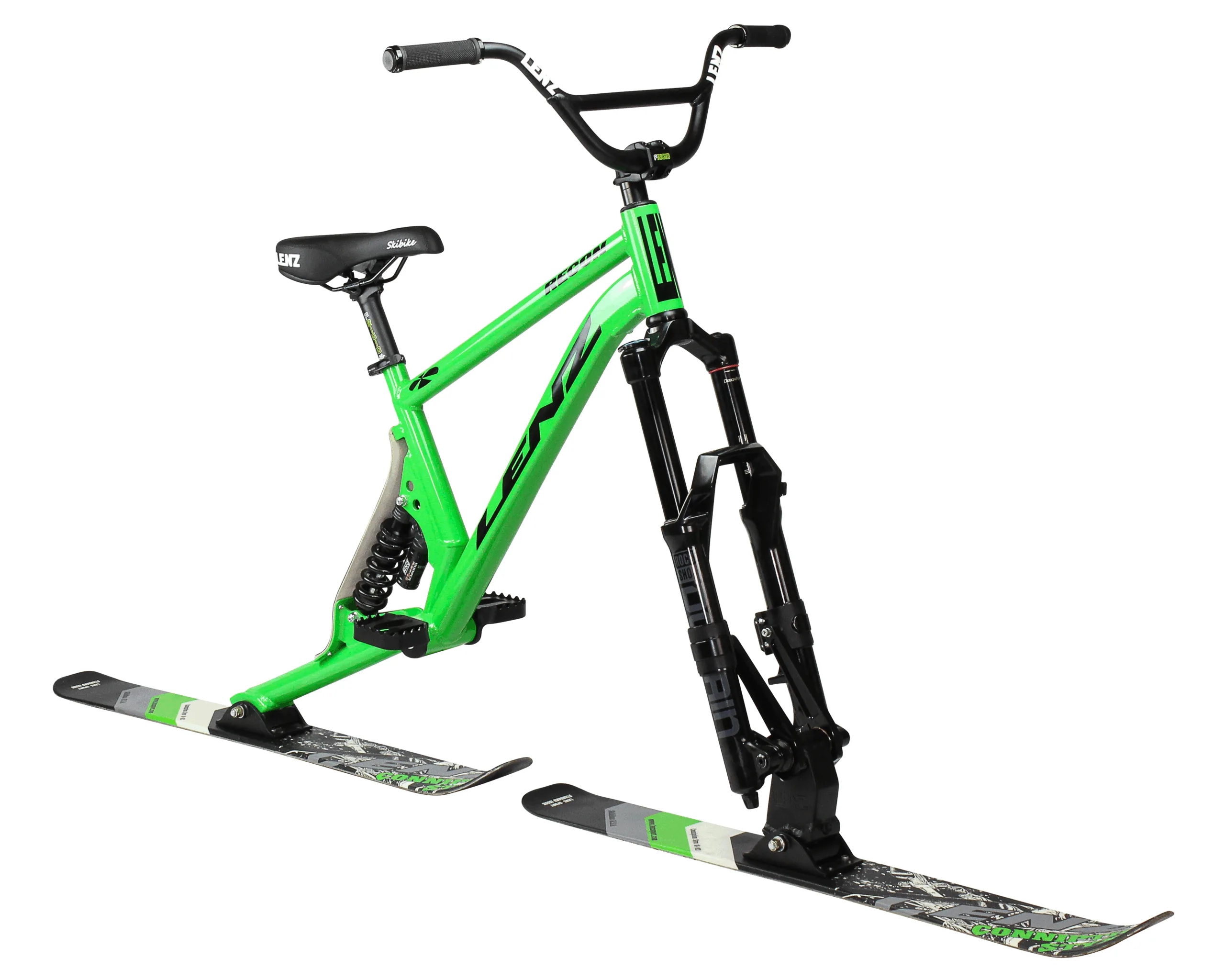
Instead of risky conversions, consider purpose-built snow bikes like the Ski-Doo Recon or mountain-specific models designed from the ground up for snow operation. These machines integrate track systems with proper geometry, feature cold-weather engineered components, and meet all safety and registration requirements. While more expensive than a DIY conversion, they offer reliable performance and actual safety certifications that protect both you and your investment.
Seasonal Vehicle Strategy
Many serious off-road enthusiasts maintain separate vehicles for different seasons rather than attempting risky conversions. A quality dirt bike for summer trails and a reliable snowmobile for winter riding often proves more cost-effective long-term than repeated conversion attempts that fail after limited use. Consider the total cost of conversion kits, failed components, and potential accident repairs versus the value of properly designed seasonal equipment.
Limited-Scope Winter Modifications
If you’re determined to ride something dirt-bike-like in snow, consider more limited modifications that don’t compromise safety. Some riders successfully use wider, softer tires on their dirt bikes for packed snow conditions, but this only works on groomed trails with minimal snow depth. Adding handguards and heated grips can improve winter comfort without altering the fundamental vehicle dynamics. These modest changes maintain the bike’s original safety characteristics while providing some winter capability.
Essential Considerations Before Any Winter Modification
Cold Weather Testing Protocol
If you absolutely must attempt any snow modification, start with extremely conservative testing in controlled conditions. Begin with minimal snow depth (2-3 inches) at very low speeds in a safe, open area. Gradually increase complexity only after verifying stable handling at each stage. Never attempt deep snow or high speeds until you’ve thoroughly tested the modified vehicle’s behavior across multiple conditions. Document each test session to identify handling quirks before they become dangerous.
Professional Engineering Consultation
Before making any structural modifications, consult with a professional engineer familiar with both motorcycle and snowmobile dynamics. They can identify potential failure points in your conversion plan and suggest safer alternatives. Many mechanical engineering firms offer consultation services specifically for vehicle modifications—this small investment could prevent serious accidents later. An expert can also help you understand local regulations and safety requirements you might otherwise overlook.
Final Recommendations for Winter Riding Safety
Converting a dirt bike to a snowmobile rarely delivers safe, reliable performance despite what some online videos might suggest. The fundamental engineering differences between these vehicles create insurmountable challenges for most DIY attempts. Instead of risking dangerous modifications, consider investing in purpose-built winter equipment designed specifically for snow conditions. If budget constraints are your primary concern, look into seasonal rentals or joining a snowmobile club that provides trail access and equipment sharing opportunities. Your safety—and the safety of others on the trails—depends on using properly engineered equipment for winter conditions. Remember: when it comes to winter off-roading, the right tool for the job isn’t just convenient—it’s essential for staying safe on the snow.