You’ve carefully loaded your bikes onto the rack for a weekend adventure, but there’s a hidden risk you might not have considered: is your license plate fully visible? Many cyclists unknowingly break the law by allowing bike racks to obstruct their license plates, potentially facing fines and legal complications. This common oversight transforms a simple cycling trip into an unexpected encounter with law enforcement.
License plate visibility isn’t just a minor detail—it’s a legal requirement across the United States with serious consequences for noncompliance. Whether you’re using a hitch-mounted carrier for your mountain bikes or a trunk rack for daily commutes, understanding how to maintain proper plate visibility protects both your wallet and your riding freedom. This guide provides the essential information you need to stay legal while transporting your bikes.
Why License Plate Visibility Matters Legally
Traffic enforcement relies on clear license plate visibility for multiple safety and legal purposes. Law enforcement officers need immediate access to vehicle identification for routine traffic stops, stolen vehicle recovery, and emergency situations. When a bike rack blocks your license plate, it creates what’s legally considered an “unregistered” vehicle from certain angles—a serious violation that triggers automatic citations.
The Visibility Standard You Must Meet
All jurisdictions require your license plate to remain completely visible at all times while your vehicle is in operation. The critical standard is visibility from directly behind your vehicle at a minimum distance of 50 feet during daylight hours. This means no portion of the plate—whether numbers, letters, registration stickers, or state identification—can be obscured by your bike rack, bikes, or any accessories.
How Enforcement Actually Works
During routine traffic stops, officers approach from behind your vehicle. If they cannot immediately identify your license plate due to obstruction, they have probable cause to initiate a stop. Many modern police vehicles also use automated license plate recognition systems that scan plates as they drive—obstructed plates trigger alerts in these systems, leading to traffic stops you might not expect.
Common Bike Rack Violation Scenarios

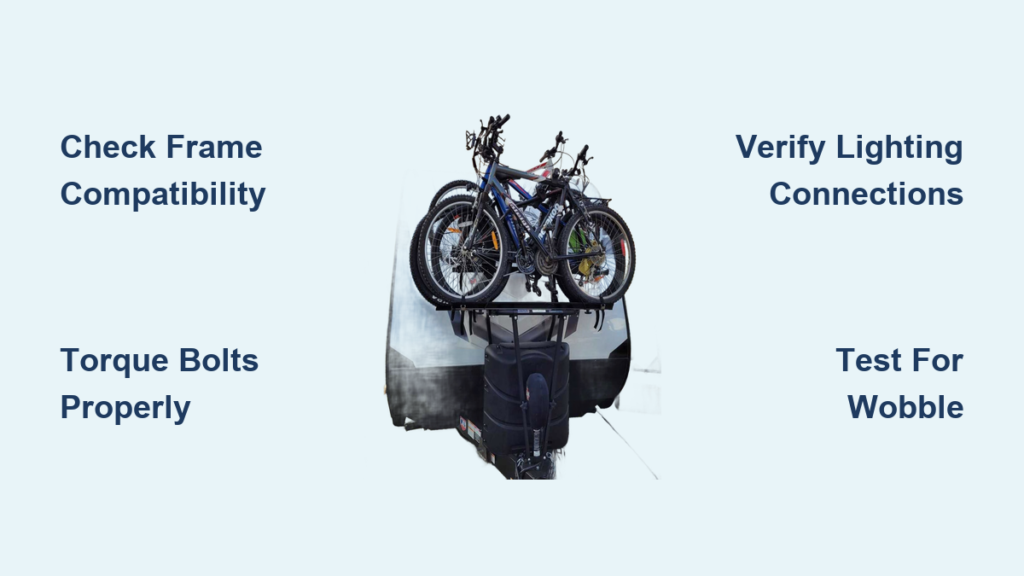
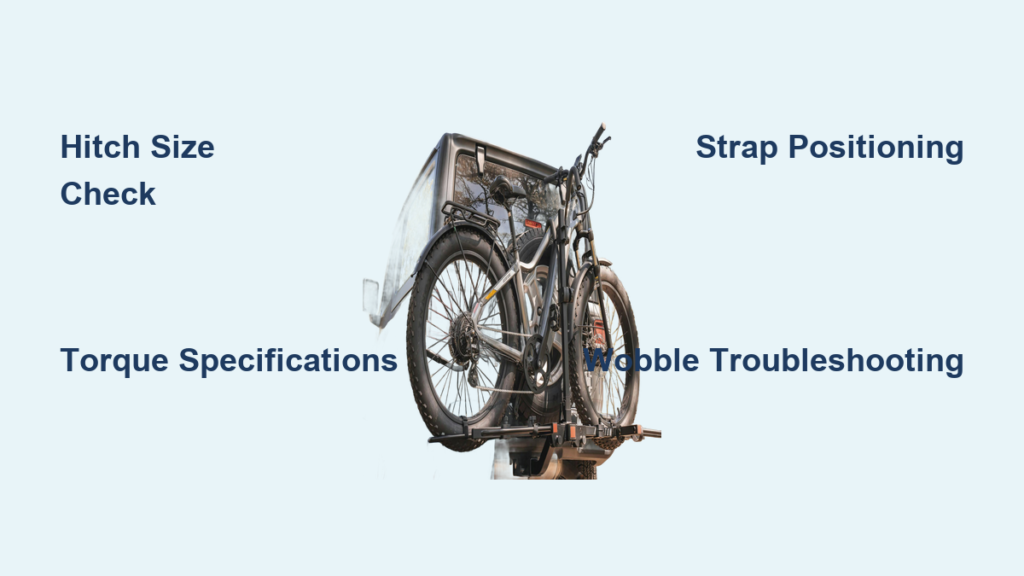
Hitch-mounted bike carriers create the most frequent license plate visibility issues. When properly loaded with bikes, these racks often position bicycle frames directly over the license plate area, especially when carrying multiple bikes. Even with just one bike mounted, certain frame geometries can partially obscure critical plate information.
When Two-Bike Racks Become Problematic
Many cyclists mistakenly believe that two-bike racks won’t block their license plates. However, depending on bike frame size and rack design, even a single bike can obstruct sufficient plate area to violate visibility laws. Carbon fiber frames with large down tubes or full-suspension mountain bikes frequently create partial obstructions that still constitute violations.
Trunk Rack Surprises
Trunk-mounted racks present unique challenges because their support arms and straps often cross the license plate area even when no bikes are loaded. These racks typically sit lower on the vehicle than hitch-mounted options, increasing the likelihood of blocking both the license plate and rear lights simultaneously—a double violation that significantly increases potential fines.
Quick Compliance Check Method
Before every trip with your bike rack installed, perform this simple 30-second verification to ensure legal compliance. Stand directly behind your vehicle at approximately 50 feet—the minimum visibility distance required by law in most jurisdictions. From this position, you should clearly see your entire license plate without any obstruction.
What to Look For During Inspection
Check for complete visibility from multiple angles, not just directly behind your vehicle. Walk to both sides and verify that no portion of the rack, bikes, or accessories blocks the plate from reasonable viewing angles. Pay special attention to registration stickers in the corners of the plate, which are often the first elements obscured by bike rack components.
Common Visibility Pitfalls
Many cyclists miss critical obstruction points because they check visibility from too close to the vehicle. The legal requirement is visibility at 50+ feet, not from right behind your bumper. Additionally, failing to check visibility after loading bikes (rather than with an empty rack) leads to unexpected violations when the actual obstruction only occurs with bikes in place.
Immediate Solutions for Plate Visibility
When your bike rack blocks your license plate, the simplest solution is relocating the license plate to maintain legal compliance. Most jurisdictions permit auxiliary license plate mounting when the original position becomes obstructed by necessary equipment like bike racks.
Proper Plate Relocation Techniques
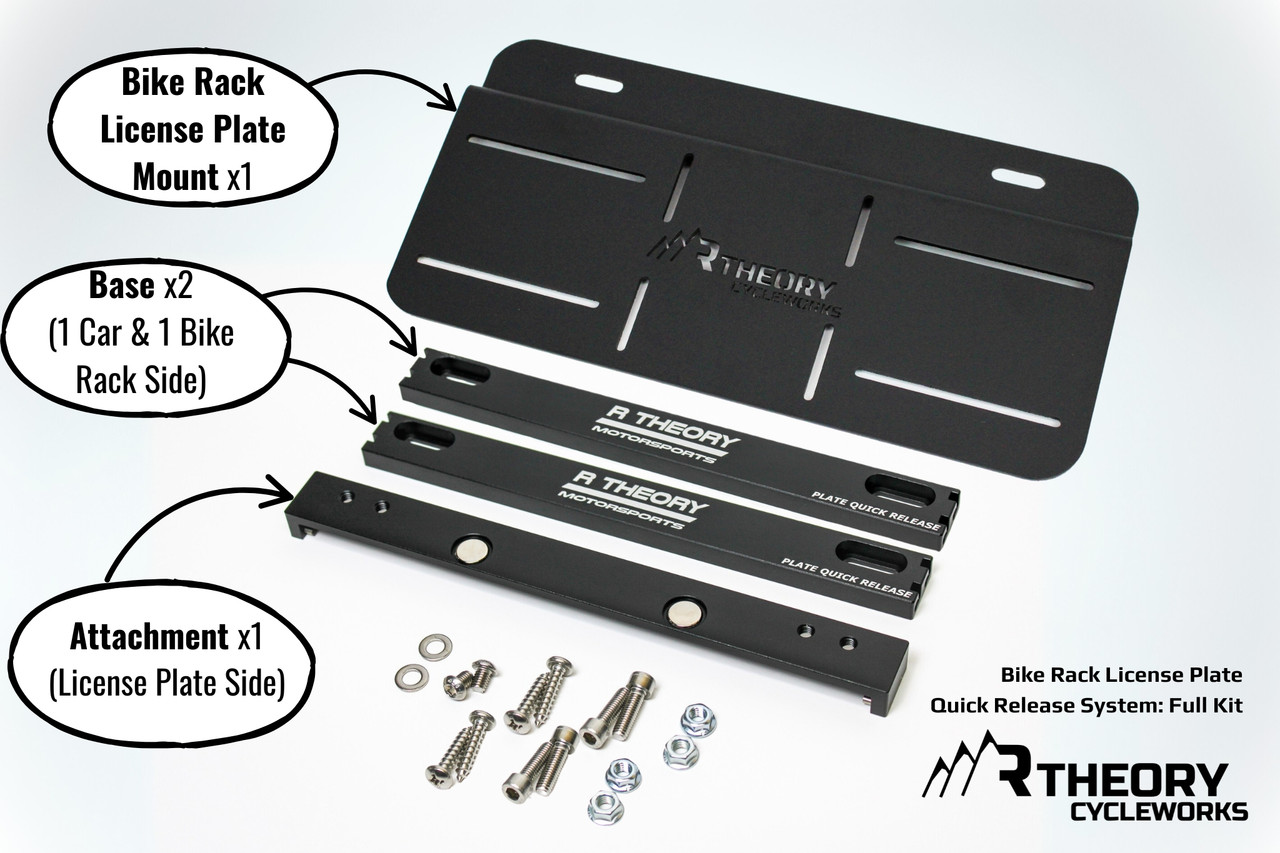
Mounting your license plate lower on the bike rack itself often provides the most straightforward solution. The relocated plate must maintain the same orientation as the original position (horizontal, not tilted) and remain securely attached to withstand highway speeds and weather conditions. Ensure the new position doesn’t create additional obstructions to rear lights or reflectors.
Lighting Requirements You Can’t Ignore
Any relocated license plate must remain properly illuminated after dark. Most bike racks don’t include lighting solutions, so you’ll need to add an auxiliary light source that meets your state’s requirements for license plate illumination. This typically means a white light that clearly illuminates the plate without glare or shadows.
State-Specific Considerations
While all states require unobstructed license plate visibility, enforcement practices and specific requirements vary significantly. Some states operate under “strict liability” for plate obstruction violations, meaning the mere fact of obstruction constitutes the violation regardless of intent.
High-Enforcement Jurisdictions
Certain states prioritize license plate visibility during traffic enforcement, making violations more likely to result in citations. In these areas, even momentary obstruction while loading or unloading bikes can trigger enforcement action if observed by law enforcement.
Temporary vs. Permanent Solutions
Some jurisdictions distinguish between temporary and permanent obstructions. A bike rack designed to fold away from the license plate area when not in use may receive more lenient treatment than fixed installations that constantly block the plate. Check your local regulations to understand how temporary mounting systems are treated.
Professional Installation Options

When DIY solutions seem overwhelming, professional installation services provide guaranteed compliance with local regulations. These specialists understand the precise requirements for license plate mounting in your jurisdiction and can fabricate custom solutions that maintain both legality and functionality.
What Professional Services Include
Quality installation services assess your specific vehicle-bike rack combination, then design and implement a plate relocation system that meets all legal requirements. This typically includes secure mounting hardware, proper lighting integration, and weatherproofing to ensure long-term reliability. Many services also provide documentation verifying your setup meets local regulations.
Finding Qualified Installers
Look for automotive accessory shops with specific experience in bike rack installations, as they’ll be most familiar with plate visibility requirements. Trailer hitch installation specialists also typically understand these regulations well, as they frequently address similar issues with trailer-mounted license plates.
Emergency Fixes for Roadside Compliance
If you’re stopped by law enforcement with an obstructed license plate, certain temporary solutions may help resolve the situation without a citation. However, these are strictly short-term fixes—you’ll still need a permanent solution before your next trip.
Acceptable Temporary Measures
Some jurisdictions allow temporary plate relocation using approved methods during the traffic stop. This might include moving the plate to an unobstructed position on your bumper or rack using provided hardware. Always follow the officer’s instructions regarding acceptable temporary fixes.
What Won’t Save You From a Ticket
Handwritten signs explaining your situation, promises to fix the issue later, or arguments about rack design won’t prevent citations. Law enforcement officers must enforce the law as written, and temporary obstructions still constitute violations regardless of your intentions or future plans to correct the issue.
Long-Term Prevention Strategies
The most effective approach is preventing plate obstruction before it happens. When purchasing a new bike rack, specifically research models designed with license plate visibility in mind. Many modern racks include integrated plate relocation brackets or designs that position bikes away from the plate area.
Proactive Vehicle Setup
Consider installing a dedicated license plate relocation bracket as a permanent part of your vehicle setup if you frequently transport bikes. This eliminates the need for last-minute adjustments and ensures immediate compliance whenever you load your bikes. Choose a bracket system that allows quick removal when not needed to maintain your vehicle’s appearance.
Regular Compliance Checks
Make license plate visibility part of your pre-ride checklist, just like checking tire pressure or brake function. Seasonal changes in bike positioning, additional gear, or even accumulated dirt on the rack can create new obstruction issues you might not immediately notice.
Key Takeaway: Maintaining unobstructed license plate visibility isn’t optional—it’s a fundamental legal requirement that affects every cyclist who transports bikes on their vehicle. The minimal effort required to ensure proper plate visibility prevents far more significant consequences down the road. Whether you choose a simple relocation bracket or professional installation, addressing this issue before your next ride protects both your cycling adventures and your driving record.
Next Steps: Perform the 50-foot visibility test on your current setup today. If your license plate isn’t completely visible from that distance with bikes loaded, research solutions specific to your vehicle and rack type. Your next cycling adventure should focus on the trail ahead—not unexpected traffic stops behind you.