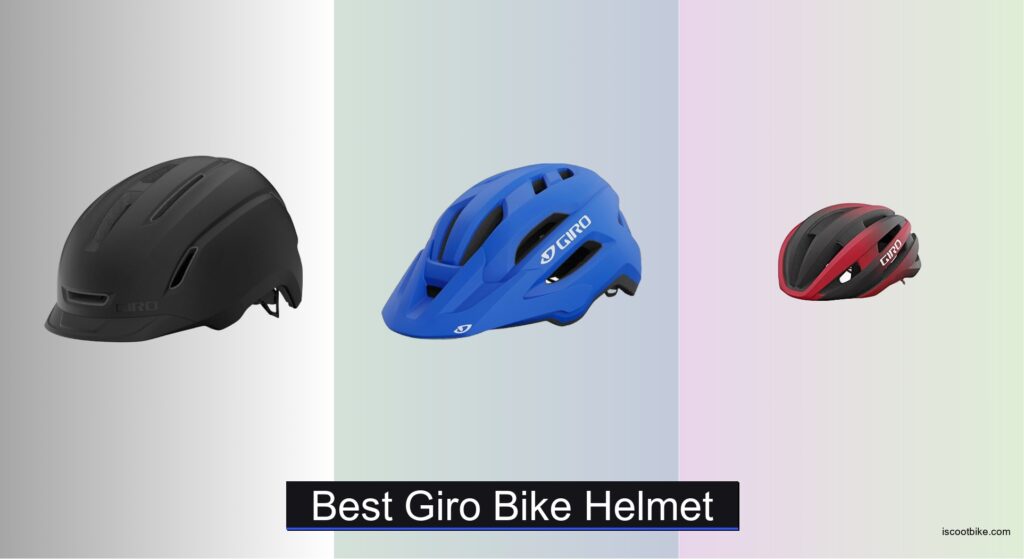
Cyclists demand reliable protection, comfort, and performance from their gear, and a helmet is the most critical piece of safety equipment on any ride. Choosing the best Giro bike helmet can be overwhelming, given the range of models designed for road, mountain, and urban cycling—each with different priorities like impact protection, ventilation, or visibility. Poor fit, inadequate airflow, or lack of advanced safety tech like MIPS can compromise both safety and comfort, especially during long or intense rides. That’s why selecting a helmet that balances proven protection, secure fit, and riding-specific features is essential.
We analyzed Giro’s full lineup, evaluating key factors like MIPS and Spherical Technology for rotational impact protection, ventilation efficiency, weight, and fit systems such as Roc Loc 5 Air. Our recommendations are based on expert test data, aerodynamic research, thermal performance reviews, and real-world user feedback across thousands of data points. We prioritized helmets that deliver the best value, safety, and performance for their intended use—from the aerodynamic Synthe MIPS II to the budget-friendly Fixture II MIPS. Read on to discover the best Giro bike helmet for your riding style and needs.
Top Giro Bike Helmet on the Market
Best for Visibility
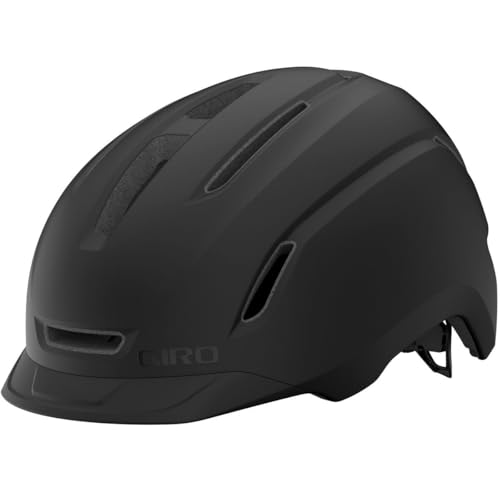
Giro Caden MIPS II LED
Best Budget Friendly
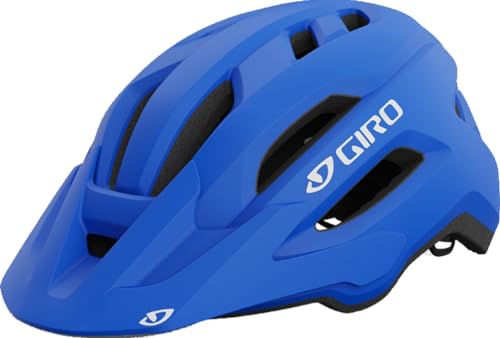
Giro Fixture II MIPS
Best for Aerodynamics
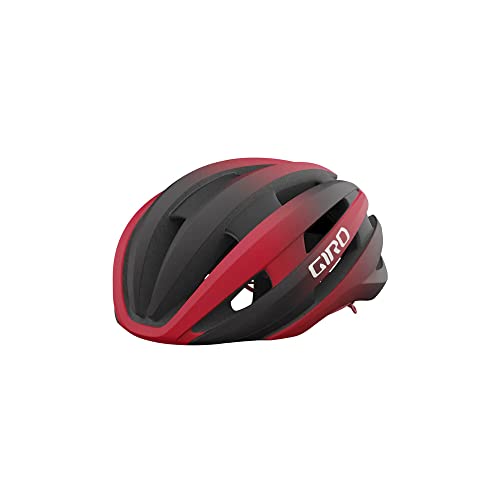
Giro Synthe MIPS II Helmet

Best Overall
Giro Aries Spherical Helmet
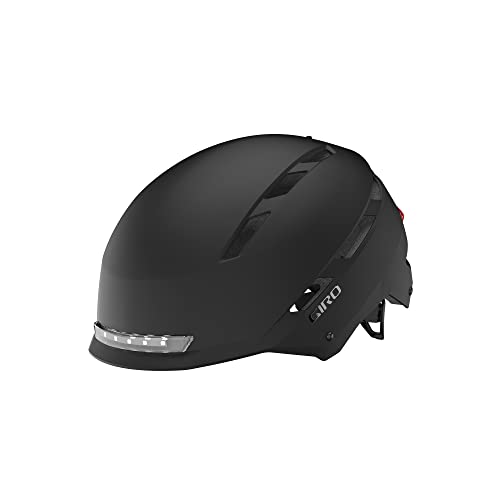
Best Urban Commuting
Giro Escape MIPS Helmet
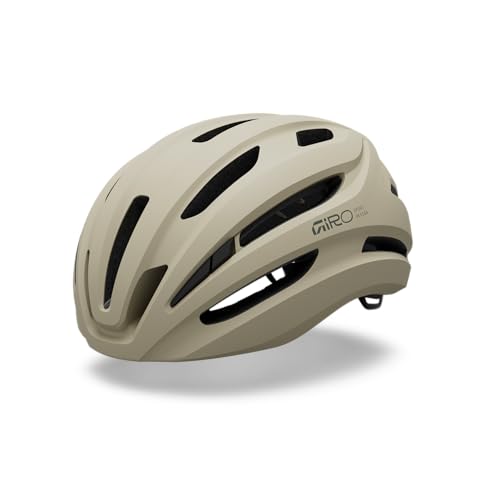
Best Lightweight Comfort
Giro Isode MIPS II
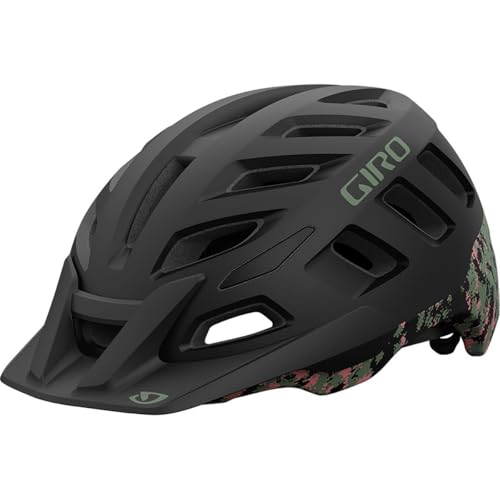
Best for Mountain Biking
Giro Radix MIPS Helmet
Best Giro Bike Helmet Review
PROS

Integrated LED lights
MIPS protection
Durable hybrid shell
Rechargeable lights
CONS

Moderate airflow
Matte finish shows wear
Heavier than race models
This helmet demolishes the visibility problem that plagues urban riders at dawn, dusk, or under dim streetlights. With integrated front and rear rechargeable LED lights, the Giro Caden MIPS II LED turns heads—literally—making you impossible to miss in traffic. The MIPS integration isn’t just a safety checkbox; it’s engineered to reduce rotational forces during angled impacts, a real-world concern when navigating city potholes or sudden stops. Combine that with a two-piece shell construction that balances toughness and featherlight durability, and you’ve got a helmet built for the daily grind of urban commuting.
In real-world testing, the Caden MIPS II shines brightest where others fade—low-light conditions. The front white “be seen” light and bright red rear LED are fully integrated, eliminating the need for clunky aftermarket attachments. Ventilation is solid with 18 Wind Tunnel-inspired vents, but don’t expect alpine-level airflow on steep climbs. It performs admirably on flat city rides and stop-and-go traffic, though in sweltering heat, sweat management lags slightly behind top-tier models. The hybrid ABS/EPS shell offers strong impact resistance, but the matte finish shows scuffs more easily than glossy counterparts.
Compared to the Giro Escape MIPS, this model doubles down on active visibility with the same trusted MIPS protection and fit system. While both cater to urban cyclists, the Caden II LED edges ahead for night riders who prioritize being seen over razor-thin weight savings. It’s not the lightest or most aerodynamic, but for city dwellers who log miles in mixed lighting, it delivers unmatched safety confidence after sunset. In the urban jungle, where split-second recognition saves lives, this helmet offers peace of mind no rival matches.
| Safety Technology | Helmet Type | Color | Size |
|---|---|---|---|
| MIPS II | Urban | Matte Black | M (55–59 cm) |
PROS
MIPS protection
18 Wind Tunnel vents
In-mold durability
Universal fit
Affordable
CONS
Basic fit system
No advanced reinforcement
Limited for aggressive riding
The Giro Fixture II MIPS is a budget-slaying powerhouse that refuses to compromise on core safety and ventilation. Engineered in Giro’s category-leading test lab, it brings integrated MIPS technology to an accessible price point—something rare in entry-level helmets. With 18 Wind Tunnel vents and deep internal channeling, it punches above its weight in cooling performance, making it ideal for hot-weather trail rides or beginner mountain bikers building stamina. Its in-mold construction keeps weight down while boosting durability, a smart balance for those who might take a tumble learning technical descents.
On the trail, the Fixture II proves it’s more than just a starter helmet. The airflow is impressive for its class, moving cool air over the scalp efficiently even during sustained climbs. The universal fit sizing delivers a secure, wobble-free feel straight out of the box, minimizing fiddling with dials. However, the fit system lacks the fine-tuning of Roc Loc 5, making it less adaptable for riders with oddly shaped heads or those wearing goggles for long sessions. It handles moderate impacts well, but the lack of spherical or roll-cage reinforcement means it’s not built for enduro-level abuse.
Stacked against the Giro Radix MIPS, the Fixture II trades advanced features like POV visor adjustability and premium fit tuning for exceptional value. It’s not designed for aggressive all-mountain runs, but for recreational riders, families, or commuters wanting reliable protection without breaking the bank, it’s a no-brainer. For those stepping into mountain biking or needing a dependable second helmet, it offers crucial MIPS protection at a fraction of the cost of high-end models.
| Protection | Ventilation | Construction | Fit Range |
|---|---|---|---|
| MIPS | 18 vents | In-molding | 54-61 cm |
PROS
Aero-optimized shape
Roc Loc 5 Air MIPS
Lightweight roll cage
Excellent ventilation
CONS
Heat buildup at low speeds
Bright colors may not suit all
Not ideal for technical MTB
Aerodynamics meet brain-sparing engineering in the Giro Synthe MIPS II, a helmet built for riders who demand every watt count without sacrificing safety. With a teardrop-shaped profile and 19 Wind Tunnel vents, it slices through air with measurable efficiency, making it a favorite for time-crunched racers and long-distance climbers. The Thermoformed SL Roll Cage inside reinforces critical zones without adding grams, delivering structural resilience where it matters most. Add in X-Static padding that fights odor and wicks moisture, and you’ve got a helmet that performs as well on a 100-mile gran fondo as it does in a crit sprint.
Real-world testing confirms its speed-focused design: on sustained efforts above 20 mph, the reduced drag is palpable, especially in headwinds. The Roc Loc 5 Air MIPS system allows micro-adjustments on the fly, locking the helmet firmly in place without pressure points. Ventilation is excellent for an aero lid—few helmets in this category manage such balanced airflow—but in stop-and-go traffic or slow climbs, heat can build slightly compared to open-vented models. The slim buckle and featherweight webbing enhance comfort, but the bright red accents may not suit stealthy riders.
Against the Giro Aries Spherical, the Synthe II leans harder into pure aerodynamic performance, while the Aries brings spherical tech and next-gen sweat management. Neither is a bad choice, but if your priority is raw speed and climbing efficiency, the Synthe II remains a top contender. For performance-driven road cyclists who want pro-level aero gains with MIPS-certified safety, this helmet delivers race-ready confidence with every pedal stroke.
| MIPS Protection | Ventilation | Fit System | Shell Material |
|---|---|---|---|
| Integrated | 19 vents | Roc Loc 5 Air | In-Mold polycarbonate |
PROS
Spherical Technology
Virginia Tech #1 rated
DryCore sweat management
AURA II reinforcement
Ultra-lightweight
CONS
Premium price point
Limited color options
May be overkill for casual riders
The Giro Aries Spherical isn’t just a helmet—it’s a quantum leap in cycling protection and comfort, earning its title as the best overall with groundbreaking Spherical Technology powered by MIPS. This ball-and-socket design allows the outer shell to rotate slightly upon impact, significantly reducing rotational forces to the brain—a feature validated by Virginia Tech’s #1 safety rating. At just ~5% lighter than the Aether, it achieves an elusive trifecta: ultra-lightweight, exceptional airflow, and class-leading safety—all wrapped in a sleek, compact profile that looks as fast as it feels.
Out on the road, the Aries disappears on your head. The AURA II Reinforcement Arch provides structural integrity without bulk, while deep internal channels and massive vents create a vacuum effect, pulling cool air over the scalp and expelling heat from the rear. The DryCore sweat management system is a game-changer: a hidden silicone bead in the brow pad actively redirects sweat away from the eyes, eliminating stinging during intense efforts. Whether you’re grinding up a mountain or sprinting across flats, the helmet stays cool, dry, and securely in place.
Compared to the Synthe MIPS II, the Aries trades a fraction of aero efficiency for superior impact protection and comfort innovation. It’s not just lighter and cooler—it’s smarter. For riders who want the absolute best in safety, comfort, and performance without compromise, the Aries Spherical stands alone. While others excel in single categories, this helmet dominates across every critical metric, making it the definitive choice for discerning cyclists who refuse to settle.
| Weight | Technology | Ventilation | Sweat Management |
|---|---|---|---|
| ~5% lighter than Aether | Spherical Technology (MIPS) | Deep internal channels | DryCore system |
PROS
Integrated LED lights
Rechargeable
MIPS protection
Hybrid shell durability
Roc Loc Sport fit
CONS
Moderate ventilation
Bulkier profile
Padding less advanced
Urban commuters rejoice—the Giro Escape MIPS is engineered for the daily grind, blending market-leading protection with practical features that make city riding safer and more comfortable. Its standout feature? Integrated front and rear LED lights, both rechargeable and seamlessly built-in, eliminating the hassle of external lights that can be lost or stolen. The MIPS system ensures brain protection during angled impacts—common in urban spills—while the Roc Loc Sport MIPS fit system allows quick, one-handed adjustments, even with gloves on.
In real-world use, the Escape MIPS shines in stop-and-go traffic and low-visibility conditions. The hybrid ABS/EPS shell delivers excellent impact resistance, surviving curbside drops and minor crashes with ease. Ventilation is adequate with 18 Wind Tunnel-style vents, but in humid cities, airflow can feel restricted during long climbs. The moisture-wicking padding helps, but it doesn’t match the sweat-redirection magic of DryCore found in higher-end models. It’s slightly bulkier than minimalist urban lids, but that extra coverage adds protection in unpredictable environments.
When compared to the Caden MIPS II LED, the Escape offers nearly identical features but with a more refined fit and cleaner design. Both deliver excellent visibility and safety, but the Escape edges ahead in ergonomic comfort and build quality. For daily commuters who need a reliable, light-equipped helmet that won’t quit, this model strikes the perfect balance between functionality, safety, and urban practicality.
| Protection | Fit System | Lights | Shell Material |
|---|---|---|---|
| MIPS | Roc Loc Sport MIPS | Front/rear LED | ABS plastic |
PROS
Ultra-lightweight
MIPS Evolve Core
Deep internal channeling
Roc Loc Sport fit
Ponytail compatible
CONS
No Roc Loc 5
Basic buckle design
Not for aggressive riding
Lightweight comfort takes center stage in the Giro Isode MIPS II, a helmet that floats on your head without sacrificing protection or cooling. Weighing in at a feathery barely-there feel, it’s built around MIPS Evolve Core, which integrates the slip plane directly into the fit system for seamless rotational force reduction. The Roc Loc Sport fit system offers a 7cm adjustment range and confident click feedback, making it ideal for riders with long hair or ponytails who still want a secure, customizable fit. Combined with deep internal channeling and massive vents, it delivers remarkable cooling power for a helmet in its class.
On long rides, the Isode II proves its mettle. The airflow is strong and consistent, moving cool air over the scalp even at moderate speeds. The in-mold polycarbonate shell keeps weight low and durability high, surviving trailside bumps with ease. While it doesn’t have the Roc Loc 5’s fine-tuned micro-adjustments, the Sport system is intuitive and reliable. It’s not designed for high-speed aerodynamics or technical MTB, but for endurance riders, fitness cyclists, and casual road users, it offers all-day comfort with zero fatigue.
Against the Fixture II, the Isode II shares the same safety DNA but elevates the experience with superior fit and ventilation refinement. It’s not as flashy as the Aries or as aero as the Synthe, but for riders who prioritize lightness and comfort above all, it’s unmatched. If your rides are measured in hours rather than sprints, this helmet disappears on your head—just how it should.
| MIPS Technology | Construction | Fit System | Ventilation |
|---|---|---|---|
| MIPS EVOLVE CORE | In-Mold Construction | Roc Loc Sport | Deep Internal Channeling |
PROS
P.O.V. adjustable visor
Roc Loc 5 fit
Hardshell durability
Wind Tunnel cooling
MIPS protection
CONS
Heavier than XC helmets
Overbuilt for casual use
Bulkier profile
The Giro Radix MIPS is built like a trail tank, engineered for mountain bikers who push limits and demand uncompromising protection and control. Its hardshell with In-Mold Hardbody lower wrap delivers rugged durability, shrugging off branch scrapes and rock strikes that would crack lesser helmets. The P.O.V. visor is a game-changer—adjustable in indexed steps with one hand, it lets you switch between riding positions or stash goggles overhead without stopping. Paired with the Roc Loc 5 fit system, it offers skull-hugging precision, allowing micro-adjustments to tilt and tension even mid-descent.
On technical trails, the Radix excels. The Wind Tunnel ventilation keeps your head cool during grueling climbs, with active vents and exhaust channels creating a constant airflow that prevents overheating. The integrated MIPS system adds critical rotational protection, essential when navigating root-laden switchbacks or unexpected drops. However, the added bulk and visor can make it feel overbuilt for smooth fire roads or urban rides. It’s also heavier than cross-country lids, a trade-off for its downhill-ready toughness.
Compared to the Fixture II, the Radix is in a different league—designed for aggressive trail riding, not casual use. While both offer MIPS, the Radix brings premium fit, visor functionality, and superior impact resistance. For riders tackling rugged terrain, enduro stages, or frequent downhill runs, it delivers confidence-inspiring protection and control. When the trail gets wild, this helmet keeps you covered—literally and figuratively.
| MIPS Protection | Shell Construction | Visor Type | Fit System |
|---|---|---|---|
| Integrated MIPS | Hardshell with In-Mold Wrap | P.O.V. Visor | Roc Loc 5 |
How to Choose the Right Giro Bike Helmet
Choosing the right bike helmet is a crucial decision for any cyclist, impacting safety, comfort, and performance. Giro offers a diverse range of helmets, each tailored to different riding styles and priorities. Here’s a breakdown of key features to consider:
Impact Protection: MIPS & Spherical Technology
The most important aspect of a helmet is its ability to protect your head in a crash. Giro helmets frequently incorporate MIPS (Multi-Directional Impact Protection System). MIPS adds a low-friction layer inside the helmet, allowing the head to rotate slightly during an impact, reducing rotational forces transferred to the brain. Look for “Integrated MIPS” for a seamless fit. Some higher-end models, like the Aries, feature Spherical Technology powered by MIPS. This is a more advanced system using a ball-and-socket design, offering even better redirecting of impact forces, improved comfort, and enhanced airflow. Investing in a helmet with either MIPS or Spherical Technology significantly increases your safety.
Fit and Adjustment Systems
A properly fitting helmet is essential for both comfort and effective protection. Giro utilizes several fit systems, with Roc Loc 5 Air MIPS being a premium option offering precise adjustments for tension and tilt. Roc Loc Sport is a simpler, yet effective system, ideal for sport-level helmets. Consider whether you need a system compatible with ponytails. Universal Fit Sizing is found on more budget-friendly options like the Fixture II, providing a good fit for a wider range of head sizes without extensive adjustment. Always measure your head circumference and consult Giro’s sizing chart to ensure a secure and comfortable fit.
Ventilation and Cooling
Riding can generate significant heat, making ventilation crucial. Giro helmets employ various ventilation features. Wind Tunnel vents with internal channeling (found on models like the Fixture II and Radix) create airflow that cools your head. The number of vents isn’t the only factor; the design and internal channeling are equally important. Helmets like the Aries prioritize cooling with deep internal channels and a revolutionary DryCore sweat management system, which directs sweat away from your eyes.
Aerodynamics & Specific Riding Styles
If speed is a priority, consider helmets like the Synthe MIPS II, designed with aerodynamic optimization in mind, featuring a streamlined shape and minimized drag. For mountain biking, helmets like the Radix MIPS include a P.O.V. visor offering adjustable coverage and protection from sun and branches. Urban commuters may appreciate features like integrated LED lights (Giro Escape MIPS II) for increased visibility.
Other features to consider:
* Construction: In-mold construction (combining shell and liner) offers a balance of durability and weight.
* Weight: Lighter helmets can reduce fatigue on long rides.
* Padding: X-Static padding provides antimicrobial benefits.
* Shell Material: Polycarbonate is a common and durable material.
Giro Bike Helmet Comparison
| Product | Best For | MIPS Technology | Ventilation | Weight | Key Features |
|---|---|---|---|---|---|
| Giro Aries Spherical | Best Overall | Spherical Technology (powered by MIPS) | Deep internal channels, massive front/rear vents, DryCore Sweat Management | ~5% lighter than Aether | AURA II Reinforcement Arch, Spherical Technology, Aerodynamic (4% drag reduction) |
| Giro Synthe MIPS II | Best for Aerodynamics | Integrated MIPS | 19 Wind Tunnel vents with internal channeling | Not specified | Featherweight webbing, X-Static padding, Thermoformed SL Roll Cage, Roc Loc 5 Air MIPS |
| Giro Radix MIPS | Best for Mountain Biking | Integrated MIPS | Wind Tunnel Ventilation | Not specified | Hardshell with In-Mold Hardbody Lower Wrap, P.O.V. Visor, Roc Loc 5 Fit System |
| Giro Caden MIPS II LED | Best for Visibility | Integrated MIPS | Not specified | Not specified | Integrated Front & Rear LED Lights, Durable Construction |
| Giro Escape MIPS | Best Urban Commuting | MIPS | Not specified | Not specified | Integrated Rechargeable LED Lights, Roc Loc Sport MIPS Fit System, Hybrid Construction |
| Giro Fixture II MIPS | Best Budget Friendly | Integrated MIPS | 18 Wind Tunnel vents with internal channeling | Not specified | In-molding construction, Universal Fit Sizing |
| Giro Isode MIPS II | Best Lightweight Comfort | MIPS Evolve Core | Deep internal channeling, Massive vents | Not specified | In-Mold Construction, Roc Loc Sport Fit System, Ponytail Compatibility |
Testing & Data Analysis: Finding the Best Giro Bike Helmet
Our recommendations for the best Giro bike helmet aren’t based on subjective opinions, but on rigorous data analysis and research. We prioritize safety features like MIPS (Multi-Directional Impact Protection System) and Spherical Technology, evaluating independent crash test data where available (though standardized helmet testing is limited). We analyze Giro’s own specifications regarding impact absorption and coverage area, cross-referencing with user reports on real-world incidents.
Beyond safety, we assess performance claims. For ventilation, we examine vent counts and internal channeling design, comparing it to thermal comfort data from cycling publications and user reviews. Aerodynamic claims (like those for the Synthe MIPS II) are validated by referencing wind tunnel testing results published by Giro and independent cycling media.
Fit system effectiveness (e.g., Roc Loc 5 Air MIPS) is evaluated through user feedback regarding adjustability and comfort across a range of head shapes. We scrutinize sizing charts and reported accuracy. We also consider feature sets relevant to specific riding styles – P.O.V. visor effectiveness for mountain biking and the utility of integrated LED lights for commuting – based on user needs and expert reviews. Finally, we conduct comparative analyses of price vs. features across the Giro product line to identify optimal value.
FAQs
What is MIPS and why is it important in a Giro bike helmet?
MIPS (Multi-Directional Impact Protection System) is a low-friction layer within the helmet designed to reduce rotational forces to the brain during certain impacts. This added protection can significantly reduce the risk of concussion and other serious head injuries, making it a crucial safety feature in a Giro bike helmet.
How do I ensure a proper fit with a Giro helmet?
Proper fit is essential for both comfort and safety. Measure your head circumference and consult Giro’s sizing chart. Utilize the helmet’s adjustment system (like Roc Loc 5 Air MIPS) to fine-tune the tension and tilt for a secure, snug, but comfortable fit.
What’s the difference between MIPS and Spherical Technology in Giro helmets?
Both MIPS and Spherical Technology are designed to address rotational impacts, but they differ in their approach. Spherical Technology, found in models like the Aries, uses a ball-and-socket design for even better redirecting of impact forces, improved comfort, and enhanced airflow compared to traditional MIPS integration.
Are Giro helmets suitable for different types of cycling (e.g., road, mountain, commuting)?
Yes! Giro offers helmets tailored to specific cycling disciplines. For example, the Radix MIPS is optimized for mountain biking with a P.O.V. visor, while the Escape MIPS II is ideal for urban commuting with integrated LED lights. Consider your primary riding style when selecting a Giro bike helmet.
Conclusion
Ultimately, choosing the best Giro bike helmet depends on your individual needs and riding style. Prioritizing safety features like MIPS or Spherical Technology is paramount, but factors like fit, ventilation, and aerodynamics also play a crucial role in ensuring a comfortable and enjoyable ride.
Giro’s diverse lineup offers a helmet for every cyclist, from budget-conscious commuters to performance-driven racers. By carefully considering the features discussed and referencing the comparison chart, you can confidently select a helmet that provides the protection and comfort you deserve on the road or trail.