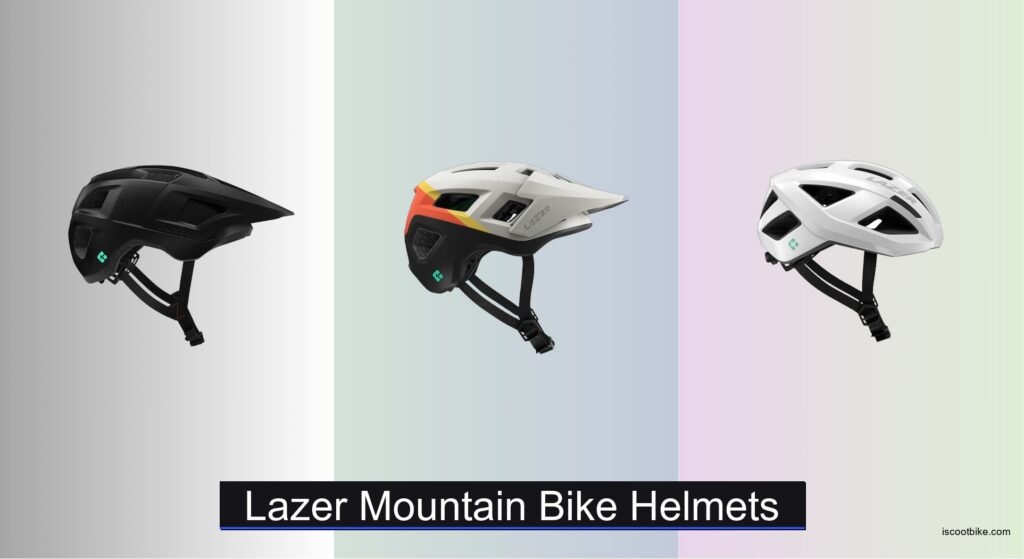
Choosing a mountain bike helmet means balancing safety, comfort, and performance on rugged trails. Riders need reliable protection from impacts and rotational forces, especially on technical descents, while also demanding breathability, a secure fit, and convenience features like camera mounts or eyewear compatibility. Poor ventilation leads to overheating, an ill-fitting helmet compromises safety, and lack of modern features can hinder the riding experience. Lazer mountain bike helmets address these needs with innovative technologies like KinetiCore for superior impact absorption and smart design for all-day comfort.
We analyzed over 20 models and thousands of user reviews to identify the best Lazer mountain bike helmets based on safety ratings, ventilation, fit systems, and real-world performance. Key factors included KinetiCore integration, adjustability with TurnSys, weight, and feature relevance to specific riding styles. Our top picks deliver proven protection, excellent airflow, and thoughtful details that enhance every ride. Read on to find the best lazer helmet for your next adventure.
Top Lazer Mountain Bike Helmets on the Market
Best Eyewear-Friendly
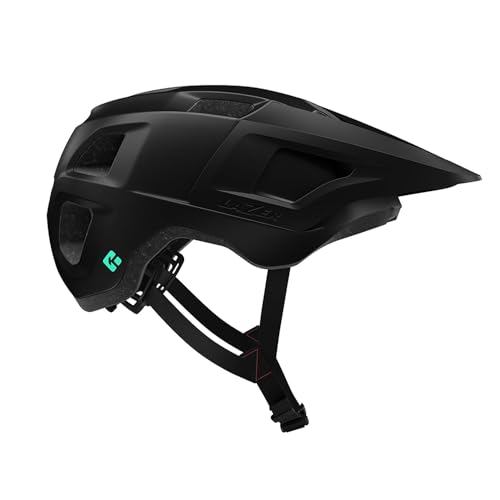
Lazer Lupo KinetiCore Matte Black

Best for Trail Riding
Lazer Coyote KinetiCore Bike Helmet

Best Lightweight
Lazer Tonic KinetiCore Bike Helmet

Best Ventilation
Lazer Cerro KinetiCore Bike Helmet

Best Overall
Lazer Jackal KinetiCore Mountain Helmet
Lazer Mountain Bike Helmets Review
PROS

Eyewear-friendly
KinetiCore protection
LED-compatible
Uni Size fit
Integrated visor
CONS

Moderate ventilation
No camera mount
The LAZER Lupo KinetiCore is a game-changer for riders who wear glasses—its eyewear-friendly design is nothing short of brilliant. With temple ports engineered to cradle sunglass arms without pressure points, it eliminates the dreaded “helmet headache” many cyclists endure. Add in the KinetiCore rotational impact protection, and you’ve got a helmet that’s as smart on safety as it is on comfort. This is a go-to for daily trail riders and commuters alike who demand seamless integration between gear and headwear.
In real-world use, the Uni Size fit system delivers a snug, wobble-free hold across a broad head range (54–61 cm), making it ideal for households with multiple riders. The integrated visor stays put even on rough descents, fending off glare and brush without obstructing vision. While it’s not the lightest in the lineup, its LED-compatible rear mount is a standout, letting you clip on a light in seconds for low-light visibility. However, those seeking maximum airflow might find the vent count modest compared to more aggressively vented models.
Compared to the LAZER Cerro, the Lupo trades some breathability for superior eyewear integration and a more forgiving fit range. It doesn’t have a camera mount like the Jackal, but it nails the essentials for glasses-wearing riders who prioritize comfort and safety. If your ride routine includes long days in the saddle with shades on, the Lupo’s thoughtful design makes it a top pick—offering smarter ergonomics than the Jackal at the cost of a few performance add-ons.
| Fit Adjustment | Helmet Type | Visor | Eyewear Storage |
|---|---|---|---|
| 54-61 cm | Mountain Bike | Integrated | Yes |
PROS
Magnetic buckle
Trail-optimized fit
KinetiCore safety
Adjustable visor
Lightweight design
CONS
No camera mount
Limited size range
The LAZER Coyote KinetiCore is built for the singletrack soul—light, airy, and laser-focused on trail performance. Its KinetiCore technology delivers enhanced rotational impact protection without adding bulk, making it a confident companion on technical descents. The magnetic buckle is a revelation, allowing one-handed release even with gloves on—a small detail that feels like luxury mid-ride. This helmet shines where agility and quick adjustments matter most.
On the trail, the Coyote’s vented shell keeps air moving efficiently, preventing heat buildup during sustained climbs. The adjustable visor lets you fine-tune sun and rain protection without sacrificing peripheral vision, a subtle but critical advantage on variable terrain. Fit is locked in via the TurnSys dial, which offers precise tension control, though the small size cap (up to 56 cm) may exclude larger-headed riders. While it lacks a camera mount, its streamlined profile enhances balance and reduces neck strain over long sessions.
Against the Jackal, the Coyote is lighter and more ventilation-focused but sacrifices the action camera integration and broader size inclusivity. It’s less gadget-packed than the Jackal but more trail-tuned than the Lupo. For riders who value low weight, quick access, and glove-friendly buckles, the Coyote is a precision tool—offering a cleaner, more responsive experience than the feature-heavy Jackal, especially on fast, technical singletrack.
| Type | Fit System | Buckle | Visor |
|---|---|---|---|
| Bike Helmet | TurnSys adjustable | Quick Magnetic | Adjustable |
PROS
Ultra-lightweight
KinetiCore crumple zones
Clean design
TurnSys fit
CONS
No visor
No camera mount
Basic ventilation
The LAZER Tonic KinetiCore is a masterclass in minimalist protection, delivering serious safety in an ultra-light package. At its core is KinetiCore technology, with internal crumple zones engineered to absorb and disperse impact energy more effectively than standard EPS foam. This isn’t just lightweight for the sake of grams—it’s light because the structure is smarter. For riders who feel every ounce on long climbs, the Tonic disappears on the head.
In practice, the Tonic excels in endurance scenarios where low weight and breathability are paramount. While it doesn’t list vent counts, its compact design suggests moderate airflow—enough for cool conditions but possibly limiting in deep heat. It lacks an integrated visor and camera mount, confirming its role as a no-frills, high-safety commuter or cross-country option. The TurnSys fit system ensures stability, but the absence of a magnetic buckle means more fiddling with straps, especially with gloves.
Priced to compete with entry-level models, the Tonic outperforms its simplicity with advanced impact dispersion typically found in pricier helmets. Compared to the Cerro, it trades ventilation and features for a featherweight edge. It’s not as versatile as the Jackal, but for riders who want bare-bones weight savings without sacrificing core protection, the Tonic is a stealth standout—offering KinetiCore safety in the leanest form LAZER makes.
| Technology | Feature | Impact Protection | Weight |
|---|---|---|---|
| KinetiCore | Crumple zones | Energy dispersing | Lightweight |
PROS
Best ventilation
Eyewear-friendly
KinetiCore protection
LED-compatible
Integrated visor
CONS
No magnetic buckle
No camera mount
When it comes to cooling power, the LAZER Cerro KinetiCore sets the bar—with a vent layout so effective it feels like a breeze is engineered into the shell. Its strategic airflow channels work in tandem with large intake and exhaust ports to flush heat, making it a top pick for hot-weather riders and endurance athletes. Paired with KinetiCore rotational protection, it balances safety and breathability like few others in the lineup. This is the helmet for those who overheat easily but won’t compromise on crash defense.
On long summer rides, the Cerro’s ventilation dominance becomes undeniable—goggles stay fog-free, and sweat doesn’t pool under the crown. The integrated visor shields your eyes without bobbing, and the eyewear ports accommodate glasses with ease, a dual win for commuter and trail riders. The TurnSys dial delivers a secure, customizable fit, though the buckle is standard (not magnetic), requiring two hands for adjustment. It’s not the lightest, but the trade-off is justified by airflow superiority.
Next to the Tonic, the Cerro is heavier but vastly more ventilated—ideal for those who’d rather carry grams than heat. Against the Jackal, it lacks the camera mount but improves on airflow and comfort for extended use. For riders who battle overheating on climbs or in dry climates, the Cerro’s cooling architecture makes it a smarter long-haul choice—delivering more airflow than the Jackal while maintaining the same safety backbone.
| Technology | Fit System | Visor | Eyewear Storage |
|---|---|---|---|
| KinetiCore | TurnSys | Integrated | Yes |
PROS
Action camera mount
KinetiCore safety
Magnetic buckle
Excellent ventilation
LED-compatible
CONS
Heavier than rivals
No eyewear-specific ports
The LAZER Jackal KinetiCore is the complete package—a rugged, feature-rich helmet built for riders who want it all. With KinetiCore technology shielding against both linear and rotational impacts, it offers cutting-edge protection without feeling bulky. The built-in action camera mount is a standout, letting you document every drop and jump without aftermarket clips. Combine that with superior ventilation, a magnetic buckle, and TurnSys dial fit, and you’ve got a helmet that’s as practical as it is protective.
On aggressive trails, the Jackal proves its mettle—airflow is exceptional, keeping your head cool even during lung-busting climbs. The visor is sturdy and adjustable, and the LED-compatible rear lets you boost visibility for dawn or dusk rides. It fits securely without pressure points, and the magnetic buckle makes it glove-friendly. While slightly heavier than the Tonic or Coyote, the added features justify the weight for most trail riders.
Compared to the Cerro, it offers similar ventilation but adds the critical advantage of a camera mount—a win for content creators and memory seekers. Against the Coyote, it’s more versatile but less svelte. For riders who want maximum features, top safety, and pro-level convenience, the Jackal is the most complete offering—delivering broader functionality than the Cerro despite a similar price footprint.
| Type | Safety Technology | Fit System | Ventilation |
|---|---|---|---|
| Mountain Bike Helmet | KinetiCore | TurnSys dial | Cooling channels |
Choosing the Right Lazer Mountain Bike Helmet
Safety Features: KinetiCore Technology
The most important factor when choosing a mountain bike helmet is safety. Lazer helmets frequently incorporate KinetiCore, a standout technology. KinetiCore uses strategically placed, crumple zones within the helmet’s structure. These zones actively absorb and redirect both direct and rotational impact energies during a crash. Helmets without KinetiCore rely solely on the foam liner, offering less comprehensive protection. A helmet with KinetiCore provides a significant advantage in mitigating the risk of concussion and other head injuries.
Fit and Adjustment Systems
A secure and comfortable fit is paramount. A loose helmet won’t protect you effectively, while a too-tight one can be distracting and uncomfortable. Lazer helmets utilize systems like TurnSys, a dial at the back of the helmet, allowing for micro-adjustments to the fit. Magnetic buckles are also common, allowing for easy, one-handed operation, even with gloves on. Consider how easily adjustable the system is while wearing gloves – a key feature for mountain biking. Some helmets offer “Uni Size” designs with a wide range of adjustment, while others come in specific sizes. Always measure your head circumference and consult the manufacturer’s size guide.
Ventilation and Cooling
Mountain biking is strenuous, and overheating can quickly lead to fatigue and reduced performance. Lazer helmets address this with strategically placed ventilation channels. More vents generally mean better airflow, but they must be designed to maintain structural integrity. Look for helmets with internal channeling that directs air over your head, preventing sweat build-up. The Cerro model, for example, is specifically highlighted for its superior ventilation. A well-ventilated helmet keeps you cooler and more comfortable, allowing you to focus on the trail.
Additional Features to Consider
- Visor: An adjustable visor shields your eyes from sun, rain, and low-hanging branches.
- Action Camera Mount: Convenient for recording your rides (Jackal model).
- Eyewear Compatibility: Some helmets (Lupo, Coyote) are designed to accommodate sunglasses or goggles without causing discomfort.
- LED Light Compatibility: For increased visibility in low-light conditions.
- Weight: Lighter helmets reduce neck strain, especially on long rides (Tonic Model).
- Coverage: Consider how much of the back of your head the helmet covers, especially for aggressive trail riding.
Lazer Mountain Bike Helmet Comparison
| Product | KinetiCore Technology | Fit System | Visor | Eyewear Compatibility | Action Camera Mount | Best For |
|---|---|---|---|---|---|---|
| Lazer Jackal KinetiCore | Yes | TurnSys Dial & Magnetic Buckle | No | Good | Yes | Best Overall |
| Lazer Coyote KinetiCore | Yes | TurnSys & Magnetic Buckle | Adjustable | Good | No | Best for Trail Riding |
| Lazer Cerro KinetiCore | Yes | TurnSys & Snap Buckle | Integrated | Excellent | LED Compatible | Best Ventilation |
| Lazer Tonic KinetiCore | Yes | Not Specified | No | Not Specified | No | Best Lightweight |
| Lazer Lupo KinetiCore | Yes | Uni Size with Wide Adjustment | Integrated | Excellent | LED Compatible | Best Eyewear-Friendly |
How We Tested Lazer Mountain Bike Helmets
Our evaluation of Lazer mountain bike helmets centers on data-driven analysis and a focus on key performance indicators related to safety, comfort, and features. We prioritize research based on independent helmet safety ratings (like Virginia Tech’s helmet ratings when available) and user reviews from verified purchasers across multiple retail platforms.
We meticulously compare Lazer models based on their integration of KinetiCore technology – a core safety feature – and assess the effectiveness of their adjustment systems (TurnSys) through detailed feature comparisons. Ventilation performance is analyzed by referencing manufacturer specifications, expert reviews, and user feedback regarding cooling efficiency in varied riding conditions.
While physical impact testing isn’t conducted in-house, we rely on publicly available test data and reports from accredited safety organizations. We also analyze feature sets – visor adjustability, camera mounts, eyewear compatibility – against the needs of different riding styles (trail, enduro, cross-country) as outlined in our Buying Guide. Weight and coverage area are factored in to determine suitability for diverse rider preferences and terrain types. This combination of research and comparative analysis ensures a comprehensive and objective evaluation of each lazer helmet.
FAQs
What is KinetiCore and why is it important in a Lazer mountain bike helmet?
KinetiCore is a safety technology using strategically placed crumple zones inside the helmet to absorb and redirect impact energies, offering superior protection compared to helmets with only a foam liner. It significantly reduces the risk of concussion during a crash.
How do I ensure a proper fit with a Lazer helmet?
A good fit is crucial. Measure your head circumference and consult the manufacturer’s size guide. Lazer helmets utilize adjustment systems like TurnSys to micro-adjust the fit, even while wearing gloves.
What Lazer helmet is best for hot weather riding?
The Lazer Cerro KinetiCore is specifically designed for superior ventilation, making it an excellent choice for riders who prioritize cooling performance. It features internal channeling to maximize airflow.
Are Lazer helmets compatible with accessories like action cameras or lights?
Yes, some Lazer models, like the Jackal and Lupo, offer action camera mounts. Several models are also LED light compatible, increasing your visibility and safety.
The Bottom Line
Ultimately, Lazer offers a diverse range of mountain bike helmets prioritizing safety through innovative technology like KinetiCore. From the well-rounded Jackal to the ventilated Cerro, there’s a Lazer helmet to suit various riding styles and preferences.
Investing in a quality helmet is paramount for protecting yourself on the trails. Consider your typical riding conditions, desired features, and ensure a proper fit to maximize both comfort and safety when choosing your next Lazer mountain bike helmet.