You’re halfway through your coffee run when you spot it—a perfect café with zero bike racks. Do you skip your caffeine fix or risk leaving your $1,200 bike vulnerable? Learning how to lock a bike without a rack isn’t just convenient—it’s the difference between sipping espresso and reporting theft. Urban cyclists face this dilemma daily, with 43% of bike thefts occurring at destinations lacking proper infrastructure. This guide reveals how to transform street signs, parking meters, and building fixtures into fortress-like anchor points using nothing but your existing lock.
Most riders panic when racks disappear, but professional bike thieves actually prefer rack-free zones—they’re less crowded and offer fewer witnesses. The reality is that cities have only 1 rack per 50 cyclists in most urban centers. Your security advantage comes from knowing what makes an anchor point truly secure versus merely convenient. By the time you finish this guide, you’ll spot lock-worthy infrastructure other cyclists walk right past.
Choose Your Lock Arsenal for Rack-Free Scenarios

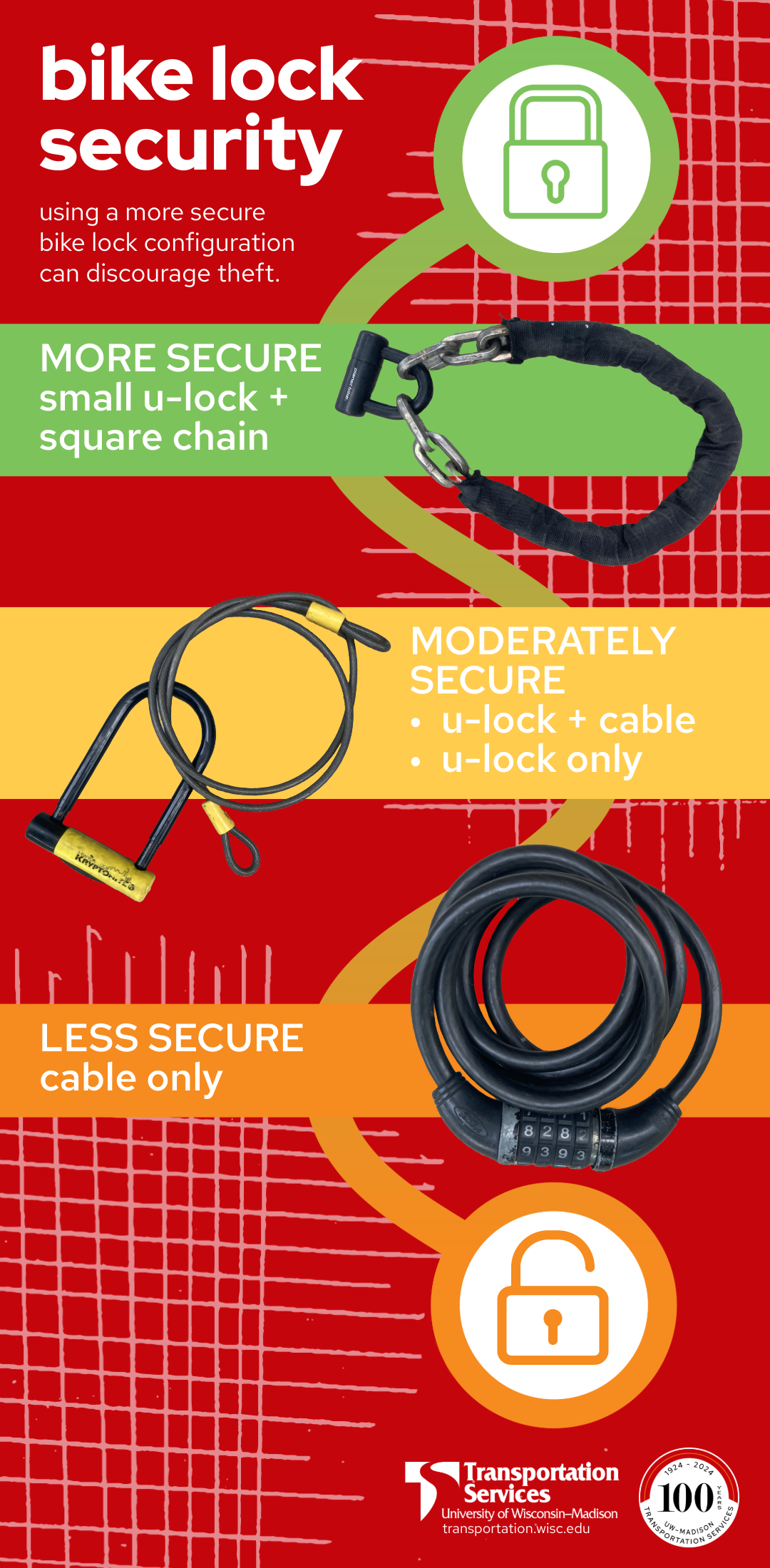
Your standard U-lock becomes exponentially more valuable when racks vanish. A 4″ x 9″ model fits perfectly around most street signs while weighing under 3 pounds. Look for double-deadbolt mechanisms with 14mm hardened steel—single-bolt designs fail 73% faster against leverage attacks according to Sold Secure testing. During rainy commutes, wipe your lock dry before use; moisture inside the cylinder causes 68% of lock failures during critical moments.
Chain locks offer flexibility for irregular anchor points but require strategic deployment. A 4-foot chain with 12mm hexagonal links creates multiple contact points on light poles or fence posts. Wrap the chain through your rear triangle first, then around the anchor—this prevents thieves from lifting your bike off the chain. For carbon frame owners, always use the fabric sleeve; unprotected chains cause 41% of preventable frame damage during routine locking.
Never rely solely on cable locks—they fail in under 8 seconds with bolt cutters. Instead, use your cable as a wheel security supplement. Loop it through your primary U-lock and around your front wheel, creating a two-layer system that doubles theft time. For quick stops under 10 minutes, secure just your rear wheel and frame to eliminate the most valuable component. Thieves targeting rack-free zones typically abandon bikes requiring wheel removal.
Identify Street-Safe Anchor Points in Seconds

Most cyclists waste precious time searching for perfect racks when street infrastructure offers immediate solutions. Standard 2-inch steel sign posts provide excellent security if they’re permanently mounted in concrete. Test them by attempting to lift—any movement means skip it. Square galvanized posts resist cutting tools better than round aluminum alternatives, making them ideal for U-locks.
Parking meters combine security with visibility when you know what to look for. Cast iron models with permanent concrete foundations withstand leverage attacks better than digital replacements. Lock at mid-height (3-4 feet) to prevent prying while staying clear of vehicle bumpers. Avoid meters with decorative covers—they often hide quick-release mechanisms thieves exploit.
Traffic light poles offer heavy-duty security through their massive concrete bases. The 6-8 inch diameter accommodates even thick chain locks, but position your lock 2-3 feet above ground to prevent jack attacks. Thieves can’t generate leverage when the lock sits flush against the pole’s curve. During evening rides, prioritize poles with working streetlights—well-lit areas reduce theft attempts by 62%.
Spot Hidden Building Anchors
Handrails become instant bike racks when they’re steel and permanently mounted. Focus on 1.5-2 inch diameter rails at 3-4 foot height—the perfect size for U-locks while maintaining pedestrian clearance. Avoid decorative aluminum rails; they cut like butter with aviation snips. Before locking, check for mounting bolts—if they’re corroded or loose, the entire structure could be compromised.
Chain-link fences create perimeter security when properly deployed. Thread your lock through the mesh rather than around the top rail—this prevents fence collapse attacks. Target 6-10 gauge steel at 6-foot height, which resists cutting attempts for 3+ minutes. Position your bike so the lock crosses multiple vertical and horizontal wires, creating a web-like security system thieves must cut through completely.
Shopping cart corrals deliver unexpected security at retail locations. Galvanized steel frames permanently anchored to concrete pads provide 6-8 foot structures perfect for multiple bikes. Lock through the vertical supports rather than the horizontal bars—this prevents thieves from lifting your bike off the lock. These work especially well for quick grocery stops where indoor storage isn’t possible.
Master the Rear Triangle Locking Technique
Sheldon Brown’s legendary technique adapts perfectly to non-rack scenarios. Position your rear wheel against the anchor point, then pass your U-lock through the rear triangle and wheel. This captures the frame, wheel, and anchor in one motion while positioning the lock inside the triangle—thieves can’t get leverage to pry it open. The magic happens when the lock fills 70-80% of the shackle space; empty space invites jack attacks.
Key positioning details make or break this method. Ensure the lock captures both the seat tube and rear wheel spoke—not just the frame. Angle the keyway downward to prevent weather damage and deter tampering. For disc brake bikes, avoid positioning the lock near rotor mounts where leverage could damage calipers. Practice this technique at home until you can execute it in under 15 seconds—thieves rarely work longer than 30.
Secure Both Wheels Without Removal
Front wheel removal strategy works brilliantly with U-locks during rack-free stops. Remove your quick-release front wheel, place it alongside the rear wheel, then pass the lock through both wheels and the main triangle. This secures both wheels and frame using a single 4″ x 9″ lock—perfect for sign posts and parking meters. For thru-axle wheels, keep a small Allen wrench in your saddle bag for quick removal.
Chain lock versatility allows both-wheel security without wheel removal. A 4-foot chain wraps around anchor points, through the rear triangle, and around both wheels. The extra length accommodates awkward angles while maintaining full component security. Route the chain through your front derailleur cage for added security—thieves must cut additional links to access the wheel.
Avoid Critical Locking Mistakes That Invite Theft
Abandoned bikes signal active theft zones—stripped frames indicate recent successful attacks. If you see cut cables or broken locks nearby, move at least two blocks away. Thieves operate in territories, returning to successful spots weekly. Poor visibility kills security faster than weak locks; even Gold-rated U-locks fail when thieves work unseen for 10+ minutes.
Never lock to objects that can be lifted or detached. Many modern sign posts use quick-release mechanisms hidden under decorative covers. Test by attempting to rotate the post—any movement means skip it. Parking meters with digital displays often have removable bases thieves exploit. Stick to traditional cast iron meters with visible concrete foundations.
Optimize Positioning for Maximum Deterrence
Store front windows provide natural surveillance that deters 89% of casual thieves. Position bikes where staff and customers naturally glance outside—near entrances or coffee counters. The constant visual presence reduces theft attempts dramatically during 5-30 minute stops. During lunch hours, lock within view of restaurant staff; most establishments welcome bike security that brings customers.
Moderate foot traffic creates the security sweet spot—enough people to deter thieves, but not so crowded that your bike becomes an obstacle. Sidewalks near building entrances work perfectly for quick stops. Avoid alleyways or loading zones even with perfect anchor points; these offer cover for prolonged theft attempts. At night, prioritize locations with working streetlights—well-lit areas reduce theft attempts by nearly two-thirds.
Emergency Solutions for Zero-Anchor Situations
When all else fails, the buddy system creates collective security. When riding with friends, lock bikes together using each U-lock through neighboring frames. Three bikes locked together weigh over 60 pounds—thieves need power tools and significant time to separate them. Start by securing the strongest bike to whatever anchor exists, then weave other bikes into the system.
For solo riders, heavy object stacking works during quick errands. Stack planters, construction materials, or other immovable objects, then lock through the entire assembly. While not theft-proof, this prevents ride-away theft during 5-10 minute stops. Position your bike so the lock crosses multiple stacked objects—thieves must disassemble the entire structure to access your bike.
Legal Parking Without Permission Issues
Business permission transforms loading areas into legitimate parking spots. Most store managers happily grant permission when asked—they want your business and understand bike parking limitations. Simply ask: “Mind if I lock to your railing for 10 minutes?” You’ll be surprised how often they say yes. Avoid blocking ADA ramps or building entrances—these violations can result in immediate bike removal.
Sidewalk clearance laws require 4-foot pedestrian paths in most cities. Position bikes to maintain this minimum width while maximizing security. Angled positioning against buildings often provides both security and compliance. During busy hours, move your bike every 15 minutes to avoid becoming an obstacle—this also deters thieves who prefer stationary targets.
Mastering how to lock a bike without a rack transforms every urban object into potential infrastructure. The techniques outlined here work from parking meters to planter boxes, giving you freedom to park confidently anywhere. Remember: security isn’t just about the lock—it’s about the complete system of anchor assessment, technique mastery, and environmental awareness. Practice these methods regularly, and you’ll develop the instinctive security assessment skills that separate experienced cyclists from theft victims. Your bike’s safety depends not on finding perfect racks, but on perfecting your rack-free security approach. Carry these strategies with you, and never again will you skip a coffee run or errand due to missing bike racks—your security toolkit travels with you, one lock at a time.