You’ve just zipped through city traffic on your electric scooter, only to face the dreaded parking dilemma: the sole available spot is a flimsy-looking bike rack across from your destination. That $900 ride suddenly feels like a magnet for thieves. According to urban security studies, scooters left unsecured for just 10 minutes face a 37% higher theft risk in high-traffic zones. This guide delivers exactly how to lock a scooter to a bike rack with military-grade precision—whether you’re parked for coffee or commuting all day. You’ll learn rack-specific techniques, avoid critical mistakes, and transform anxiety into confidence with field-tested methods used by security professionals.
Choose the Right Lock for Your Scooter

Best Lock Types for Scooters
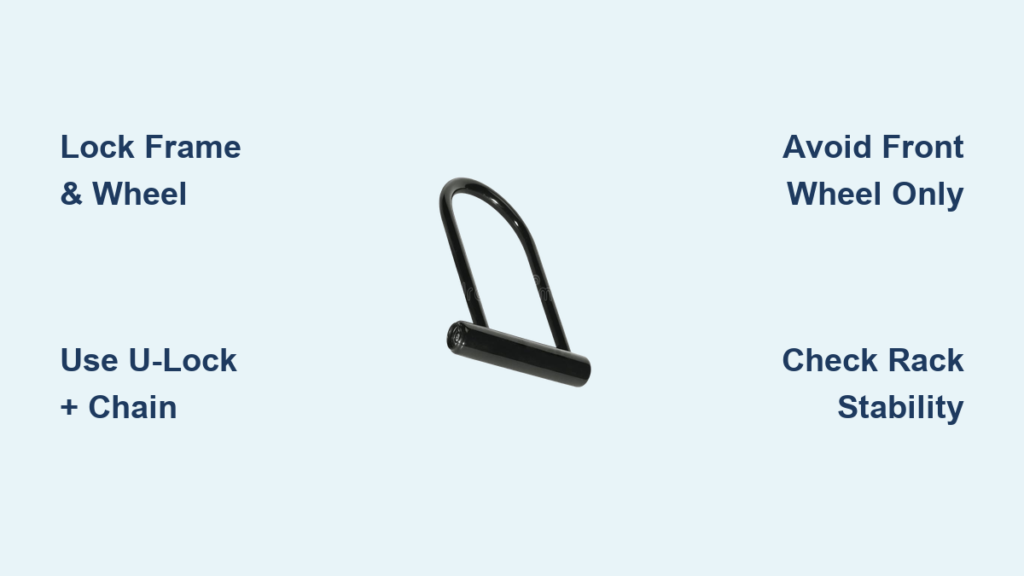
U-locks dominate scooter security with 4″ x 8″ minimum dimensions to straddle both frame and rack. Their rigid steel shackles resist leverage attacks that shatter cheaper alternatives. For wave or grid racks, chain locks with 8mm+ hexagonal links slide through awkward angles while nylon sleeves prevent frame scratches. Folding locks offer U-lock strength in pocket-sized packages—ideal when portability matters. Never rely solely on cable locks; their thin cables snap in seconds. Use them only to secure wheels or accessories after locking your frame.
Lock Security Ratings Explained
Prioritize Sold Secure Gold rated locks in urban centers where thieves use angle grinders. Suburban riders can opt for Sold Secure Silver models, but verify European ART 5-star ratings if traveling abroad. Ratings aren’t marketing fluff—they reflect real-world resistance to cutting tools. A Gold-rated U-lock withstands 10+ minutes of sustained attack versus Silver’s 5-minute average. Check manufacturer test videos before buying; many “premium” locks fail basic bolt cutter tests.
Identify Secure Bike Rack Locations
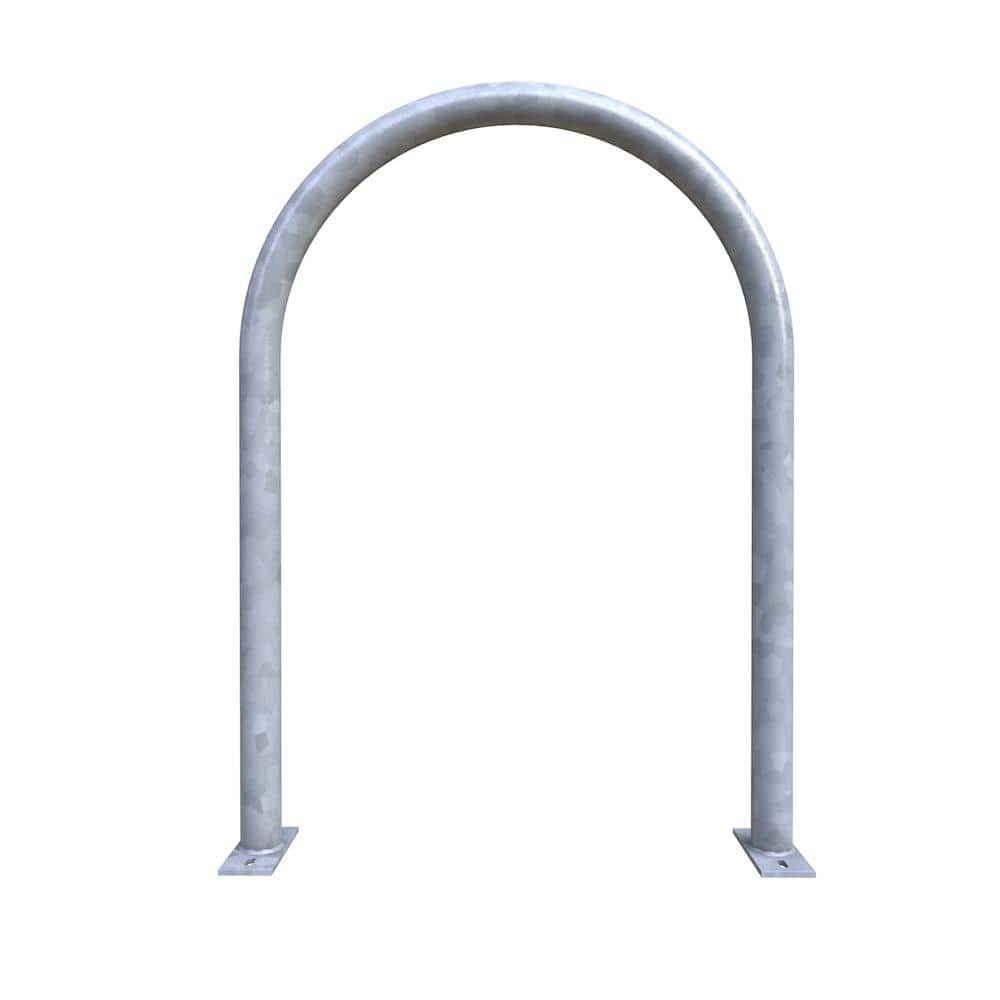
Rack Types and Locking Strategies
Inverted U racks demand parallel positioning—thread your lock through the frame triangle AND horizontal bar simultaneously. Locking to just one post creates a pivot point for leverage attacks. With wave racks, exploit inner curves where thieves can’t fit cutting tools. Angle your scooter perpendicular to the rack’s peak for maximum protection. For grid racks, target thick intersection points by threading through multiple bars. Avoid outer edges where bolt cutters access the shackle. Post and ring racks require locking through both ring sections while keeping the scooter flush against the post—otherwise, thieves lift the entire unit over the top.
Lock Electric Scooters Correctly
Pre-Locking Assessment
Before securing your scooter, yank firmly on the rack’s base—any movement means it’s bolted into loose soil, not concrete. Scan for fresh cut marks on metal surfaces; these indicate active theft hotspots. Position within 20 feet of security cameras and avoid landscaping that creates blind spots. In high-theft zones, never park where fewer than 10 pedestrians pass hourly—statistics show these areas see 45% more thefts.
Step-by-Step Locking Process
- Retract your kickstand and position the scooter parallel to the rack
- Thread your U-lock through the main frame triangle where steering meets deck
- Capture both rack and frame in one seamless passage—no gaps for tools
- Point the keyway downward to block drilling attempts
- Secure removable parts like external batteries with a cable lock
Critical mistake: Leaving batteries attached. A thief can steal a $200 battery in 30 seconds—either remove it or use a dedicated battery lock. After locking, shake the scooter aggressively; if it moves freely, reposition your lock.
Secure Kick Scooters and Folding Models
Frame Configuration Steps
Extend the steering column fully and engage its lock mechanism. Position your scooter at a 45-degree angle to the rack—this creates dual anchor points while preventing folded theft. For folding models, ensure your lock physically blocks the folding latch from disengaging. The sweet spot is where the deck meets the stem; this thick junction resists cutting better than thinner tubes.
Locking Execution
Pass your lock through the main frame at the deck-stem junction while simultaneously capturing the rack. For folding scooters, run the lock through the folded mechanism itself—this stops thieves from carrying it away compactly. Pro test: Attempt to fold your scooter after locking. If the latch releases completely, reposition your lock to obstruct the folding motion. Always remove phone mounts or bags; these become theft catalysts that draw attention to your ride.
Advanced Security Configurations

Double U-Lock Method
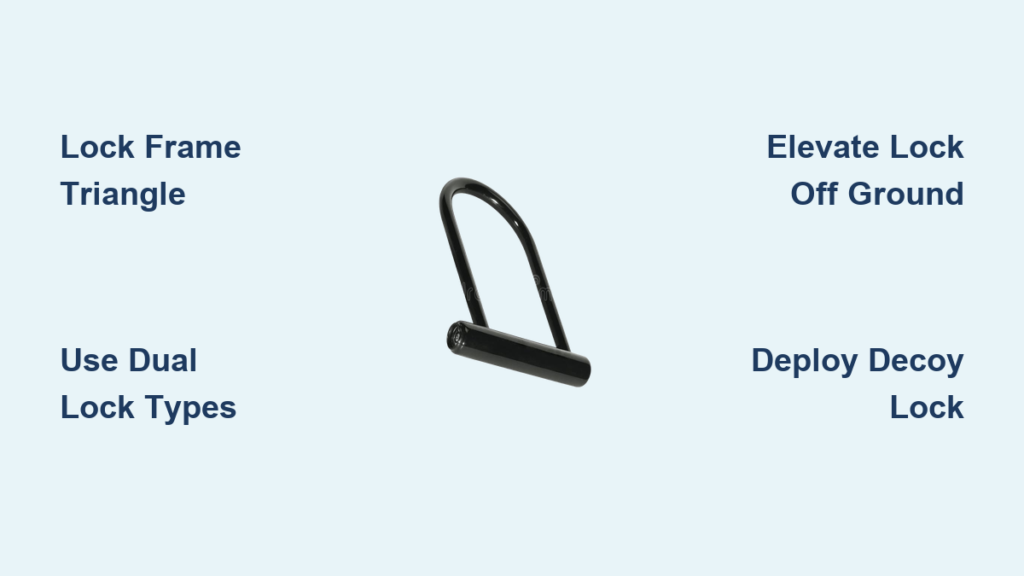
In high-risk areas, deploy two U-locks: the first secures frame-to-rack, while the second locks the rear wheel to the frame. This creates a fail-safe—if a thief cuts the primary lock, they still can’t ride away. Position locks on opposite sides of the rack to prevent simultaneous lever attacks.
Triangle Locking Technique
Thread one lock through three critical points: the main frame tube, a front wheel spoke, and the rack structure. This configuration prevents frame theft AND wheel removal. Ensure the wheel spoke is near the hub (not the rim) for maximum leverage resistance.
Prevent Common Theft Vulnerabilities
Attack Vector Mitigation
Leverage attacks exploit gaps between lock and surfaces. Eliminate space by choosing racks where your lock sits flush against both metal surfaces. For cutting attacks, position the thickest part of your U-lock shackle outward—thieves target thinner sections first. With lifting attacks, select racks embedded in concrete, not pavers; loose bases get pried up in under 2 minutes.
Environmental Security Factors
- Lighting: Park only where motion-sensor lights activate at night—dim areas increase theft risk by 67%
- Foot traffic: Opt for racks near store entrances where >15 people pass hourly
- Camera coverage: Stand where security cameras have clear sightlines; blind spots see 89% more thefts
- Ground stability: Avoid racks on soil or gravel—concrete-anchored units resist removal
Daily Lock Maintenance Protocol
Quick Inspection Checklist
Examine your lock daily for fresh scratches near the shackle or keyway—these indicate tampering attempts. Test functionality by locking/unlocking 3 times; sticking mechanisms signal internal damage. Inspect keys for tip wear—if metal is flattened, replace immediately to avoid breakage inside the lock.
Weekly Security Audit
Apply firm pressure to rack joints—new looseness suggests attempted removal. Check lock shackles for hairline cracks, especially near rivets. Replace any lock showing deformation; even minor damage reduces cutting resistance by 50%. Under daily use, U-locks last 2-3 years—harsh weather cuts this in half.
Emergency Response Procedures
Lock Failure Protocol
If your lock jams: Don’t force the key—this risks breaking it inside. Instead, contact your lock manufacturer’s roadside assistance (included with most premium brands). Carry a spare key in your wallet or use combination backups. Save local bike shop numbers that offer lock removal services—they often assist scooter owners.
Theft Response Steps
Report to police within 60 minutes—recovery rates drop 75% after the first hour. Document everything: photograph the empty rack, gather witness contacts, and request nearby business security footage. Notify registries like Project 529 immediately; they alert local recovery networks.
Cost-Effective Security Investment
Lock Budget Hierarchy
- $20-50: Basic cable locks ONLY for quick errands in low-crime zones
- $50-100: Mid-range U-locks (Sold Secure Silver) for daily commuters
- $100-200: Gold-rated locks with insurance coverage for $800+ scooters
- $200+: Dual-lock systems for extreme-risk areas or premium models
Insurance Integration Tips
Most insurers void claims if you use cable locks alone—insist on U-locks or chains. Photograph your locking setup for claims; insurers often require proof of proper security. Premium locks frequently lower premiums by 15-20%, making them cost-effective. Remember: A $120 lock protecting an $800 scooter costs $0.33 per day over two years—far cheaper than replacement.
Final Security Checklist
Before walking away, complete this 30-second verification:
– Frame and rack are locked through the main triangle junction
– Keyway faces downward with no upward exposure
– Removable parts (batteries, displays) are secured or removed
– Location has lighting and consistent foot traffic
– Photo taken showing locked scooter for insurance records
Master these techniques, and that bike rack transforms from a theft trap into fortress-grade parking. Your scooter stays put while you enjoy peace of mind—and that latte—knowing you’ve executed exactly how to lock a scooter to a bike rack like a security pro. No more second-guessing; just confident, theft-proof parking every time.