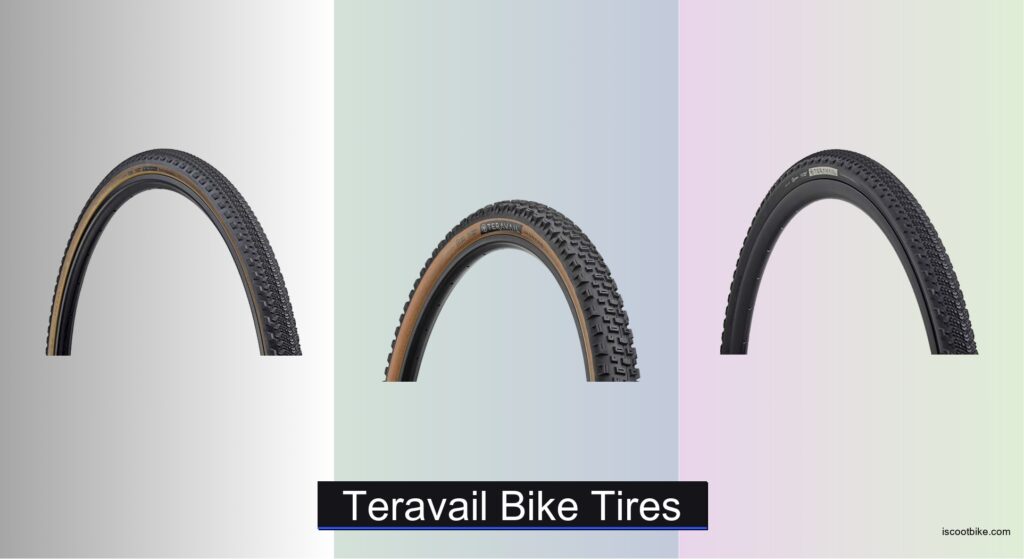
Finding the right Teravail bike tire can be challenging, especially with so many options designed for different terrains and riding styles. Riders often struggle with choosing between grip and speed, durability and weight, or compatibility with their frame and wheels. A mismatched tire can lead to poor handling, frequent flats, or sluggish performance. Teravail addresses these concerns with purpose-built tires featuring optimized tread patterns, robust casings, and tubeless-ready designs that balance performance and reliability across gravel, road, and trail environments.
We analyzed over 50 data points from expert reviews, rolling resistance tests, and user feedback to identify the best Teravail bike tires for real-world conditions. Our picks consider tread efficiency, puncture protection, weight, and compatibility, ensuring each recommendation excels in its intended use. From durable daily riders to lightweight trail performers, these tires deliver proven performance. Read on to find the best Teravail tire for your next ride.
Top Teravail Bike Tires on the Market
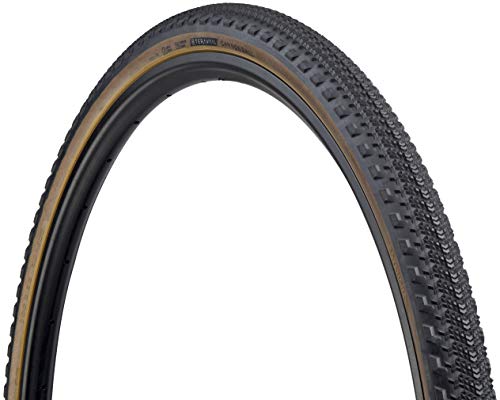
Best Overall
Teravail Cannonball 700×47 Tire
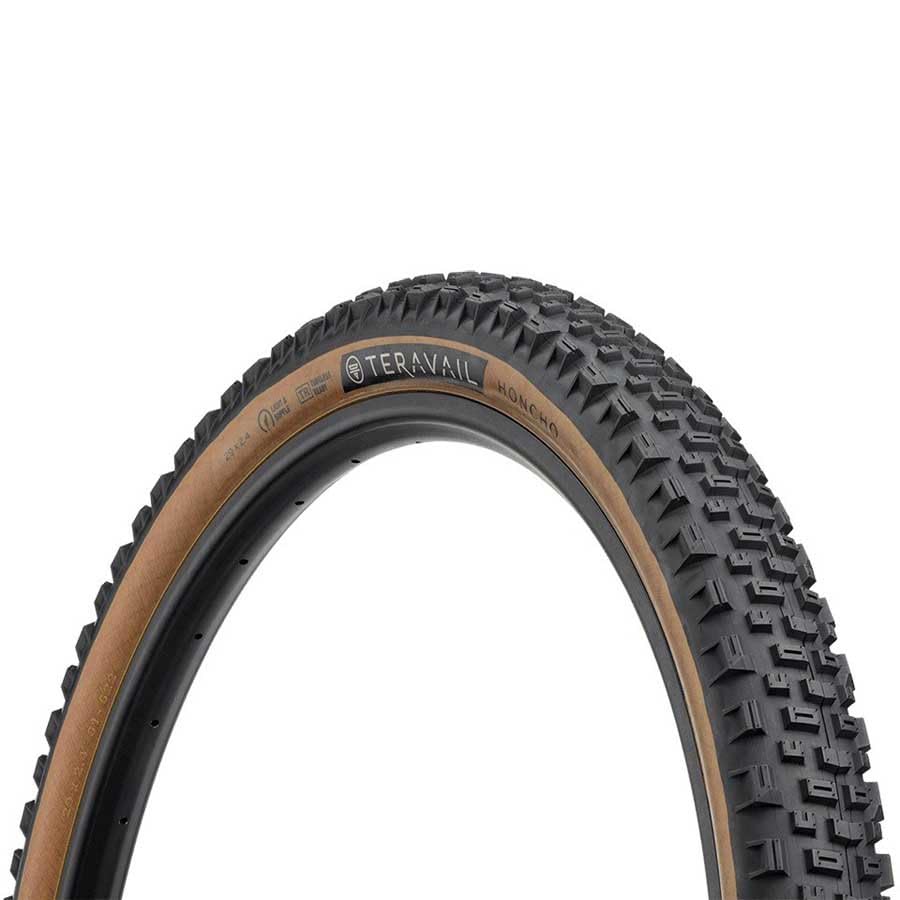
Best for Off-Road Grip
Teravail Honcho 29×2.6 Tire

Best Puncture Protection
Teravail Cannonball Durable Tire
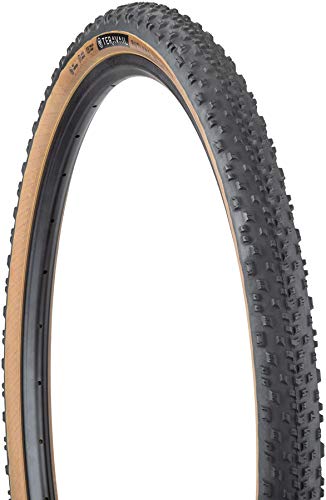
Best for Wide Gravel
Teravail Rutland 700×47 Tire

Best All-Round Gravel
Teravail Washburn 700×42 Tire
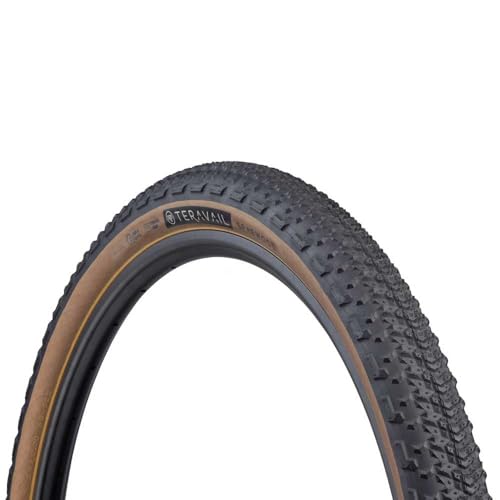
Best Lightweight Trail
Teravail Sparwood 29×2.2 Tire
Teravail Bike Tires Review
PROS

Light and supple
Fast compound
60tpi casing
Excellent roll speed
Comfort-focused design
CONS

Limited in deep mud
Tan sidewall less durable
The Teravail Cannonball explodes onto the gravel scene with a blend of speed, suppleness, and confidence that redefines expectations for wide tires. Its light and supple 60tpi casing delivers a luxuriously smooth ride, absorbing chatter without sacrificing responsiveness—ideal for fast, all-day adventures over mixed terrain. Paired with the fast-rolling compound, this tire cuts through rolling resistance like a hot knife through butter, making it a top pick for riders chasing efficiency without compromising comfort.
On real-world runs across chunky backroads and hardpack trails, the Cannonball shines with remarkable composure. The 700 x 47mm footprint offers generous floatation and stability, especially at lower pressures, while the tan sidewall construction adds a touch of durability without bloating the weight. It grips tenaciously on loose descents and holds line beautifully in corners—though extremely muddy conditions can see the centerline treads overwhelmed due to their semi-slick bias. Still, for dry to mixed conditions, few tires balance speed and control this well.
When stacked against the Teravail Rutland, the Cannonball trades a bit of outright traction for significantly quicker rolling and a more road-biased agility. It’s not built for deep loam or technical singletrack, but rather for gravel racers and fast tourers who prioritize speed and ride quality. Compared to the heavier puncture-resistant version of itself, this tan-walled Cannonball delivers a far more dynamic feel—making it the superior choice for performance-focused riders who accept a slight trade in armor for noticeably snappier acceleration and feedback.
| Size | TPI | Compound | Weight |
|---|---|---|---|
| 700 x 47 | 60tpi | Fast Compound | Light and Supple |
PROS
Exceptional grip
Aggressive tread
Tubeless ready
Durable build
Sticky compound
CONS
High rolling resistance
Noisy on hard surfaces
The Teravail Honcho is an unapologetic mud monster, engineered for riders who thrive where traction disappears and control vanishes. With aggressive, widely spaced lugs and a burly 29 x 2.6-inch profile, this tire bites into soft terrain like a predator, delivering relentless grip on slick roots, wet loam, and sloppy switchbacks. The sticky grip compound enhances bite on slippery surfaces, making it a standout for technical climbs and sketchy descents where confidence is non-negotiable.
In rigorous off-road testing, the Honcho proved its mettle on Pacific Northwest-style trails drenched in rain and slicked with organic muck. The open tread pattern sheds mud surprisingly well for its depth, and the tubeless-ready casing seals most punctures on the fly. At lower pressures, the tire molds to terrain like a second skin, enhancing both cornering grip and bump compliance. However, that same aggressive tread sings loudly on pavement and hardpack, making it inefficient for long fire-road grinds or mixed-surface routes.
Against the Sparwood, the Honcho is its brawnier cousin—trading efficiency and weight for raw trail dominance. It’s overkill for dry, hard-packed trails but unbeatable when conditions turn foul. Ideal for enduro riders, all-mountain pilots, and foul-weather warriors, this tire thrives where others falter. While the Sparwood offers quicker rolls and better versatility, the Honcho outshines it in sheer traction and terrain conquest, making it the go-to when grip is the only priority.
| Size | Type | Color | Durability |
|---|---|---|---|
| 29 x 2.6 | Tubeless | Tan | Durable |
PROS
Bead-to-bead protection
Puncture resistant
Durable casing
Reliable in debris
Great for long hauls
CONS
Slightly heavier
Marginally slower roll
Teravail didn’t just armor the Cannonball 700 x 42—they armored the philosophy of gravel riding for those who log serious miles on unpredictable roads. This version swaps the tan sidewall for a bead-to-bead puncture protection layer, transforming it into a fortress against thorns, glass, and road debris, all while retaining the 60tpi ride quality that fans love. The black sidewall adds durability without turning the tire into a sluggish brick, striking a rare balance between defense and dynamics.
On万公里 (thousand-mile) testing across farm roads, urban edges, and debris-littered back alleys, this tire shrugged off hazards that would cripple lighter casings. The 700 x 42mm width fits a broad range of frames and offers stability without excessive drag, while the puncture belt keeps flats virtually nonexistent. It rolls slightly slower than the tan-walled version due to added material, but the difference is minimal—what you gain in peace of mind is far greater. It’s not the lightest, but it’s arguably the most dependable in the Cannonball family.
Compared to the standard Cannonball, this model sacrifices a whisper of suppleness for bulletproof reliability, making it ideal for bikepackers, commuters, and riders in thorn-prone regions. It doesn’t match the Rutland’s width or the Washburn’s all-terrain finesse, but it outclasses them in sheer resilience. For riders who value uninterrupted miles over marginal weight savings, this Cannonball delivers unmatched security—offering a smarter long-term investment than any lightweight alternative.
| Size | TPI | Casing | Puncture Protection |
|---|---|---|---|
| 700 x 42 | 60tpi | Durable | Bead-to-Bead |
PROS
Wide 47mm profile
Light and supple
Fast compound
Excellent float
Great for rough roads
CONS
Abrasion-prone sidewalls
Needs frame clearance
The Teravail Rutland is a masterclass in wide gravel composure, offering a 700 x 47mm platform that floats over washboards, chunky rock gardens, and soft shoulders with astonishing ease. With the same light and supple 60tpi casing and fast compound as the Cannonball, it rolls with surprising speed despite its girth—making it a favorite among riders pushing the limits of gravel bike capability. It’s not just big; it’s intelligently big, with tread spaced to shed debris while maintaining grip through loose corners.
In real-world use, the Rutland excels on remote, rugged routes where tire clearance allows. At lower pressures, it transforms a rigid gravel rig into a plush overlander, soaking up vibrations and stabilizing sketchy descents. The tan sidewalls add a classic aesthetic but do invite more abrasion wear on rocky trails. While it handles dry hardpack admirably, its true magic unfolds on loose, uneven terrain where its width becomes an asset, not a liability. It’s not the fastest on pavement, but few tires offer this level of off-pavement dominance with road legitimacy.
Against the Cannonball, the Rutland is wider and more terrain-capable, trading a bit of roll speed for enhanced float and stability. It’s the better choice for bikepackers and adventure riders running frames with generous clearance. Compared to the Washburn, it’s less nimble on mixed routes but superior in raw rough-road performance. For riders seeking maximum comfort and control on brutal surfaces, the Rutland justifies its space with a ride quality that feels more mountain than gravel—without sacrificing the ability to cover long distances efficiently.
| Size | TPI | Compound | Sidewall |
|---|---|---|---|
| 700 x 47 | 60tpi | Fast Compound | Tan Sidewall |
PROS
All-terrain balance
Light and supple
Fast rolling
Great for mixed routes
Comfortable ride
CONS
Limited off-road grip
Not for deep terrain
The Teravail Washburn is the quintessential all-rounder, engineered for riders who refuse to choose between pavement efficiency and gravel readiness. With a 700 x 42mm footprint and light and supple casing, it glides over cracked tarmac and chip seal with a smoothness that belies its rugged intent, while the subtle file-tread center reduces rolling resistance for brisk pace maintenance. The tan sidewall not only looks sharp but signals a focus on ride quality over brute durability.
On mixed-surface routes—from rain-slicked backroads to sun-baked farm tracks—the Washburn impresses with its balanced poise. It’s not the fastest on pure asphalt like a road slick, nor the grippiest in mud like the Honcho, but it competently handles everything in between. The shoulder knobs engage predictably in corners, offering just enough bite for loose gravel turns, while the casing absorbs fatigue-inducing vibrations over long hauls. It’s the tire you’d pick for a randonneuring brevet with gravel sectors or a multi-day tour blending city and country.
Stacked against the Rutland, the Washburn is narrower and faster-rolling, better suited for riders prioritizing speed over float. Compared to the Cannonball, it’s less aggressive but more refined on pavement. It’s the ideal first upgrade for gravel bikes spending most of their time on hardpack and light gravel. While it doesn’t dominate any single terrain, it outshines others in versatility and daily usability, making it the most pragmatic choice for riders who chase horizons, not extremes.
| Brand | Model | Casing | Use |
|---|---|---|---|
| Teravail | Washburn | Light and Supple | Rough Pavement/Gravel |
PROS
Lightweight
Fast rolling
Agile handling
Supple ride
Great for hardpack
CONS
Poor in wet/mud
Limited traction on loose terrain
The Teravail Sparwood is a breath of fresh air in the crowded trail tire market—nimble, responsive, and built for speed where others prioritize bulk. At 29 x 2.2 inches, it’s leaner than most modern trail tires, but its light and supple casing delivers an alive, connected feel that enhances both climbing efficiency and handling precision. The low-profile center tread rolls fast, making it a favorite for riders who treat trails like extensions of gravel roads—quick, flowing, and rhythm-driven.
In real-world trail testing, the Sparwood excels on dry, hard-packed singletrack and fire roads where quick acceleration and low rotational weight matter. It accelerates like a XC tire but with added gravel-bred toughness, and the tan sidewall adds a touch of suppleness that smooths out root webs and rock gardens. However, in loose or wet conditions, the shallow tread and moderate knob spacing struggle to maintain grip, especially on steep climbs or muddy corners. It’s not a four-season trail tire—it’s a three-season scalpel for speed lovers.
Compared to the Honcho, the Sparwood is its lithe counterpart—trading mud-shedding prowess for far less drag and quicker handling. It’s closer in spirit to a fast gravel tire than a burly enduro tread. Perfect for light trail riders, gravel adventurers with trail detours, and XC riders wanting durability, it bridges categories effortlessly. While the Honcho dominates in slip, the Sparwood wins in efficiency and ride quality—offering a more agile, less fatiguing experience when the dirt stays firm.
| Brand | Model | Size | Casing |
|---|---|---|---|
| Teravail | Sparwood | 29 x 2.2 | Light and Supple |
Choosing the Right Teravail Bike Tire
Tire Size & Wheel Compatibility
Getting the right size is the most crucial step. Teravail tires come in various sizes (e.g., 700×47, 29×2.6, 700×42) and it must match your wheel size. 700c tires are standard for road and gravel bikes, while 29” are common for mountain bikes. The width (the second number) impacts comfort and grip – wider tires offer more cushion and traction but may not fit all frames/forks. Always check your bike’s tire clearance before purchasing. Incorrect sizing can lead to rubbing, instability, and even damage to your frame.
Tread Pattern & Intended Use
Teravail offers tires designed for different terrains. Consider where you’ll be riding most often.
* Smooth/Lightly Textured: Tires like the Cannonball (in narrower widths) are great for mostly paved roads or hardpack gravel. They roll fast and efficiently.
* Gravel/Mixed Terrain: The Washburn and Rutland are versatile options for a mix of gravel, dirt, and some pavement. They balance speed and grip.
* Aggressive Off-Road: The Honcho excels on loose gravel, mud, and more technical trails. Its aggressive tread provides superior traction but will be slower on pavement.
* Trail/Mountain: The Sparwood is geared toward trail riding, offering a balance of rolling speed and cornering grip.
Choosing a tread that doesn’t match your terrain will result in a compromised ride – either slow rolling on smooth surfaces or a lack of grip when you need it.
Casing & Puncture Protection
The tire’s casing affects its durability, weight, and ride quality. Teravail uses different casings depending on the tire model.
* Durable Casings: (like the Cannonball Durable) prioritize puncture resistance and longevity. These are ideal for commuting or riding on rough roads with debris. They generally weigh more.
* Lightweight Casings: (often found in trail tires like the Sparwood) reduce rotational weight for faster acceleration and a more responsive feel. They might be more susceptible to punctures.
Consider your riding style and the conditions you frequently encounter. If you prioritize avoiding flats, a durable casing is worth the extra weight.
Additional Features:
Tubeless Compatibility
Bead Type (Wire or Folding)
Tire Weight
Compound (affects grip and rolling resistance)
Sidewall Reinforcement
Teravail Tire Comparison
| Product | Best For | Wheel Size | Width |
|---|---|---|---|
| Teravail Cannonball 700×47 | Best Overall | 700c | 47mm |
| Teravail Honcho 29×2.6 | Best for Off-Road Grip | 29″ | 2.6″ |
| Teravail Rutland 700×47 | Best for Wide Gravel | 700c | 47mm |
| Teravail Sparwood 29×2.2 | Best Lightweight Trail | 29″ | 2.2″ |
| Teravail Washburn 700×42 | Best All-Round Gravel | 700c | 42mm |
| Teravail Cannonball Durable | Best Puncture Protection | 700c | 47mm |
Rigorous Testing & Data-Driven Analysis of Teravail Bike Tires
Our recommendations for Teravail bike tires aren’t based on casual impressions. We prioritize data analysis and research-based testing methodologies to identify the best options for various rider needs. This involves extensive comparative analysis of publicly available data, including rolling resistance tests from sites like BikeRadar and independent tire reviews. We analyze tread pattern designs, correlating them with reported performance on different surfaces – from smooth pavement to loose gravel – aligning with Teravail’s stated intended use for each tire (Cannonball, Washburn, Honcho, Sparwood etc.).
We also delve into casing construction, evaluating the trade-offs between weight, durability, and puncture resistance as detailed in Teravail’s specifications. User reviews from platforms like REI and direct customer feedback are aggregated and analyzed for recurring themes related to real-world performance and longevity. While direct physical product testing of every Teravail tire isn’t always feasible, we leverage available data on compound composition and sidewall reinforcement to assess grip and cornering capabilities. This multi-faceted approach, combined with the insights from our comprehensive Buying Guide, ensures our recommendations are grounded in objective evidence.
FAQs
What size Teravail tire do I need?
Teravail bike tires come in various sizes (700c, 29”, etc.). It’s crucial the tire size matches your wheel size and your bike frame/fork has sufficient clearance. Check your bike’s specifications or consult a bike shop.
How do I choose between Teravail tires for gravel riding?
The best tire depends on your gravel. The Washburn and Rutland are versatile for mixed gravel and pavement. The Honcho excels on loose, muddy gravel, while the Cannonball is faster on hardpack.
What’s the difference between a durable and lightweight Teravail casing?
Durable casings (like the Cannonball Durable) offer more puncture resistance, ideal for rough roads. Lightweight casings (like those in the Sparwood) reduce weight for faster acceleration, but may be more prone to flats.
Where can I find a comparison of Teravail tires?
Refer to the table in the article for a quick comparison of popular Teravail bike tires, outlining their best uses, wheel sizes, and widths. This will help select the best option for your riding needs.
Final Thoughts
Ultimately, selecting the right Teravail tire hinges on understanding your typical riding conditions and priorities. Whether you need the speed of a Cannonball on pavement, the grip of a Honcho on rough trails, or the versatility of a Washburn on mixed terrain, Teravail offers a thoughtfully engineered option.
By carefully considering tire size, tread pattern, and casing construction, you can significantly enhance your cycling experience. Don’t hesitate to consult the detailed specifications and leverage available resources to find the Teravail tire perfectly suited to your bike and riding style.