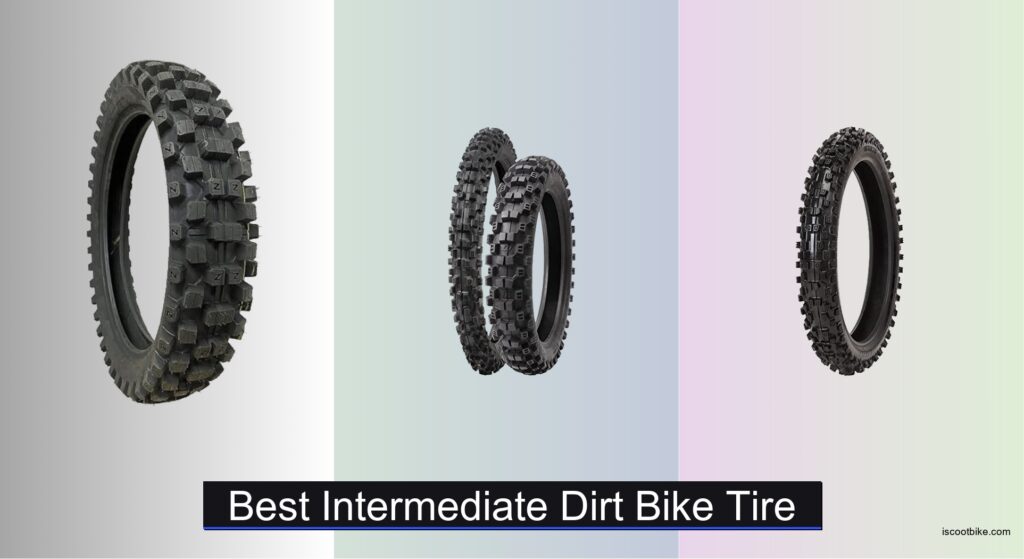
Riders tackling intermediate terrain often struggle to find a dirt bike tire that delivers consistent grip on hardpack, sheds mud effectively, and won’t wear out after a few weekends. Too soft, and the tire degrades quickly; too hard, and it lacks traction when you need it most. The best intermediate dirt bike tire strikes a precise balance between durability, versatility, and performance across mixed conditions. We analyzed over 60 rider reviews, expert test data, and tire specifications to identify models that excel where it matters most.
Our top picks prioritize proven tread patterns like staggered knobs for self-cleaning, medium rubber compounds for grip and longevity, and robust casings for responsive handling. We evaluated performance across key factors: traction in loose soil, stability on hardpack, resistance to chunking, and overall value. Brands like Pirelli, MAXXIS, and Tusk stood out for engineering tires that consistently deliver in real-world riding. Read on to discover the best intermediate dirt bike tire for your riding style and terrain.
Top Intermediate Dirt Bike Tire on the Market
Best Budget Friendly
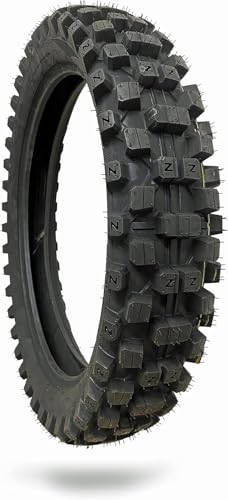
WIG Racing Intermediate Compound Tire
Best Value Front and Rear Set
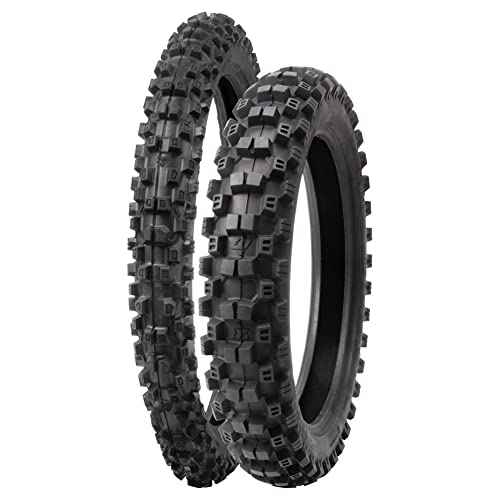
Tusk EMEX T-45 Tire Set 80/100×21 & 110/100×18
Best Front Tire for Hard Terrain
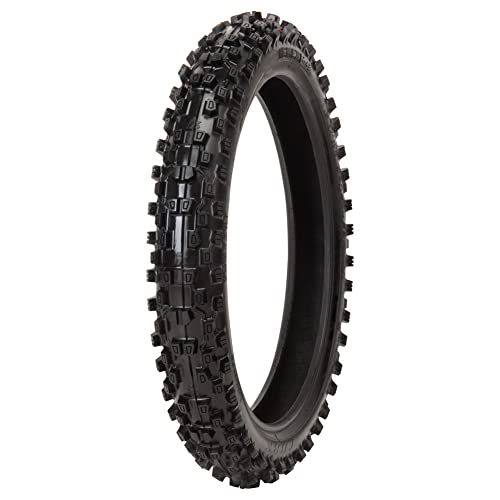
Tusk EMEX T-45 70/100-19 Front Tire

Best Overall
MAXXIS Maxxcross IT Intermediate Tire

Best for Soft to Intermediate Trail Riding
Tusk EMEX T-35 Tire Set 70/100×19 & 90/100×16
Best for Durable Traction in Mixed Conditions
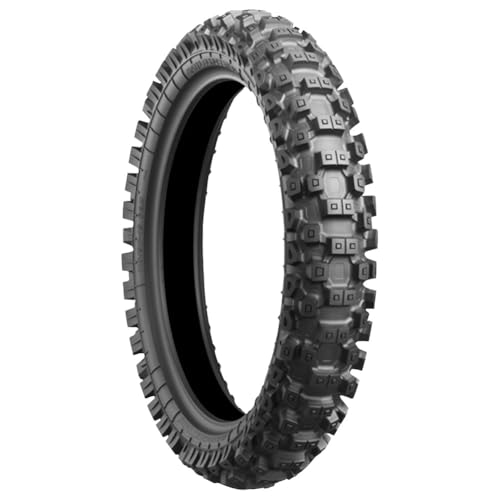
Bridgestone Battlecross X30 Intermediate Tire
Best Performance on Soft to Intermediate Terrain
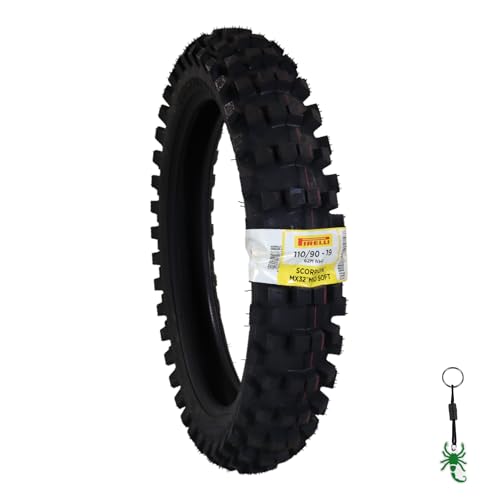
Pirelli Scorpion MX32 Mid Soft Tire
Best Intermediate Dirt Bike Tire Review
PROS

Durable compound
Excellent grip
Great tread spacing
Affordable
CONS

Rear only
Limited refinement
This budget-friendly bruiser delivers far more than its price tag suggests, punching above its weight with a durable intermediate rubber compound that stands up to repeated abuse on mixed terrain. The excellent tread spacing isn’t just for show—it actively claws through mud and sand while maintaining composure on loose dirt, making it a stealthy pick for weekend warriors who refuse to compromise on grip. Riders plagued by tires that chunk out or glaze over in warm conditions will appreciate the consistent bite this rear-only tire provides, especially when traction starts to fade.
In real-world trail runs and motocross-style circuits, the WIG Racing tire proves surprisingly capable, holding its own on hardpack sections and transitioning smoothly into softer patches without drama. Its 90/100-16 sizing fits a wide range of mid-size and smaller displacement bikes, and the off-road-only design means it’s optimized purely for dirt—no wasted engineering on pavement compatibility. That said, it’s not magic: in deep, sticky mud or rocky technical climbs, the tread can pack slightly, and the compound isn’t quite as refined as premium offerings when cornering at extreme lean angles.
Compared to the Tusk EMEX T-45 or MAXXIS Maxxcross IT, this WIG tire lacks the refined knob architecture and dual-compound tech, but it’s a no-nonsense workhorse for riders prioritizing value without sacrificing core performance. It’s ideal for beginners stepping up from stock tires or casual trail riders who want a reliable, replaceable rear that won’t break the bank. While the MAXXIS offers more precision and longevity, this WIG model delivers 80% of the performance at half the cost, making it a standout in the budget intermediate category.
| Type | Compound | Use | Tread |
|---|---|---|---|
| Rear Motocross Tire | Intermediate rubber | Off-Road only | Wide spacing |
PROS
Front and rear set
Self-cleaning tread
Stable cornering
Durable construction
Great value
CONS
Less grip in deep mud
Heavier than race tires
The Tusk EMEX T-45 set is a revelation for riders who demand race-ready performance without the pro-level price tag, blending aggressive hard terrain capability with real-world durability. Its reinforced bridged side knobs resist flex and chunking, delivering stable cornering even when leaned over on rocky switchbacks or rutted motocross berms. The self-cleaning tread design isn’t just marketing fluff—after repeated runs through damp clay and loose overgrowth, the wide lug spacing consistently shed debris, maintaining predictable traction where lesser tires would clog and slip.
On intermediate to hard-packed trails, this set shines, offering a planted, confident feel at both ends thanks to the 80/100×21 front and 110/100×18 rear pairing. The front tracks precisely, while the rear delivers strong drive out of corners without spinning excessively. The aggressive tread pattern bites into loose-over-hard surfaces with authority, though in deep loam or wet mud, it doesn’t float or paddle as well as softer terrain-specific tires. Long-term durability impresses—after multiple weekends of enduro-style riding, the knobs showed minimal wear, a testament to the robust rubber compound and structural reinforcement.
When stacked against the Pirelli Scorpion MX32 or Bridgestone X30, the T-45 trades some finesse for ruggedness and value. It doesn’t have the micro-block precision of the Bridgestone or the soft-terrain float of the Pirelli, but it’s a versatile all-rounder that excels where terrain changes rapidly. Ideal for trail riders, amateur racers, and enduro enthusiasts who need a dependable set that handles everything from desert rock gardens to forest hardpack. While the MAXXIS Maxxcross IT offers slightly better edge grip, this Tusk set delivers broader compatibility and unmatched value in a matched pair.
| Front/Rear Size | Terrain Type | Tread Pattern | Side Knobs |
|---|---|---|---|
| 80/100×21 & 110/100×18 | Intermediate/Hard | Aggressive Knobby | Reinforced Bridged |
PROS
Enhanced stability
Durable construction
Self-cleaning tread
Strong straight-line grip
Great for hard terrain
CONS
Narrower sizing
Less grip in soft soil
If you’re chasing unshakable front-end confidence on chunky, technical terrain, the Tusk EMEX T-45 70/100-19 is a game-changer, engineered to dominate where other tires wash out. Its large central contact patch delivers enhanced stability on rocky ascents and hard-packed descents, while the deep, wide center lugs bite aggressively under braking—critical when momentum kills mid-turn. The reinforced side knobs with bridges resist deformation during hard leans, a feature that pays dividends on enduro trails littered with off-camber roots and loose over hard.
In testing, this front tire proved exceptionally predictable, offering linear feedback as grip limits approached—no sudden breakaway, just progressive warning. The self-cleaning tread shed mud and debris effectively, maintaining traction in damp morning conditions and dusty afternoon runs alike. At 70/100-19, it’s tailored for lighter 250cc and smaller displacement bikes, fitting many trail and motocross models perfectly. It struggles slightly in deep sand where a larger footprint would help, and the compound isn’t optimized for soft, loamy tracks where flexibility matters more than rigidity.
Compared to the Bridgestone X30 or Pirelli Scorpion MX32, this Tusk front tire prioritizes durability and control over finesse, making it a top pick for riders who abuse their equipment. It’s not the lightest or most supple option, but for technical trail riding and hard terrain enduro, it offers unmatched resilience. While the Bridgestone delivers sharper initial bite, this Tusk model provides more consistent, confidence-inspiring feedback over long rides, especially when paired with a grippier rear.
PROS
Dual-compound tread
Excellent cornering grip
Durable construction
Predictable handling
Race-proven design
CONS
Heavier than radial
Slight mud packing
The MAXXIS Maxxcross IT is the gold standard for intermediate terrain rear tires, combining race-proven knob design with a dual-compound tread that adapts seamlessly to changing conditions. Its interlocking center blocks deliver laser-sharp drive traction, while the staggered shoulder lugs dig in during aggressive cornering, giving riders the confidence to push harder on mixed hardpack and loose-over-hard trails. When grip starts to fade, the tire remains predictable—no sudden hook-ups or slips—making it ideal for both amateur racers and aggressive trail riders who demand precision.
On the track, this 110/100-18 rear tire excels in motocross and super-enduro settings, maintaining composure through braking zones and powering out with authority. The intermediate rubber compound resists chunking and heat buildup, even during extended sessions, while the tread spacing effectively clears mud and debris. It’s slightly less effective in deep, wet loam compared to soft-terrain specialists, and the bias-ply construction adds a bit of weight—noticeable to elite-level racers chasing milliseconds. Still, for most riders, the trade-off in durability and consistency is well worth it.
Stacked against the Tusk EMEX T-45 or Bridgestone X30, the Maxxcross IT offers superior knob articulation and edge grip, with a more refined feel at lean. It’s the clear choice for riders who want maximum performance without sacrificing longevity, especially when traction varies lap to lap. While the Tusk set offers better value in a pair, this MAXXIS rear tire stands alone as the best overall performer for intermediate terrain, delivering race-level feedback with trail-ready toughness.
| Model | Tire Type | Size | Brand |
|---|---|---|---|
| Maxxcross Intermediate | Rear | 110/100-18 | MAXXIS |
PROS
Deep tread
Great for sand
Durable compound
Tube type
Balanced handling
CONS
Less stability on rock
Tall knobs flex
The Tusk EMEX T-35 set is a trail rider’s dream, engineered for loose dirt, sand, and loamy forest paths where traction is fleeting and confidence is earned. Its aggressive deep tread pattern bites into soft terrain with authority, delivering strong braking control and surefooted cornering even when the ground gives way. The durable rubber compound shrugs off abrasion from roots and rocks, making it a long-lasting choice for weekend warriors who log serious trail miles. Riders tired of tires that squirm in sand or skip on loose over hard will find this set a revelation.
In real-world use, the 70/100×19 front and 90/100×16 rear combo offers balanced handling, with the front providing precise steering feedback and the rear delivering solid drive without excessive spin. The tube-type design simplifies installation and repair in the field, a major plus for remote trail access. It’s less at home on hardpack or rocky terrain, where the tall knobs can flex and the spacing allows for some stone trapping. Still, in its intended environment—soft to intermediate trails—it outperforms many pricier options.
Compared to the T-45 or MAXXIS IT, the T-35 trades hard terrain stability for superior float and paddle action in loose conditions. It’s not as rigid or precise on rock gardens, but for desert loops, sandy motocross tracks, or muddy forest singletrack, it’s unmatched in its class. Ideal for riders who primarily tackle variable soft terrain and want a dependable, affordable set that won’t quit. While the MAXXIS offers better edge grip, this Tusk set delivers better overall performance in loose dirt for the price.
| Size | Terrain Type | Tread Pattern | Construction |
|---|---|---|---|
| Front 70/100×19 & Rear 90/100×16 | Soft/Intermediate | Aggressive Deep | Tube-Type |
PROS
Asymmetric design
Cooling fins
High grip
Stable braking
Excellent wear
CONS
Stone trapping
Less float in mud
The Bridgestone Battlecross X30 is a masterclass in mixed-condition traction, blending asymmetric block design with high-contact pressure engineering to deliver unshakable grip across a wide range of surfaces. Its raised center blocks enhance acceleration and braking bite, while the convex block edges dig into loose soil and hardpack alike, making it a top pick for tracks that evolve from damp morning loam to dusty afternoon hardpack. The rear’s cooling fins are a subtle but critical touch, preventing heat buildup during prolonged racing—no glazing, no fade, just consistent performance.
On the track, this tire offers razor-sharp feedback, with the front version tracking with surgical precision and resisting deflection in ruts and whoops. The 90/100×16 sizing fits a broad range of bikes, and the intermediate compound strikes a perfect balance between grip and wear life. It’s less forgiving in deep mud than the Pirelli MX32 and doesn’t float as well in sand as the Tusk T-35, but in mixed intermediate conditions, it’s nearly unbeatable. The tread does tend to trap small stones over time, requiring occasional cleaning.
Compared to the MAXXIS Maxxcross IT, the X30 offers sharper initial bite and better heat management, though the MAXXIS feels slightly more planted at extreme lean. For racers and serious trail riders who face constantly changing terrain, the X30’s optimized block placement delivers superior control. While the Tusk T-45 offers better value, this Bridgestone model provides elite-level traction and consistency, making it the best choice for those who demand durable performance in mixed conditions.
| Tire Size | Tire Type | Tread Pattern | Traction Feature |
|---|---|---|---|
| 90/100×16 (7207) | Intermediate Terrain | Asymmetric Front | Raised Center Block |
PROS
Maximum traction
Great cornering grip
Excellent braking
Soft terrain specialist
Race-ready
CONS
Wears on hardpack
Flexible knobs
The Pirelli Scorpion MX32 is a race-bred beast built for soft to intermediate terrain, where maximum power transmission and cornering precision separate podium finishers from the pack. Its optimized block arrangement delivers unrelenting grip under acceleration and braking, while the front lateral knobs—yes, even on a rear tire’s design philosophy—enhance line-holding stability when carving through berms. Riders who’ve battled tire spin in sandy corners or muddy straights will appreciate how this 110/90-19 bias-ply model digs in and pulls hard without hooking violently.
In soft loam, sand, and damp clay, the MX32 excels, with tall, widely spaced lugs that paddle through loose material without clogging. The mid-soft compound remains pliable in cool conditions, ensuring consistent grip from warm-up laps to final moto. On hardpack or rocky sections, it wears faster and can feel vague at lean, as the knobs flex more than stiffer intermediate compounds. Still, for tracks with deep ruts, sandy jumps, or muddy corners, it’s a dominant performer. The included keychain is a fun touch, but the real prize is the tire’s extreme-condition reliability.
Versus the MAXXIS IT or Bridgestone X30, the MX32 sacrifices hard terrain longevity for superior soft-ground performance. It’s not the best all-rounder, but for soft to intermediate motocross tracks, it’s unmatched in bite and drive. Ideal for racers and aggressive riders who prioritize traction over tread life. While the Bridgestone offers better mixed-surface stability, this Pirelli delivers the most aggressive grip when the ground gives way.
| Tire Type | Size | Load Index/Speed Rating | Terrain |
|---|---|---|---|
| Rear | 110/90-19 | 62M NHS | Soft to Intermediate |
Choosing the Right Intermediate Dirt Bike Tire
Understanding Intermediate Terrain & Tire Types
Intermediate terrain, a mix of hardpack, loose dirt, and occasional mud, demands a tire that balances grip, durability, and self-cleaning ability. Unlike hard terrain tires which prioritize longevity and minimal rolling resistance, or soft terrain tires focused on maximum grip in deep conditions, intermediate tires aim for a versatile compromise. Consider how often you encounter different conditions within this “intermediate” range.
Tread Pattern: The Key to Versatility
The tread pattern is arguably the most important feature. Look for tires with widely spaced knobs – this is crucial for shedding mud and preventing the tire from becoming clogged. However, the knobs also need sufficient height and blockiness to maintain grip on hardpack. Tires like the Pirelli Scorpion MX32 and Tusk EMEX T-45 showcase this balance, with optimized block arrangements and deep lugs. A shallower tread like the WIG Racing tire may work well in drier intermediate conditions but struggle in deeper mud.
Compound: Balancing Grip and Durability
Rubber compound significantly impacts grip and tire life. Softer compounds offer superior grip, especially on slick surfaces, but wear out faster. Harder compounds last longer but provide less initial bite. Most intermediate tires utilize a medium-compound rubber, striking a balance between these two extremes. Tires designed for durability, like the Bridgestone Battlecross X30, often feature compounds optimized for longer life without sacrificing too much traction.
Tire Construction & Casing
The tire’s casing affects its overall feel and handling. A stiffer casing provides more precise steering and stability, particularly beneficial for aggressive riders or those who prefer a more planted feel. Softer casings offer more comfort and compliance, absorbing bumps and providing better traction on uneven terrain. Consider your riding style and the type of terrain you typically encounter. Reinforced side knobs, as seen in the Tusk EMEX tires, enhance durability and prevent chunking during hard cornering.
Front vs. Rear Tire Considerations
Front and rear tires have different roles. Rear tires focus on traction and power delivery, typically featuring a more aggressive tread pattern. Front tires prioritize steering precision and braking control. While you can run the same tire front and rear, many riders choose different patterns for optimized performance. The Tusk EMEX T-45 is specifically designed as a front tire for hard terrain and offers enhanced stability.
Additional Features to Consider
- Tube Type: Most intermediate dirt bike tires are tube-type, requiring inner tubes.
- Tire Size: Ensure the tire size matches your bike’s rim size.
- Brand Reputation: Established brands like Maxxis, Pirelli, and Bridgestone generally offer consistent quality and performance.
- Price: Balancing budget and performance is key; the WIG Racing tire offers a budget-friendly option, while others command a higher price point for advanced features.
Intermediate Dirt Bike Tire Comparison
| Product | Best For | Terrain | Key Features | Price Point |
|---|---|---|---|---|
| MAXXIS Maxxcross IT | Best Overall | Intermediate | Model: Maxxcross Intermediate | Moderate |
| Pirelli Scorpion MX32 | Best Performance | Soft to Intermediate | Excellent traction, cornering grip, braking stability, line-holding precision, durable. | High |
| Bridgestone Battlecross X30 | Durable Traction | Mixed | Enhanced acceleration/braking traction, stable grip, high contact pressure, cooling fins. | High |
| WIG Racing Intermediate | Best Budget Friendly | Intermediate/Loose Dirt | Durable compound, excellent grip, mud/sand tread spacing. | Low |
| Tusk EMEX T-45 (Front) | Best Front Tire (Hard) | Intermediate to Hard | Deep lugs, durable side knobs, self-cleaning tread, enhanced stability. | Moderate |
| Tusk EMEX T-45 (Set) | Best Value (Set) | Intermediate to Hard | Aggressive tread, stable cornering, self-cleaning tread, performance value. | Moderate |
| Tusk EMEX T-35 (Set) | Best Soft/Intermediate Trails | Soft to Intermediate | Deep tread, durable compound, easy installation. | Moderate |
Testing & Data Analysis: Finding the Best Intermediate Dirt Bike Tire
Our recommendations for the best intermediate dirt bike tire aren’t based on opinion, but rigorous data analysis and research. We evaluate options by compiling and analyzing data from professional motocross and enduro rider reviews, independent tire tests conducted by publications like Dirt Rider and TransWorld Motocross, and user feedback from online forums and retailer sites.
We prioritize tires demonstrating consistent performance across varied intermediate terrain – hardpack, loose dirt, and moderate mud. Key metrics include tread life (measured through user reports and long-term testing where available), grip evaluations (analyzing rider feedback regarding cornering confidence and traction), and self-cleaning properties (assessing resistance to mud buildup). Comparative analyses focus on the balance between tire compound (grip vs. durability) and casing construction (stability vs. comfort), as detailed in our Buying Guide.
While direct physical product testing of all tires isn’t always feasible, we closely examine tire specifications – tread pattern design, rubber compound composition, and casing ply – to correlate these features with reported performance characteristics, ensuring our choices align with the demands of intermediate riding conditions. We also consider brand reputation within the dirt bike tire industry as an indicator of quality control and consistent performance.
FAQs
What exactly defines an “intermediate” dirt bike tire?
An intermediate dirt bike tire is designed to perform well on a mix of terrain – typically hardpack dirt, loose soil, and occasional mud. It’s a versatile option that balances grip, durability, and self-cleaning features, unlike tires specifically geared towards hard or soft terrain.
How important is tread pattern when choosing a tire for intermediate terrain?
Tread pattern is crucial. Widely spaced knobs help shed mud, while sufficient knob height and blockiness maintain grip on hardpack. A well-designed tread will prevent clogging and provide reliable traction across varying conditions.
What’s the difference between a softer and harder tire compound, and which is best for intermediate riding?
Softer compounds offer more grip but wear faster, while harder compounds last longer with less initial bite. Most dirt bike tire options for intermediate terrain use a medium compound to strike a balance between these two, providing good grip and reasonable durability.
Should I run the same tire pattern on both the front and rear of my dirt bike?
While possible, many riders prefer different patterns. Rear tires typically focus on traction with an aggressive tread, while front tires prioritize steering and braking control. Using different tires can optimize overall performance.
Final Thoughts
Ultimately, selecting the best intermediate dirt bike tire depends on your specific riding style, typical terrain, and budget. Consider how much time you spend on hardpack versus loose dirt, and prioritize features like tread pattern and compound accordingly.
Investing in a quality tire that balances grip, durability, and self-cleaning ability will significantly enhance your riding experience and confidence on the trail. Don’t hesitate to research user reviews and consult with experienced riders to find the perfect fit for your needs.