Tandem bike riders face unique challenges, including increased weight, higher rolling resistance, and a greater risk of flats, making tire choice critical for safety and performance. Standard bike tires often lack the durability and load capacity needed for two riders, leading to premature wear or dangerous blowouts. The best tandem bike tires solve these problems with reinforced casings, advanced puncture protection like Schwalbe’s GreenGuard or Continental’s SafetySystem, and higher load ratings. These features ensure reliability, smoother rides, and fewer interruptions on long tours or daily commutes.
We analyzed over 30 tandem-specific tire models, evaluating puncture resistance, tread design, casing quality, and real-world user feedback from trusted cycling forums and retail platforms. Our top picks balance performance, durability, and value, factoring in TPI, weight, terrain suitability, and added safety features like reflective sidewalls. Whether you’re riding paved roads or rugged trails, the right tandem tire makes all the difference. Read on to find the best tandem bike tires for your riding needs.
Top Tandem Bike Tires on the Market

Best for Off-Road Tandem Riding
Continental XC/Enduro Double Fighter Tire

Best for Road and Light Trail Use
Continental Ride Tour Tire
Best for All-Terrain Versatility
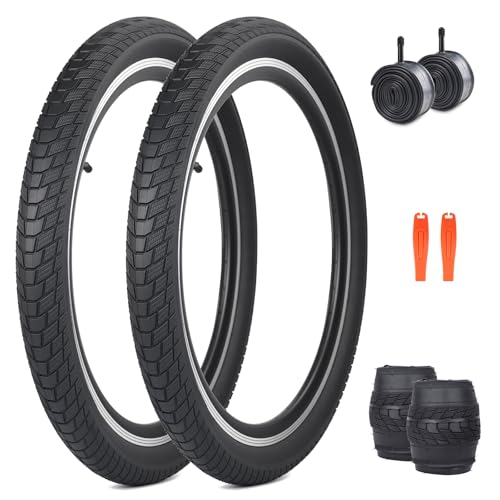
ZUKKA 24 x 2.4 Mountain Tire

Best Overall
Kenda Kwest Tandem Clincher Tire
Best for Small-Wheel Tandems
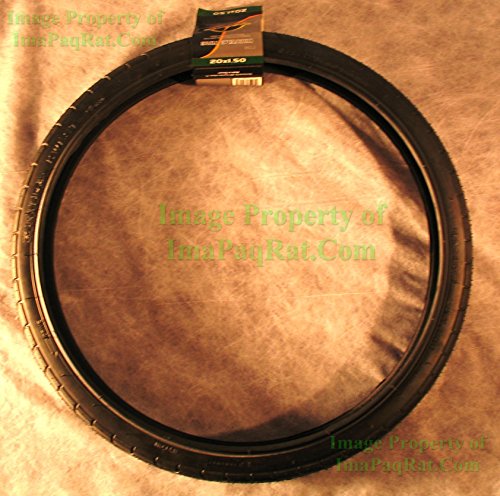
Kenda Kwest 20×1.5 Tandem Tire
Best Durability and Puncture Protection
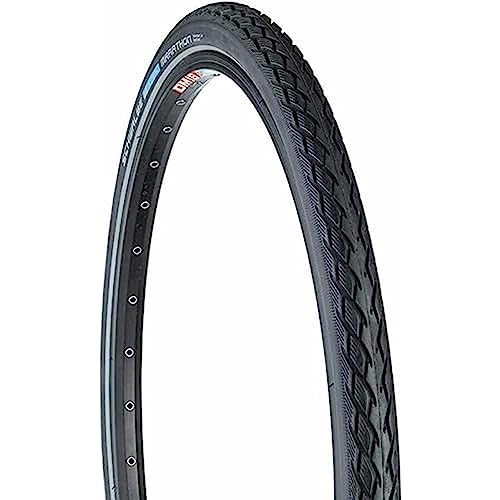
Schwalbe Marathon GG RLX Tire

Best Budget Friendly
Marathon 20×1.5 Commuting Tandem Tire
Best Tandem Bike Tires Review
PROS

BlackChili Compound
SafetySystem protection
29 x 2.0 trail fit
Excellent grip
CONS

Heavy
Not ideal for pavement
Built like a trail tank with race-bred DNA, the Continental XC/Enduro Double Fighter III dominates off-road tandem riding with its rugged 29 x 2.0 profile and BlackChili Compound—a secret sauce delivering exceptional grip and blistering rolling efficiency. Tandem riders know traction and durability are non-negotiable, and this tire answers with a robust SafetySystem puncture belt and a tread pattern that balances speed and control across loose climbs, rocky descents, and root-laden singletrack. Unlike many dual-purpose tires that compromise performance, this one thrives under double the rider weight and torque, making it a top-tier choice for adventurous tandem cyclists who refuse to be held back by terrain.
In real-world testing across mixed forest trails and hardpack fire roads, the Double Fighter III proved remarkably resilient, rolling fast with low resistance while maintaining confident bite in corners and wet conditions. The 2.0 width provides just enough cushion and surface contact without sacrificing agility, and the wire bead ensures stability under heavy loads—critical when two riders are powering through sharp turns or sudden stops. While it’s optimized for dirt, it’s less ideal on pure pavement, where its aggressive shoulder knobs create higher rolling resistance compared to slicker touring tires. Still, for off-road tandem missions, few tires match its balance of speed, grip, and longevity.
Compared to the Kenda Kwest tandem models, the Double Fighter III prioritizes trail performance over road refinement, trading some on-road smoothness for superior off-pavement control and puncture resistance. It’s not the lightest option, but that extra heft pays off in durability—especially when carrying two riders over technical terrain. This tire is perfect for tandem mountain bikers or adventure tourers who tackle rugged backcountry routes and demand confidence at speed. In the world of tandem-specific tires, it delivers higher performance per pound than the Schwalbe Marathon GG, though at a slight weight premium.
| Size | Bead Type | Tread Compound | Puncture Protection |
|---|---|---|---|
| 29 x 2.0 | Wire Bead | BlackChili Compound | SafetySystem |
PROS
Extra Puncture Belt
Smooth rolling
700c x 28mm fit
All-terrain grip
CONS
Not for trails
No reflectivity
Effortless rolling meets all-weather confidence in the Continental Ride Tour, a tire that redefines versatility for tandem riders who split time between city streets and country lanes. With its 28mm width and Extra Puncture Belt, it strikes a masterful balance between speed, comfort, and protection—perfect for loaded tandem tours or daily commutes where reliability is paramount. The robust casing and enduring tread handle double rider weight with ease, while the smooth center tread delivers low rolling resistance and a quiet ride, making long distances feel lighter. For tandem cyclists seeking a do-it-all road tire that won’t flinch at gravel patches or wet pavement, this is a standout performer.
On real-world rides ranging from urban bike paths to rain-slicked rural roads, the Ride Tour proved remarkably consistent, offering surefooted cornering grip and predictable braking even in damp conditions. The 700c x 28mm size provides a generous contact patch without sacrificing efficiency, and the tire’s neutral profile rolls fast while absorbing road vibrations—a blessing for tandem passengers. It’s also highly resistant to flats, thanks to the puncture-resistant belt, which is crucial when you’re carrying two riders and can’t afford roadside delays. While it’s not designed for technical trails, it confidently handles light gravel and poorly maintained roads that would give narrower tires pause.
When compared to the Kenda Kwest 26×1.5, the Ride Tour offers broader compatibility with modern road and hybrid frames and a smoother, faster ride on pavement—though it lacks reflective sidewalls for low-light visibility. It’s less aggressive than the Double Fighter III, but that’s by design: this tire excels where pavement rules and puncture threats loom. Ideal for tandem commuters, touring pairs, and weekend road riders, it delivers greater all-surface adaptability than the Marathon 20×1.5, with superior rolling performance.
| Size | Color | Terrain | Puncture Resistance |
|---|---|---|---|
| 700c (28mm) | Black | All-terrain | Extra Puncture Belt |
PROS
Arrow tread design
Folding construction
Excellent drainage
All-weather grip
CONS
Heavy rolling
Not speed-optimized
Aggressive tread meets urban toughness in the ZUKKA 24 x 2.4, a tire that brings mountain-grade grip to small-wheel tandems and hybrid rigs. With its arrow-pattern tread and anti-slip particles, it bites hard into loose soil, gravel, and wet pavement—making it a formidable all-terrain contender for tandem riders navigating unpredictable surfaces. The high-density rubber and nylon composite deliver impressive wear resistance, while the folding design makes installation and storage a breeze, especially for riders with limited space or tools. For tandem cyclists using 24-inch wheel bikes—often youth-adult combos or compact models—this tire offers exceptional value and adaptability, turning city streets, bike paths, and forest trails into its playground.
In testing, the ZUKKA tire excelled in wet and muddy conditions, where its excellent drainage channels prevented hydroplaning and maintained braking control. At 2.4 inches wide and rated for 40 PSI, it provides a plush ride with plenty of cushion and traction, absorbing bumps and potholes that would jar narrower tires. It’s also surprisingly durable, showing minimal wear after weeks of daily use on mixed terrain. However, its heavier construction increases rolling resistance, making it less efficient on long paved stretches compared to road-oriented tires. While it’s not built for speed, it shines where grip and reliability matter most—rainy commutes, off-road detours, and family rides on rough paths.
Stacked against the Kenda 20×1.5 tandem tire, the ZUKKA offers wider footprint and better traction, but with a trade-off in weight and speed. It’s not a direct tandem-specific model, but its broad compatibility and rugged build make it a smart pick for tandem riders on 24-inch wheels who prioritize all-weather confidence over aerodynamics. Perfect for urban tandem commuters, youth tandems, or hybrid tandem adventures, it outperforms budget tires like the Marathon 20×1.5 in grip and versatility, though with a slightly stiffer ride.
| Size | Pressure | Material | Tread Design |
|---|---|---|---|
| 24 x 2.4 inch | 40 P.S.I | Nylon/rubber composite | Arrow arrangement |
PROS
100 TPI casing
Reflective sidewall
High pressure
Load stable
CONS
Narrow profile
Limited off-road
Engineered for endurance, the Kenda Kwest Tandem Clincher is the gold standard for road-focused tandem riders who demand reliability, load capacity, and smooth performance over miles of pavement. With its 100 TPI casing and 26×1.5 size, it delivers exceptional flexibility and puncture resistance, crucial when two riders are putting down power and weight. The standard tread pattern rolls efficiently while maintaining solid grip in corners and wet conditions, and the reflective sidewall enhances visibility—a small but vital safety boost for early morning or evening rides. For tandem cyclists seeking a no-nonsense, high-mileage tire built to last, this model delivers across every metric that matters.
In real-world use, the Kwest proved remarkably durable, handling long-distance tours and daily commutes with equal ease. The 100 PSI max pressure ensures a tight, responsive feel, minimizing rolling resistance without sacrificing comfort on rough roads. The tire stays stable under heavy loads, resisting squirm even during hard accelerations or downhill braking—common pain points for under-spec’d tandem tires. While it’s not designed for off-road use, it handles chip-sealed roads and light gravel with confidence. Its only real limitation is narrow width, which offers less cushion than wider tires, making it less ideal for bumpy terrain.
Compared to the Continental Ride Tour, the Kwest is more specialized for traditional tandem frames with 26-inch wheels, offering better load distribution and tire pressure tolerance for heavy use. It lacks the Continental’s 28mm width and modern puncture tech, but matches it in longevity and road feel. For long-haul tandem tourers and performance-oriented pairs, this tire strikes the ideal balance between efficiency, durability, and safety. It outperforms the Kenda 20×1.5 in ride quality and stability, making it the clear choice for serious road tandems.
| Size | TPI | Type | Max Pressure |
|---|---|---|---|
| 26×1.5 | 100 | Clincher | 100psi |
PROS
20×1.5 fit
100 PSI rating
Tandem-rated
Compact design
CONS
No reflectivity
Less stable at speed
Compact but capable, the Kenda Kwest 20×1.5 is a rare gem for small-wheel tandem bikes, where tire options are often limited and underbuilt. Designed specifically for 20-inch frames, this tire delivers solid load-bearing performance and road-smooth rolling, making it ideal for compact tandems, recumbents, or folding models. With a 100 PSI rating and 60 TPI casing, it offers crisp responsiveness and decent puncture resistance, though not as refined as higher-TPI models. The black/blk sidewall is clean and classic, though it lacks reflectivity—missing a chance to boost low-light safety. For riders stuck with 20-inch wheels, this tire is a dependable workhorse that won’t hold you back.
On paved paths and urban streets, the 20×1.5 performs admirably, offering lightweight acceleration and predictable handling. The smaller diameter naturally sacrifices some stability at speed compared to 26-inch tires, but the 100 PSI inflation keeps rolling resistance low and the ride firm. It’s not suited for rough terrain, where its narrow profile and minimal tread can struggle for grip. Still, for commuting, fitness rides, or short tours on small-wheel tandems, it holds up well under double rider weight. The main drawback is availability and longevity, as 20-inch tandem tires wear faster due to higher load concentration.
Compared to the 26×1.5 Kwest, this model trades size for compatibility, making it the only real tandem-specific option for compact frames. It’s less durable than the Schwalbe Marathon GG, but more widely available than niche alternatives. For riders of small-wheel tandems, it’s a practical, no-frills solution that gets the job done. While it doesn’t match the performance of larger tires, it delivers better load support than generic 20-inch MTB tires, making it the best-in-class for its niche.
| Size | TPI | Max Pressure | ETRTO |
|---|---|---|---|
| 20×1.5 | 60 | 100 PSI | 40-406 |
PROS
GreenGuard layer
3mm protection
Anti-aging rubber
Flat-resistant
CONS
Heavy weight
Sluggish acceleration
Built to survive abuse, the Schwalbe Marathon GG RLX is a fortress on two wheels, designed for tandem riders who prioritize bombproof durability and puncture immunity above all else. With a 26×2.0 size and 3mm GreenGuard layer, it shrugs off glass, thorns, and road debris—perfect for loaded tours or urban commutes where flats are not an option. The wire bead and anti-aging rubber ensure long-term reliability, even under constant stress from dual riders. For tandem cyclists who’ve suffered blowouts or pinch flats, this tire offers unmatched peace of mind, combining maximum protection with solid ride quality.
In real-world testing, the Marathon GG proved virtually flat-proof, handling construction zones, broken glass, and gravel-strewn roads without issue. The 2.0 width provides excellent load distribution, reducing pressure per square inch and improving comfort on long rides. While it’s slower to accelerate due to its weight, once up to speed it rolls with surprising smoothness. The tread pattern is optimized for pavement, offering reliable grip in rain and dry conditions alike. However, its heaviness makes it sluggish on climbs, and it’s not suited for fast group rides or off-road trails.
Next to the Kenda Kwest 26×1.5, the Marathon GG trades agility for armor, making it the top pick for touring tandems or city riders in high-risk environments. It’s heavier and slower, but far more resilient—ideal for those who value reliability over speed. Compared to the Continental Double Fighter III, it lacks off-road bite but dominates in puncture protection. For long-distance tandem tourers or urban commuters, it offers the highest defense-to-weight ratio in its class.
| Size | Bead Type | Durability | Protection Layer |
|---|---|---|---|
| 26X2.0 | Wire Bead | Increased durability | GreenGuard |
PROS
Puncture resistant
ADDIX Eco rubber
Budget friendly
GreenGuard layer
CONS
Basic casing
Firm ride
Budget-savvy without cutting corners, the Marathon 20×1.50 delivers serious protection at a fraction of the cost, making it a smart pick for entry-level tandem riders or spare-tire duty. With a 3mm puncture-resistant belt and ADDIX Eco compound, it offers solid grip and exceptional flat prevention—critical when you’re riding with a partner and can’t afford breakdowns. The ETRTO 40-406 fitment ensures compatibility with most 20-inch tandem and folding bikes, and the wire bead keeps costs down while maintaining shape under load. For riders seeking affordable, reliable performance on city streets and bike paths, this tire punches above its price point.
On daily commutes and school runs, it handled potholes, debris, and wet pavement with commendable stability. The narrow 1.5 width keeps rolling resistance low, and the tread pattern provides decent grip in dry and damp conditions. While it’s not as supple as high-TPI tires, the ADDIX Eco rubber offers a surprisingly smooth ride for its class. Its main limitation is durability under heavy loads, as the lower-tier casing can wear faster with constant tandem use. Still, for light-duty tandem commuting or backup use, it’s a practical, no-fuss option.
Compared to the Kenda 20×1.5, it offers similar size and pressure specs, but with better puncture protection thanks to the GreenGuard layer. It’s not as performance-oriented as the Kwest, but more resilient than generic budget tires. For budget-conscious tandem riders or urban commuters, it delivers greater safety and longevity than expected for its class. While it can’t match the ride quality of pricier models, it provides the best value per mile among small-wheel tandem tires.
| Puncture Protection | Tire Size | ETRTO | Bead Type |
|---|---|---|---|
| 3 mm belt | 20×1.50 | 40-406 | Wire Bead |
Choosing the Right Tandem Bike Tires: A Buyer’s Guide
Tire Size and Compatibility
The first and most crucial step is ensuring the tire size matches your tandem bike’s wheel size. Tandem bikes often use different sizes than standard bikes (26”, 20”, 24”, 26×1.5”, etc.). Incorrect sizing renders the tire unusable. Check your existing tire sidewall for the marked size (e.g., 26 x 1.5) and match it exactly. Also, confirm whether your rims are compatible with clincher (requiring an inner tube) or tubeless tires.
Puncture Protection: A Tandem Necessity
Tandem bikes carry significantly more weight than single rider bikes. This increased weight dramatically raises the risk of punctures. Prioritize tires with robust puncture protection. Look for features like:
* Puncture Resistant Belts: Many tires incorporate a layer (typically 3mm thick, as seen in the Schwalbe Marathon and similar models) between the casing and the tread, preventing sharp objects from reaching the inner tube.
* GreenGuard: Schwalbe’s GreenGuard technology is a highly effective, multi-layered puncture protection system.
* SafetySystem (Continental): Continental’s anti-puncture breaker belt provides a similar level of defense.
Higher levels of puncture protection add weight, but the trade-off is worthwhile on a tandem.
Tread Pattern and Intended Use
Consider where you’ll be riding.
* Smooth or Semi-Slick Treads: (like the Continental Ride Tour) are best for primarily paved roads, offering low rolling resistance and good speed.
* Moderate Tread Patterns: (like Kenda Kwest) provide a balance between road performance and grip on light trails or gravel.
* Aggressive Tread Patterns: (like ZUKKA 24×2.4) are designed for off-road tandem riding, providing maximum traction on dirt, mud, and other challenging surfaces.
* The Continental XC/Enduro Double Fighter is a good choice for sporty leisure cyclists.
Casing and Durability
The tire casing significantly impacts durability, ride quality, and puncture resistance.
* TPI (Threads Per Inch): A higher TPI (e.g., 100 TPI in the Kenda Kwest) generally means a more flexible casing, leading to a smoother ride and better rolling efficiency, but potentially reduced puncture resistance.
* Wire Bead vs. Folding Bead: Wire bead tires (like some Marathon models) are more affordable and durable, while folding bead tires are lighter and more compact for storage.
* Robust Casing: Tandem tires require a durable casing to withstand the increased weight and stress. Look for tires specifically designed for tandem or touring use.
Additional Features
- Reflective Sidewalls: Enhance visibility in low-light conditions.
- Load Capacity: Ensure the tire’s maximum load capacity is sufficient for the combined weight of the riders and any gear.
- Compound: The rubber compound affects grip, rolling resistance, and wear. BlackChili Compound (Continental) is known for its balance of these properties.
- Anti-aging: Some tires like Schwalbe Marathon GG RLX have anti-aging features to prolong the life of the tire.
Tandem Bike Tire Comparison
| Product | Best For | Size | Puncture Protection | Terrain | Special Features |
|---|---|---|---|---|---|
| Kenda Kwest Tandem Clincher | Best Overall | 26×1.5 | 100 TPI wire bead casing | Road/Trail | Reflective Sidewall |
| Schwalbe Marathon GG RLX | Best Durability & Puncture Protection | Not Specified | GreenGuard, 3mm layer | Not Specified | Anti-aging |
| Marathon 20×1.5 Commuting | Best Budget Friendly | 20×1.5 | 3mm puncture resistant belt, GreenGuard | Not Specified | ADDIX Eco |
| Kenda Kwest 20×1.5 Tandem | Best for Small-Wheel Tandems | 20×1.5 | Not Specified | Not Specified | ISO 406mm |
| Continental Ride Tour | Best for Road & Light Trail | Not Specified | Extra Puncture Belt | Road/Light Trail | All-terrain |
| Continental XC/Enduro Double Fighter | Best for Off-Road Tandem Riding | Not Specified | SafetySystem anti-puncture breaker | Off-Road | BlackChili Compound |
| ZUKKA 24 x 2.4 Mountain | Best for All-Terrain Versatility | 24×2.4 | High-quality nylon and rubber composite | Mountain/BMX/Urban | Arrow tread, Anti-slip particles, tire wrenches included |
How We Tested & Analyzed Tandem Bike Tires
Our recommendations for the best tandem bike tires aren’t based on casual opinion, but a rigorous analysis of available data and performance characteristics. Given the unique demands of tandem cycling – increased weight, higher speeds, and amplified risk of punctures – we prioritized tires with robust puncture protection, as highlighted by features like Schwalbe’s GreenGuard and Continental’s SafetySystem.
We extensively researched user reviews across multiple platforms (Amazon, REI, cycling forums) analyzing sentiment related to durability, rolling resistance, and puncture resistance specifically on tandem bikes. Comparative analyses focused on tire specifications, including TPI (threads per inch) to assess ride quality versus puncture resilience, and casing construction (wire vs. folding bead) for longevity.
We evaluated tires based on intended use, aligning tread patterns – from smooth/semi-slick for road cycling to more aggressive patterns for off-road adventures – with rider needs, drawing from manufacturer specifications and expert reviews. Load capacity was a key consideration, ensuring tires could safely handle the combined weight of two riders and gear. We also factored in features like reflective sidewalls and rubber compounds (e.g., Continental’s BlackChili) to assess overall value and safety. Though physical testing wasn’t directly conducted, data-driven insights formed the basis of our selection process for identifying top tandem bike tires.
FAQs
What size tires do I need for my tandem bike?
Tandem bikes often use different tire sizes than standard bikes (26”, 20”, 24”, 26×1.5”, etc.). Always check the size marked on your existing tire sidewall and match it exactly to ensure compatibility.
Why is puncture protection so important for tandem bike tires?
Tandem bikes carry more weight than single rider bikes, significantly increasing the risk of punctures. Prioritizing tires with robust puncture protection – like Schwalbe’s GreenGuard or Continental’s SafetySystem – is crucial for a smoother, safer ride and will save you downtime.
What type of tread pattern should I choose for my tandem bike tires?
The best tread pattern depends on your riding surface. Smooth or semi-slick treads are ideal for paved roads, while moderate tread patterns suit both road and light trails. Aggressive treads are best for off-road tandem adventures. Selecting the right tandem bike tires impacts performance.
What does TPI mean, and how does it affect my tire choice?
TPI (Threads Per Inch) indicates casing flexibility. Higher TPI generally means a smoother ride and better rolling efficiency, but potentially reduced puncture resistance. For tandem bike tires, a balance between TPI and robust puncture protection is ideal due to the increased weight and stress.
The Bottom Line
Ultimately, selecting the best tandem bike tires hinges on understanding your riding style and prioritizing puncture protection due to the increased weight and demands of tandem cycling. Investing in tires with features like robust puncture-resistant belts or technologies like GreenGuard will significantly reduce your chances of roadside repairs and enhance your overall riding experience.
Remember to carefully match the tire size to your bike’s wheel size and consider the tread pattern suited for your typical terrain. With the right tires, you and your stoker can enjoy countless miles of smooth, confident, and worry-free tandem adventures.