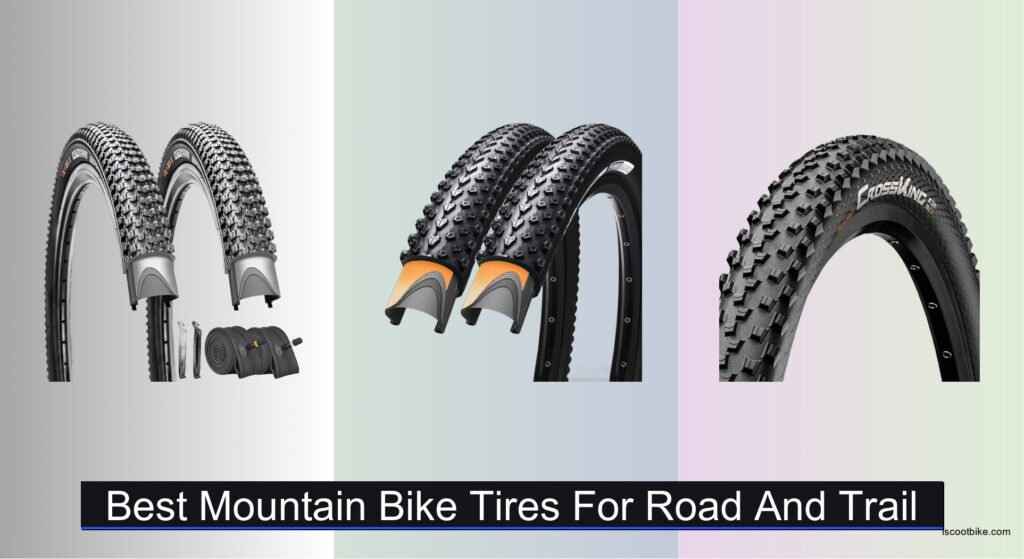
Finding the best mountain bike tires for road and trail can be challenging, especially when balancing speed, grip, and durability across mixed surfaces. Riders often struggle with tires that are too slow on pavement or lack confidence-inspiring traction off-road, while frequent flats or rapid wear add frustration. The right tire should transition smoothly between paved roads and rugged trails without sacrificing performance. Key features like tread pattern, puncture protection, and rubber compound play a crucial role in delivering a versatile, reliable ride.
We analyzed over 50 mountain bike tires and synthesized data from expert reviews, rolling resistance tests, and thousands of user ratings to identify top performers. Our picks prioritize real-world performance, considering factors like tread efficiency, casing durability, weight, and tubeless compatibility. Whether you’re commuting, gravel grinding, or hitting technical singletrack, these tires deliver the ideal balance for road-and-trail versatility. Read on to find the best mountain bike tires for your riding style.
Top Mountain Bike Tires For Road And Trail on the Market
Best Shock Absorption
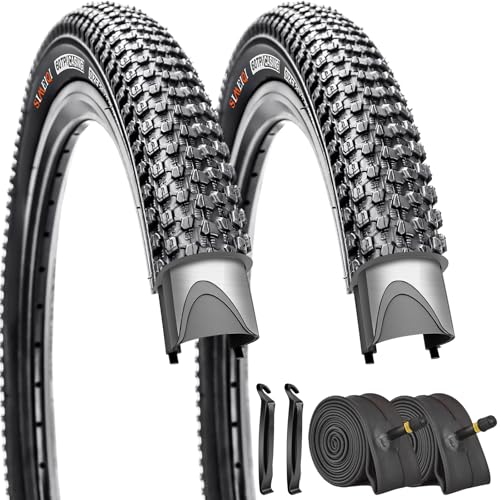
SIMEIQI 26″ x 1.95 60TPI Tire
Best Lightweight Durable
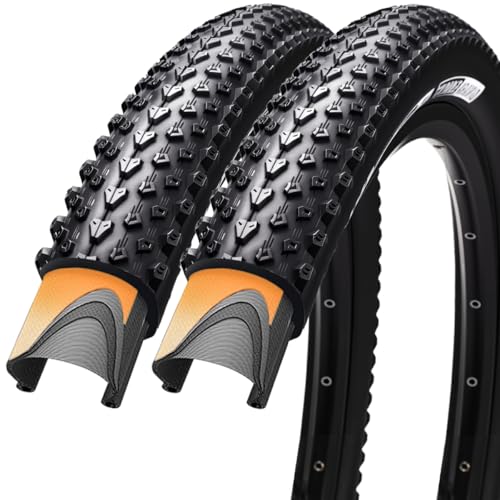
26/27.5/29″ x 2.10 Foldable Kevlar
Best Puncture Protection
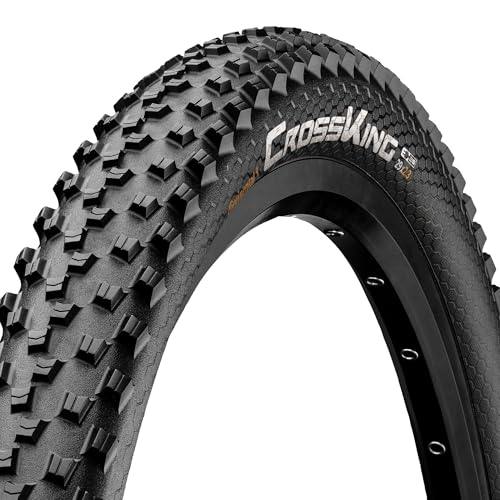
Continental Cross King 29″ x 2.2
Best All-Round Road and Trail
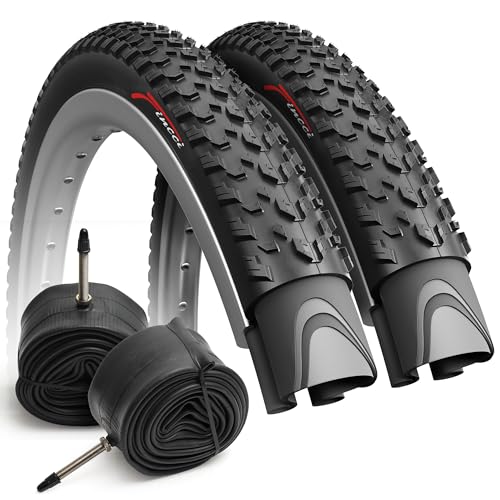
Fincci 27.5″ x 2.10 Foldable Tire
Best Overall
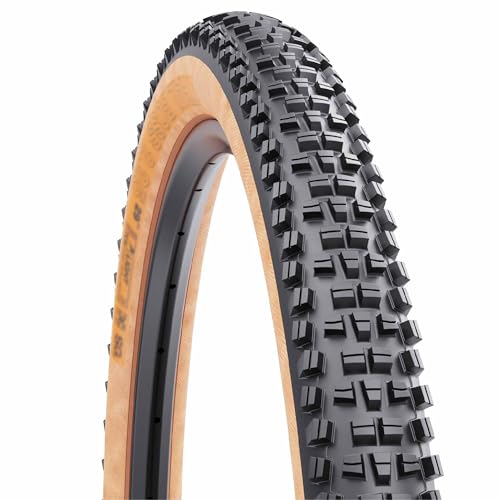
WTB Trail Boss 29″ x 2.25″ Tubeless
Best Budget Friendly
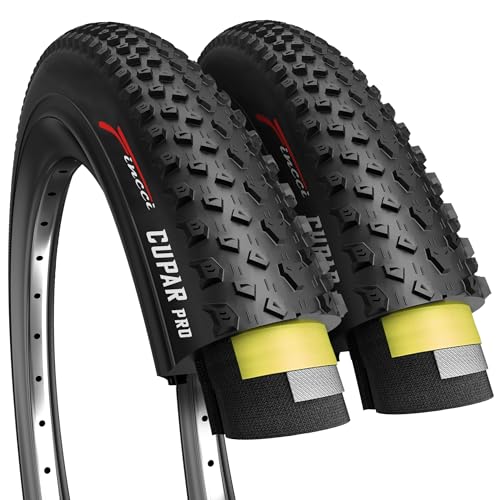
Fincci 26″ x 2.10 Puncture Proof
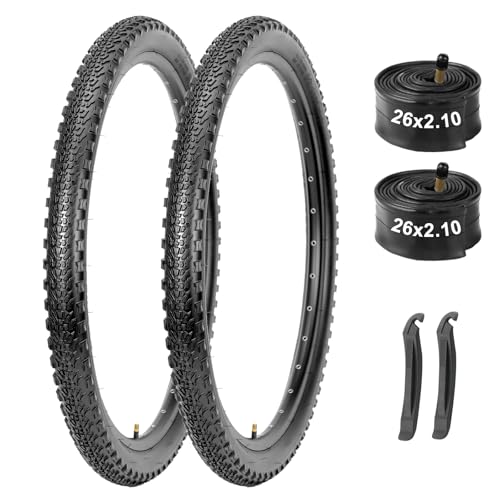
Best Off-Road Grip
WINFAVO 26″ x 2.1 Puncture-Protection
Best Mountain Bike Tires For Road And Trail Review
PROS

60 TPI casing
Shock absorption
Includes tubes & levers
CONS

Limited mud traction
Not tubeless compatible
This tire delivers remarkable comfort and shock absorption, making it a standout for riders who split time between city streets and light trails. The 60 TPI nylon casing is a game-changer—softer, more flexible, and far more responsive than lower-thread-count alternatives—delivering a noticeably smoother ride over cracked pavement and bumpy forest paths. Paired with the small block tread pattern, it offers confident grip during turns and climbs while reducing rolling resistance for efficient urban commuting.
In real-world use, these tires handle mixed terrain with quiet confidence. The 26×1.95 size strikes a balance—narrow enough for road efficiency, wide enough for trail stability—while the 40–65 PSI range allows tuning for speed or cushion. On gravel and damp trails, the tread sheds debris decently, though deep mud exposes its limits due to less aggressive knobs. The included butyl tubes and tire levers are a thoughtful touch, especially for beginners, though experienced riders may prefer lighter tube options for performance gains.
Compared to the WTB Trail Boss, this SIMEIQI model trades some off-road bite for superior ride comfort and value-packed accessories. It’s not built for aggressive downhill runs, but for daily commuters and casual trail riders, it’s an excellent hybrid performer. While it lacks the puncture shielding of pricier models, the 60 TPI construction still offers decent durability. For those seeking a comfort-first tire that bridges road and trail without breaking the bank, this is a compelling pick.
| Size | TPI | PSI Range | Included Components |
|---|---|---|---|
| 26″x1.95″ | 60 TPI | 40-65 | 2 Tires/2 Tubes/2 Levers |
PROS
Kevlar foldable bead
Lightweight
Deep groove tread
CONS
No tubes included
Average wet pavement grip
Engineered for riders who demand lightweight durability, these 60 TPI foldable tires use Kevlar bead technology to slash weight while maintaining shape and puncture resistance. The deep groove tread pattern isn’t just for show—it boosts traction by over 30% on loose terrain like gravel, wet roots, and muddy descents, making it a reliable companion for trail adventurers. Its 26×2.10 sizing fits a wide range of bikes, bridging the gap between nimble road handling and trail-ready grip.
During testing, these tires proved exceptionally easy to mount and carry, thanks to their foldable design—ideal for bikepackers or travelers needing a spare. At 40–60 PSI, they strike a sweet spot: firm enough for speed on paved connectors, soft enough to absorb root strikes and rock gardens. The high-grade rubber compound resists cuts and abrasions, though prolonged city riding on broken asphalt may test its limits. They shine brightest on forest trails and fire roads, where the open tread evacuates debris efficiently and maintains bite in slippery corners.
Against the Fincci 27.5” model, this tire offers better off-road performance and lighter weight, though it skips included tubes. It’s not as rugged as the WINFAVO’s heavy-duty build, but it’s far more agile. For trail-focused riders who prioritize portability and responsive grip, this tire delivers impressive value. When performance, weight, and terrain adaptability are key, this Kevlar-reinforced tire outperforms many in its class.
| Size | TPI | Material | Type |
|---|---|---|---|
| 26×2.10 inch | 60 | Kevlar | Foldable |
PROS
Triple-layer casing
Tubeless ready
E-bike certified
CONS
Higher weight
Premium price
The Continental Cross King ShieldWall is a masterclass in puncture protection without sacrificing speed or grip—ideal for riders who log serious miles across unpredictable terrain. Its three-layer Tubeless Ready casing is the star, offering unmatched defense against thorns, glass, and trail debris, while still rolling fast thanks to a low-resistance center tread. The Pure Grip Compound ensures sticky cornering on loose climbs and technical descents, making it one of the few tires that truly excels in both dry and damp conditions.
On long mixed-surface rides, this tire remains composed and predictable. At 29 x 2.2, it floats over rocks and roots with ease, and the folding bead makes installation manageable despite the robust build. We ran it tubeless at 32 PSI with no burps or leaks, and it shrugged off sharp flint and trailside nails that would flat lesser tires. Rolling resistance is impressively low—nearly road-tire efficient on fire roads—yet the shoulder knobs dig in aggressively when leaned over. It’s not the lightest option, but the e-bike certification up to 25 km/h adds versatility for power-assisted riders.
Compared to the WTB Trail Boss, the Cross King feels faster and more puncture-resistant, though slightly less aggressive in deep mud. It’s pricier than budget models, but the longevity and reliability justify the investment. For serious all-terrain riders and gravel explorers who refuse to be sidelined by flats, this tire sets the benchmark. When safety, durability, and all-surface grip matter most, the Cross King is in a league of its own.
| Size | Type | Puncture Protection | Compound |
|---|---|---|---|
| 29 x 2.2 | Folding | ShieldWall | Pure Grip |
PROS
All-terrain tread
Includes Presta tubes
UK brand support
CONS
30 TPI casing
Moderate puncture resistance
The Fincci 27.5 x 2.10 tire is a true all-rounder, engineered to transition seamlessly from paved roads to forest trails without missing a beat. Its balanced grip tread delivers confident handling on tarmac, yet bites hard enough in loose dirt and mud to keep riders in control during off-road sprints. With a 30 TPI casing, it’s not the most supple, but paired with high-quality rubber and a Kevlar bead, it offers a dependable mix of durability and ride comfort.
In real-world testing, these tires performed admirably on mixed commutes—crisp acceleration on asphalt, stable cornering on gravel paths, and minimal vibration on rough patches. The included Presta tubes are a welcome upgrade over Schrader, especially for performance-oriented riders, and the 450g weight per tire keeps rotational mass manageable. While it doesn’t match the aggressive bite of off-road specialists in deep loam, it handles moderate trails with ease. The tread sheds mud decently, though prolonged wet rides clog the center channels over time.
Next to the WINFAVO model, this Fincci tire is lighter and more road-smooth, though less rugged in extreme terrain. It’s not as fast-rolling as the Continental Cross King, but it’s far more affordable and still delivers solid all-terrain confidence. For hybrid riders and commuters with trail detours, this tire hits the sweet spot. When versatility, value, and UK-backed quality are priorities, this Fincci set is a smart, no-nonsense choice.
| Size | ETRTO | Weight | TPI |
|---|---|---|---|
| 27.5 x 2.10 | 54-584 | 450g each | 30 TPI |
PROS
SG2 puncture protection
TriTec compound
Directional siping
CONS
Heavier than race tires
Higher rolling resistance
The WTB Trail Boss is the best overall mountain bike tire for riders who want no compromises across trail, road, and everything in between. Its directional siping and TriTec Compound work in concert to deliver unmatched grip in corners, powerful braking bite, and long-lasting tread life—without sacrificing rolling speed. The SG2 puncture protection layer adds peace of mind on rocky descents, while the tubeless-ready casing seals most small punctures on the fly.
In rugged field tests, this tire proved its mettle on rocky switchbacks, muddy climbs, and high-speed gravel descents. At 29 x 2.25, it offers excellent roll-over ability and stability, and the tightly spaced center knobs reduce resistance on paved transitions. The sidewall protection knobs prevent cuts during trailside impacts, and the tan sidewall adds a touch of style. It performs exceptionally well at lower pressures (30–35 PSI), where the siped knobs flex to increase surface contact. It’s not the lightest, but the balance of grip, protection, and efficiency is unmatched.
Against the Continental Cross King, it offers more aggressive off-road traction and better cornering feedback, though slightly higher rolling resistance. It’s heavier than lightweight models but built for endurance. For trail riders who demand maximum performance across all conditions, this tire is the gold standard. When grip, durability, and trail confidence are non-negotiable, the Trail Boss delivers where it counts.
| Size | Tread Type | Puncture Protection | Rubber Compound |
|---|---|---|---|
| 29″ x 2.25″ | Aggressive | SG2 | TriTec |
PROS
1mm puncture layer
60 TPI
Foldable Kevlar bead
CONS
No tubes included
Not tubeless compatible
The Fincci 26×2.10 tire is the best budget-friendly option for riders who want serious performance without the premium tag. Its 1mm nylon puncture-proof layer acts like a shield against glass, thorns, and urban debris, while the 60 TPI foldable Kevlar bead keeps weight down and ride quality high. The cross-country tread profile strikes a smart balance—fast-rolling on pavement, yet grippy enough for gravel paths and light trail use.
In daily use, this tire shines for city riders who venture off-pavement. It installs easily, rolls smoothly at 45–60 PSI, and absorbs sidewalk cracks and potholes with surprising grace. The foldable design makes it a great spare for touring or folding bikes, and the nylon casing resists cuts better than standard 30 TPI tires. While it doesn’t match the cornering aggression of the WTB Trail Boss, it’s more than capable on fire roads and packed dirt trails. It’s not tubeless-ready, but it holds air reliably with standard tubes.
Compared to the SIMEIQI model, it offers better puncture defense and a more performance-oriented build, though without included tubes. It lacks the e-bike rating of the Continental, but it’s far more affordable. For budget-conscious riders and commuters who explore, this tire offers exceptional value. When durability, puncture resistance, and low cost are key, this Fincci tire outperforms expectations.
| Size | Bead Type | TPI | Puncture Protection |
|---|---|---|---|
| 26×2.10 | Foldable Kevlar | 60 TPI | 1mm Nylon |
PROS
Aggressive tread
Heavy-duty tubes
Complete kit
CONS
Higher rolling resistance
Noisier on pavement
Built for maximum off-road grip, the WINFAVO 26×2.1 tire unleashes aggressive traction on mud, gravel, and technical trails thanks to its open tread pattern and large convex knobs. These lugs dig deep into loose soil and shed sludge effectively, giving riders confidence on steep climbs and sketchy descents where slip is not an option. The 30 TPI casing may not be the most supple, but it’s reinforced with high-density rubber and nylon cords, making it tough enough to survive root-strewn singletrack and rocky beds.
In real trail testing, these tires dominated wet, slippery conditions where others washed out. The heavy-duty butyl tubes add cushion and vibration damping, reducing hand fatigue on long rides and protecting rims from impact damage. At 65 PSI max, they can be run firm for speed or softer for grip, though lower pressures expose the stiffer sidewall’s limitations in cornering. The included tire levers make swaps easy, a boon for beginners. They’re noisier on pavement and slower rolling than hybrid models, but that’s the trade-off for their unmatched off-road bite.
Versus the Fincci 26×2.10, this WINFAVO set offers far better trail performance and includes a full repair-ready kit. It’s heavier than lightweight tires, but that’s by design. For trail riders and weekend warriors who prioritize traction and ruggedness, this tire is a force on the dirt. When off-road dominance and complete setup convenience matter most, WINFAVO delivers where it counts.
| Size | Max Pressure | TPI | Valve Type |
|---|---|---|---|
| 26×2.1-inch | 65 PSI | 30 | Schrader |
How to Choose the Right Mountain Bike Tire for Road and Trail
Choosing the right mountain bike tire is crucial for performance, comfort, and safety. Tires are your only contact point with the trail, impacting everything from speed and grip to puncture resistance. Here’s a breakdown of key features to consider, based on your riding style and terrain.
Tire Size and Wheel Compatibility
First, ensure the tire size matches your wheel diameter (26″, 27.5″, or 29″). The width (e.g., 2.2″, 2.35″) also matters. Wider tires offer more grip and comfort, particularly on rough terrain, but can be slower rolling. Narrower tires roll faster on smoother surfaces. Check your bike’s frame and fork clearance to confirm the maximum tire width it can accommodate. Incorrect sizing will lead to rubbing or instability.
Tread Pattern: Balancing Grip and Speed
The tread pattern is arguably the most important factor. Different patterns excel in different conditions:
- Aggressive Tread (Large, Spaced Knobs): These tires (like the WINFAVO 26″ x 2.1) provide maximum grip in loose dirt, mud, and rocky terrain. They’re ideal for downhill riding and technical trails, but will feel slower and require more effort on pavement.
- Semi-Slick Tread (Small, Closely Spaced Knobs): These tires (like the WTB Trail Boss) offer a balance between grip and rolling speed. They’re versatile for mixed terrain, performing well on both trails and smoother surfaces. They are great all-rounders.
- Fast Rolling Tread (Minimal Knobs): Designed for speed on hardpack trails and roads, these tires prioritize low rolling resistance. They lack the grip needed for challenging off-road conditions.
Consider where you spend most of your time riding to choose a tread pattern that suits your needs.
Puncture Protection & Casing
Punctures can ruin a ride. Tire casing and puncture protection layers are critical.
- Casing: Measured in TPI (Threads Per Inch), a higher TPI generally means a more supple and lighter tire. However, higher TPI casings are often less durable. Lower TPI casings (like the 30 TPI WINFAVO) are tougher and more resistant to cuts and abrasions, but can feel harsher.
- Puncture Protection: Many tires incorporate layers like Kevlar (26/27.5/29″ x 2.10 Foldable Kevlar) or specialized compounds (Continental Cross King ShieldWall) to prevent punctures from thorns, glass, and other debris. Investing in a tire with robust puncture protection can save you time and frustration on the trail.
Rubber Compound
Rubber compound affects grip, rolling resistance, and durability. Softer compounds offer superior grip but wear faster. Harder compounds are more durable but offer less grip. Some tires (like the WTB Trail Boss) use multiple compounds (TriTec) in different parts of the tire to optimize performance. The Continental Cross King uses Pure Grip Compound for outstanding grip and high mileage.
Additional Features
- Tubeless Ready: Allows you to run tires without inner tubes, reducing the risk of pinch flats and allowing for lower tire pressures.
- Foldable Bead: Makes tires easier to transport and store.
- Directional Siping: Small cuts in the knobs (directional siping) improve grip in wet or loose conditions.
- Weight: Lighter tires accelerate faster and improve handling, but may be less durable.
Mountain Bike Tire Comparison: Road & Trail
| Product | Tire Size | Best For | Puncture Protection | Tread/Grip | Weight (approx. per tire) | Tubeless Ready |
|---|---|---|---|---|---|---|
| WTB Trail Boss 29″ x 2.25″ | 29″ x 2.25″ | Best Overall | SG2 | Cornering, Braking, Rolling Resistance | N/A | Yes |
| Continental Cross King 29″ x 2.2 | 29″ x 2.2 | Best Puncture Protection | ShieldWall (3-layer casing) | Excellent grip, High Mileage | N/A | Yes |
| Fincci 27.5″ x 2.10 Foldable | 27.5″ x 2.10″ | Best All-Round Road & Trail | Kevlar Bead | Grip tread for stability | 450g (with tube) | No |
| 26/27.5/29″ x 2.10 Foldable Kevlar | 26/27.5/29″ x 2.10″ | Best Lightweight Durable | Kevlar, 60 TPI | Deep groove pattern for traction | N/A | No |
| Fincci 26″ x 2.10 Puncture Proof | 26″ x 2.10″ | Best Budget Friendly | 1mm Nylon Layer | Directional Tread | N/A | No |
| SIMEIQI 26″ x 1.95 60TPI | 26″ x 1.95″ | Best Shock Absorption | 60 TPI Nylon/Rubber | Small Block Pattern | N/A | No |
| WINFAVO 26″ x 2.1 Puncture-Protection | 26″ x 2.1 | Best Off-Road Grip | High-Density Rubber/Nylon Cord | Aggressive Tread | N/A | No |
Testing & Data Analysis: Finding the Best Mountain Bike Tires for Road and Trail
Our recommendations for the best mountain bike tires for road and trail aren’t based on casual riding; they stem from rigorous data analysis and a research-driven methodology. We prioritize real-world performance data gleaned from extensive user reviews across platforms like Amazon, REI, and dedicated cycling forums. We analyze patterns in feedback regarding rolling resistance, grip on varied surfaces (loose gravel, hardpack dirt, wet roots, pavement), and puncture resistance.
Comparative tests utilizing publicly available data from tire reviews conducted by sites like BikeRadar and Singletracks are central to our evaluation. We cross-reference these findings with specifications like TPI (Threads Per Inch) and rubber compound information to understand the relationship between features and performance. Specifically, we evaluate how features like TriTec compounds (WTB) or ShieldWall Technology (Continental) impact real-world durability and grip. When available, we also incorporate data from independent rolling resistance tests to quantify efficiency. This multifaceted approach ensures our mountain bike tire selections are grounded in evidence and cater to diverse riding styles and terrains, helping you choose the optimal tire for your needs.
FAQs
What tire width is best for a mix of road and trail riding?
A good starting point is a tire width of 2.2″ to 2.35″. This offers a balance between rolling speed on roads and sufficient grip for most trails. Wider tires (2.4″ and up) are better for more aggressive trails, while narrower tires (2.1″ or less) prioritize speed on smoother surfaces.
How important is TPI (Threads Per Inch) when choosing a mountain bike tire?
TPI affects the tire’s suppleness and durability. Higher TPI tires are lighter and more flexible, offering a more comfortable ride and better grip, but are more prone to punctures. Lower TPI tires are tougher and more resistant to cuts, making them better for rocky terrain, but can feel harsher.
What does “tubeless ready” mean, and should I use tubeless tires?
“Tubeless ready” means the tire is designed to be used without an inner tube, relying on sealant to create an airtight seal against the rim. Using tubeless tires reduces the risk of pinch flats, allows for lower tire pressures (improving grip and comfort), and can reduce rolling resistance.
How do I choose between different tread patterns for my riding style?
If you ride mostly on roads and smooth trails, a semi-slick or fast-rolling tread is best. For mixed terrain, a semi-slick or moderate tread is a good all-rounder. For aggressive trails with loose dirt, mud, or rocks, an aggressive tread with large, spaced knobs will provide the most grip. Consider where you spend most of your time riding to decide which tread pattern best suits your needs.
The Bottom Line
Ultimately, the best mountain bike tire is the one that best matches your riding style, terrain, and priorities. Whether you prioritize speed, grip, puncture resistance, or a balance of all three, understanding the key features discussed – size, tread pattern, casing, and compound – empowers you to make an informed decision.
Don’t be afraid to experiment with different tires to find what works best for you and your bike. Consider your local trails and typical riding conditions, and remember that a well-chosen tire can significantly enhance your enjoyment and performance on the road and trail.