Every year, tens of thousands of electric scooters vanish from sidewalks, campuses, and city streets. In 2021 alone, 40,000 e-scooters were stolen in the U.S., a 129% surge over previous years. With the average stolen scooter valued at $800, the financial and emotional toll is real. Thieves target scooters not because they are hard to steal, but because they are easy. Lightweight, high-demand, and often left unsecured for just a minute, these rides are prime targets.
The good news is you can drastically reduce your risk. No single method guarantees 100% protection, but a layered defense combining physical locks, smart tech, strategic parking, and documentation can deter even the most opportunistic thief. This guide breaks down the most effective, field-tested strategies to stop scooter theft before it happens, based on real data, expert testing, and recovery insights.
Choose the Right Lock Type

Not all locks are created equal. The difference between a stolen scooter and a safe one often comes down to the lock you use and how you use it.
Use a U-Lock for Maximum Security
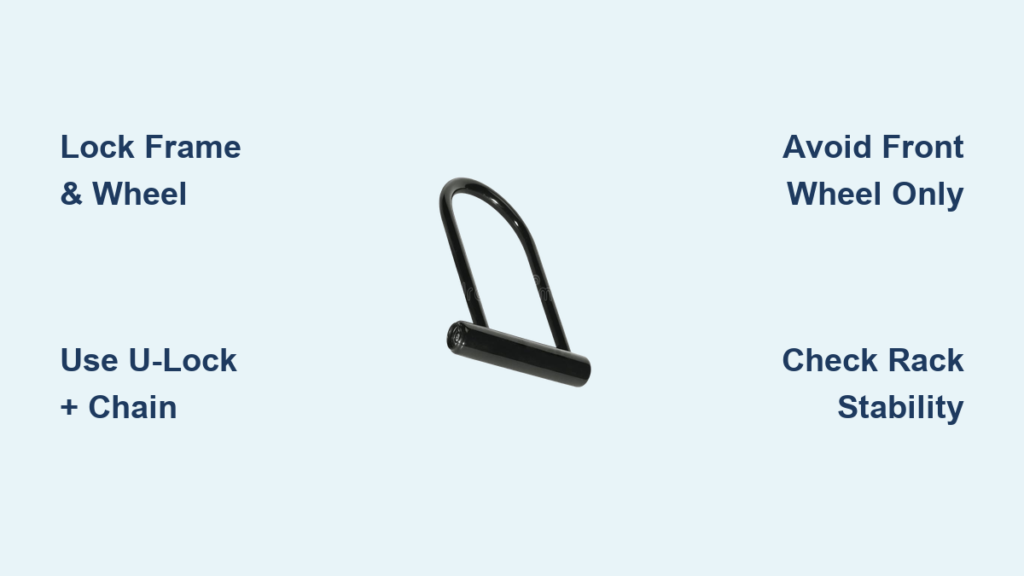
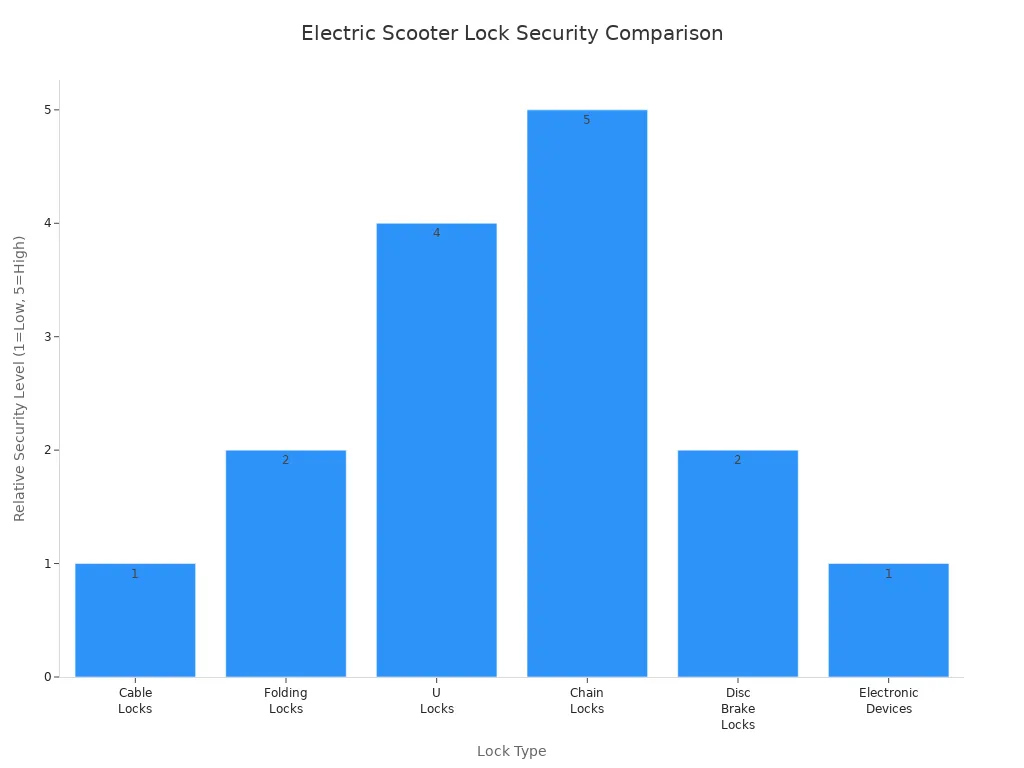
A U-lock, also called a D-lock, is the gold standard in scooter security. Made from hardened steel, it resists bolt cutters and leverage attacks better than most alternatives. Brands like Kryptonite and Hiboy offer models with lifetime warranties and theft insurance, a sign of their confidence in the product.
Key tips for U-lock usage:
- Lock through the scooter main frame and one wheel
- Pair it with a fixed object like a bike rack or steel post
- Avoid locking only through the wheel, as thieves can remove it and walk away with the rest
Even if your scooter has an open frame, find a secure anchor point. The goal is not perfection. It is making the theft loud, slow, and risky.
Upgrade to a 16mm Chain Lock in High-Risk Areas
In neighborhoods with frequent thefts, a heavy-duty chain lock offers superior protection. Chains that are 16mm or thicker resist bolt cutters and require power tools to cut, buying you critical time.
The trade-off is weight. A 16mm chain can weigh 5 to 10 pounds, making it less portable. However, if you park in a high-theft zone, the extra bulk is worth it.
Pro tip: Wrap the chain in a protective sleeve to prevent scratches and reduce noise when carrying.
Consider a Folding Lock for Balance
Folding locks combine strength and portability. Made of segmented steel bars, they are compact, cut-resistant, and easy to carry. Test results show these locks survived three hours of continuous sawing with only surface damage. Bolt cutter attacks failed unless the plastic casing was first chiseled away.
While not invincible, folding locks create a high barrier for quick thefts. They are ideal for urban riders who want security without the weight of a chain.
Avoid Cable Locks as Primary Defense
Cable locks are lightweight and flexible, but they are the easiest to defeat. Bolt cutters can slice through them in seconds. Never rely on a cable lock alone.
The best use for cable locks is as a secondary measure to secure removable parts like the battery, or to double up with a U-lock for added deterrence.
Pair Smart Locks with Physical Anchors
Many scooters come with app-based smart locks that disable the motor remotely. While convenient, they do not stop a thief from lifting and carrying the scooter away.
Always pair smart locks with a physical lock secured to a fixed object. Think of the smart lock as a bonus layer, not your main defense.
Layer Your Locks Strategically
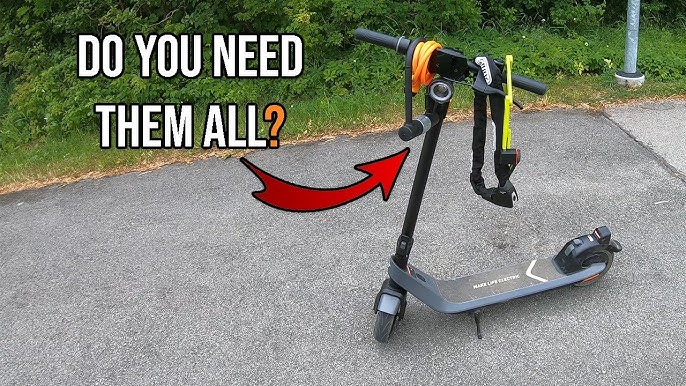
Using one lock is better than none. Using two different types is far better.
Combine U-Lock and Chain for Maximum Deterrence
The layering strategy forces thieves to carry multiple tools, bolt cutters and a power saw. Most opportunistic thieves will not bother.
Example combo:
- U-lock through the frame and rear wheel, attached to a bike rack
- 16mm chain looping through the front wheel and frame, secured to a second anchor point
This dual approach increases the time and noise required to steal the scooter, often enough to scare off a thief entirely.
Why Layering Works
Thieves look for quick, quiet thefts. A layered lock setup increases attack time from seconds to minutes, requires more tools and effort, and draws attention due to noise and duration.
Even if the locks are not unbreakable, they make your scooter a less attractive target compared to others on the street.
Secure to Immovable Objects Properly
A great lock is useless if it is attached to something weak.
Anchor to Cemented Steel Posts or Bike Racks
Always lock to sturdy, fixed objects like wide steel posts, cemented bike racks, or stair railings.
Avoid thin poles that can be lifted over, wooden fences that can be broken, or parking meters that can be pried loose. The anchor must be as strong as the lock.
Elevate the Lock Off the Ground
Thieves use the ground as leverage. When a U-lock rests on pavement, they can slam a hammer or bolt cutters down with full force.
Keep the lock elevated and the chain tight. This eliminates leverage and makes attacks much harder.
Point Keyholes Downward
Orient the keyhole toward the ground. This limits access for lock picks and prevents debris or water from entering the mechanism.
Park in Safe, Visible Locations
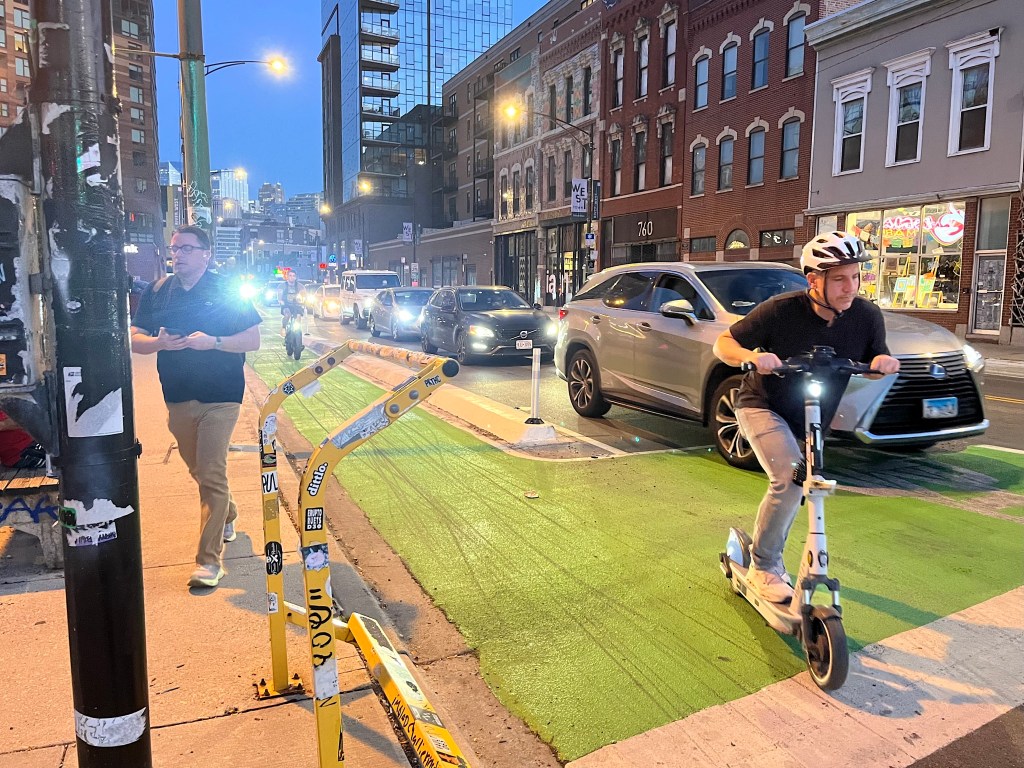
Where you park matters as much as how you lock.
Choose Well-Lit, High-Traffic Areas
Thieves avoid attention. Park in spots with bright lighting, foot traffic, and security cameras. The more eyes on your scooter, the less likely it will be targeted.
Avoid Dark Alleys and Secluded Spots
Alleys, empty lots, and behind buildings are theft hotspots. These areas offer privacy for thieves to work undisturbed. Never park in these locations overnight.
Use Designated Scooter Hubs
Cities like Washington D.C., Portland, and Austin have created scooter parking corrals. These zones are often better lit and monitored. Use them when available.
Store Indoors Whenever Possible
Indoor storage is the single most effective theft deterrent.
Keep It in Your Garage, Apartment, or Office
If you can roll your scooter inside, do it. This protects against theft, weather damage, and vandalism. Even a hallway or closet is safer than the sidewalk.
Use a Scooter Cover for Outdoor Parking
If indoor storage is not an option, use a cover. It hides the brand and model, makes the scooter less appealing, and protects from rain and sun.
Some covers have lockable zippers, adding another layer of security.
Install GPS Trackers and Alarms
Technology will not stop a theft, but it can help you get your scooter back.
Hide a GPS Tracker Inside the Frame
A discreet GPS tracker can be the difference between loss and recovery.
Key features to look for include real-time tracking, geofencing alerts that notify you if it moves, low-power mode that lasts weeks or months, and multi-satellite support for accurate city tracking.
Placement tips:
- Under the deck
- Inside the battery compartment
- Within the handlebar stem
Avoid obvious spots. The tracker should be invisible to a thief.
Use Apple AirTags as a Budget Option
AirTags and similar Bluetooth trackers are affordable and easy to use. They rely on Apple Find My network, so if a nearby iPhone detects your tag, it updates the location.
The limitation is no direct GPS. This works best in dense urban areas with many Apple devices. Still, 80% of tracked scooters are recovered in cities thanks to precise location data.
Install a 120dB Alarm System
A motion-activated alarm can scare off thieves and draw attention.
Effective alarms reach 120 decibels, as loud as a rock concert. They trigger on vibration or movement and send smartphone alerts. Pair the alarm with GPS for both immediate deterrence and long-term tracking.
Register and Identify Your Scooter
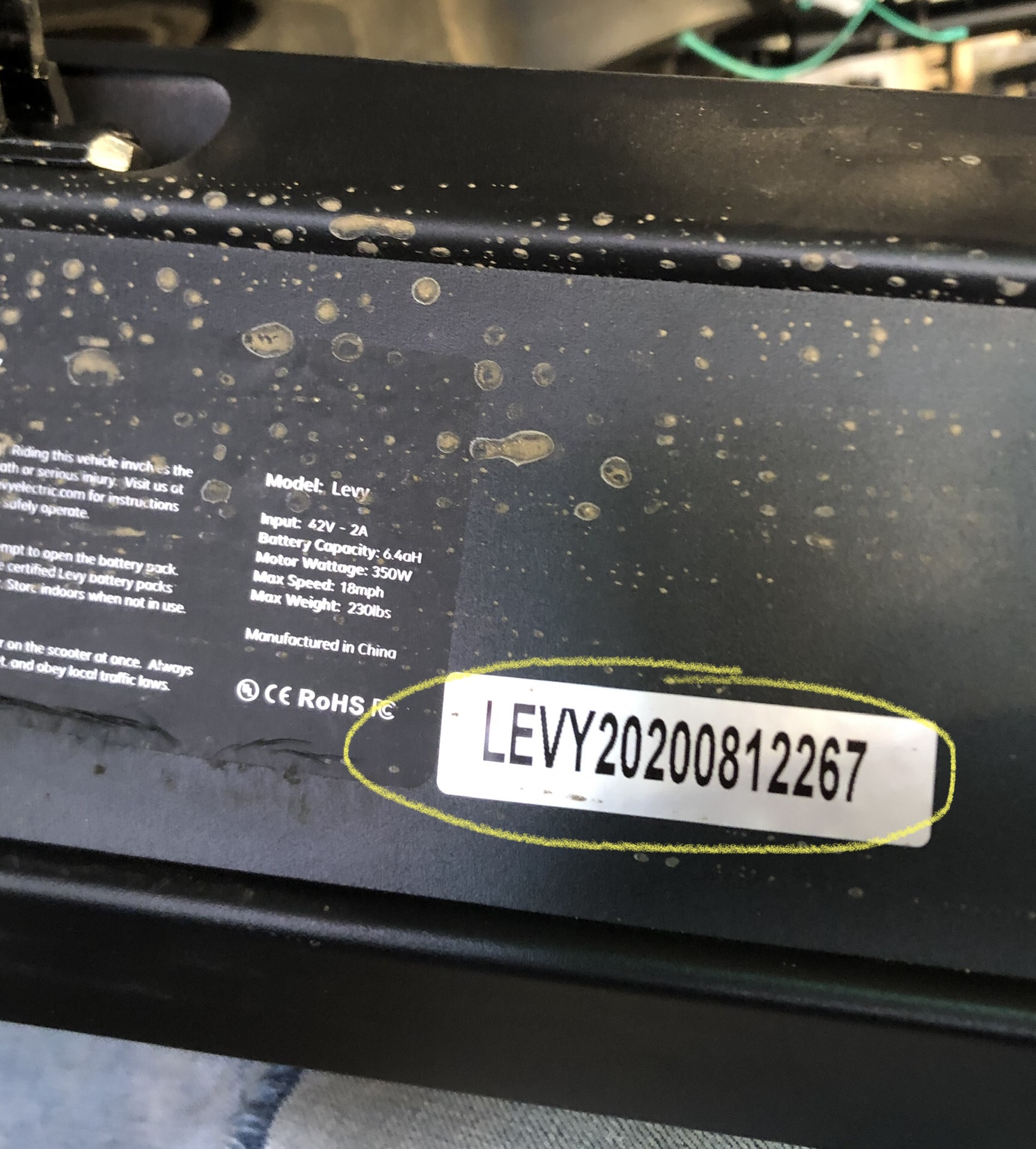
Make your scooter harder to sell and easier to recover.
Apply VIN Stickers to Major Parts
Programs like HEAT in Virginia offer free VIN sticker kits. Apply them to the frame, deck, and battery housing. Visible VINs warn thieves that parts are traceable, reducing resale value.
Engrave Your Contact Info on the Frame
Use a permanent marker or engraving tool to mark your name, phone number, address, or unique code. This makes the scooter identifiable and harder to fence.
Register in National Databases
List your scooter in ScooterLock or BikeRegister. Include the serial number, photos from all angles, proof of purchase, and custom modifications. This documentation is crucial for insurance claims and police reports.
Get Comprehensive Insurance Coverage
Prevention is key, but insurance protects your wallet.
Choose Comprehensive, Not Just Liability
Liability insurance covers damage you cause to others. Comprehensive coverage covers theft, fire, and vandalism. For 50cc plus scooters, standard motorcycle insurance applies. For e-scooters, check for specialized policies.
Check Lock and Storage Requirements
Some insurers require use of approved U-locks, indoor storage at night, or GPS tracking. Failure to comply may void your claim. Read the policy fine print carefully.
Expect $50 to $300 Annual Premiums
Cost varies by location, rider age, scooter value, and coverage level. Even at $300 per year, it is cheaper than replacing a $1,000 scooter.
Follow Post-Theft Recovery Steps
If your scooter is stolen, act fast.
Track Its Location Immediately
Open your GPS app. If it is moving, share the live location with police. Most recoveries happen within hours.
File a Police Report Within 24 Hours
Provide the serial number, photos, VIN, and GPS data. A police report is required for insurance claims and manufacturer alerts.
Notify Your Insurance Company
Submit the report number and proof of ownership. Ask about replacement timeline, rental reimbursement, and deductible.
Monitor Online Marketplaces
Check Facebook Marketplace, Craigslist, eBay, and OfferUp daily. Look for matching model and color, unique stickers or damage, or suspiciously low prices.
Do not confront the seller. Notify police with the listing link.
Alert Local Scooter Communities
Post in neighborhood groups, Reddit scooter forums, and Facebook owner groups. Community networks have helped recover stolen scooters through tips and sightings.
Maintain Your Security Systems
Security tools degrade. Keep them ready.
Inspect Locks for Damage Monthly
Check for rust, cracked casings, or stiff mechanisms. Lubricate locks with dry Teflon spray to prevent freezing.
Test GPS and Alarm Batteries Regularly
Replace tracker and alarm batteries every 6 to 12 months, or as needed. A dead tracker is useless.
Update Firmware and Apps
Keep your scooter app and firmware up to date. Updates often include security patches, improved GPS accuracy, and new alarm features.
Frequently Asked Questions About Preventing Scooter Theft
What is the best lock for preventing scooter theft?
A U-lock or 16mm chain lock provides the highest security. U-locks made from hardened steel resist bolt cutters and leverage attacks. Chain locks offer flexibility and require power tools to cut. Pairing a U-lock with a chain creates layering that deters most opportunistic thieves.
Where should I park my scooter to avoid theft?
Park in well-lit, high-traffic areas with security cameras. Avoid dark alleys, empty lots, and secluded spots behind buildings. Use designated scooter parking hubs in cities that offer better monitoring. Whenever possible, store the scooter indoors.
Does a GPS tracker really help recover a stolen scooter?
Yes. Approximately 80% of scooters equipped with GPS trackers are recovered in urban areas. The tracker provides precise location data that you can share with police. Hidden GPS units inside the frame allow tracking even if the scooter is moved to a new location.
What should I do immediately if my scooter is stolen?
First, check your GPS tracker for the real-time location and share it with police. Second, file a police report within 24 hours with your serial number, photos, and VIN. Third, notify your insurance company with the report number. Fourth, monitor online marketplaces and alert local scooter communities.
Can I use a cable lock as my primary scooter lock?
No. Cable locks offer the lowest security because bolt cutters can sever them in seconds. They should only be used as a secondary measure to secure removable parts like batteries. Always use a U-lock or chain lock as your primary defense.
Does insurance cover scooter theft?
It depends on your policy. Basic liability insurance covers damage you cause to others but does not cover theft. You need comprehensive coverage for theft protection. Some insurers require specific locks or indoor storage to validate claims. Check your policy details.
Key Takeaways for Preventing Scooter Theft
Theft is not inevitable. By combining physical locks, smart tech, smart habits, and proper documentation, you turn your scooter from an easy target into a high-effort, high-risk proposition.
Most important actions include using a U-lock or 16mm chain secured to a fixed object, layering multiple lock types for added deterrence, installing a hidden GPS tracker with a loud alarm, parking in well-lit visible areas, and storing indoors whenever possible.
Apply VIN stickers and engrave your contact information to make the scooter identifiable. Register in national databases and maintain comprehensive insurance coverage.
If theft occurs, act immediately by tracking the location, filing a police report, and notifying your insurance company. Monitor online marketplaces and alert local communities.
Most thieves are opportunists, not professionals. Make your scooter the hardest one on the block to steal, and you will likely keep it where it belongs: under your control.