You’ve probably searched “how to pick a bike lock” out of concern for your bicycle’s security—not because you want to steal bikes, but because you want to understand vulnerabilities to better protect your own ride. This legitimate security concern is shared by millions of cyclists worldwide who lose approximately $100 million worth of bikes annually to theft. Knowing how bike locks can be compromised puts you in the best position to select truly secure locking solutions and implement effective anti-theft strategies. In this guide, you’ll discover what makes certain locks vulnerable, how thieves exploit these weaknesses, and most importantly—what you can do to keep your bike securely locked and theft-free.
Why Bike Lock Security Knowledge Matters More Than Lock Picking Skills
How Understanding Lock Vulnerabilities Prevents Theft
Rather than learning how to pick a bike lock illegally, understanding common attack methods helps you select locks that resist these techniques. Most bike thieves aren’t skilled lock pickers—they’re opportunists using quick, brute force methods. By knowing these approaches, you can avoid false security from locks that look strong but fail against basic attacks. For instance, thin U-locks with small shackles might bend with minimal force, while cable locks can be severed in seconds with bolt cutters. Your knowledge of these vulnerabilities transforms you from a potential victim into an informed consumer who selects locks based on actual security ratings rather than marketing claims.
Legal Alternatives to Learning Lock Picking Techniques
If you’re genuinely interested in lock mechanisms for educational purposes, consider these legitimate paths: attend certified locksmith training programs, join锁匠 associations that teach ethical lock manipulation, or purchase practice locks specifically designed for learning. Many community colleges offer security technology courses that cover lock mechanisms within legal frameworks. Remember that in most jurisdictions, possessing lock picking tools without proper authorization constitutes a criminal offense, so always verify local laws before acquiring any lock manipulation equipment.
Choosing Bike Locks That Resist Common Attack Methods

Identifying High-Security Lock Features That Defend Against Picking
Look for locks with these security features that significantly increase resistance to manipulation:
- Boron steel construction for shackle resistance against cutting and leverage attacks
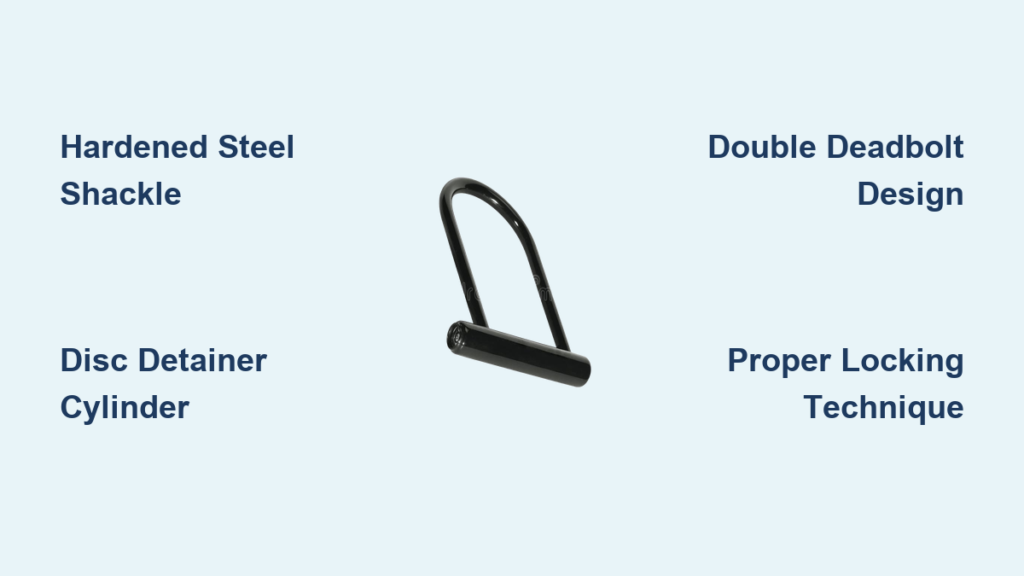
- Disc detainer cylinders that are substantially more pick-resistant than standard pin tumbler mechanisms
- Rotating plates that prevent shim attacks on padlock-style bike locks
- Independent security certification from organizations like Sold Secure or ART (Approved Rating Test)
When examining potential locks, test them in-store by attempting to wiggle the shackle—excessive movement indicates poor manufacturing tolerances that make picking easier. High-quality locks should have minimal play and smooth, precise key insertion.
Top Bike Lock Types Ranked by Resistance to Manipulation
Why U-Locks Outperform Cable and Folding Locks
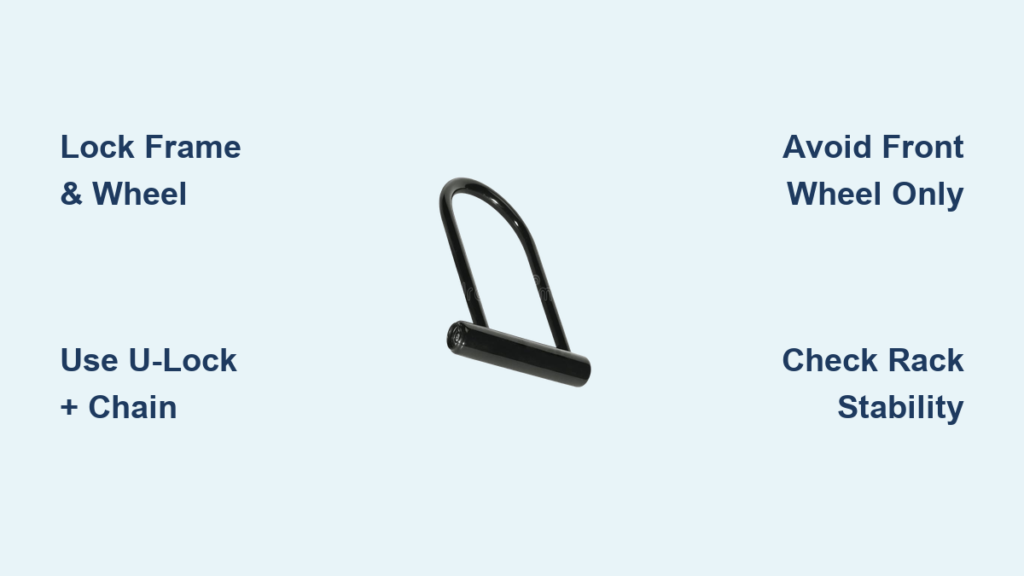
U-locks with 13mm+ hardened steel shackles provide the best defense against most attack methods. Models with double deadbolts (locking at both ends of the shackle) resist leverage attacks better than single-bolt designs. Look for U-locks with the shackle welded to the body rather than pinned, as pinned shackles create weak points for twisting attacks.
The Critical Weakness in Most Combination Locks
Most dial combination locks used for bikes can be “decoded” in under 30 seconds using simple tension techniques—making them suitable only for casual security. If you must use combination locks, choose models with resettable combinations and hardened steel components, but never rely on them as your primary security.
Proper Locking Techniques That Outsmart Common Theft Methods

The 2-Minute Rule: Making Your Bike Unattractive to Opportunistic Thieves
Thieves typically spend no more than 2 minutes attempting to steal a bike. Make your locking setup require more time than this threshold by:
- Securing both the frame AND rear wheel to an immovable object
- Positioning the lock so thieves cannot get proper leverage
- Using two different lock types (e.g., U-lock plus chain) that require different tools to defeat
- Ensuring minimal space between the lock and what it secures to prevent shim insertion
Your goal isn’t to create an unpickable lock—it’s to make your bike less appealing than others in the vicinity that might have weaker security.
Strategic Lock Placement That Counters Common Attack Vectors
Place your U-lock so the shackle protects the most valuable component (usually the rear wheel) while making it difficult to insert pry tools. When using a chain lock, wrap it through the bike frame and both wheels, ensuring no section is exposed where bolt cutters could easily access it. Always lock to objects that cannot be easily cut, carried away, or bent to release the lock—proper bike racks installed in concrete are ideal.
Recognizing When Your Lock Has Been Compromised

Visual Indicators That Someone Attempted Lock Manipulation
After a period of unattended storage, inspect your lock for these signs of tampering:
- Scratch marks around the keyhole from lock picks or improvised tools
- Shackle distortion indicating leverage or twisting attempts
- Unusual resistance when operating the lock mechanism
- Misaligned components suggesting the lock was pried open
If you notice any of these signs, replace your lock immediately—continued use could result in being locked out or, worse, having your bike stolen during the next attempt.
When to Upgrade Your Security Based on Local Theft Patterns
Track bike theft reports in your area through local police statistics or community forums. If you notice thieves using specific attack methods (like angle grinders for hardened steel locks), adjust your security strategy accordingly. In high-theft areas, consider adding secondary security measures like GPS trackers or wheel locks that complement your primary locking system.
Maintaining Your Lock to Ensure Maximum Security Performance
Routine Care That Preserves Lock Integrity Against Manipulation
Regular maintenance prevents wear that could make your lock easier to compromise:
- Lubricate annually with graphite powder (never oil, which attracts dirt)
- Clean the keyway with compressed air to prevent debris from creating false feedback during picking attempts
- Test lock operation regularly to detect developing weaknesses
- Store properly when not in use to prevent corrosion
A well-maintained lock performs significantly better against manipulation attempts than one that’s neglected and worn.
When Normal Wear Crosses Into Security Risk Territory
Replace your lock when you notice:
– Keys inserting with unusual resistance or wiggling excessively
– Visible wear on the key that suggests cylinder damage
– Difficulty locking or unlocking that wasn’t present when new
– Corrosion inside the keyway that affects operation
These signs indicate internal wear that could make the lock more vulnerable to manipulation techniques.
Legal Security Education Resources for Responsible Cyclists
Where to Learn About Lock Mechanisms Ethically
For those genuinely interested in understanding lock security without crossing legal boundaries:
- Sold Secure certification program provides detailed security ratings
- LockPicking101.com (with strict ethical guidelines for members)
- Local locksmith associations often offer security education workshops
- University engineering departments sometimes host lock mechanism demonstrations
These resources focus on defensive security knowledge rather than offensive techniques.
Documenting Your Security Setup for Insurance Purposes
Keep records of your lock purchases and security setup to strengthen insurance claims if theft occurs. Photograph your locked bike in its typical parking location, noting the specific security measures you employ. This documentation demonstrates due diligence in protecting your property, which may affect insurance coverage.
Final Note: Understanding how bike locks can be compromised isn’t about learning to pick them—it’s about making informed security decisions to protect your investment. By selecting high-quality locks with verified security ratings, implementing proper locking techniques, and maintaining your security equipment, you dramatically reduce your risk of becoming a bike theft statistic. Remember that the most effective bike security strategy combines multiple approaches: quality locks, strategic locking locations, visible deterrents, and community awareness. Your knowledge of potential vulnerabilities transforms you from a passive target into an active participant in your bike’s security—keeping your ride where it belongs: under your control.