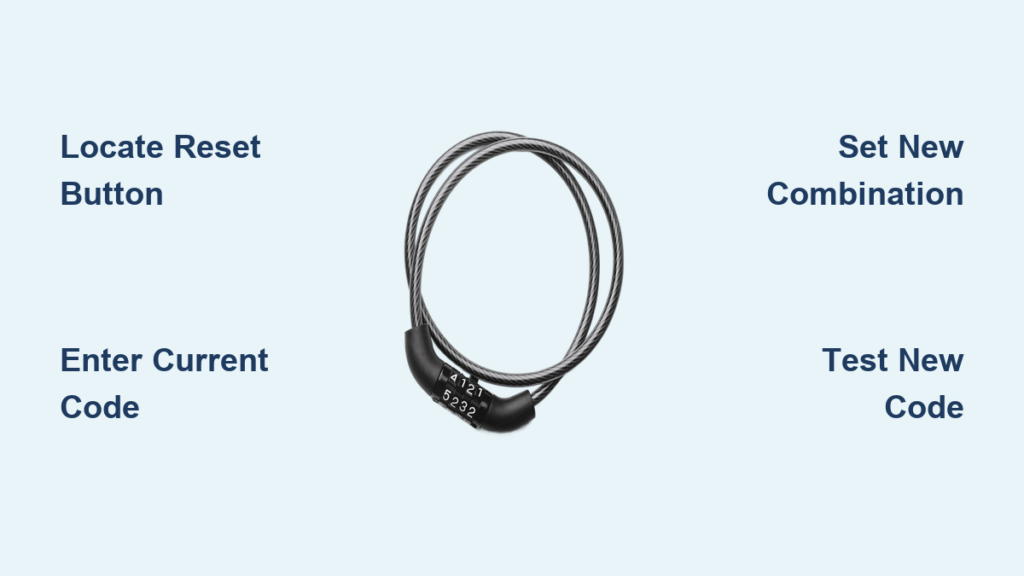
Forgetting your bike chain lock combination or inheriting a secondhand lock with an unknown code can turn a simple ride into a frustrating ordeal. Whether you need to change your combination for security reasons or recover access to a lock with a forgotten code, knowing the proper reset procedure is essential for any cyclist. This guide walks you through the complete process of resetting your bike chain lock combination safely and effectively, covering both standard resets when you know the current code and emergency methods when you don’t.
Identify Your Specific Lock Mechanism
Before attempting any reset procedure, you must determine exactly what type of bike chain lock you’re working with, as the reset process varies significantly between models and manufacturers.
Most bike chain locks with combination features have either three or four rotating dials that must align to form the correct sequence. These locks typically contain an internal mechanism that only allows combination changes when the current code is entered correctly. Some premium models include additional security features like reset levers or hidden buttons that must be accessed before changing the combination.
Look closely at your lock for any distinctive markings, manufacturer logos, or unique features that might indicate a specific reset method. The location of the reset mechanism varies widely—some locks require you to pull the shackle outward while others need a small tool inserted into a hidden hole. Budget models often lack user-resettable combinations entirely, requiring professional assistance if the code is forgotten.
If you can’t identify your lock type, check for any documentation that came with the lock or search online using visible brand names and model numbers. Without knowing your specific lock mechanism, attempting a reset could damage the internal components and permanently lock you out of your own security device.
Essential Tools for Successful Reset
Having the right tools ready before starting the reset process prevents mid-procedure complications and ensures you don’t damage your lock through improper handling.
You’ll need adequate lighting to see small mechanisms clearly, a flat stable surface to work on, and possibly a small tool like a paperclip or miniature screwdriver depending on your lock’s design. Some locks require you to press and hold a tiny reset button while turning the dials, making steady hands essential. If your lock has a hidden reset mechanism, you might need to remove a small cover or cap first.
Crucially, have your current combination ready if you know it. Most standard reset procedures require you to open the lock with the existing code before initiating the reset sequence. Without the current combination, you’ll need to explore alternative methods which are covered in a later section.
Keep a pen and paper nearby to immediately record your new combination. Studies show people forget newly set combinations within hours without proper documentation, defeating the purpose of resetting in the first place. Consider storing this information separately from your bike—never attach it to the frame or keep it in the same bag as your lock where potential thieves might find it.
Locate the Reset Function on Your Lock

Finding the reset mechanism requires careful examination of your lock’s exterior, as manufacturers place these features in various locations to prevent accidental changes.
On most combination bike chain locks, the reset mechanism appears as a small button, lever, or sliding switch typically located on the back or bottom of the lock body. This component is often partially concealed beneath a rubber cover or positioned in a recess to avoid accidental activation during normal use. Some models require you to pull the shackle outward to a specific position before the reset function becomes accessible.
Examine your lock closely under good lighting, rotating it slowly to check all sides for any unusual features. Run your fingers along the edges to feel for small depressions or movable parts that might indicate a hidden reset function. Many users miss these subtle mechanisms, mistaking their lock for one that doesn’t support user resets.
If you can’t locate the reset function after thorough inspection, consult the manufacturer’s website or customer support. Many companies provide detailed diagrams or video tutorials for their specific models. Attempting to force a reset without knowing the proper mechanism can damage internal components, potentially rendering your lock permanently unusable.
Standard Combination Reset Procedure
Once you’ve identified and accessed the reset mechanism, follow these general steps to change your combination. While specific details vary by manufacturer, the fundamental process remains consistent across most user-resettable locks.
First, set the dials to your current combination and verify the lock opens smoothly. A lock that won’t open with the existing code cannot be reset through standard methods—you’ll need to try alternative approaches covered later in this guide.
Next, engage the reset mechanism according to your lock’s specific design. This usually involves pressing and holding a button, sliding a lever, or pulling the shackle to a predetermined position. Maintain steady pressure on this mechanism throughout the entire reset process.
Then, while keeping the reset function activated, rotate each dial to your desired new combination. Choose numbers that are memorable but not obvious—avoid simple sequences like “1234” or personal information like birth years that could be guessed by thieves.
After setting your new combination, slowly release the reset mechanism while keeping the dials in position. Immediately test the new code at least three times, fully opening and closing the lock each time, to confirm the change was successful before relying on it for security.
Finally, document your new combination in a secure location away from your bike. Consider using a password manager application or writing it in a personal journal stored at home rather than keeping it with your cycling gear.
Emergency Reset Methods for Forgotten Codes

When you’ve lost the current combination, several recovery options exist, though success isn’t guaranteed and some methods risk damaging your lock.
Begin by checking any documentation that came with the lock or searching your email for purchase confirmations that might include the original combination. Many manufacturers ship locks with standard default codes like “0000” or “1234,” so try these common sequences before proceeding to more involved methods.
For locks without documentation or obvious reset mechanisms, systematic dial rotation might recover the combination through trial and error. Start with all zeros and methodically work through possible combinations, paying attention to any slight resistance or clicking that might indicate partial alignment. This process becomes exponentially more time-consuming with each additional dial—four-dial locks have 10,000 possible combinations.
Professional locksmith services offer the most reliable solution for forgotten combinations. A skilled technician can often open your lock without damage and reset the combination for a fee typically between $20-$50. While this represents an additional expense, it’s usually more cost-effective than replacing a damaged lock or losing your bike to theft.
Prevent Future Combination Issues
Implementing these simple habits prevents the frustration of forgotten combinations while maintaining optimal security for your bicycle.
Create memorable but non-obvious combinations by using meaningful number sequences that aren’t directly tied to personal information. For example, combine the month and day of a significant event with a favorite number in a non-sequential pattern that only makes sense to you.
Store your combination securely but accessibly—take a photo and save it in a password-protected cloud account, or write it in a personal journal kept at home. Never attach written combinations to your bike frame or store them in the same bag as your lock where potential thieves might discover them.
Regularly test your lock by opening and closing it even when you don’t need to secure your bike. This practice reinforces your memory of the combination and ensures the mechanism remains functional. Locks that sit unused for months often develop mechanical issues that compound combination memory problems.
Maintain Your Lock’s Performance
Regular maintenance extends your lock’s lifespan and prevents mechanical failures that can complicate combination changes or compromise security.
Keep the number dials clean and free of debris that might inhibit smooth rotation. Road grime, dust, and moisture accumulate in the mechanism over time, causing dials to stick or resist movement. Use compressed air to clear loose debris from between the dials, followed by a light application of lock-specific lubricant if rotation feels stiff.
Lubricate internal mechanisms annually with graphite-based lubricant rather than oil-based products, which attract dirt and can gum up the mechanism. Apply sparingly—excess lubricant creates the very problems you’re trying to prevent by drawing in more dirt and dust.
Inspect the chain and shackle regularly for signs of corrosion, wear, or damage. A compromised lock body may fail unexpectedly, leaving your bike unsecured or locked with an unrecoverable combination. Pay special attention to the points where the chain connects to the lock body, as these areas experience the most stress.
Recognize When Replacement Is Necessary
Even well-maintained locks eventually reach the end of their functional lifespan. Knowing when to replace rather than repair prevents security failures and potential bike theft.
Replace your lock immediately if the combination mechanism becomes unreliable, requiring multiple attempts to open or failing to engage properly. Internal wear makes combination locks increasingly prone to accidental openings or complete failure—neither outcome provides adequate security for your valuable bicycle.
Physical damage to the shackle, chain links, or lock body compromises security regardless of the combination. Modern bolt cutters can defeat compromised locks in seconds, making replacement the only sensible option after any significant impact or attempted tampering.
Consider upgrading to a lock with dual authentication methods (both combination and key) if repeated combination issues plague your current setup. Redundancy systems provide peace of mind and multiple recovery options when one method fails, significantly reducing the chances of being locked out of your own security device.
Resetting a bike chain lock combination properly takes just minutes when you understand your specific lock’s mechanism. By correctly identifying your lock type, locating the reset function, and following the proper sequence, you can establish a new combination in under ten minutes without damaging your security device. For forgotten combinations, professional locksmith services offer the safest recovery path with minimal risk to your lock’s integrity. Implementing regular maintenance and proper documentation practices prevents future lockouts while keeping your bike secure for years of reliable use. Remember that no lock is completely theft-proof, but a well-maintained, properly reset combination lock significantly deters casual thieves and protects your investment in both your bicycle and your peace of mind.