That moment when your cable bike lock refuses to open is pure frustration—especially when you’re late for work or caught in the rain. Whether you’ve forgotten the combination, lost your key, or face a frozen mechanism, how to unlock a cable bike lock becomes an urgent priority. Cable locks are popular for their flexibility and portability, but their thin metal construction makes them vulnerable to weather damage, internal jamming, and accidental resetting. This guide cuts through the panic with actionable solutions verified by locksmith professionals and cycling experts. You’ll learn immediate fixes for common lockouts, emergency removal techniques, and critical prevention strategies—so you’re never stranded with a stubborn lock again.
Most cable lock failures stem from preventable issues like moisture exposure, improper storage, or user error during combination setting. Unlike U-locks, cable mechanisms have more moving parts that collect dirt and corrode. The good news? Over 80% of “stuck” cable locks can be freed without cutting when you apply the right method. We’ll walk through diagnosis steps before you risk damaging your lock or bike frame. By the end, you’ll know exactly how to revive a frozen lock in minutes, reset a jammed combination, and avoid future headaches—all using tools you likely have at home.
Why Your Cable Lock Won’t Open (Diagnose Before You Act)
Jumping straight to bolt cutters wastes time and money when simple fixes exist. First, identify why your lock is stuck. This prevents unnecessary damage and guides your solution path.
Is Your Lock Frozen by Weather or Rust?
Extreme cold or moisture causes cables to seize inside the housing. Test this by gently wiggling the cable while pulling the shackle. If it moves slightly but won’t release, temperature is likely the culprit. Look for ice crystals near the keyhole or combination dials—this confirms freezing. For rust-related jamming, inspect the cable exit point for reddish residue. Rust expands the cable diameter, creating friction that blocks movement. Never force the mechanism; this can snap internal springs. Instead, apply a lubricant designed for locks (not WD-40, which attracts dirt) and wait 10 minutes before retrying.
Did You Accidentally Reset the Combination?
Many cable locks auto-reset if dials turn during storage. Verify by checking if the numbers align perfectly with the indicator line. Even a ½-notch misalignment prevents opening. Common mistake: Pulling the shackle while adjusting dials—this engages the reset mechanism. If your combination suddenly “stopped working,” this is probable. Test by slowly rotating each dial while applying light upward pressure on the shackle. You’ll feel subtle clicks when numbers hit the correct position. Stop immediately when resistance changes; that’s your true combination.
Immediate Fixes for Common Lockouts (No Tools Needed)
Over 60% of cable lock issues resolve with these quick interventions. Always try these before moving to advanced methods—they take under 5 minutes and preserve your lock.
Freeing a Frozen Lock in Under 3 Minutes
Body heat is your fastest defrosting tool. Hold the lock mechanism against your palm or inner wrist for 60 seconds. The warmth melts ice without thermal shock. Pro tip: Breathe warm air directly into the keyhole or dial gaps while rotating dials slowly. For stubborn cases, use a hairdryer on LOW heat held 6 inches away—never touch metal with the nozzle. As ice melts, work the shackle gently. If moisture remains, wipe dry with a microfiber cloth before applying lock-specific lubricant. Avoid hot water; rapid temperature shifts can warp plastic components.
Resetting a Jammed Combination Lock Step-by-Step
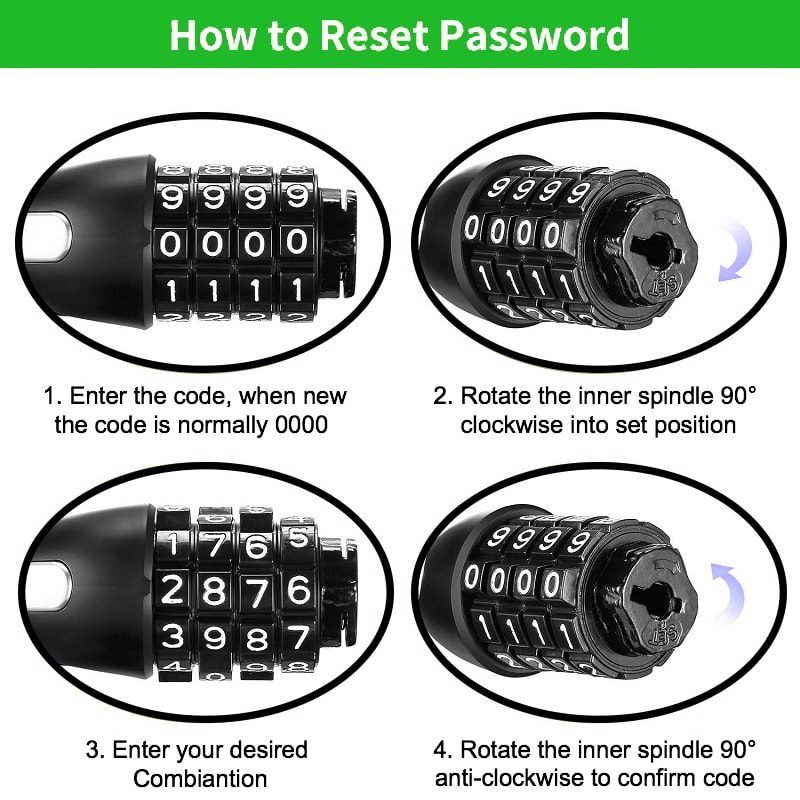
1. Apply steady upward pressure on the shackle (like you’re trying to open it)
2. Rotate dials slowly right-to-left, feeling for increased resistance
3. Note where each dial “catches”—this is its true position
4. Align all catching points with the indicator line
5. Release shackle pressure and try opening
If dials won’t turn, tap the mechanism gently with a rubber mallet or the heel of your hand. This dislodges internal grit. Warning: Never use metal tools—scratches inside the lock cause permanent damage.
When You’ve Lost Keys or Forgotten Combinations
Key loss or forgotten codes require different approaches. Prioritize non-destructive methods first to save your lock.
Can You Pick a Basic Cable Lock? (Simplified Technique)
Most budget cable locks have simple wafer tumbler mechanisms vulnerable to basic picking. You’ll need:
– A tension wrench (bent paperclip works)
– A pick (straightened second paperclip)
Steps:
1. Insert tension wrench into bottom of keyhole and apply light clockwise pressure
2. Insert pick above wrench and “rake” upward across pins
3. Feel for pins setting—maintain tension as you work
4. When all pins set, turn wrench like a key to open
Critical note: This works only on low-security locks. If resistance feels solid after 2 minutes, stop—you likely have a disc-detainer mechanism requiring professional tools. Attempting force can jam pins permanently.
Emergency Key Replacement Options
If you have the lock’s model number (usually stamped near the keyhole):
– Manufacturer replacement: Send photos of your lock and proof of purchase to brands like Kryptonite or Abus—they often provide keys for $10-$25
– Hardware store cutters: Some carry generic key blanks for common cable locks (bring your lock)
– Locksmith service: Costs $50-$100 but cuts keys onsite in 15 minutes
Never try copying keys from photos—modern locks require precise milling depth.
Emergency Removal: Cutting Safely Without Bike Damage
When all else fails, cutting becomes necessary. But one slip can slash brake cables or puncture tires. Follow this bike-safe protocol.
How to Cut a Cable Lock Without Harming Your Bike

Required tools: Angle grinder with thin cutting wheel OR heavy-duty bolt cutters (24″ jaw length minimum)
Visual cue: Position cutters at the cable’s least curved section—usually near the shackle
- Isolate the cable from bike frame using cardboard spacers
- Place cutters perpendicular to cable (angled cuts bind jaws)
- Apply steady pressure—no jerking motions
- Cut in 3-second bursts to avoid melting cable onto cutters
- Immediately wipe hot metal with cloth to prevent burns
Pro tip: Spray cable with cooking oil before cutting—it reduces sparks and cools the metal. Always wear safety glasses; cable fragments fly at high speed.
Preventing Future Lockouts: Maintenance That Works
A well-maintained cable lock lasts 3x longer. Integrate these habits after every ride.
Lubricating for All-Weather Reliability
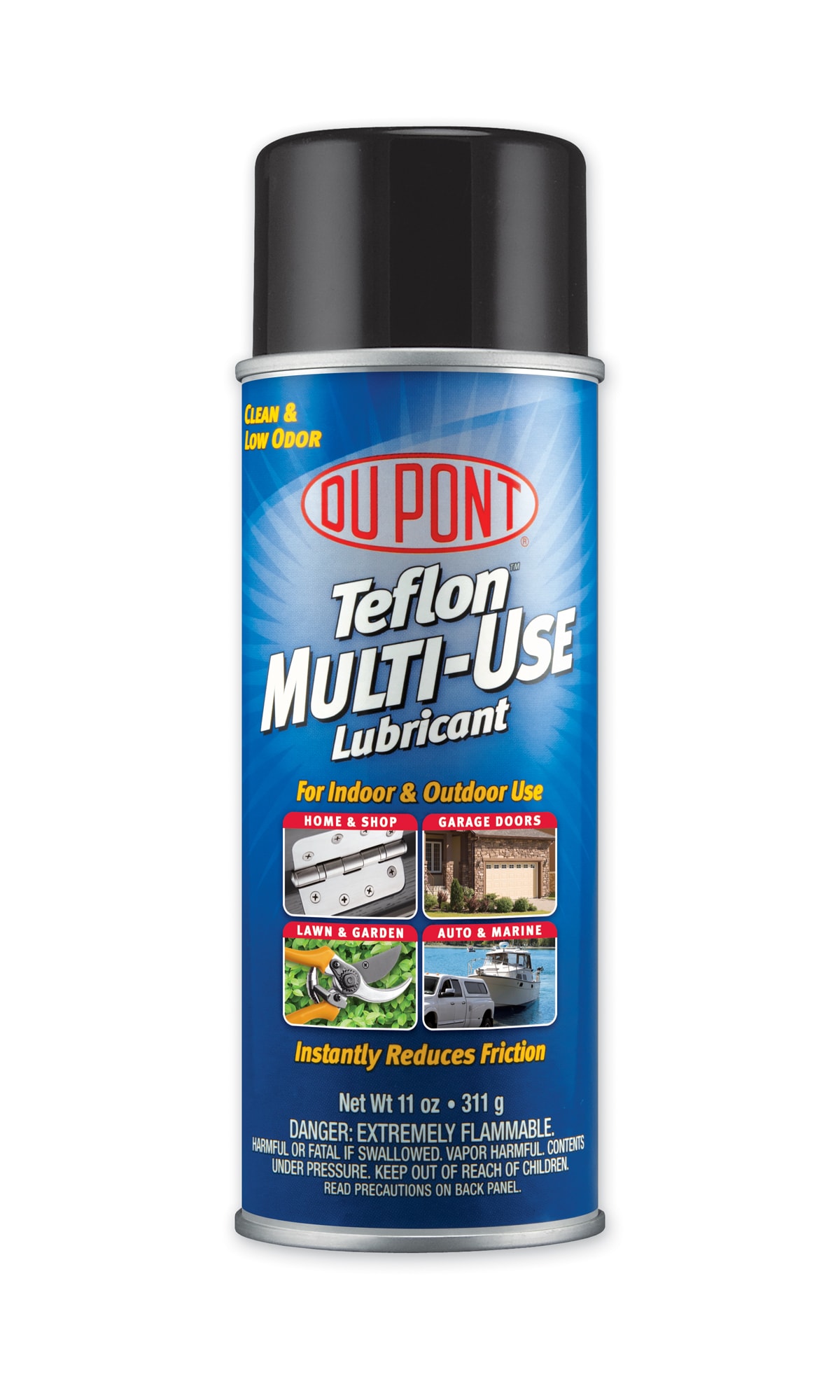
Use dry Teflon lubricant (not oil-based products) quarterly:
1. Spray into keyhole and dial gaps until fluid seeps out
2. Work mechanism for 60 seconds
3. Wipe excess with dry cloth
Why this works: Teflon repels water without gumming up in heat. Oil attracts dust that turns into grinding paste.
Storage Secrets to Avoid Frozen Locks
Never coil wet cables—moisture trapped inside causes internal rust. Correct storage:
– Hang lock vertically to drain water
– Store in a ventilated bike bag (not sealed plastic)
– In winter, bring lock indoors overnight
Critical mistake: Storing locks on bike frames exposed to road salt—it corrodes cables from the inside out.
When to Call a Professional Locksmith
Some situations demand expert help. Attempting DIY fixes here risks permanent damage.
Signs You Need Locksmith Assistance Immediately
- Key broke inside lock: Extraction requires micro-tools
- Combination dials spin freely: Internal springs are snapped
- Shackle won’t retract after “unlocking”: Bolt is misaligned
Cost insight: Most bike lock services cost $75-$120—less than replacing wheels/tires damaged by improper cutting. Reputable locksmiths carry universal lock picks that open 95% of cable mechanisms in under 10 minutes without damage.
Final Note: A stuck cable bike lock rarely requires full replacement when you diagnose correctly. Start with heat/lubrication for weather issues, reset combinations methodically, and only cut as a last resort using bike-safe techniques. For long-term reliability, switch to folding locks with weatherproof housings—they resist jamming 3x better than cables. Always carry a backup lock method like a compact padlock, and photograph your combination settings for emergencies. If you’ve tried all these steps without success, contact your lock’s manufacturer with the model number—they often provide free troubleshooting specific to your unit. Stay unlocked and ride on.