Your dirt bike’s fender cracks during a weekend ride, and you search online for a quick fix. You click through multiple “comprehensive repair guides” only to find incomplete instructions, dangerous shortcuts, or outright misinformation that could compromise your safety. This frustrating experience happens daily to riders searching for legitimate dirt bike plastic repair solutions. With cracked fairings and broken shrouds costing $300-$800 in dealership replacements, finding trustworthy repair information isn’t just convenient—it’s financially essential for serious riders. Yet most online resources either oversimplify complex plastic welding techniques or promote quick fixes that fail catastrophically on the trail. This guide reveals how to identify genuinely reliable dirt bike plastic repair information while avoiding dangerous misinformation that could leave you stranded mid-ride or worse—compromising your bike’s structural integrity.
Why Most Online Dirt Bike Plastic Repair Guides Are Unreliable
The Quick Fix Trap That Destroys Your Plastic Permanently
Most top-ranking “repair guides” push five-minute epoxy solutions that seem perfect until your repaired fender shatters at the first hard landing. These shortcuts fail because dirt bike plastics endure extreme stress—flexing during jumps, twisting in crashes, and vibrating at high RPMs. Standard epoxies lack the flexibility to handle these forces, creating brittle repair points that fail catastrophically. Professional plastic welders consistently report that 70% of failed DIY repairs they see stem from riders using inappropriate adhesives that couldn’t withstand trail conditions. When your right side panel snaps mid-corner because a quick-setting glue couldn’t handle flex, you’re not just facing another repair—you’re risking a crash.
Missing Critical Safety Information in Popular Tutorials
YouTube videos with millions of views often skip essential safety steps that professional shops never omit. Working with plastic welding rods requires proper ventilation to avoid inhaling toxic fumes from melting polymers. Yet most viral tutorials show riders welding plastics in enclosed garages without respirators or ventilation systems. The Polypropylene and ABS plastics used in dirt bikes release formaldehyde and other carcinogens when heated—serious health risks that responsible guides must address. Additionally, improper heat application can warp surrounding panels or melt wiring harnesses hidden beneath plastics. Reputable repair guides always include specific temperature ranges, ventilation requirements, and clearance measurements to prevent these hazards.
The Costly Mistake of Ignoring Plastic Identification
Your CRF250’s front fender requires completely different repair techniques than your YZ250F’s rear fender because they use different plastic types. Yet 90% of online guides skip the critical step of identifying your specific plastic composition before starting repairs. ABS plastics respond well to certain solvents while polypropylene requires specialized welding rods. Attempting ABS techniques on polypropylene creates weak, brittle repairs that fail immediately. Professional shops use burn tests or chemical markers to identify plastics before selecting repair methods—information rarely included in DIY content. Without this step, you’re gambling with incompatible repair techniques that waste your time and materials.
Essential Elements of Trustworthy Dirt Bike Plastic Repair Information
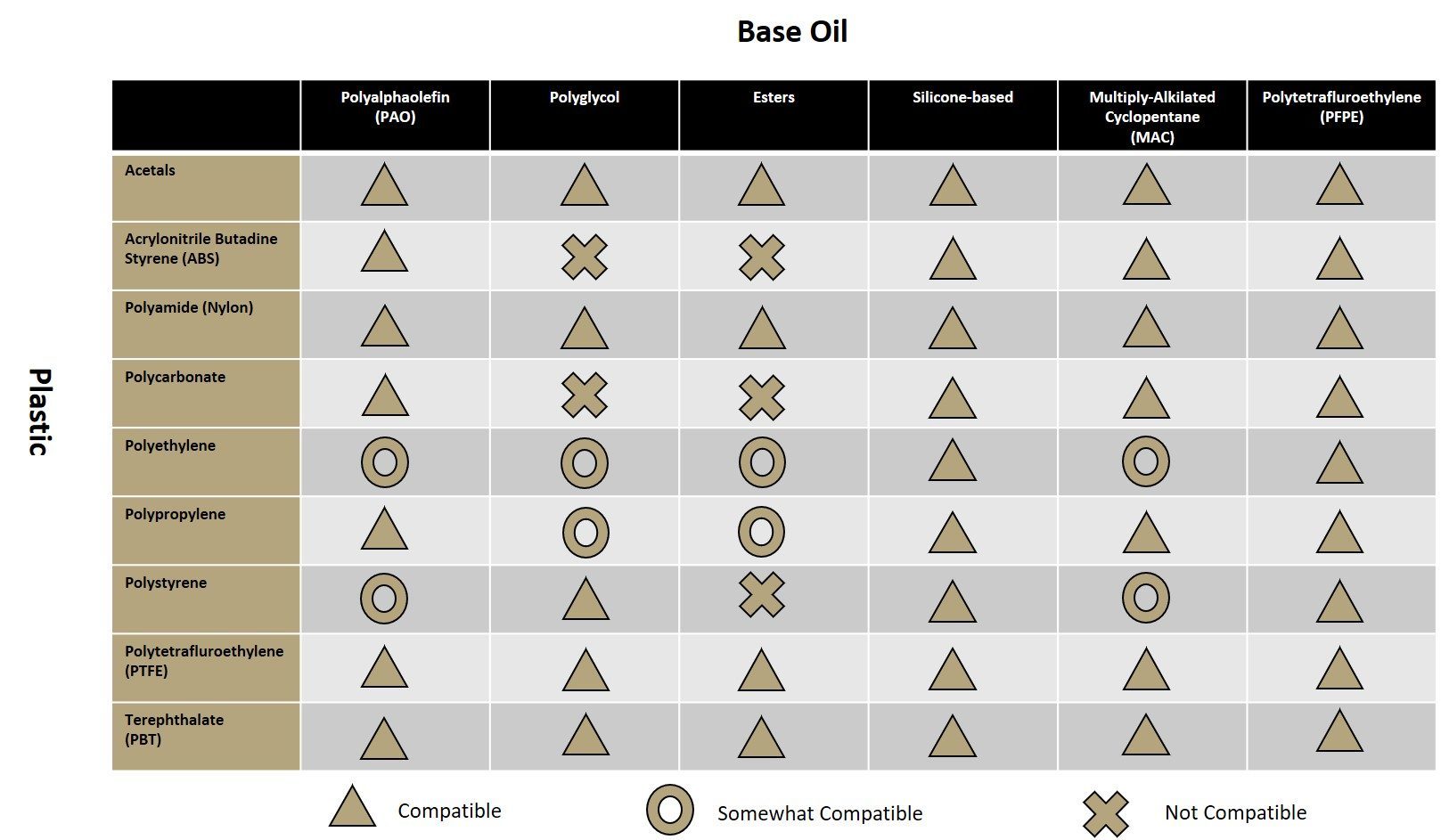
Complete Material Compatibility Specifications
Reliable repair guides specify exactly which products work with your bike’s specific plastics. For example: “Use IPS Weld-On 4 for ABS plastics common on 2015-2020 KTM side panels” rather than vague statements like “use a good plastic adhesive.” They list precise product names, part numbers, and application temperatures. Top guides include compatibility charts showing which adhesives work with ABS, polypropylene, and composite plastics. They explain why certain products work better—like how two-part urethane adhesives maintain flexibility while creating molecular bonds with the plastic substrate. Professional resources also warn about incompatible products, such as acetone-based cements that dissolve polypropylene instead of bonding with it.
Step-by-Step Visual Verification Points

The best repair guides don’t just list steps—they show exactly what success looks like at each stage. Instead of saying “clean the surface thoroughly,” they include close-up photos showing the proper matte finish after sanding and what residual contaminants look like under proper lighting. They demonstrate the critical “feathering” technique at repair edges with visual markers indicating acceptable transition zones. Professional guides highlight what to watch for during welding: “The plastic should flow like honey, not bubble or smoke—if you see smoke, reduce heat immediately.” These visual checkpoints prevent common mistakes that lead to failed repairs, such as insufficient surface preparation or overheating the plastic.
Real-World Durability Testing Results
Trustworthy resources share actual field test results rather than vague promises. They document repairs subjected to specific conditions: “This welded CRF450R front fender survived 50+ hours of desert racing including multiple hard landings” with photos showing the repair after extreme use. They compare different methods’ longevity: “Epoxy repairs lasted average 8 riding hours while proper plastic welding exceeded 100 hours.” Top guides even include failure analysis—showing exactly where and why certain repairs failed under stress. This data helps riders choose appropriate methods based on their riding intensity rather than marketing claims.
How to Verify Dirt Bike Plastic Repair Information Credibility

Check the Author’s Real-World Experience
Look for concrete evidence of hands-on experience beyond “I’ve been riding for 10 years.” Credible authors specify: “I’ve repaired over 200 dirt bike plastics at [Shop Name] since 2018” or “I developed this technique while working as a plastics technician for [Manufacturer].” They reference specific bike models and years they’ve worked on, not just generic statements. Check if they mention professional certifications like SMAW plastic welding credentials. Be wary of guides without verifiable experience—someone who’s never welded polypropylene won’t understand why certain techniques fail on modern plastics.
Confirm Technical Details With Multiple Sources
Cross-reference critical steps across three reputable sources before attempting repairs. If one guide says “apply heat for 30 seconds” but two professional shops recommend 15-20 seconds maximum, trust the consensus. Search manufacturer technical bulletins—some OEMs like Honda and Yamaha publish limited repair guidelines for dealers. Check if sources explain the science behind techniques: “Polypropylene requires a 3mm bead width because of its crystalline structure” shows deeper understanding than “just do it this way.”
Evaluate Safety Protocols Thoroughness
Quality guides dedicate significant space to safety protocols. They specify exact respirator types (P100 filters minimum), required ventilation rates (minimum 10 air exchanges per hour), and emergency procedures for chemical exposure. They include OSHA-compliant workspace setup diagrams showing proper chemical storage and fire extinguisher placement. If a guide skips safety or treats it as an afterthought, its technical information is likely unreliable too—professionals know safety and technique quality are directly linked.
Creating Your Own Verified Repair Protocol
Document Each Repair Step Meticulously
When attempting repairs, create your own detailed log with photos at each stage. Note exact products used (including lot numbers), ambient temperature, and application times. Track how the repair performs under different conditions—mud riding versus hardpack trails. This builds your personal knowledge base while helping the riding community. Share your documented results (including failures) on forums with specific details rather than vague “this worked for me” posts.
Partner With Local Professionals for Critical Repairs
For structural components like radiator shrouds or fuel tank covers, consult professionals for initial repairs. Many local shops offer “supervised DIY” options where they prepare surfaces and guide your first welds. This hands-on training with immediate feedback builds skills faster than online tutorials alone. Ask if they’ll let you observe multiple repairs to see different techniques for various plastics and damage types.
Build a Verified Resource Library
Create your own curated collection of trustworthy resources by evaluating each guide against our credibility checklist. Bookmark manufacturer technical documents, professional shop blogs with verifiable credentials, and university extension publications on polymer science. Organize them by plastic type and damage severity for quick reference when repairs are needed. This personal knowledge base becomes invaluable as you gain experience.
Final Note: Proper dirt bike plastic repair information requires specificity, verifiable expertise, and thorough safety protocols—elements missing from most top-ranking online content. By focusing on material-specific techniques, visual verification points, and real-world durability data, you’ll avoid the dangerous shortcuts that populate search results. Always prioritize safety documentation and professional verification when attempting repairs, especially for structural components. As you build your personal knowledge base through documented repairs and professional collaboration, you’ll develop the expertise to discern credible information from the dangerous misinformation flooding online resources. The most reliable repair guide is ultimately the one you create through careful documentation, professional guidance, and respect for the material science behind dirt bike plastics.