Mastering the names of dirt bike tricks isn’t just about sounding knowledgeable at the track—it’s your gateway to understanding progression paths, communicating with fellow riders, and safely advancing your skills. When you know what a “nac-nac” is versus a “Hart attack,” you can follow tutorials, ask specific questions, and build tricks in the proper sequence. This guide breaks down the essential dirt bike trick vocabulary from beginner fundamentals to pro-level maneuvers, so you can speak the language of freestyle riding with confidence.
Every dirt bike trick name carries meaning—whether it describes the rider’s position (like “Superman”), honors the rider who invented it (the “Hart attack”), or mimics the sound of the movement (the “heel clicker”). Understanding these names connects you to the culture and history of the sport while preventing dangerous mistakes from attempting advanced tricks before mastering prerequisites. Let’s explore the trick vocabulary that will transform how you learn and communicate about dirt bike freestyle riding.
Mastering Foundational Dirt Bike Tricks
Your journey through the names of dirt bike tricks begins with these essential fundamentals that form the bedrock of all advanced maneuvers. These aren’t just “beginner tricks”—they’re the critical skills professional riders continue refining throughout their careers.
Wheelie Techniques That Build Core Balance Skills
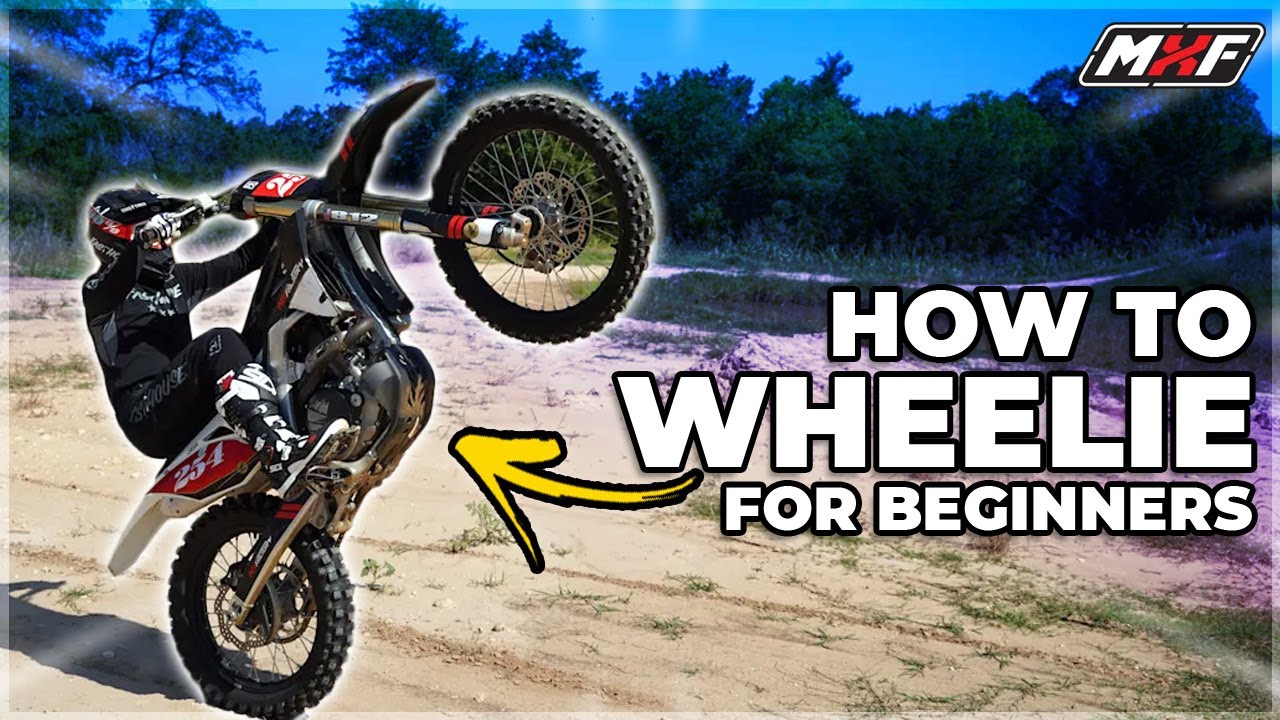
The wheelie serves as your first true test of bike control and balance. Unlike what many beginners attempt, a proper wheelie requires smooth throttle application combined with precise body positioning—not just yanking the handlebars. Start on a slight downhill to reduce power needs, gently roll on the throttle while shifting your weight back, and use your legs as suspension to maintain stability. Focus on holding the balance point for 5-10 seconds before attempting to ride longer distances. Most riders progress faster when they practice “clutch wheelies” (using the clutch to modulate power) before attempting power wheelies. Critical tip: Keep your eyes forward, not down at the front wheel—where you look determines where you’ll go.
Endo Control for Front-Wheel Maneuvers
The endo (short for “end-over-end”) teaches vital front-wheel control that becomes essential for front flips and other advanced tricks. To execute a controlled endo, approach at walking speed, apply steady front brake pressure while shifting your weight forward over the handlebars, and lift the rear wheel just 6-12 inches off the ground. The magic happens in your arms—they should act as shock absorbers, not rigid supports. Practice endos on grass first to minimize consequences from over-braking. Warning: Always ensure clear space behind you, as losing control can send you backward over the handlebars.
Manual vs. Power Wheelie Distinction
Many riders confuse manuals with wheelies, but understanding this difference in the names of dirt bike tricks is crucial for proper progression. A manual uses momentum and body movement rather than engine power to lift the front wheel. Approach at moderate speed, then quickly shift your weight backward while pulling up on the handlebars to initiate the lift. The key is maintaining enough forward momentum to keep the rear wheel supporting the bike without throttle input. Manuals develop the body awareness needed for advanced tricks like the Superman position. Practice manuals before attempting wheelies if you struggle with power control—many riders find this progression path more intuitive.
Intermediate Tricks to Level Up Your Riding
Once you’ve mastered balance fundamentals, these intermediate tricks introduce body movement while maintaining control—preparing you for the aerial maneuvers that define modern freestyle riding.
Nac-Nac Technique Breakdown
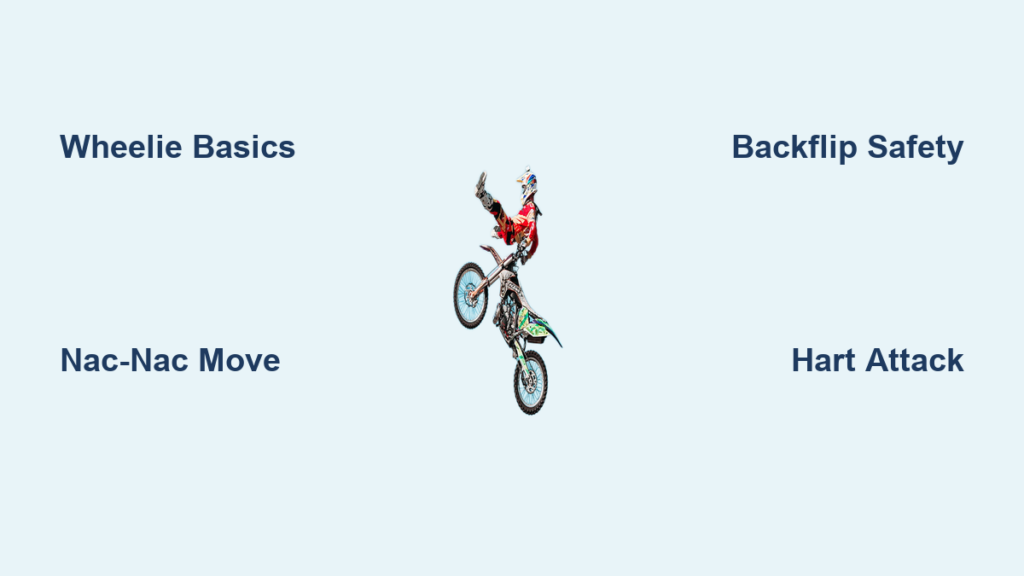
The nac-nac stands as one of the most recognizable intermediate tricks where you swing one leg over the handlebars while continuing to ride. Start by practicing the leg swing motion while stationary until it feels natural. Then, at low speed, commit fully to the movement—hesitation causes most failed attempts. The critical moment comes when your leg clears the handlebars; immediately shift your weight to maintain balance. Pro tip: Keep your inside hand firmly planted on the handlebar opposite your swinging leg for stability. Most riders master the nac-nac within 3-5 dedicated practice sessions.
Can-Can Execution Tips
The can-can differs from the nac-nac by having both legs swing together to one side of the bike. This trick requires hip flexibility and confidence to maintain throttle control while in an unconventional position. Begin by practicing the leg movement while walking beside your bike, then progress to performing it while seated on a stationary bike. When ready, execute at slow speeds on flat ground, focusing on keeping your body centered over the bike’s midsection. Key insight: The can-can often feels more natural than the nac-nac because both legs move in unison, reducing coordination demands.
Suicide No-Hander Progression Path
The suicide no-hander removes both hands from the handlebars while riding, teaching you to control the bike through body positioning alone. Start with brief 1-2 second releases at walking speed, gradually increasing duration as your confidence grows. The critical skill is learning to steer with your knees and hips rather than hands. Safety note: Always wear full protective gear when practicing no-handers, as crashes often result in hand injuries from instinctively reaching for the handlebars. This trick directly prepares you for Superman positions in aerial maneuvers.
Advanced Freestyle Moves That Define the Sport
The names of dirt bike tricks reach their most impressive forms in these advanced maneuvers that combine aerial awareness with precise bike control. These tricks require dedicated practice, proper safety equipment, and often professional instruction.
Backflip Fundamentals Every Rider Should Know
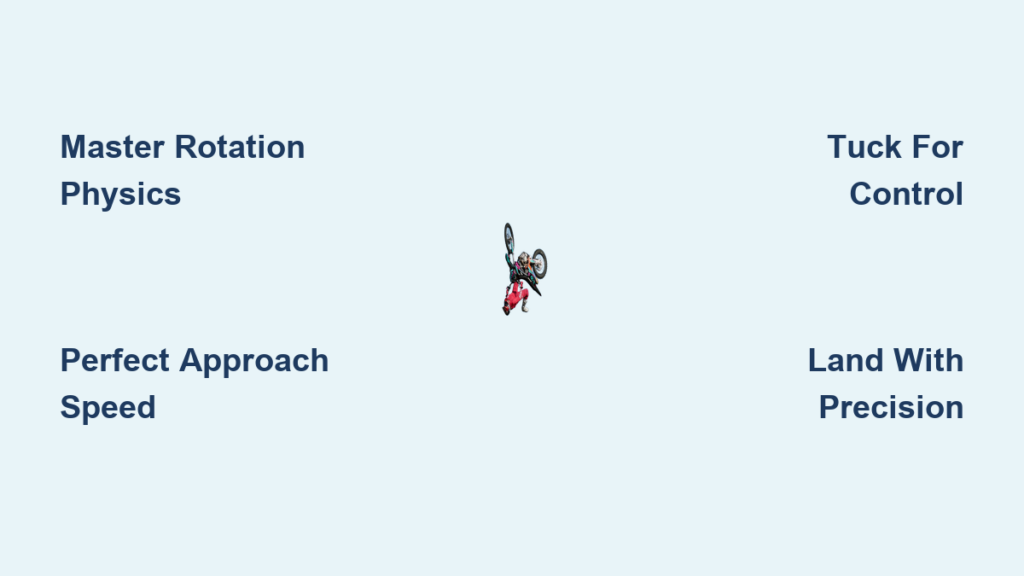
The backflip represents the gateway to professional freestyle competition. Before attempting dirt landings, practice in a foam pit or with a safety harness. The technique involves pulling back on the handlebars at the lip of a jump while shifting your weight backward to initiate rotation. Critical detail: Keep your eyes on the landing zone throughout the rotation—spotting the ground helps your body adjust for proper landing position. Most riders spend months mastering the backflip safely, starting with small jumps and gradually increasing size as confidence grows.
Hart Attack Breakdown for Ambitious Riders
Named after Mike Metzger, the Hart attack combines a backflip with a Superman position where you release the handlebars and extend backward horizontally. This trick requires mastering both components separately before attempting the combination. Progression path: First perfect your backflip with hands on handlebars, then practice Superman positions on small jumps, and finally combine them on appropriately sized jumps. The Hart attack demands exceptional core strength—riders often incorporate specific off-bike exercises to build the necessary endurance.
Double Backflip Reality Check
The double backflip represents the current pinnacle of dirt bike freestyle, involving two complete backward rotations before landing. Only elite riders attempt this trick due to the extreme risks involved. Important context: Even professionals train exclusively with safety equipment for months before attempting dirt landings. Travis Pastrana’s historic double backflip at the 2009 X Games required years of preparation and multiple failed attempts. Most riders should focus on mastering single backflips before even considering this advanced maneuver.
Essential Safety Practices for Trick Progression
Understanding the names of dirt bike tricks means nothing without proper safety protocols. Each trick level demands appropriate protective gear and training environments to prevent serious injury.
Critical Gear Requirements by Trick Level

Beginner tricks (wheelies, manuals): Full-face helmet, goggles, boots, gloves
Intermediate tricks (nac-nac, no-handers): Add chest protector and knee/elbow pads
Advanced tricks (backflips, Superman): Include back brace, neck brace, and impact shorts
Non-negotiable rule: Never attempt aerial tricks without a properly maintained full-face helmet meeting current safety standards. Many riders forget that helmets lose protective capability after any significant impact—even if no visible damage appears.
Progressive Learning Environment Setup
Create a safe progression path by starting tricks in controlled environments:
– Foam pits for aerial maneuvers
– Small berms for balance tricks
– Gradual jump progression (tabletops before gaps)
– Professional instruction for advanced tricks
Expert insight: The majority of serious injuries occur when riders attempt tricks beyond their skill level without proper safety infrastructure. Invest in professional instruction—it accelerates learning while dramatically reducing injury risk.
Avoiding Common Trick Learning Mistakes
Even with knowledge of dirt bike trick names, many riders sabotage their progress through preventable errors. Recognize these common pitfalls to accelerate your development safely.
Skipping Foundational Skills
Riders who rush toward advanced tricks before mastering fundamentals experience more crashes and develop bad habits. Reality check: Professional riders still practice basic wheelies and manuals—they’re not “too easy,” they’re essential skills that underpin everything else. Spend adequate time on each progression step before advancing.
Ignoring Physical Preparation
Dirt bike freestyle demands significant core strength, flexibility, and endurance. Action step: Incorporate off-bike training focusing on:
– Core strength (planks, hanging leg raises)
– Hip flexibility (yoga poses)
– Upper body endurance (pull-ups)
Riders who neglect physical preparation hit skill plateaus much sooner than those who treat riding as a full-body athletic endeavor.
Conclusion: Building Your Dirt Bike Trick Vocabulary
Mastering the names of dirt bike tricks creates more than just conversation points—it establishes your roadmap for progression through the sport. From the basic wheelie that teaches rear-wheel balance to the double backflip representing the current pinnacle of freestyle riding, each trick name connects to specific skills, prerequisites, and progression paths. Remember that proper learning sequence matters more than how many tricks you can name: solid fundamentals prevent injuries and accelerate advancement through more complex maneuvers. Equip yourself with appropriate safety gear, seek professional instruction for aerial tricks, and respect the learning curve—every professional rider started exactly where you are now, learning the same trick vocabulary that will eventually help you express your own creativity on two wheels.