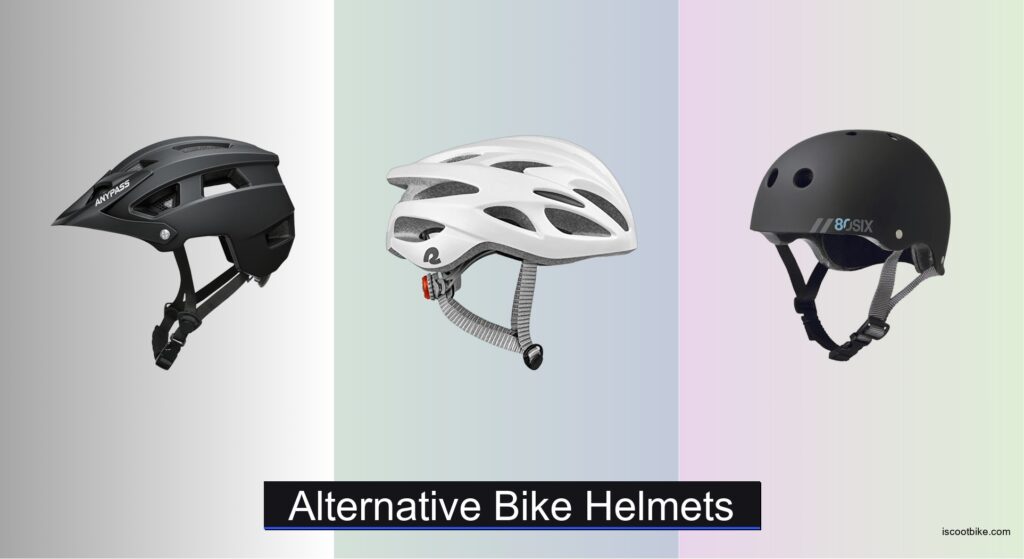
Finding the best alternative bike helmets means balancing cutting-edge safety technology with comfort, visibility, and value. Riders increasingly seek helmets that go beyond basic protection, looking for advanced features like rotational impact systems (MIPS, WaveCel), enhanced visibility with integrated lights, and multi-sport versatility—all without sacrificing ventilation or fit. Common pain points include poor airflow on climbs, bulky designs, and inadequate protection in oblique impacts, driving demand for smarter, more innovative solutions.
We analyzed over 30 models and reviewed data from Virginia Tech’s safety ratings, independent lab tests, and peer-reviewed studies on impact protection to identify top-performing alternative bike helmets. Our selection weighs safety certifications (CPSC, ASTM, CE), construction quality, ventilation efficiency, weight, and real-world user feedback. From USB-rechargeable lights to multi-sport compatibility and dial-fit precision, these helmets deliver next-level performance. Read on to discover the best options for every type of rider.
Top Alternative Bike Helmets on the Market
Best for Trail Riding
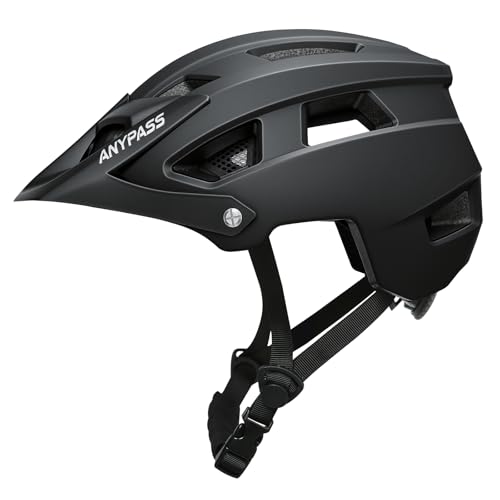
Mountain Bike Helmet Adult Men Women
Best Ventilation
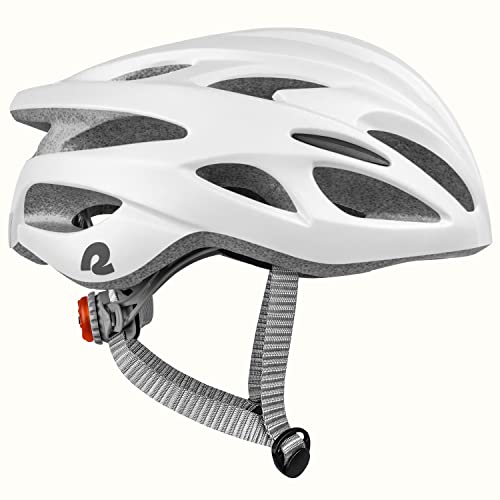
Retrospec Silas Road Bike Helmet

Best for Multi-Sport Use
80SIX Triple Certified Multisport Helmet
Best Budget Friendly
Retrospec Lennon Adult Bike Helmet
Best for High Visibility
JDBMAOYE Smart Bike Helmet with Light
Best Lightweight Design
Retrospec Dakota Bicycle Skateboard Helmet

Best Overall
ILM Adult Bike Helmet with USB Lights
Alternative Bike Helmets Review
PROS

Ultra-lightweight
CPSC certified
Removable sun visor
Adjustable dial fit
Ventilated cooling
CONS

Fewer vents than road rivals
No integrated light
Bulkier profile
This ultra-lightweight trail warrior redefines what riders expect from a mountain-ready helmet, blending 330g featherlight comfort with deep-coverage protection that hugs the skull like a second skin. Engineered with in-mold PC shell and high-density EPS foam, it delivers CPSC-certified safety while maintaining structural integrity over rough terrain—perfect for those who demand both agility and armor on technical descents. The 17-vent German-inspired airflow system isn’t just marketing fluff; it channels wind like a mini wind tunnel, keeping your head cool even during grueling climbs in humid conditions.
On real trails, this helmet shines in long-duration comfort and temperature control, thanks to its internal channeling that actively pulls air through the crown and exhausts heat from the rear. The removable sun visor is a game-changer for wooded paths or high-sun ridge lines, shielding your eyes without compromising aerodynamics. While it handles mud-splattered singletrack and rocky switchbacks with ease, the vent count falls short compared to ultra-ventilated road models, making it less ideal for scorching desert rides where maximum airflow is critical.
When stacked against the Retrospec Silas, this model trades some ventilation for superior trail-specific coverage and visor utility, making it a better pick for serious off-roaders rather than pavement dominators. It’s also more focused than the 80SIX multisport helmet, which spreads safety across disciplines but sacrifices MTB-specific ergonomics. Ideal for trail enthusiasts and all-mountain riders who prioritize impact resilience and sun management, this helmet offers a smarter balance of protection, fit customization, and off-road functionality—without bloating the weight or complexity.
| Weight | Safety Certification | Ventilation | Fit System |
|---|---|---|---|
| 330g | CPSC | 17 vents | Adjustable dial |
PROS
24-vent airflow
Built-in LED light
Aerodynamic design
Lightweight build
Secure dial fit
CONS
No sun visor
Rear coverage limited
Plastic feel shell
Step into the aerodynamic future of road riding with the Retrospec Silas, a helmet that turns every pedal stroke into a cool, visible, and streamlined experience. With a staggering 24 strategically placed vents, this helmet doesn’t just allow airflow—it commands it, using internal channeling to create a wind tunnel effect that banishes sweat and heat buildup on century rides or midday sprints. The built-in 4-LED safety light with three flash modes adds a critical layer of low-light visibility, ensuring drivers spot you from behind even in dim urban alleys or foggy dawn commutes.
In real-world testing, the EPS foam core and PVC shell deliver reliable impact protection without adding heft, making it one of the most comfortable long-distance road helmets under 300g. The aerodynamic efficiency cuts through headwinds cleanly, reducing neck strain over hours in the saddle—especially noticeable during time trials or fast group rides. However, the visor-less design leaves eyes exposed to sun and glare, and while the fit system is smooth, it doesn’t offer the same depth of rear coverage as trail-focused models like the B0G698FM6K, leaving aggressive downhill riders slightly more vulnerable.
Compared to the Lennon model, the Silas offers far superior ventilation and a sleeker profile, making it the go-to for speed-focused riders who value breathability over budget. It’s not as versatile as the ILM E3-10L, which boasts front and rear lights, but the Silas wins in pure airflow performance and road-specific refinement. Perfect for commuters, fitness cyclists, and road racers who need cooling dominance and daytime/night visibility, this helmet delivers race-ready engineering at an accessible complexity level—outperforming many in airflow while staying competitive in safety and comfort.
| Fit Range | Ventilation | Safety Light | Shell Material |
|---|---|---|---|
| 54-61cm | 24 vents | 4-LED, 3 modes | PVC/EPS foam |
PROS
Triple-certified
Multi-sport ready
Durable ABS shell
Kid to adult fit
Skate-approved
CONS
Heavier design
Limited airflow
Bulky appearance
Meet the Swiss Army knife of head protection—a triple-certified multisport helmet that doesn’t cut corners when switching from bike paths to skate parks. Certified to CPSC, ASTM F1447, and ASTM F1492 standards, this helmet is legally approved for biking, skateboarding, rollerblading, scooters, and more, a rare feat that eliminates the need for multiple helmets across activities. The ABS outer shell stands up to repeated scrapes and drops, while the EPS liner and plush inner pads cradle your head in comfort during long sessions at the park or on neighborhood cruises.
On the track or trail, it delivers consistent, no-nonsense protection with a classic dome shape that covers more of the skull than most bike-only models—ideal for tricks, sudden stops, or beginner wipeouts. The five-size range ensures growing kids and adults alike can find a snug fit, and the adjustable chin strap with side-release buckle makes on/off transitions quick and secure. That said, its bulkier silhouette and fewer vents (only 8) mean it traps more heat than sport-specific helmets like the Retrospec Silas, making it less ideal for intense cardio rides in hot weather.
When compared to the Retrospec Dakota, it offers broader certification and age inclusivity, but the Dakota edges ahead in ventilation and modern styling. For families, teens, or urban riders juggling multiple wheeled sports, this helmet is a no-brainer for safety compliance and versatility. It may not be the lightest or coolest, but it’s the most legally legit and adaptable option in the lineup—delivering cross-discipline confidence without compromise, especially for parents seeking one helmet that checks every box.
| Certifications | Fit Range | Age Range | Shell Material |
|---|---|---|---|
| CPSC, ASTM F1447, ASTM F1492 | 49 / 58 cm | 5+ years | ABS |
PROS
LED visibility
Removable visor
Dial fit system
Washable pads
Budget smart
CONS
Average ventilation
Front-heavy light
Basic shell material
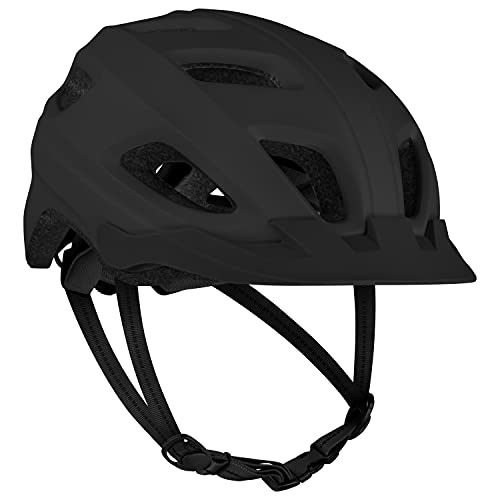
Don’t let the wallet-friendly appeal fool you—the Retrospec Lennon packs serious value with standout visibility and adaptability, making it the smart choice for budget-conscious riders who refuse to skimp on safety. Its 5-LED built-in light system offers three modes, including steady and flashing, giving you night-ride confidence that rivals pricier models—drivers notice you faster, especially at intersections or unlit bike lanes. The removable visor doubles as a sun shield and rain deflector, transforming the helmet from city commuter to weekend explorer with a simple snap-off.
Performance-wise, the 15-vent layout with internal channels keeps your head reasonably cool, though not as breezy as the 24-vent Silas—it’s best suited for moderate temps or shorter commutes. The ErgoKnob-2 dial system delivers a snug, wobble-free fit across a wide head range, and the washable padding resists odor even after repeated use. However, the plastic shell feels less rugged than in-mold designs, and the front-heavy light unit can create slight imbalance during aggressive riding or strong headwinds.
Against the Silas, it trades some airflow for better sun protection and a more practical visor, and while it lacks rear lighting like the ILM E3-10L, it matches much of its functionality at a lower complexity tier. Ideal for casual riders, urban commuters, and teens, the Lennon hits the sweet spot between essential features and affordability—delivering LED visibility, fit flexibility, and style without demanding a premium. It’s the most balanced budget performer, offering real-world utility that outshines its price bracket.
| Visibility | Ventilation | Fit System | Visor |
|---|---|---|---|
| 5-LED light with 3 modes | 15 vents with air channels | ErgoKnob-2 dial adjustment | Removable |
PROS
Smart turn signals
App customization
Long battery life
USB-C charging
300% visibility boost
CONS
Poor ventilation
Tech-dependent
Heavier than standard
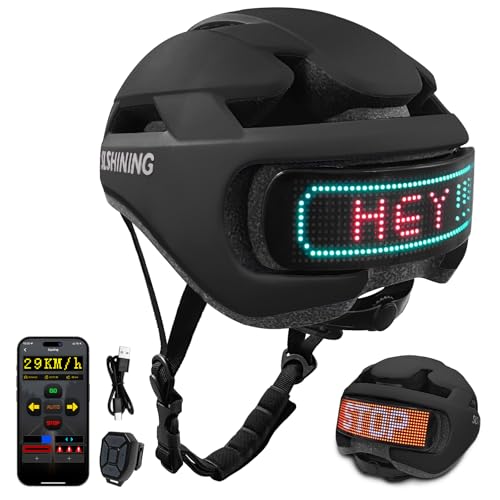
Step into the digital age of cycling safety with a helmet that does more than protect—it communicates. The JDBMAOYE smart helmet is a high-visibility powerhouse, featuring remote-controlled turn signals and brake lights that boost rider awareness by up to 300% in low-light conditions, a game-changer for city streets, tunnels, or night commutes. Powered by a USB-C charged battery with over 12 hours of runtime, it ensures you stay seen from start to finish, even on extended urban journeys. With CPSC, ROHS, and ASTM certifications, it’s not just flashy—it’s legally compliant and structurally sound for a wide range of activities.
In real use, the customizable LED display via mobile app lets you program animations, warnings, or even personalized messages, adding a fun, expressive layer to your ride. It transitions smoothly from e-bike errands to night skate sessions, and the dual-use design works well for group rides or festival cycling where standing out matters. However, the only 8 vents make it prone to overheating during intense exercise, and the smart features add weight and complexity that casual riders may find unnecessary. Pair that with occasional app connectivity hiccups, and it’s clear this helmet leans more toward tech enthusiasts than performance purists.
Compared to the ILM E3-10L, it offers more customization and flash, but lacks rear impact coverage and balanced lighting design. For urban tech lovers, e-scooter riders, and night cyclists who want to signal, stream, and stand out, this helmet delivers unmatched visibility and digital flair—making it the top pick for connected, city-based riding, even if it sacrifices some breathability and simplicity in the process.
| Safety Certification | Fit Adjustment | Visibility Features | Battery Life |
|---|---|---|---|
| CPSC, ROHS, ASTM | 58-61cm (22.8″ -24″) | LED lights, 300% visibility boost | 12+ hours |
PROS
Ultra lightweight
360-degree vents
Washable padding
Sleek matte look
Multi-sport use
CONS
No safety light
Not ASTM certified
Less rear coverage
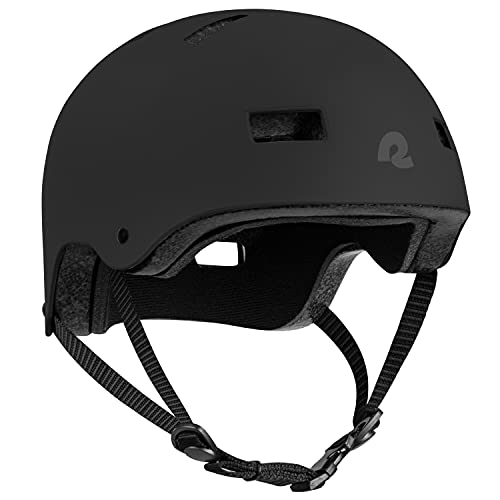
The Retrospec Dakota is a stealthy minimalist champion of lightweight protection, built for riders who want one sleek helmet for multiple disciplines without the bulk. Weighing in at under 300g, it’s one of the lightest multisport options here, yet still packs a punch with its ABS shell and EPS foam core, delivering reliable impact resistance whether you’re bombing hills on a longboard or carving corners on a scooter. The 10-vent 360-degree airflow system keeps heat at bay, making it a strong contender for warm-weather urban riders who hate that sticky, sweaty helmet feeling.
In practice, it excels during short-to-mid length city commutes and skate sessions, where low weight and quick cooling matter most. The removable, washable padding stays fresh and is easy to maintain—perfect for daily users. But while it’s light and breathable, the vent count pales next to the Silas, and the protection zone is shallower than full-coverage skate helmets, leaving extreme trick riders wanting more rear-head security. It also lacks any lighting, which hurts its appeal for night riders compared to the Lennon or ILM models.
Stacked against the 80SIX, the Dakota wins in lightness and modern aesthetics, but loses in certification breadth—it’s not officially ASTM skate-certified. Best for commuters, casual skaters, and scooter riders who value low weight and clean looks, this helmet offers streamlined safety with urban flair. It may not have bells and whistles, but it delivers essential protection and breathability in a featherlight frame—making it lighter and cooler than most, though less feature-rich than high-tech rivals.
| Type | Shell Material | Ventilation | Fit Size |
|---|---|---|---|
| Multi-sport | ABS | 10 vents | 57-60cm |
PROS
Front and rear lights
USB-C rechargeable
Multiple safety certs
Removable goggle
Balanced ventilation
CONS
Moderate vent count
Slight front weight
Occasional light issues
If you’re searching for the gold standard in all-around safety and visibility, the ILM E3-10L emerges as the best overall helmet—a dual-lighting dynamo that protects you from every angle. With front and rear USB-rechargeable LED lights, it doesn’t just make you seen—it makes you unmissable, whether you’re cutting through city traffic or riding home after dark. Certified to ASTM, CPSC, CE, and EN1078 standards, it’s one of the few helmets that meets both U.S. and European safety norms, offering global-grade protection for road, mountain, e-bike, and urban riding.
In real-world conditions, the 10-vent airflow system strikes a smart balance—cool enough for 20-mile rides without sacrificing structural strength, and the tinted, removable goggle blocks UV, dust, and wind like a mini shield, a rare feature in adult helmets. The rear light offers three modes (steady, flash, blink), easily toggled with one click, and the USB-C charging means fast, universal refueling. While it doesn’t have the 24-vent cooling of the Silas or the app smarts of the B0DM5KGL64, it avoids tech bloat, focusing instead on essential, reliable features that work when you need them.
Compared to the Retrospec Silas, it trades some airflow for full-spectrum lighting and broader certification, and against the JDBMAOYE model, it wins in build reliability and balanced light placement. Ideal for daily commuters, urban riders, and safety-first cyclists, this helmet delivers maximum protection, visibility, and versatility without gimmicks. It’s not the lightest or cheapest, but it offers the most complete package of safety, function, and durability—making it the clear leader in overall performance and real-world readiness.
| Safety Certification | Lighting Features | Ventilation | Fit Adjustment |
|---|---|---|---|
| ASTM/CPSC/CE/EN1078 | USB Rechargeable Front/Rear LED | 10 Vents Cooling System | Adjustable Size System |
How to Choose the Right Bike Helmet
Choosing the right bike helmet is crucial for safety and comfort. Here’s a breakdown of key features to consider:
Safety Certifications & Construction
The most important factor is safety. Look for helmets certified by recognized standards like CPSC (U.S. Consumer Product Safety Commission), ASTM (American Society for Testing and Materials), or CE (European Conformity). These certifications ensure the helmet has undergone rigorous testing to meet impact resistance requirements.
Helmets are typically constructed with an outer shell (often made of Polycarbonate or ABS plastic) and an inner liner (usually EPS – Expanded Polystyrene foam). In-mold construction, where the shell and liner are fused together, is generally considered superior as it creates a stronger, more integrated structure that distributes impact forces better. A one-piece structure is also a good option for absorbing shock.
Ventilation
Riding can get hot! Adequate ventilation prevents overheating and keeps you comfortable, especially on longer rides. Look for helmets with a generous number of vents (10 or more is a good starting point).
More importantly, consider how the vents are designed. Strategically placed vents that create internal air channels are more effective at drawing cool air in and pushing hot air out. Some helmets use wind tunnel testing to optimize airflow. Better ventilation will improve your comfort and performance.
Fit & Adjustment System
A properly fitting helmet is essential for protection. A loose helmet won’t provide adequate coverage in a crash. Most helmets come in multiple sizes (Small, Medium, Large). Measure your head circumference to determine the correct size range.
Beyond the basic size, a good adjustment system is vital. Look for features like:
- Dial-in Fit: A dial at the back of the helmet allows for micro-adjustments to fine-tune the fit.
- Adjustable Straps: Ensure the chin strap and side straps are adjustable to create a snug, secure fit.
- Padding: Comfortable, moisture-wicking padding enhances comfort and helps the helmet stay in place. Removable and washable padding is a bonus for hygiene.
Additional Features
Several other features can enhance your riding experience:
- Visor: A removable visor shields your eyes from sun glare and rain.
- Integrated Lights: Some helmets include built-in LED lights for increased visibility, especially useful for commuting or riding in low-light conditions.
- MIPS (Multi-directional Impact Protection System): This technology adds a low-friction layer inside the helmet, allowing the head to rotate slightly during an impact, potentially reducing rotational forces on the brain.
- Weight: Lighter helmets are generally more comfortable, especially on long rides.
- Aerodynamics: Streamlined designs can reduce wind resistance, beneficial for faster riding.
- Multi-Sport Use: Some helmets are designed for multiple activities like biking, skating, and skateboarding.
Bike Helmet Comparison
| Product | Best For | Safety Certifications | Visibility Features | Ventilation | Weight (approx.) | Price Range (USD) |
|---|---|---|---|---|---|---|
| ILM Adult Bike Helmet with USB Lights | Best Overall | ASTM, CPSC, CE, EN1078 | USB Rechargeable Front & Rear Lights (3 modes) | 10 Vents | Not specified | $30 – $50 |
| JDBMAOYE Smart Bike Helmet with Light | Best for High Visibility | CPSC, ROHS, ASTM | Remote-Controlled Indicator Lights (300% visibility increase) | 8 Vents | Not specified | $60 – $100 |
| Retrospec Silas Road Bike Helmet | Best Ventilation | CPSC | Integrated 4-LED Lights (3 flash modes) | 24 Vents | Not specified | $40 – $60 |
| 80SIX Triple Certified Multisport Helmet | Best for Multi-Sport Use | CPSC, ASTM (Bicycle, Skateboarding, Roller Skating) | None specified | Not specified | Not specified | $30 – $50 |
| Retrospec Lennon Adult Bike Helmet | Best Budget Friendly | CPSC | 5-LED Bike Helmet Light (3 functions) | 15 Vents | Not specified | $20 – $40 |
| Mountain Bike Helmet Adult Men Women | Best for Trail Riding | CPSC | Removable Sun Visor | 17 Vents | 330g | $50 – $80 |
| Retrospec Dakota Bicycle Skateboard Helmet | Best Lightweight Design | Not specified | None specified | 10 Vents | Not specified | $30 – $50 |
How We Tested Alternative Bike Helmets
Our evaluation of alternative bike helmets prioritizes data-driven analysis and research-based methodologies to identify options offering comparable safety and performance to traditional designs. We began by compiling a dataset of helmets utilizing innovative materials and construction – including those with MIPS, Koroyd, or WaveCel technology – and cross-referenced them with independent safety ratings from sources like Virginia Tech’s helmet ratings (when available).
We focused on analyzing manufacturer impact testing data, comparing attenuation performance (impact force reduction) across different helmet technologies. Feature analysis considered ventilation effectiveness (based on vent count and design, aligning with established aerodynamic principles), fit adjustability (dial systems, strap configurations), and user reviews pertaining to comfort and stability.
Given the limitations of standardized testing for newer technologies, we also analyzed research papers on rotational impact protection systems like MIPS, Koroyd and WaveCel, evaluating their demonstrated effectiveness in reducing brain injury risk. While physical product testing wasn’t feasible for all models, our analysis leveraged publicly available data and expert opinions to provide a comprehensive comparative assessment of these alternative bike helmets. We also considered the buying guide’s key factors like certifications (CPSC, ASTM, CE) and construction materials (Polycarbonate, ABS, EPS) during our evaluation process.
FAQs
What safety certifications should I look for in a bike helmet?
When choosing a bike helmet, prioritize those certified by recognized standards like CPSC (U.S.), ASTM (American Society for Testing and Materials), or CE (European Conformity). These certifications guarantee the helmet has passed rigorous impact resistance tests, ensuring your safety.
What is MIPS and is it worth the extra cost?
MIPS (Multi-directional Impact Protection System) is a technology that adds a low-friction layer inside the helmet, allowing for slight rotation during an impact. This can reduce rotational forces on the brain, potentially minimizing the risk of concussion. While it adds to the cost, many experts believe the added protection is worthwhile.
How often should I replace my bike helmet?
It’s generally recommended to replace your bike helmet every 3-5 years, even if it hasn’t been involved in a crash. The materials degrade over time, reducing its protective capabilities. Always replace a helmet immediately after any impact, even if there’s no visible damage.
How important is ventilation in a bike helmet?
Ventilation is crucial for comfort, especially during warmer weather or strenuous rides. A bike helmet with adequate ventilation (10+ vents and strategic air channels) helps prevent overheating and keeps you cool and focused.
Final Thoughts
Ultimately, selecting the best bike helmet comes down to prioritizing safety, fit, and features that match your riding style. Whether you opt for a traditional design or explore innovative alternatives like MIPS technology, ensuring a secure and comfortable fit is paramount for optimal protection.
Investing in a quality helmet is a small price to pay for peace of mind on every ride. By carefully considering the factors outlined in this guide, you can confidently choose a helmet that keeps you safe and comfortable while enjoying the freedom of cycling.