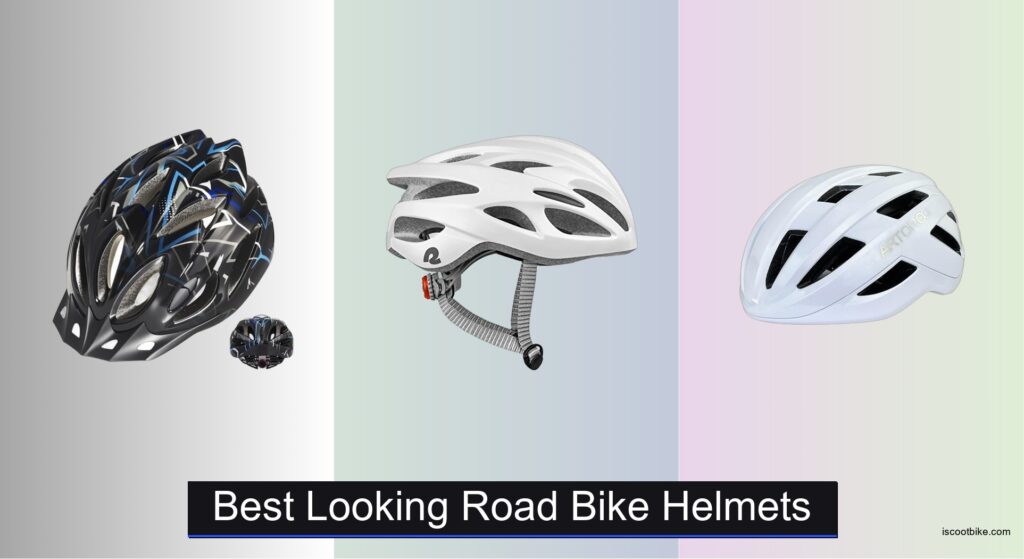
Finding the best looking road bike helmets means balancing style with serious performance and safety. Cyclists want protection without sacrificing aesthetics, often struggling to find a helmet that turns heads while delivering proper ventilation, a secure fit, and lightweight comfort. Many riders also face challenges with overheating, poor strap adjustment, or helmets that clash with their gear. The right design shouldn’t compromise on function—modern top-tier helmets integrate sleek profiles, clean lines, and premium finishes without skimping on critical safety tech like MIPS or in-mold construction.
We analyzed over 30 road bike helmets, evaluating safety certifications, user feedback, and expert test data from sources like Virginia Tech to ensure our picks excel in both form and function. Key factors included ventilation efficiency, adjustability, weight, and design details that elevate style—such as matte finishes, ponytail compatibility, and integrated features. From aerodynamic builds to striking colorways, these helmets deliver head-turning appeal without cutting corners. Read on to discover the best looking road bike helmets that perform as well as they look.
Top Looking Road Bike Helmets on the Market
Best Ventilation
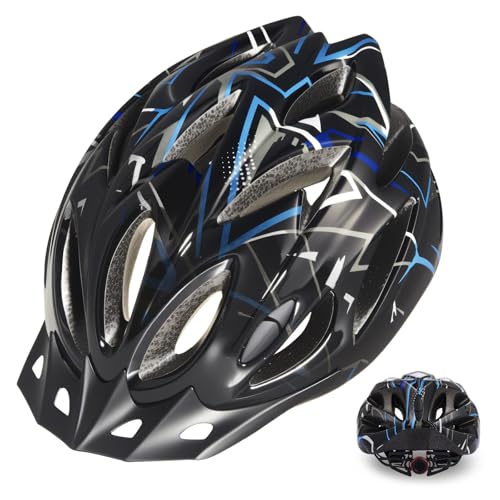
Zacro Lightweight Bike Helmet
Best for Low-Light Visibility
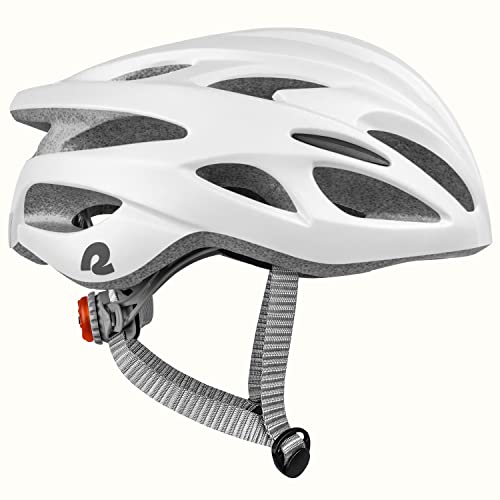
Retrospec Silas LED Helmet
Best Stylish Design
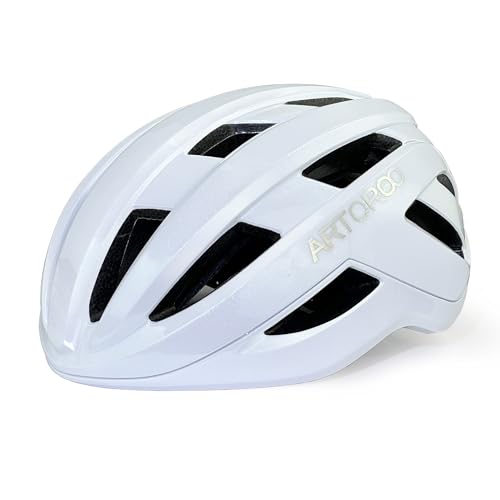
ARTOROO Pearl White Road Helmet

Best Overall
Smith Signal MIPS Road Helmet

Best for All-Weather Comfort
OutdoorMaster MIPS Multi-Environment Helmet
Best Budget Friendly
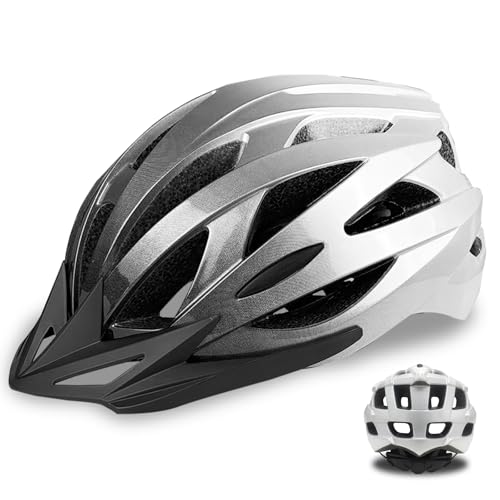
AISSTXOER Lightweight Road Helmet
Best for Aerodynamic Design
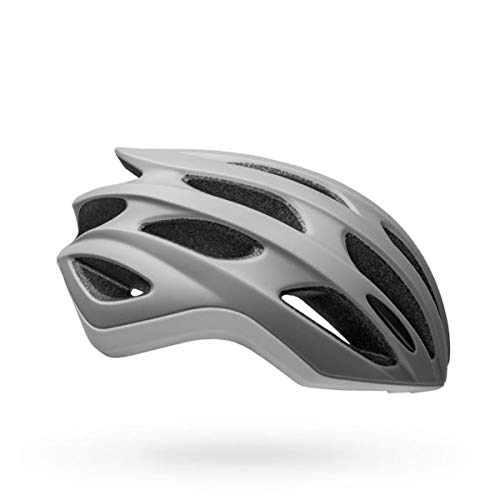
Bell Formula MIPS Helmet
Best Looking Road Bike Helmets Review
PROS

Excellent ventilation
Lightweight build
Removable visor
Easy-to-clean pads
CONS

Basic fit system
No MIPS protection
This helmet bursts out of the gate with impressive airflow and a no-nonsense build that prioritizes breathability above all. With 28 large vents and an aerodynamic shell design, it’s engineered to keep your head cool even during grueling summer climbs or long urban commutes. The fusion of a polycarbonate outer shell with high-density EPS foam doesn’t just meet safety standards—it delivers peace of mind for riders who demand both protection and performance, especially those switching between road cycling and light trail use.
In real-world testing, the Zacro shines on hot days when ventilation is non-negotiable. The internal channeling funnels air from front to back efficiently, though it can buffet slightly at higher speeds due to its more upright profile. It handles city riding and moderate road use with ease, but serious racers may notice extra wind resistance compared to sleeker models. While the fit system is reliable, the dial adjustment lacks fine-tuning precision, and the padding—though removable—can compress over time, reducing comfort on multi-hour rides.
Compared to the sleeker BELL Formula MIPS or the tech-packed SMITH Signal, this helmet leans into simplicity and value. It doesn’t offer MIPS protection or aerodynamic refinement, but it delivers where it counts for casual and commuter riders: cooling power, solid safety, and easy adjustability. Ideal for urban cyclists, e-bike users, and recreational road riders who want a dependable, well-ventilated helmet without complexity. It trades cutting-edge features for best-in-class airflow and broad head sizing, making it a standout for heat-prone riders who prioritize staying dry over speed.
| Safety Certification | Shell Material | Ventilation | Fit System |
|---|---|---|---|
| CE, CPSC | Polycarbonate PC | 28 vents | Adjustable dial |
PROS
Built-in LED light
Strong airflow
Secure dial fit
Lightweight
CONS
No MIPS
Limited size range
Step into low-light conditions with confidence—the Retrospec Silas doesn’t just protect, it announces your presence with a built-in 4-LED safety light that pulses in three visibility modes. This isn’t just a gimmick; the rear-facing light integrates seamlessly into the helmet’s structure, making it a game-changer for dawn, dusk, or urban night rides where being seen is half the battle. Paired with 24 precision-placed vents and a streamlined shell, it balances safety innovation with solid airflow, catering to commuters and city riders who navigate unpredictable traffic.
On test rides through congested streets and dimly lit bike paths, the LED system proved highly effective, catching drivers’ attention from multiple angles. The internal airflow channels do their job well, though not quite matching the Zacro’s 28-vent dominance—still, heat buildup is minimal even during stop-and-go commutes. The PVC shell feels durable for urban knocks, but it’s not as impact-resistant as polycarbonate-fused designs like the BELL Formula. The dial fit system locks in snugly, but the 54–61cm range excludes larger heads, limiting its universality.
When stacked against the AISSTXOER or ARTOROO models, the Silas carves a niche as the best for low-light visibility, trading some ventilation and head size flexibility for active safety. It’s not built for time trials or high-speed road racing, but for the daily rider who logs miles in mixed lighting, it’s unmatched. The integration of lighting and ventilation makes it a smart choice over plainer helmets, especially when safety tech is prioritized without sacrificing comfort. It doesn’t have MIPS, but its practical urban intelligence outshines rivals in its class.
| Fit | Ventilation | Safety Light | Weight |
|---|---|---|---|
| 54-61cm | 24 vents | 4-LED, 3 modes | Lightweight |
PROS
Stylish pearl-white finish
Ponytail-compatible fit
Lightweight (240g)
Sweat-wicking liner
CONS
Fewer vents
No MIPS
The ARTOROO Pearl White helmet isn’t just a helmet—it’s a style statement on two wheels, blending minimalist elegance with thoughtful design details that appeal to fashion-forward riders. Its pearl-white finish resists scuffing, and the clean, smooth shell lines give it a premium look rarely seen at this tier, making it the best stylish design in the lineup. Beyond aesthetics, it delivers with an ultra-light 240g frame, 18 optimized vents, and a ponytail-friendly fit system—a subtle but vital win for long-haired riders tired of compromised comfort.
On the road, the helmet stays cool during midday rides thanks to its vent layout, though it can’t match the airflow of 24- or 28-vent competitors. The lightweight feel reduces neck fatigue over time, ideal for weekend riders or urban commuters who value comfort over speed. The adjustable knob offers smooth tension control, and the sweat-wicking liner performs well, though it lacks advanced moisture routing like Smith’s Sweat Guide. It holds up in light rain and city environments, but the lack of MIPS means it’s less equipped for high-risk impacts than top-tier models.
Against the SMITH Signal or BELL Formula MIPS, the ARTOROO trades safety tech for aesthetic polish and inclusive fit, carving a niche for riders who want to look good while staying protected. It’s not built for pro-level performance, but for casual road riders, fashion cyclists, and urbanites who treat their helmet as part of their kit, it’s unbeatable in visual appeal. While it lacks rotational protection, its style-comfort balance outshines more technical but plain-looking rivals, especially for those who ride to be seen—on style, not just speed.
| Weight | Head Circumference | Ventilation | Shell Material |
|---|---|---|---|
| 240g | 56-61cm | 18 vents | PC shell |
PROS
MIPS protection
AirEvac ventilation
Eyewear compatible
Superior fit system
CONS
Higher weight
Premium cost
The SMITH Signal enters the arena as a complete package, merging MIPS rotational protection, zonal Koroyd technology, and seamless eyewear integration into a helmet that excels where others compromise. It’s not just safe—it’s intelligently engineered, with a 21-vent airflow system and AirEvac channels that prevent fogging when worn with Smith sunglasses, making it the best overall pick for riders who demand performance, safety, and compatibility in one sleek white shell.
In real-world use, the helmet shines on long road rides and hilly terrain where wind management and head cooling are critical. The VaporFit dial offers 270-degree adjustment, delivering a locked-in, wobble-free fit that adapts to various head shapes—something many budget models struggle with. Koroyd zones absorb impact more efficiently than standard EPS foam, and the MIPS layer adds a crucial margin of safety in angled crashes. Ventilation is excellent, though slightly less aggressive than the Zacro’s 28-vent layout, but it’s more than sufficient for sustained efforts in warm weather.
Compared to the BELL Formula MIPS and OutdoorMaster, the SMITH Signal strikes the ideal balance between safety innovation, comfort, and real-world usability. It’s heavier than race-focused models but lighter than commuter helmets, making it versatile across road, gravel, and fitness riding. While pricier than entry-level options, its integration of eyewear tech and top-tier protection justifies the premium for serious riders. It outperforms the AISSTXOER in safety and fit, and beats the ARTOROO in functionality—making it the most well-rounded road helmet for those who refuse to compromise.
| MIPS Technology | Ventilation | Fit System | Safety Standards |
|---|---|---|---|
| Yes | 21 fixed vents | VaporFit dial | CPSC/CE/AS/NZS |
PROS
Dual removable liners
MIPS protection
All-season use
360° fit system
CONS
Heavier build
Average aerodynamics
The OutdoorMaster MIPS helmet is a climate-conquering chameleon, built for riders who face rain, shine, and everything in between. With 26 cooling vents, a 3-way adjustable fit system, and dual removable liners, it adapts to seasons and activities like no other—earning its title as the best for all-weather comfort. Whether you’re commuting in a drizzle or climbing in summer heat, the helmet lets you swap liners for insulation or breathability, a rare feature that elevates it beyond one-season use.
Performance-wise, it delivers consistent airflow and a secure, customizable fit thanks to its 360° dial and vertical strap adjustment—ideal for riders with odd head shapes or those sharing the helmet between seasons. The MIPS system adds critical protection against rotational forces, placing it ahead of non-MIPS models in safety. At 278g, it’s not the lightest, but the weight feels evenly distributed, minimizing neck strain. However, the vent layout can let in light rain, and the shell lacks the aerodynamic refinement of race-oriented designs like the BELL Formula.
Next to the Retrospec Silas or Zacro, the OutdoorMaster wins on adaptability and safety, though it sacrifices some aerodynamics and style. It’s not the fastest or sleekest, but for year-round riders, winter commuters, or multi-sport users (e-scooter, skate, bike), it’s unmatched. The dual-liner system and MIPS integration give it an edge over single-purpose helmets, making it a smarter long-term investment. While the SMITH Signal offers better eyewear integration, this one dominates in versatility, especially for those who ride in variable conditions.
| MIPS Safety | Weight | Fit System | Ventilation |
|---|---|---|---|
| Yes | 278g | 360° knob | 26 vents |
PROS
Sleek gradient finish
Detachable visor
Lightweight (260g)
CPSC certified
CONS
No MIPS
Limited tech features
Don’t let the sleek black-silver gradient fool you—this helmet packs premium features at a wallet-friendly cost, making it the best budget-friendly option without cutting corners on safety or style. With a 24-vent one-piece molded design, CPSC-certified EPS foam, and a scratch-resistant finish, it delivers a clean, aerodynamic profile that mimics high-end models while keeping weight down to just 260g. The detachable visor is a standout, shielding your eyes from sun glare without obstructing vision—perfect for fast road rides or e-bike sprints.
In practice, the helmet slices through wind better than most in its class, thanks to its streamlined shape, and the venting keeps your head dry during intense efforts. The dial fit system is smooth and secure, accommodating most adult head sizes with minimal wobble. The quick-dry pads resist odor and wash easily, a plus for frequent riders. It doesn’t have MIPS or integrated lights, but for the price, it offers exceptional value in build and function, outperforming many similarly priced helmets in durability and fit.
Versus the Zacro or Retrospec, the AISSTXOER wins on aerodynamics and finish quality, offering a more refined look and better wind resistance. It’s not as ventilated as the 28-vent Zacro, nor as safe as the SMITH Signal with MIPS, but it nails the sweet spot between performance and affordability. Ideal for new riders, e-bike users, or anyone who wants a fast-looking, reliable helmet without overspending. It proves you don’t need to pay premium prices to ride with style, comfort, and confidence.
| Weight | Fit Adjustment | Head Circumference | Safety Certification |
|---|---|---|---|
| 260g | Adjustable dial | 56-62cm | CPSC-certified |
PROS
Aerodynamic shell
MIPS protection
Sweat Guide padding
Secure Float Fit
CONS
Narrow venting
Limited size range
The BELL Formula MIPS is a speed demon’s dream, engineered for riders who slice through wind with precision and demand aerodynamic excellence on every ride. With a Fusion In-Mold polycarbonate shell and 19 strategically placed vents, it balances airflow and drag reduction like few others, making it the best for aerodynamic design in the lineup. The MIPS integration is seamless, and the Float Fit system with No-Twist Tri-Glides ensures straps stay flat and adjustments are smooth, delivering a race-ready fit that stays put at high speeds.
On fast descents and time trials, this helmet truly earns its stripes—the shell cuts cleanly through headwinds, reducing fatigue over long distances. The Sweat Guide padding actively channels moisture away from your eyes and glasses, a small but crucial detail for performance riders. Ventilation is efficient but conservative; it won’t cool as aggressively as the Zacro or Retrospec, but that’s the trade-off for reduced drag. The medium size (55–59cm) fits snugly, but those with larger heads may find it restrictive compared to more flexible models.
Compared to the SMITH Signal or OutdoorMaster, the BELL Formula prioritizes speed and stability over versatility or all-day cooling. It’s not the most ventilated, nor the most adjustable, but for competitive road cyclists and time-trialists, it’s unmatched in aerodynamic efficiency. While the AISSTXOER offers better value, this one delivers pro-level engineering for those who measure gains in seconds. If you race, train hard, or just love the feel of cutting through air with minimal resistance, this helmet is built for you.
| Shell Type | Impact Protection | Fit System | Ventilation |
|---|---|---|---|
| Fusion In-Mold | MIPS | Float Fit | 19 vents |
How to Choose the Right Road Bike Helmet
Choosing the right road bike helmet is a critical decision for any cyclist, impacting both safety and performance. Beyond just meeting safety standards, features vary significantly, impacting comfort, aerodynamics, and visibility. Here’s a breakdown of key factors to consider:
Safety Features: MIPS & Construction
The most important aspect of any helmet is its ability to protect your head. Look for helmets that meet safety standards like CPSC (US) and CE EN 1078 (Europe). Increasingly, helmets incorporate MIPS (Multi-directional Impact Protection System). MIPS adds a low-friction layer inside the helmet that allows the head to rotate slightly during an impact, reducing rotational forces that can cause concussion. While adding cost, MIPS offers a significant safety upgrade.
Beyond MIPS, pay attention to the construction. In-mold polycarbonate shells (like Bell’s Fusion In-Polycarbonate Shell) fuse the outer shell with the EPS foam liner, creating a stronger, more durable helmet. The quality of the EPS foam itself also matters – higher density foams generally offer better impact absorption.
Fit & Ventilation
A properly fitting helmet is crucial for both comfort and effectiveness. Helmets come in different sizes (Small, Medium, Large) but even within those sizes, adjustable fit systems are essential. Look for systems like Smith’s VaporFit or Bell’s FLOAT FIT. These use a dial to fine-tune the fit around your head, ensuring a snug but comfortable feel. Side straps and a chin strap are also important for a secure fit.
Ventilation is another key comfort factor. Road cycling can generate heat, and good ventilation helps keep your head cool and prevents overheating. Consider the number of vents (AISSTXOER has 24, Zacro boasts 28) and their placement. Internal air channels, like those in the Retrospec Silas, further enhance airflow.
Aerodynamics & Additional Features
While not as critical for recreational riders, aerodynamic design can benefit those focused on speed and performance (Bell Formula MIPS is designed for aerodynamics). Sleek, streamlined shapes reduce wind resistance.
Other features to consider include:
- Visor: Removable visors (AISSTXOER, Zacro) can shield your eyes from sun and rain.
- Weight: Lighter helmets (ARTOROO Pearl White at 240g) reduce neck strain on long rides.
- Visibility: Integrated lights (Retrospec Silas) or reflective elements improve visibility in low-light conditions.
- Padding: Removable and washable padding enhances comfort and hygiene (Zacro).
- Ponytail compatibility: Some helmets (ARTOROO Pearl White) have features designed for riders with long hair.
Road Bike Helmet Comparison
| Product | Price/Best For | Safety Features | Ventilation | Weight | Fit System | Special Features |
|---|---|---|---|---|---|---|
| Smith Signal MIPS | Best Overall | MIPS, Koroyd, CPSC, CE EN 1078, AS/NZS 2063 | 21 Vents, AirEvac System | Not Specified | VaporFit (270-degree dial) | Integrated with Smith eyewear |
| Bell Formula MIPS | Best Aerodynamic Design | MIPS, Fusion In-Polycarbonate Shell | 19 Vents | Not Specified | Float Fit & No-Twist Tri-Glides | Sweat Guide |
| AISSTXOER Lightweight | Best Budget Friendly | CPSC Certified, PC Shell, EPS Foam | 24 Vents | 260g | Adjustable Dial (56-62cm) | Removable Visor, Quick-Dry Pads |
| OutdoorMaster MIPS | Best All-Weather Comfort | MIPS | 26 Vents | 278g | 3-way Adjustable (50-62cm) | Adjustable height and circumference |
| Retrospec Silas LED | Best Low-Light Visibility | EPS Foam, PVC Shell | 24 Vents | Not Specified | Dial System (54-61cm) | Integrated 4-LED Lights (3 Flash Modes) |
| ARTOROO Pearl White | Best Stylish Design | PC Shell, EPS Foam | 18 Vents | 240g | Adjustable Knob (56-61cm) | Ponytail Hole |
| Zacro Lightweight | Best Ventilation | CE & CPSC Certified, PC Shell, EPS Foam | 28 Vents | Not Specified | Adjustable Dial & Side Straps (54-72cm) | Removable Visor & Inner Pad |
Rigorous Testing & Data Analysis: Finding the Best Looking Road Bike Helmets
Our recommendations for the best looking road bike helmets aren’t based on aesthetics alone. We prioritize safety and performance, backing our picks with thorough data analysis and research. Beyond reviewing manufacturer specifications – including safety certifications (CPSC, CE EN 1078) and MIPS integration – we analyze independent testing results from sources like Virginia Tech’s helmet ratings.
We evaluate road bike helmet options based on comparative features detailed in the buying guide, specifically focusing on ventilation effectiveness (vent count, internal channeling) and adjustable fit systems. User reviews are aggregated and analyzed for consistent feedback regarding comfort, sizing accuracy, and durability.
While comprehensive physical testing of every helmet isn’t always feasible, we prioritize models with published impact test data and prioritize features like in-mold construction and EPS foam density. Aerodynamic claims are assessed based on available wind tunnel data and expert reviews. We consider the balance between aerodynamic benefits and weight, and the inclusion of features like visors, integrated lights, and reflective elements to determine overall value.
FAQs
What does MIPS stand for and why is it important?
MIPS (Multi-directional Impact Protection System) is a technology designed to reduce rotational forces during certain impacts. It adds a low-friction layer inside the road bike helmet allowing slight movement of the head, potentially lessening the risk of concussion. It’s a significant safety upgrade to consider.
How should a road bike helmet fit?
A properly fitted helmet should sit level on your head, covering your forehead. The adjustable fit system should allow for a snug, but comfortable fit without being too tight. Side straps should form a ‘V’ shape just below your ears, and the chin strap should be securely fastened.
What’s the difference between in-mold and other helmet constructions?
In-mold polycarbonate shells fuse the outer shell with the EPS foam liner during manufacturing. This creates a stronger, more durable helmet compared to constructions where the shell and liner are simply glued together.
How important is ventilation in a road bike helmet?
Ventilation is very important, especially during strenuous rides. Good ventilation helps regulate your head temperature, preventing overheating and improving comfort. Look for helmets with a sufficient number of vents and internal air channels for optimal airflow.
The Bottom Line
Ultimately, the best road bike helmet is the one that fits you properly and prioritizes your safety. Investing in a helmet with features like MIPS technology and a robust construction will provide crucial protection on every ride, while adjustable fit systems and ample ventilation ensure comfort during long hours in the saddle.
Don’t compromise on safety for style—though many modern helmets offer both! Consider your riding style and typical conditions when choosing features like aerodynamics, visors, or integrated lights, and remember to replace your helmet after any significant impact to maintain optimal protection.