That sinking feeling when your weekend ride plans get derailed because your bike rack won’t fit your vehicle or damages your carbon frame is all too common. With five fundamental bike rack types on the market—hitch-mounted, roof-mounted, trunk-mounted, spare tire-mounted, and truck bed systems—choosing the right one requires understanding exactly how each interacts with your specific vehicle and bikes. This guide cuts through the marketing jargon to show you precisely which bike rack types protect your investment while matching your daily reality, whether you’re hauling a single road bike or multiple e-bikes.
Hitch-Mounted Bike Racks: Platform vs. Hanging Styles Compared

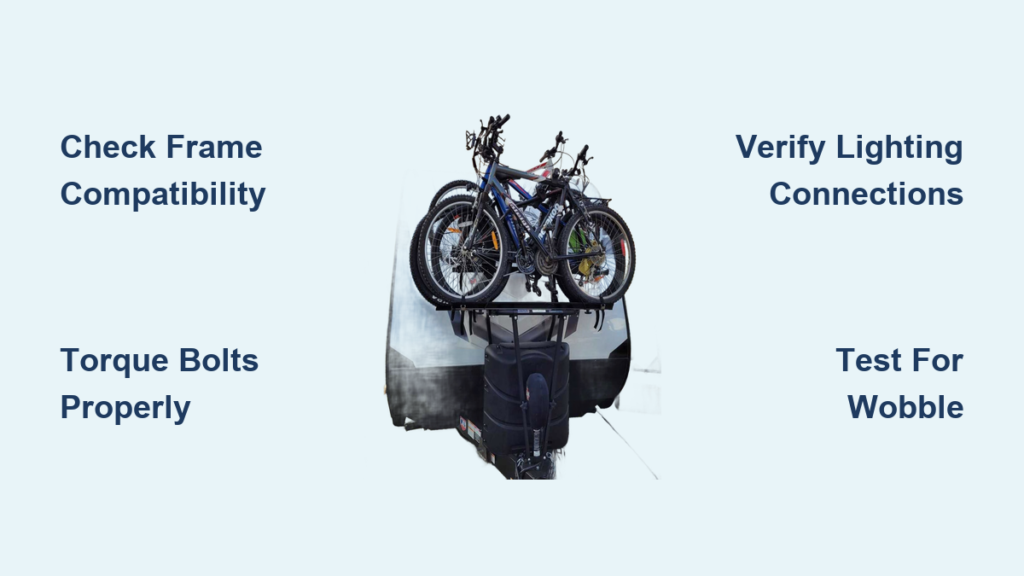
Hitch-mounted racks solve the loading struggle for most drivers, but choosing between platform and hanging styles makes all the difference for bike protection and ease of use. Platform racks support bikes entirely by their wheels, eliminating frame contact that can crack carbon frames or scratch custom paint. These systems work for wheelbases from 20″ to 29″ without adjustment, with individual wheel cradles and rear straps securing each bike up to 60 pounds.
Why Platform Racks Outperform for Carbon Fiber Bikes
Platform racks prevent the top tube pressure that hanging styles apply, making them essential for carbon fiber frames prone to cracking under stress. The front-wheel cradle system positions your bike securely without touching sensitive components. Look for models with foot-operated tilting mechanisms that let you access your trunk without removing bikes—a critical feature when you’re rushing to unload gear after a ride.
Hanging Rack Limitations You Must Know
Hanging-style hitch racks suspend bikes from padded top tube hooks, requiring at least 16 inches of clearance between the top tube and your vehicle. While these systems fold nearly flat for storage (typically to 8 inches depth), they risk frame damage on carbon bikes and require anti-sway cradles to prevent bike-to-bike contact during transport. The compact design works well for steel or aluminum frames but poses real risks for high-end carbon builds.
Hitch Class Requirements That Determine Your Capacity
Your vehicle’s receiver size dictates maximum capacity:
– Class I (1.25″): Limited to 2 bikes totaling 200 pounds
– Class II/III (2″): Handles 4-5 bikes up to 500 pounds total
– Class IV/V (2.5″): Supports 5+ bikes with 500+ pound capacity
Roof Rack Systems: Fork-Mount vs. Wheel-Mount Showdown
Roof racks maintain rear vehicle access while transporting bikes, but the fork-mount versus wheel-mount decision affects garage clearance, wind noise, and setup time. Fork-mount systems require front wheel removal but create a lower profile that fits under most garage doors and reduces wind resistance by 30% compared to wheel-mount alternatives.
Fork-Mount Advantages for Road and Gravel Bikes
Fork-mount racks secure bikes through the dropout using a quick-release skewer or thru-axle adapter, accommodating fork spacing from 100mm to 150mm. This design positions the bike closer to the roof, minimizing wind noise and maintaining garage clearance—critical for road cyclists who need to store bikes in tight spaces. Integrated cable locks typically come standard, securing both fork and rear wheel.
Wheel-Mount Realities for Mountain and Fat Bikes
Wheel-mount roof racks eliminate front wheel removal, making them ideal for quick trips with mountain or fat bikes. However, the upright positioning increases wind resistance significantly and requires careful frame clamping to prevent scratching. These systems accommodate tire widths from skinny 18c road tires up to massive 5.0″ fat bike tires without modification, offering true “grab-and-go” convenience.
Trunk-Mounted Racks: Solving Fitment Issues for Sedans and SUVs
Trunk racks provide an affordable entry point for sedan owners but require precise measurements to avoid common installation pitfalls. Six adjustable straps secure these systems to trunk edges or hatchbacks, supporting 1-3 bikes at 35 pounds each. The rubberized feet prevent paint damage, but clearance issues can derail your setup before you load a single bike.
Critical Clearance Measurements That Make or Break Fitment
Before purchasing, verify these clearance requirements:
– Spoiler clearance: Minimum 2 inches to prevent damage
– License plate visibility: May require relocation in some jurisdictions
– Rear wiper interference: Adjustable arm angles solve most issues
– Exhaust proximity: Maintain 8+ inches clearance to prevent melting straps
Truck Bed Bike Racks: Maximizing Utility Without Sacrificing Cargo Space

Truck owners have three distinct bed-mounted options, each preserving different levels of cargo functionality. Fork-mount bed systems bolt to truck beds using existing tie-down points, securing bikes by the fork dropouts with individual mounts spaced 6-8 inches apart. This low-profile design maintains rear visibility while carrying 2-4 bikes up to 50 pounds each.
Tailgate Pad Systems for High-Capacity Transport
Thick foam tailgate pads protect both your truck and bikes while supporting 5-7 bicycles through individual frame straps. Universal sizing fits mid-size and full-size trucks with 54-66 inch tailgate widths, with a 200-pound total capacity distributed across all bikes. The quick installation—typically under 2 minutes—makes these ideal for group rides.
E-Bike and Fat Bike Specific Racks: Overcoming Weight and Tire Width Challenges
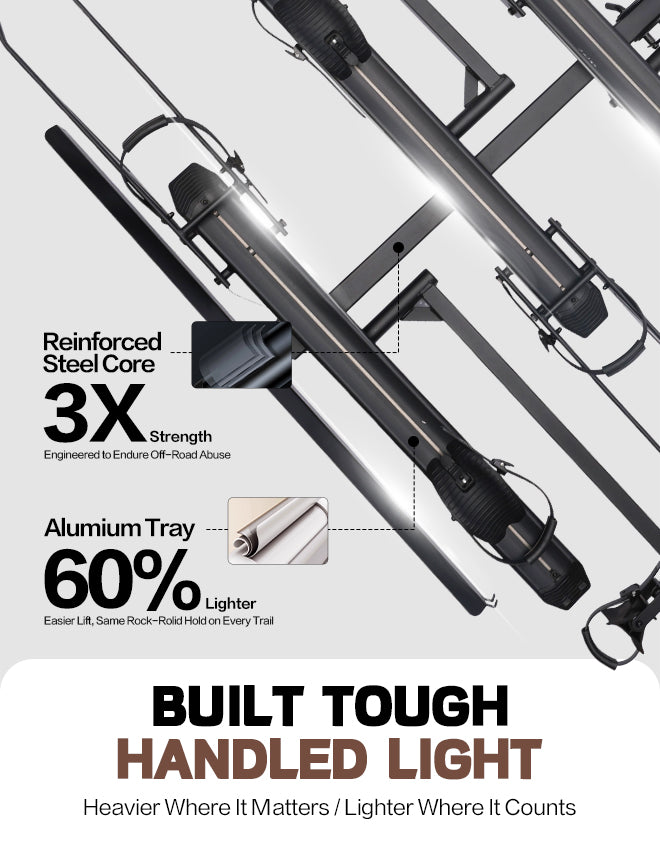
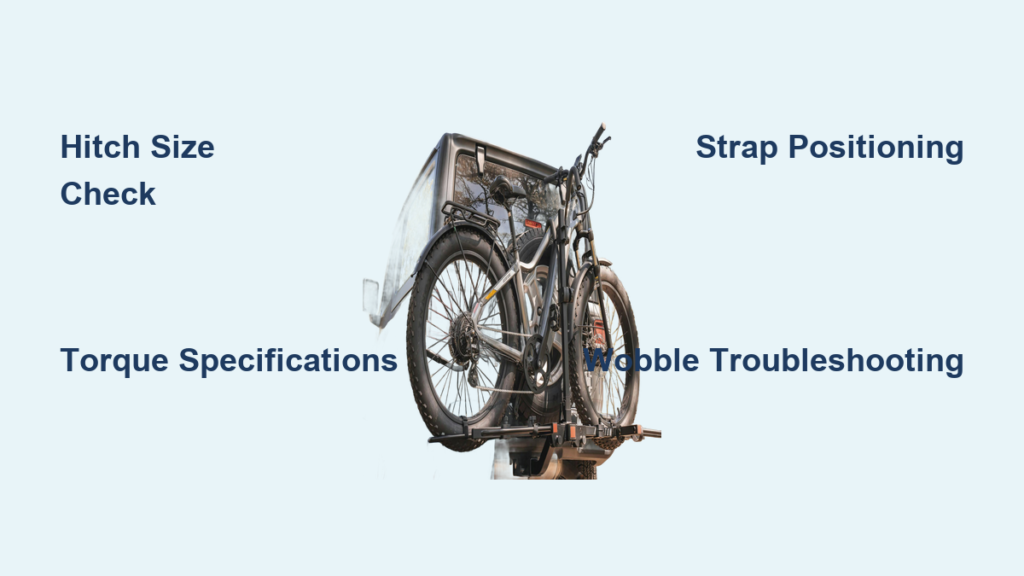
Standard racks fail with electric bikes weighing 60-80 pounds and fat tires up to 5.0″ wide, requiring specialized solutions. E-bike racks feature reinforced construction with ramp systems that eliminate heavy lifting, while fat bike adapters modify standard racks with extended wheel trays and reinforced straps.
Why Standard Racks Fail With E-Bikes
Most hitch racks max out at 35-45 pounds per bike position—far below the 60-80 pound reality of e-bikes. Using standard racks with electric bikes risks:
– Hitch receiver failure from excessive tongue weight
– Bent rack arms from unbalanced weight distribution
– Premature wear on tilt mechanisms
– Compromised security due to overloaded clamping systems
How to Match Bike Rack Types to Your Vehicle Type
Your vehicle’s design dictates viable rack options more than any other factor. Sedans typically work best with trunk-mounted or roof-mounted systems, while hatchbacks require careful spoiler clearance checks for trunk racks. SUVs offer the most flexibility with all rack types, but spare tire-mounted options provide unique access to tailgates on Jeep Wranglers and similar vehicles.
Truck-Specific Rack Compatibility Guide
- Short bed trucks: Prioritize vertical storage or fork-mount bed systems
- Long bed trucks: Utilize full bed rail systems for maximum capacity
- Trucks with tonneau covers: Confirm rack clearance before purchasing
- Trucks with toolboxes: Measure available space between cab and toolbox
Critical Security Features Missing From Most Bike Rack Comparisons
All rack types offer varying security levels, but most buyers overlook integrated locking mechanisms that prevent theft. Hitch racks should include receiver pin locks plus frame clamps with keyed-alike systems, while roof racks require locking skewers for fork mounts or wheel locks for wheel-mount systems.
Security Checklist Before Final Purchase
- Verify 8-12′ braided steel cable included (minimum 8mm thickness)
- Confirm hitch receiver lock compatibility with your vehicle
- Check for frame clamp locking mechanisms
- Ensure wheel retention systems prevent rotation
- Test key operation before leaving the store
Weight Capacity Mistakes That Damage Bikes and Vehicles
Exceeding weight limits causes catastrophic failures—bent hitch arms, collapsed roof bars, or detached trunk racks. Always calculate total weight including:
– Bike weight (check actual scale weight, not manufacturer claims)
– Rack weight (often 30-60 pounds for hitch systems)
– Accessories (child seats, cargo boxes, etc.)
Real-World Weight Distribution Guidelines
- Hitch racks: Never exceed 50% of your hitch’s tongue weight rating
- Roof racks: Distribute weight evenly across crossbars
- Trunk racks: Center weight over vehicle’s rear axle
- Truck bed racks: Position heaviest bikes closest to cab
Maintenance Checklist: Extending Your Bike Rack’s Lifespan by Years
Monthly inspections prevent catastrophic failures and extend rack longevity. Focus on these critical points:
– Hitch pin security: Check for wear or bending
– Strap condition: Replace frayed or UV-damaged straps immediately
– Rust prevention: Apply silicone lubricant to steel components
– Lock functionality: Clean and lubricate annually
– Moving parts: Lubricate tilt mechanisms quarterly
Store racks indoors when possible, and always remove them during extended non-use periods to prevent weather damage. Proper maintenance doubles typical rack lifespan from 3-5 years to 8-10 years.
Choosing the right bike rack type comes down to three non-negotiable factors: your vehicle’s mounting options, your bike’s weight and frame material, and your budget for security features. Hitch-mounted platform racks offer the best balance for most riders, while roof racks excel when hauling mixed cargo. Always verify weight capacity with actual bike weights—not manufacturer claims—and prioritize security features that match your storage environment. The perfect rack disappears into your routine, making bike transport effortless while protecting your valuable investment.