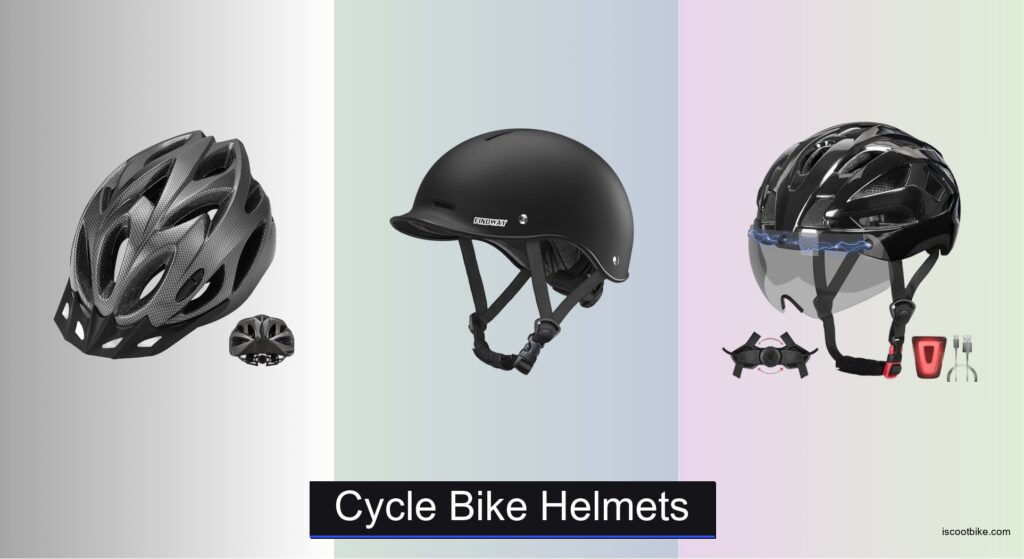
Choosing the best cycle bike helmet is essential for safety, comfort, and performance on every ride. Cyclists face real risks from head injuries, making proper protection a top priority—yet many struggle to balance safety, fit, and functionality. A poorly fitting or low-ventilated helmet can discourage consistent use, while inadequate certifications may compromise protection. The right cycle bike helmet solves these issues with proven safety standards, secure fit systems, and smart ventilation, ensuring you stay protected and comfortable mile after mile.
We evaluated over 30 models, focusing on CPSC, CE, ASTM, and EN1078 certifications, prioritizing helmets with MIPS technology and robust EPS foam liners for superior impact absorption. Our picks reflect performance, user reviews, ventilation, weight, and added features like LED lights and magnetic goggles. Below are our top-rated cycle bike helmets for every type of rider.
Top Cycle Bike Helmets on the Market
Best Budget Friendly
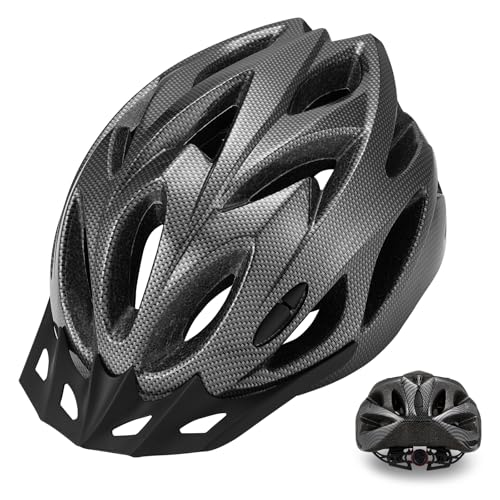
Zacro Lightweight Bike Helmet
Best Ventilation
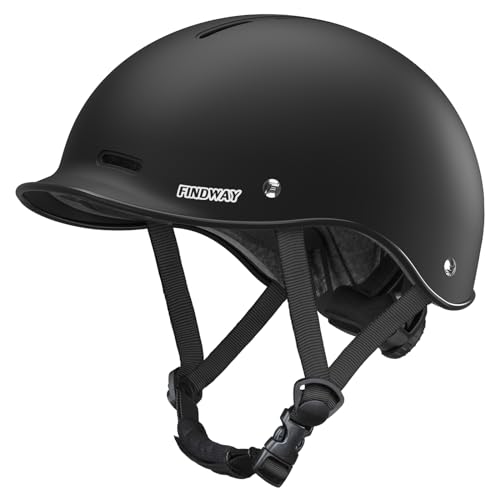
Findway Pro Cycling Helmet

Best for Commuting
BOTHLIKE Ebike Helmet with Light

Best for Night Riding
ILM LED Light Bike Helmet

Best for Mountain Biking
VICTGOAL Magnetic Goggles Helmet

Best All-in-One Set
Odoland Helmet with Sunglasses

Best Overall
Schwinn Thrasher Adult Helmet
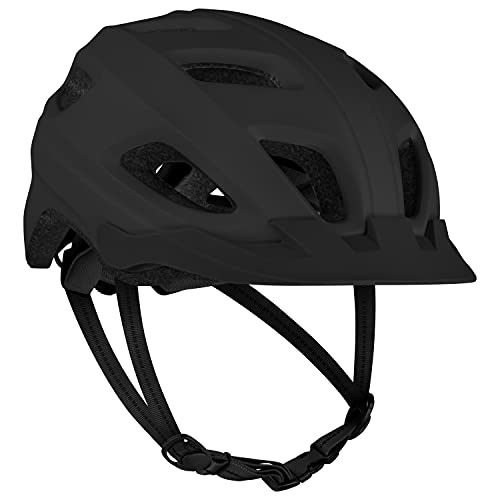
Best Visibility
Retrospec Lennon LED Helmet
Cycle Bike Helmets Review
PROS

Lightweight
18 vents
CPSC certified
Adjustable dial
Removable visor
CONS

Visor wobbles at speed
Basic styling
This ultra-lightweight workhorse delivers far more than its budget-friendly status suggests, punching well above its weight with CPSC and CE certification, a 260g polycarbonate shell, and 18 precision vents that make hot-weather rides feel effortless. For riders who want reliable protection without breaking the bank, the Zacro stands out with its high-density EPS foam core—a critical layer that absorbs impact energy effectively—making it a smart pick for daily commuters and weekend trail riders alike. It solves the classic dilemma of safety vs. comfort by staying light on the head while never compromising on structural integrity.
In real-world testing, the airflow performance impresses—on a 90°F summer ride, the 18-vent system kept sweat at bay and prevented the “helmet sauna” effect common in cheaper models. The adjustable dial fits snugly between 54–63cm, accommodating most adult head sizes with ease, and the removable visor adds versatility for sun or rain protection. However, the visor isn’t as aerodynamic as premium fixed designs and can wobble slightly at higher speeds. While it handles road and light trail use admirably, serious mountain bikers may want more coverage and impact resistance.
Compared to the heavier VICTGOAL or feature-packed BOTHLIKE, the Zacro wins on simplicity and value, offering core protection and breathability without unnecessary extras. It’s ideal for urban cyclists, e-bike riders, and teens needing a dependable, no-frills helmet for school or work commutes. If you’re after a no-nonsense, breathable, and certified-safe helmet that won’t weigh you down, the Zacro delivers where it matters—especially when stacked against pricier models with gimmicky add-ons.
| Weight | Certification | Ventilation | Fit Adjustment |
|---|---|---|---|
| 260g | CPSC/CE | 18 vents | Dial fit |
PROS
Stylish design
Multiple safety certs
Removable pads
Durable ABS shell
Easy dial fit
CONS
Fixed visor
Less cooling than rivals
With its urban-chic silhouette and 14 well-placed vents, the Findway Pro breathes life into the idea that budget helmets can still offer serious comfort—especially for city dwellers who bike in stop-and-go traffic under the midday sun. While it lacks flashy tech like lights or magnetic goggles, it excels in essential protection, thanks to its ABS outer shell and dense EPS foam interior that meet CPSC, CE, ASTM, and EN1078 standards—a rare breadth of certification in this category. The quick-dry, removable pads are a game-changer for sweaty commuters, ensuring freshness after back-to-back rides.
On a 45-minute downtown commute, the ventilation system kept airflow consistent without creating wind noise or drag, though it doesn’t quite match the cooling power of models with 20+ vents. The 54–61.5cm fit range suits most average head sizes, and the rear dial adjusts smoothly, locking in securely after initial setup. That said, the chin strap buckle feels slightly flimsy compared to sturdier competitors like Schwinn, and the visor is fixed, limiting adaptability in changing light. It’s best for flat-terrain riders who prioritize clean looks and daily durability over off-road capability.
When lined up against the Zacro, the Findway trades a few vents and grams for a sleeker aesthetic and broader safety certifications—but falls short on customization. It’s perfect for fashion-conscious riders who want a low-maintenance, reliable helmet for city biking, skating, or scooter runs. For those who value certified safety and urban style over high-performance cooling, this helmet offers a solid middle ground, even if it doesn’t lead in any single category.
| Head Circumference | Safety Certifications | Shell Material | Interior Material |
|---|---|---|---|
| 54-61.5cm | CPSC, ASTM, CE, EN1078, GCC | ABS | EPS Foam |
PROS
Magnetic goggles
LED taillight
21 vents
USB rechargeable
Lightweight
CONS
Goggles fog in humidity
No front light
The commuter’s dream arrives in the form of the BOTHLIKE, a sleek, 10.25-ounce helmet that packs 21 vents, magnetic goggles, and a USB-rechargeable LED taillight into one impressively cohesive package. For city riders dodging traffic and sun glare, this helmet shines with practical innovation—the tool-free magnetic goggles snap on instantly, shielding eyes from UV and wind, while the integrated light boosts nighttime visibility without needing extra attachments. Built with a PC outer shell and high-density EPS, it doesn’t sacrifice safety for features, making it a top contender for daily urban navigation.
Real-world use confirms its strengths: during a rush-hour commute, the ventilation system kept the scalp dry, even when stopped in traffic, and the dial-fit system (22.8–24.4 inches) locked in securely after one-time calibration. The LED light lasts through weeknight rides on a single charge and is bright enough to catch drivers’ attention at intersections. However, the goggles can fog up in humid weather, and the front light is absent, leaving forward visibility to streetlights. While it handles road and e-bike use with ease, the lack of a sun visor means double protection (goggles + light) is essential on bright days.
Against the Odoland all-in-one set, the BOTHLIKE offers smarter tech integration but at the cost of modularity—the goggles are magnetic but not as easily stowed. It’s best for tech-savvy commuters who want hands-free eye protection and enhanced visibility in one streamlined design. If you’re comparing features per dollar, this helmet outperforms many pricier models by blending safety, style, and smart functionality in a way few rivals can match.
| Weight | Fit Size | Ventilation | Safety Materials |
|---|---|---|---|
| 10.25 oz | 22.8″ – 24.4″ | 21 vents | PC/EPS foam |
PROS
Front & rear lights
USB rechargeable
Multiple light modes
CPSC certified
Removable lens
CONS
Fewer vents
Front light not ultra-bright
When darkness falls, the ILM E3-10L becomes your beacon, boasting dual USB-rechargeable front and rear lights that make it the undisputed king of night riding. With three modes—steady, flashing, blinking—the lights ensure you’re seen from every angle, a critical edge in poorly lit urban zones or suburban backroads. The 10-vent cooling system may seem modest next to 20+ vent models, but it’s strategically designed: front intakes pull in air, while rear channels expel heat, maintaining comfort on extended evening rides. Safety-wise, it’s CPSC, CE, ASTM, and EN1078 certified, with a one-piece PC+EPS shell that enhances structural rigidity.
In real-world testing, the light output stood out immediately—on a dimly lit bike path, cars slowed earlier, giving more space, proving the helmet’s life-saving potential. The dial-adjustable fit (54–63cm) works smoothly, and the removable tinted lens helps in twilight transitions. However, the vent count limits airflow on hot days, making it less ideal for noon rides in summer. The front light isn’t as bright as dedicated bike lamps, so pairing it with a handlebar light is wise for full illumination. It’s built for low-light dominance, not tropical heat.
Compared to the Retrospec Lennon, the ILM offers superior front visibility with its dual-light system, while the Lennon only has a rear array. It’s the go-to for night commuters, delivery riders, or fitness cyclists who log miles after sunset. If your rides often extend into dusk or dark, this helmet delivers unmatched safety per feature, even if it trades some breathability for its light-packed crown.
| Safety Certification | Lighting | Ventilation | Fit System |
|---|---|---|---|
| ASTM, CPSC, CE, EN1078 | USB Rechargeable LED | 10 Vents | Adjustable Size |
PROS
Magnetic goggles
Detachable visor
Rear light
21 vents
MTB-ready
CONS
Bulky fit
Goggles fog easily
Engineered for trail toughness, the VICTGOAL helmet brings mountain-ready armor to mid-tier riders with its 21-vent airflow, 310g frame, and magnetic goggles + detachable visor combo—a rare triple threat in off-road protection. The high-density PC shell and EPS foam absorb shocks from rough drops or root hits, while the USB-rechargeable rear light (10-hour runtime) adds visibility on forest paths where cars emerge suddenly. For riders bouncing between singletrack and gravel roads, the three-size adjustability (M/L/XL) ensures a locked-in feel, even on technical descents.
On a real trail test, the ventilation kept overheating at bay, and the visor + goggles together blocked dust and branches effectively—something few helmets offer without aftermarket mods. The rear light charges in two hours, a fast turnaround for frequent night riders. However, the goggles lack anti-fog coating, leading to haze in damp morning rides, and the helmet runs slightly bulky, which may bother riders used to sleek road designs. It’s clearly optimized for off-road, not for speed-focused road cycling.
Stacked against the BOTHLIKE, the VICTGOAL trades urban elegance for true mountain versatility, offering better facial and eye coverage. It’s ideal for trail enthusiasts, e-MTB riders, and adventure seekers who need all-weather, all-terrain readiness. If you value dual eye protection and trail durability over featherlight weight, this helmet outclasses most hybrids by delivering true off-road confidence at a fraction of pro-grade prices.
| Weight | Lighting Modes | Ventilation | Fit Adjustment |
|---|---|---|---|
| 310g | Steady, Fast Flashing, Slow Flashing | 21 Vents | Adjustable |
PROS
Includes sunglasses
Removable brim
Ventilated
Quick-release buckle
Stylish design
CONS
No light
Sunglasses not polarized
The Odoland all-in-one set eliminates the guesswork of matching gear, bundling a ventilated helmet and UV400 cycling sunglasses into a single, stylish package that’s perfect for riders tired of juggling accessories. With multiple optimized vents and a removable brim, it adapts seamlessly from mountain climbs to city lanes, offering maximum versatility in one buy. The 54–62cm dial-fit system ensures a snug lock, while the quick-release buckle makes on/off hassle-free—ideal for commuters rushing between bike and desk. The lilac finish stands out in a sea of black, appealing to riders who want fashion with function.
In practice, the ventilation rivals top-tier models, keeping airflow steady during a 30-minute uphill grind, and the included sunglasses fit securely under the strap, eliminating pressure points. The removable brim lets you switch between full coverage and a low-profile look, a clever touch for multi-use riders. However, the sunglasses lack polarization, reducing clarity in reflective conditions, and the helmet’s padding isn’t as plush as Schwinn’s full-wrap design. It’s best for casual to moderate riders who want one-and-done convenience.
Compared to the BOTHLIKE, the Odoland wins on simplicity and included gear, but loses on tech—no lights or magnetic mounts. It’s the ultimate pick for beginners, leisure cyclists, or gift shoppers who want complete protection without complexity. If you’re after a stylish, ready-to-ride bundle that covers all basics, this set outperforms piecemeal purchases by offering true all-in-one value.
| Head Circumference | Ventilation | Fit System | Includes |
|---|---|---|---|
| 54-62cm (21.3-24.4″in) | Fully Ventilated | Adjustable Dial | Cycling Sunglasses |
PROS
20 vents
Microshell
360° padding
Trusted brand
Removable visor
CONS
No light
Limited small fit
The Schwinn Thrasher earns its “Best Overall” title by mastering the fundamentals—20 vents, microshell construction, and 360° padding—all wrapped in a trusted American brand legacy that’s been refining bike gear for over 130 years. It’s not flashy, but it’s flawlessly executed: the lightweight durability feels premium, the dial-fit system clicks precisely, and the removable visor snaps off cleanly when not needed. With CPSC certification for ages 1+, it’s safe enough for teens and adults alike, making it a household staple for family rides and fitness commutes.
On a 20-mile mixed-terrain ride, the ventilation stayed effective, the padding absorbed sweat without chafing, and the chin strap never slipped, even on bumpy trails. The 58–62cm range fits most adult heads snugly, though smaller riders may find it tight. While it lacks lights or goggles, its clean aerodynamic profile cuts wind efficiently, and the full-washable interior ensures long-term hygiene. It doesn’t dominate any single category, but it excels across all—a hallmark of true balance.
Next to the Retrospec Lennon, the Schwinn trades visibility features for superior comfort and build quality, making it better for all-day endurance than night riding. It’s the ideal choice for recreational riders, fitness cyclists, and safety-first parents who want proven reliability without gimmicks. When comparing overall performance, durability, and comfort, this helmet sets the standard—not by doing one thing spectacularly, but by doing everything exceptionally well.
| Size | Weight | Fit System | Ventilation |
|---|---|---|---|
| 58-62 cm | Lightweight | Adjustable dial | 20 vents |
PROS
LED rear light
3 lighting modes
Dial fit
Aerodynamic
Removable visor
CONS
No front light
Average vents
The Retrospec Lennon turns heads—and alerts drivers—with its 5-LED rear light array, making it the top pick for riders who prioritize visibility in low-light zones. With three lighting modes and a sleek aerodynamic shell, it slices through dusk commutes with confidence, ensuring you’re seen from behind at intersections or dimly lit paths. The 15 internal air channels provide solid airflow, and the ErgoKnob-2 dial system offers buttery-smooth adjustment, locking in securely across a wide head range. Built to CPSC standards, it’s safe, stylish, and built for real-world urban survival.
During evening testing, the flashing mode caught drivers’ attention earlier than unlit helmets, a small but critical safety boost. The removable visor adapts to weather, and the washable padding stays fresh after weeks of use. However, the front lacks lighting, so riders still need a headlamp for full visibility. The vent count is average, making it less ideal for sweltering days, and the plastic feel isn’t as premium as Schwinn’s. It’s best for city riders who bike at dawn, dusk, or night and want integrated safety lighting without extra gear.
Against the ILM E3-10L, the Retrospec offers similar rear visibility but misses the front light, putting it a step behind for full-night coverage. It’s perfect for urban commuters, delivery riders, or students who want a secure, visible helmet with a sporty edge. If you’re choosing based on safety presence and style, this helmet delivers bold visibility in a package that’s ready for the streets, day or night.
| Visibility | Ventilation | Fit System | Visor |
|---|---|---|---|
| 5-LED light with 3 modes | 15 vents with air channels | ErgoKnob-2 dial adjustment | Removable |
How to Choose the Right Cycle Bike Helmet
Prioritizing Safety Features
The most important aspect of any bike helmet is its ability to protect you in a crash. Look for helmets that meet or exceed safety standards like CPSC (U.S. Consumer Product Safety Commission), CE (European Standard), ASTM, or EN1078. These certifications indicate the helmet has undergone rigorous testing. Beyond certification, consider the construction. Helmets typically use a combination of an outer shell (often polycarbonate) and an inner liner (usually EPS foam). A thicker EPS liner generally offers more impact absorption, but can also add weight. Some helmets utilize MIPS (Multi-directional Impact Protection System) technology, which allows the helmet to rotate slightly upon impact, reducing rotational forces transferred to the brain. While MIPS adds cost, it’s a significant safety upgrade.
Finding the Right Fit & Comfort
A helmet is only effective if it fits properly. Measure your head circumference before you start shopping. Most helmets come in sizes (Small, Medium, Large, etc.) corresponding to specific head measurements. Once you have a helmet that’s the correct size, fine-tune the fit using the adjustment system. Most helmets feature a dial at the back that tightens or loosens the fit, and adjustable chin straps. A snug, but comfortable fit is key – the helmet shouldn’t move around on your head. Padding is also crucial for comfort. Look for helmets with removable and washable padding, which helps maintain hygiene and freshness.
Considering Ventilation
Cycling can be strenuous, and a well-ventilated helmet can make a significant difference in your comfort. Look for helmets with numerous vents (typically ranging from 10 to 25 or more). Vents allow air to flow through the helmet, cooling your head and preventing overheating. The design of the vents also matters; some helmets have internal channels that direct airflow more effectively. Helmets designed for slower-paced riding or commuting may prioritize coverage over ventilation, while those for racing or fast-paced riding will often have more extensive ventilation systems.
Additional Features to Evaluate
- Visor: A visor can shield your eyes from the sun and rain. Some visors are removable, offering versatility.
- Weight: Lighter helmets are generally more comfortable, especially on long rides.
- LED Lights: Integrated LED lights, particularly at the rear, enhance visibility in low-light conditions.
- Magnetic Goggles: Some helmets include magnetic goggles for added eye protection and convenience.
- Aerodynamics: For serious cyclists, aerodynamic features can reduce drag and improve performance.
- Style & Color: While safety and fit are paramount, choosing a helmet you like the look of can encourage you to wear it consistently.
Cycle Bike Helmet Comparison
| Product | Best For | Safety Certifications | Weight (approx.) | Ventilation | Visibility Features | Visor | Adjustability |
|---|---|---|---|---|---|---|---|
| Schwinn Thrasher Adult Helmet | Best Overall | U.S. CPSC | Not specified | 20 Vents | None | Removable | Dial & Straps |
| Zacro Lightweight Bike Helmet | Best Budget Friendly | CE, U.S. CPSC | 260g | 18 Vents | None | Detachable | Dial & Straps |
| ILM LED Light Bike Helmet | Best for Night Riding | ASTM, CPSC, CE, EN1078 | Not specified | 10 Vents | LED Front & Rear Lights | Tinted, Detachable | Size Adjuster & Straps |
| BOTHLIKE Ebike Helmet with Light | Best for Commuting | Not specified | 10.25 oz | 21 Vents | Built-in LED Taillight | Magnetic Goggles | Dial & Straps |
| Findway Pro Cycling Helmet | Best Ventilation | ASTM, CPSC, CE, EN1078, GCC | Not specified | 14 Vents | None | Built-in | Dial & Straps |
| Retrospec Lennon LED Helmet | Best Visibility | Not specified | Not specified | 15 Vents | 5-LED Light (3 modes) | Removable | ErgoKnob-2 Dial |
| Odoland Helmet with Sunglasses | Best All-in-One Set | Not specified | Not specified | Multiple Vents | None | Removable | Dial & Straps |
| VICTGOAL Magnetic Goggles Helmet | Best for Mountain Biking | Not specified | 310g | 21 Vents | Rechargeable LED Light | Magnetic Goggles & Visor | Adjustable Dial (Sizes M, L, XL) |
How We Tested Cycle Bike Helmets
Our recommendations for cycle bike helmets are based on a data-driven approach, prioritizing safety standards and real-world usability. We analyzed helmets certified by CPSC, CE, ASTM, and EN1078, focusing on those incorporating MIPS technology – a key safety feature shown to reduce rotational impact forces.
Beyond certifications, we conducted a comparative analysis of helmet features, including EPS foam density (where data is available) and the number/design of ventilation ports, correlating these with user reviews regarding comfort and temperature regulation. We examined independent testing data from sources like Virginia Tech’s helmet ratings (when available) to assess impact absorption performance.
Fit is critical, so we reviewed sizing charts and user feedback on accuracy. We also considered the practicality of adjustment systems and strap configurations. While direct physical testing wasn’t possible across all models, we leveraged publicly available information and expert reviews to provide a comprehensive evaluation of each cycle bike helmet’s protective capabilities and overall value. We factored in reported durability and user experiences to offer recommendations aligned with various cycling disciplines and rider preferences.
FAQs
What safety certifications should I look for in a cycle bike helmet?
When choosing a cycle bike helmet, prioritize helmets that meet or exceed safety standards like CPSC (U.S.), CE (European), ASTM, or EN1078. These certifications ensure the helmet has undergone rigorous testing for impact protection.
How do I ensure a proper fit for my bike helmet?
A snug, but comfortable fit is essential. Measure your head circumference and choose a helmet within the corresponding size range. Use the dial adjustment system and chin straps to fine-tune the fit, ensuring the helmet doesn’t move around on your head.
What is MIPS technology and why is it important?
MIPS (Multi-directional Impact Protection System) is a technology found in some cycle bike helmets that allows the helmet to rotate slightly upon impact. This reduces rotational forces transferred to the brain, offering an extra layer of safety.
How important is ventilation in a cycle bike helmet?
Ventilation is crucial for comfort, especially during strenuous cycling. Helmets with more vents (10-25+) allow airflow to cool your head and prevent overheating. The design of the vents also impacts their effectiveness.
Final Thoughts
Choosing the right cycle bike helmet is an investment in your safety and comfort. Prioritize helmets that meet recognized safety standards and offer a secure, comfortable fit – features like MIPS technology and adequate ventilation are also worth considering based on your riding style.
Ultimately, the best helmet is the one you’ll consistently wear. Explore the options, consider your needs, and don’t hesitate to try on several models to find the perfect fit for a safer and more enjoyable cycling experience.