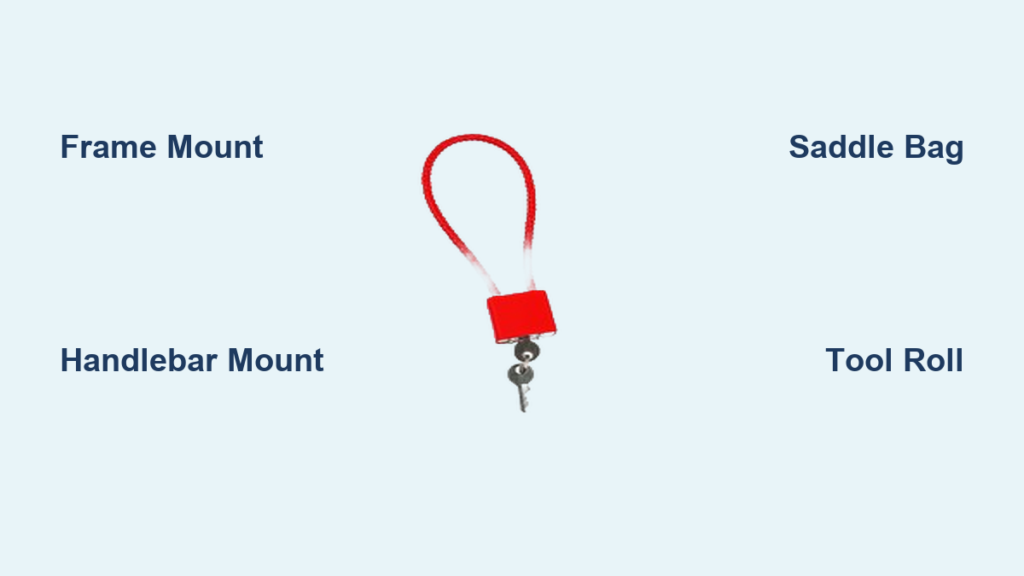
Carrying a cable lock on your bike doesn’t have to be a hassle that slows you down or compromises your security. Many cyclists struggle with awkward lock placement that creates uncomfortable bouncing, difficult access during quick stops, or worse—leaving valuable bikes vulnerable to theft. Without a proper carrying solution, that cable lock you invested in might end up gathering dust at home instead of protecting your ride when you need it most. This guide reveals practical, tested methods to carry your cable lock securely while maintaining easy access, so you can lock up confidently wherever your ride takes you.
Essential Cable Lock Carrying Solutions for Daily Riders

Before selecting your carrying method, consider these critical factors that determine the best approach for your specific bike and riding style. The ideal solution balances security, accessibility, and comfort while avoiding interference with your bike’s components or your riding position. Most cyclists need a system that allows quick deployment when stopping unexpectedly but keeps the lock firmly secured during rides to prevent damage to your bike frame or annoyance from constant movement.
Frame Mount Options for Permanent Storage
Mounting your cable lock directly to your bike frame provides the most convenient access when you need to secure your bike. The seat tube typically offers the most accessible location, allowing you to quickly release and deploy your lock without dismounting completely. Look for bikes with pre-installed braze-ons specifically designed for lock mounts, or add a universal bracket that fits most frame sizes.
When installing a frame mount:
- Position the bracket where your fingers naturally reach while riding
- Ensure the lock doesn’t interfere with your pedaling motion
- Test ride with the lock mounted to check for any rubbing or vibration
- Choose a mounting position that keeps the lock away from moving parts
For bikes without mounting points, consider a strap-based mount system that wraps around your frame tubes. These versatile solutions work on virtually any bike type and allow repositioning as your needs change. The best straps feature quick-release buckles that let you adjust positioning within seconds without tools.
Backpack and Pannier Storage Methods
When frame mounting isn’t practical, carrying your cable lock in your cycling bag provides reliable security without modifying your bike. The key to success lies in proper placement within your bag to prevent uncomfortable pressure points or accidental lock deployment. Position the lock along the bottom of your backpack where its weight contributes to stability rather than riding high against your back.
Optimal bag storage techniques:
- Use separate compartments to prevent lock tangling with other items
- Wrap the lock in a soft cloth to muffle noise during rides
- Position the lock’s keyhole facing outward for quick access
- Secure loose cable ends with rubber bands to prevent snagging
For commuters using panniers, store the lock in the outer pocket for immediate access. This placement lets you grab and deploy your lock without removing your bag from the bike—a crucial advantage when making frequent stops. Always ensure the lock’s weight distribution doesn’t cause your pannier to swing or shift during riding.
Quick-Access Carrying Techniques for Urban Riders
City cyclists need solutions that work when stopping suddenly for traffic lights or quick errands. The most efficient urban riders keep their cable lock positioned for one-handed deployment, turning what could be a 15-second process into a fluid motion that takes just seconds.
Handlebar Mount Solutions for Instant Access
Mounting your cable lock near your handlebars creates the fastest access when you need to lock up unexpectedly. A handlebar-mounted lock stays visible in your peripheral vision, reminding you to secure your bike—a critical factor when rushing between destinations. The best position sits just behind your brake levers where your thumb can release the lock while maintaining grip on the handlebars.
Handlebar mounting considerations:
- Avoid positions that interfere with brake or shifter operation
- Choose mounts that absorb vibration to prevent noise
- Ensure the lock doesn’t extend beyond your handlebar width
- Test different positions during slow-speed riding before committing
For riders with limited handlebar space, consider a stem-mounted solution that positions the lock vertically along your steerer tube. This configuration keeps the lock completely out of the way during riding while remaining instantly accessible with a simple reach forward.
Saddle Bag Storage for Minimalist Riders
Riders who prefer clean bike aesthetics often store their cable lock in a saddle bag, though this requires proper technique to avoid frustration. The trick lies in positioning the lock so the end you need to grab protrudes slightly from the bag’s opening. Use a small piece of reflective tape on the lock end that should face outward—this visual cue ensures proper orientation every time you stow the lock.
Saddle bag storage tips:
- Choose a bag with a wide opening for easy lock insertion
- Secure the lock with an internal strap to prevent shifting
- Keep the lock’s keyhole facing the bag opening
- Practice the retrieval motion until it becomes second nature
This method works best with thinner cable locks that compress easily into saddle bags. Test your setup by stopping unexpectedly during a practice ride to ensure you can deploy the lock quickly when needed.
Advanced Carrying Methods for Long-Distance Riders
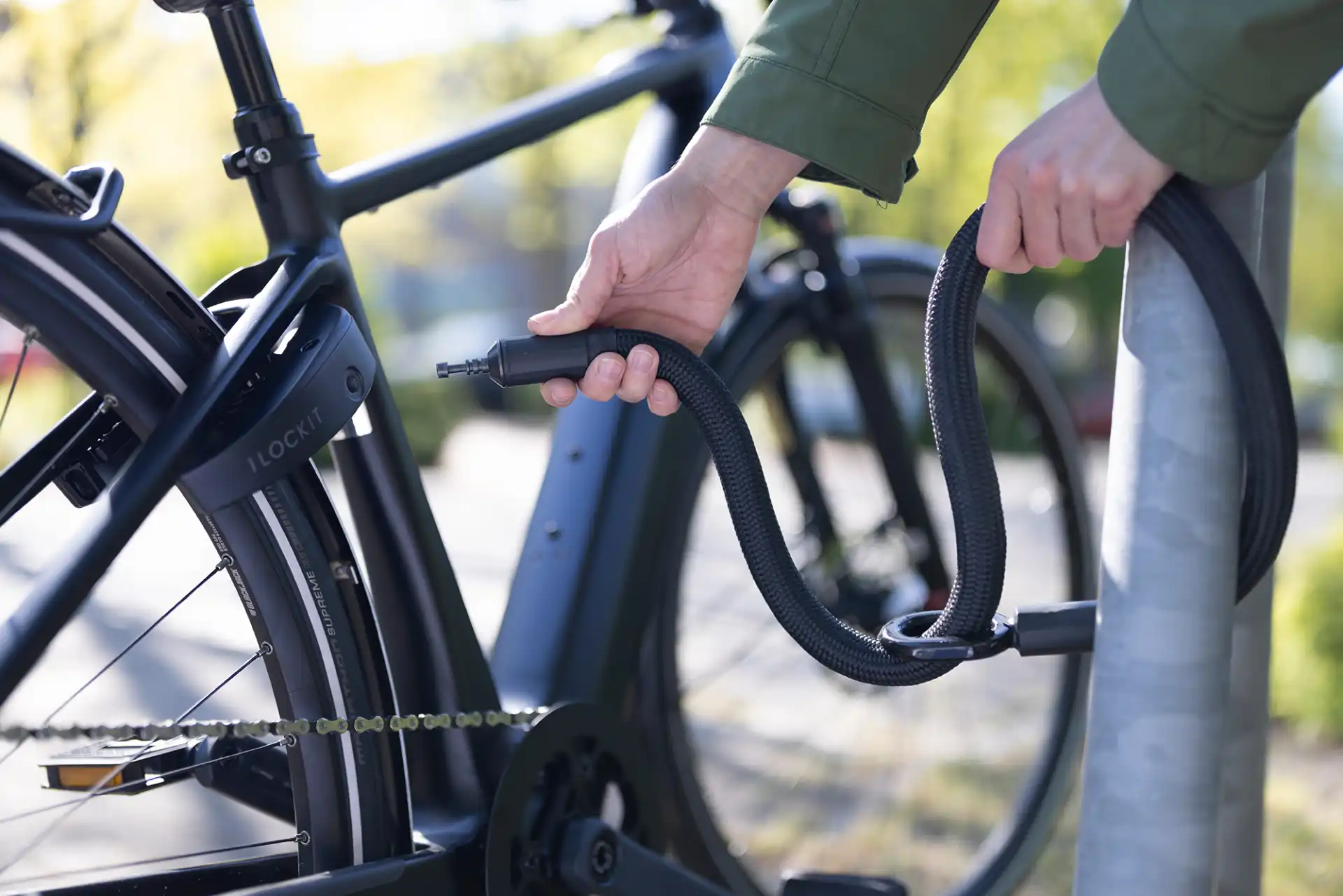
Touring cyclists and long-distance riders face unique challenges carrying cable locks without adding discomfort over extended periods. The solution involves distributing weight strategically while ensuring the lock remains accessible even when you’re fatigued after hours in the saddle.
Frame Bag Integration for Endurance Riders
Integrating your cable lock into your frame triangle bag provides exceptional weight distribution without sacrificing accessibility. Position the lock along the bag’s lower edge where it won’t interfere with your water bottle insertion or other essentials. Use the bag’s internal organization panels to create a dedicated lock compartment that holds the cable securely in a figure-eight configuration.
Frame bag storage advantages:
- Keeps weight centered between your pedals for better balance
- Protects the lock from weather and road debris
- Prevents rattling during rough terrain
- Maintains clean bike aesthetics without external mounts
For quick access, leave approximately six inches of the lock protruding from the bag opening. This small section provides enough purchase to pull the entire lock free with one hand while standing over your bike.
Tool Roll Solutions for Customizable Storage
Cyclists using tool rolls for repair kits can easily incorporate their cable lock into the same system. Wrap the lock around the outside of your rolled tools, securing it with the same straps that hold your repair kit. This method keeps your security tool and repair tools together in one access point—particularly valuable when making roadside adjustments.
Tool roll integration benefits:
- Creates a single access point for security and repair needs
- Allows customization as your tool requirements change
- Distributes lock weight across your frame for better balance
- Provides additional protection for the lock’s coating
The key to success lies in wrapping the lock toward the outer edge of your roll so it deploys first when unstrapping your tools. Practice this sequence until you can access your lock within seconds of stopping.
Maintenance Tips to Extend Your Carrying System’s Life
Your cable lock carrying method requires regular attention to maintain both security and convenience. Neglecting simple maintenance can turn a reliable system into a frustrating obstacle that makes you less likely to secure your bike properly.
Monthly Checkup Routine
Establish a monthly maintenance habit that takes less than five minutes but prevents major issues. Start by inspecting all mounting points for signs of wear or loosening—particularly critical for frame-mounted solutions where vibration can gradually compromise security. Check straps for fraying and metal mounts for cracking, replacing any components showing damage immediately.
Essential monthly checks:
- Test all mounting hardware for tightness
- Inspect cable lock for exposed wires or damaged coating
- Verify quick-release mechanisms operate smoothly
- Clean dirt and grime from lock storage areas
Pay special attention to areas where your lock contacts your bike frame. Even minor rubbing can wear through paint over time, creating rust points that weaken your frame. Apply a small amount of clear nail polish to any developing wear spots to prevent further damage.
Weather Adaptation Strategies
Your carrying solution must perform reliably in all conditions, not just ideal weather. During rainy seasons, add a silicone-based lubricant to any moving parts in your mounting system to prevent corrosion. For winter riding, position your lock where body heat helps prevent freezing—typically closer to your core rather than on external frame points.
When temperatures drop below freezing, carry your lock inside your jacket for the first few minutes of your ride until components warm up. This prevents stiff cables that resist deployment when you need to lock up quickly. In extreme heat, avoid positioning your lock where direct sunlight can degrade plastic components over time.
Final Lock Carrying Recommendations
The most effective cable lock carrying method seamlessly integrates into your riding routine without adding noticeable weight or complexity. Test each potential solution during short practice rides before committing to long journeys—what looks convenient on paper might prove frustrating during actual use. Remember that the best system is the one you’ll actually use consistently, not necessarily the most technically advanced option.
Consider rotating between two carrying methods: one optimized for quick urban stops and another designed for longer rides. This flexibility ensures you always have appropriate security regardless of your riding context. Most importantly, choose a system that makes locking your bike feel like a natural extension of your riding routine rather than a chore you’ll skip when in a hurry. With the right carrying solution, securing your bike becomes as automatic as checking traffic before crossing an intersection.